Wave Soldering Conveyor Speed and Angle: How These Parameters Affect Solder Fill and Bridge Prevention
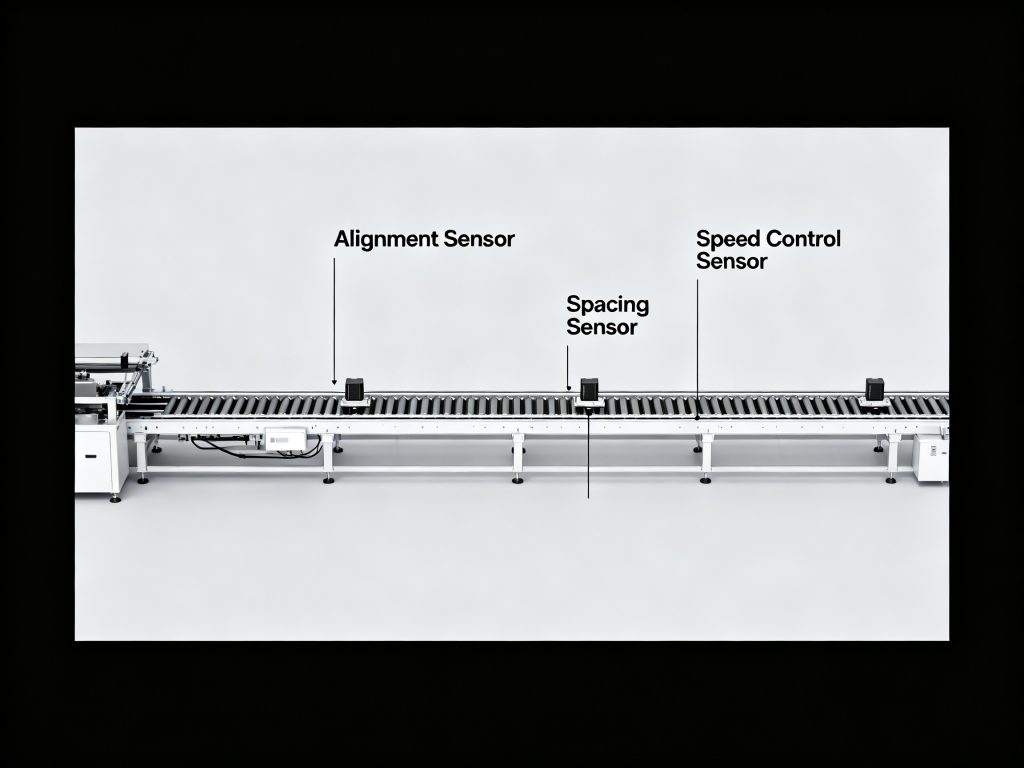
Decision-ready guidance on setting conveyor speed and angle to improve hole fill while reducing solder bridging in wave soldering.
Learn how to audit a wave soldering machine before purchase with a practical FAT and SAT checklist—what to test, what evidence to collect, and how to avoid costly commissioning surprises.
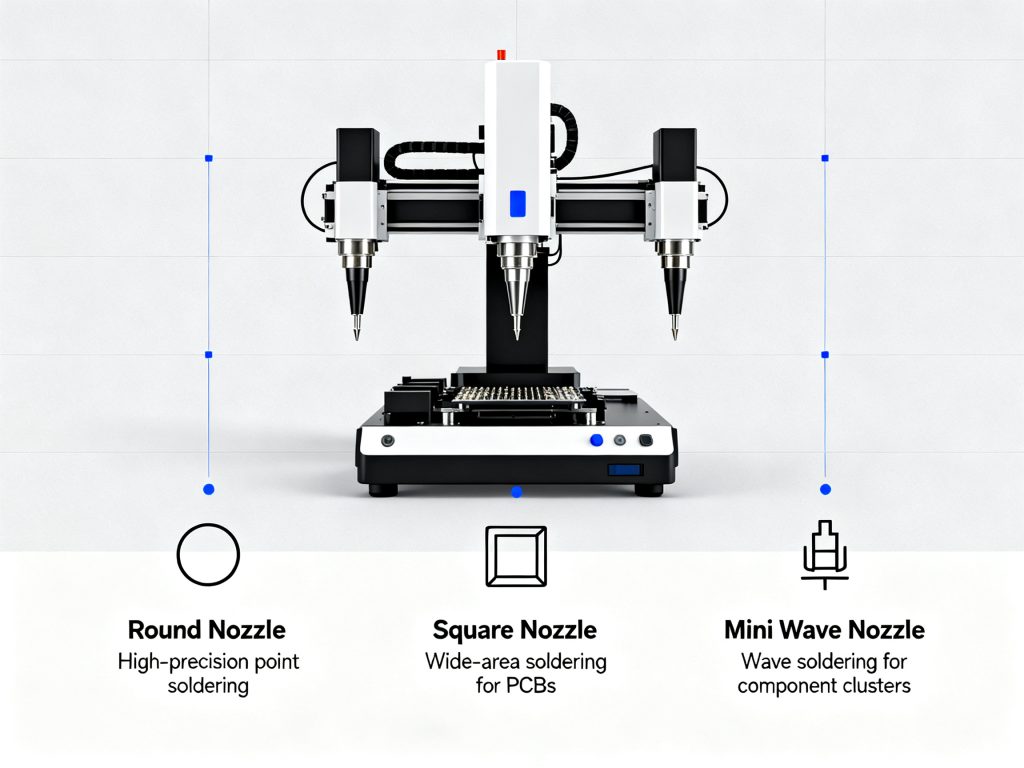
Compare nozzle size, shape, and material by PCB footprint to balance clearance, hole fill, defects, and throughput in selective soldering.
Compare spray vs foam fluxing for wave soldering using decision criteria, defect risks, maintenance needs, and validation tests.
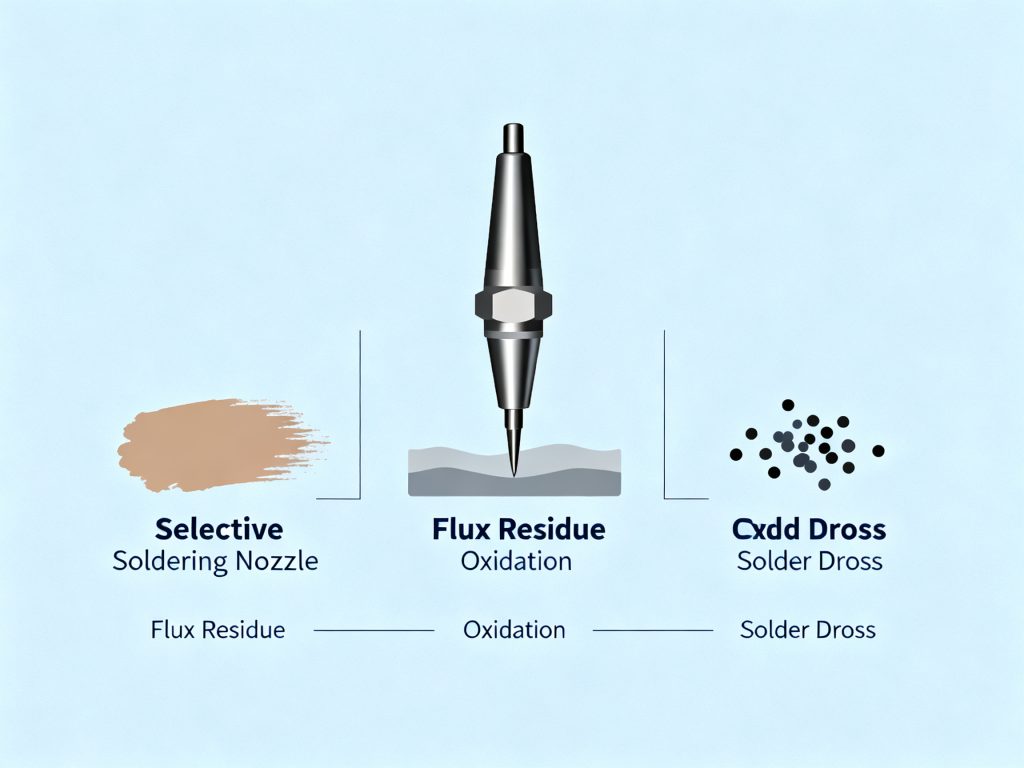
Decision-stage checklist to cut dross, control contamination, and keep lead-free wave solder bath quality stable.
Decision-stage framework to choose single vs double-sided wave soldering, with pallet, defect-risk, and profiling criteria.
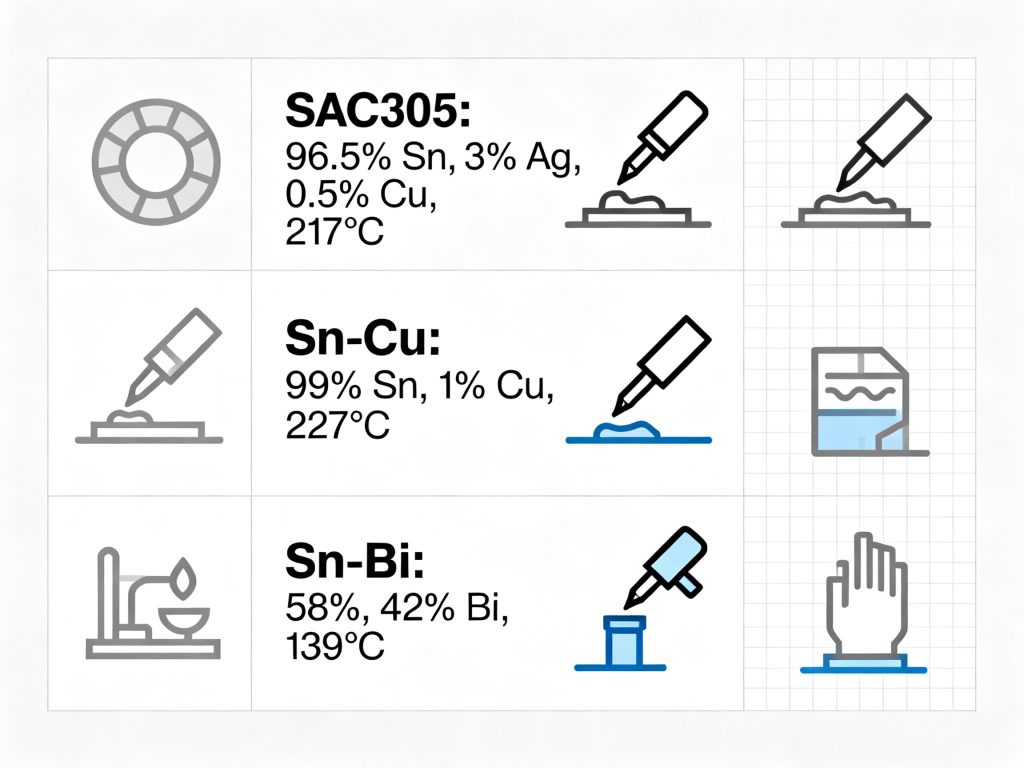
Set SAC305 wave/selective pot temps, preheat targets, and a vendor checklist to validate a stable lead-free temperature window.
A practical SOP to reduce dross, control Cu/Fe contamination, and extend solder pot life in nitrogen wave and selective soldering.
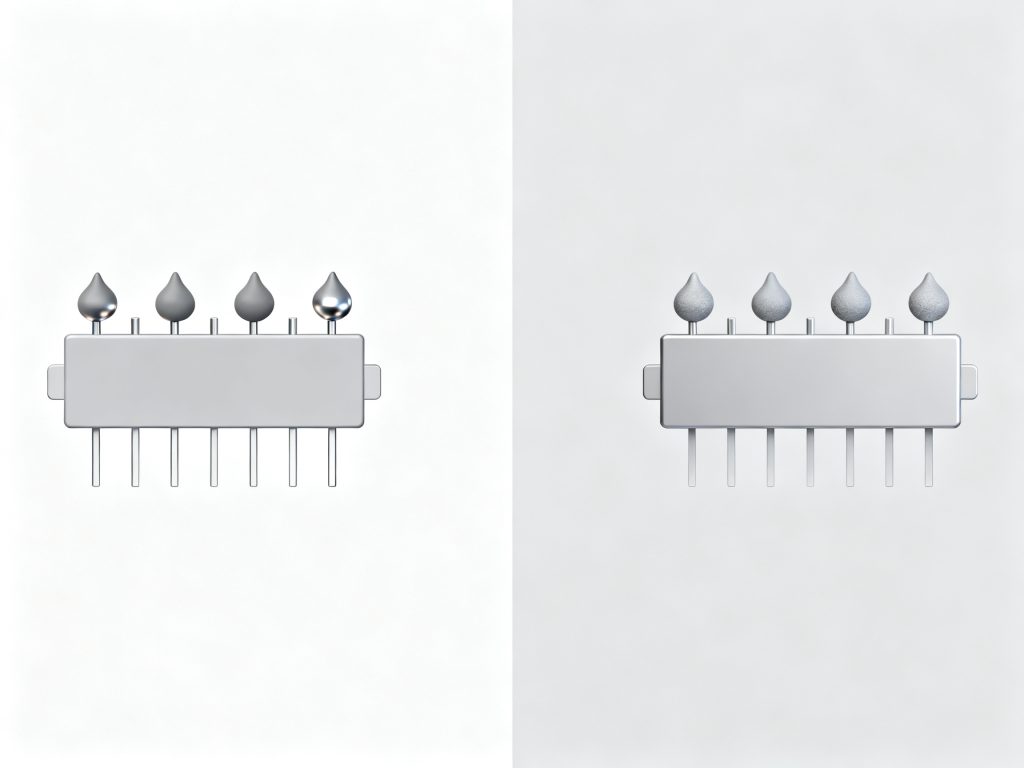
Decision-stage playbook to diagnose wave solder defects, lock a stable process window, and verify results with measurable controls.
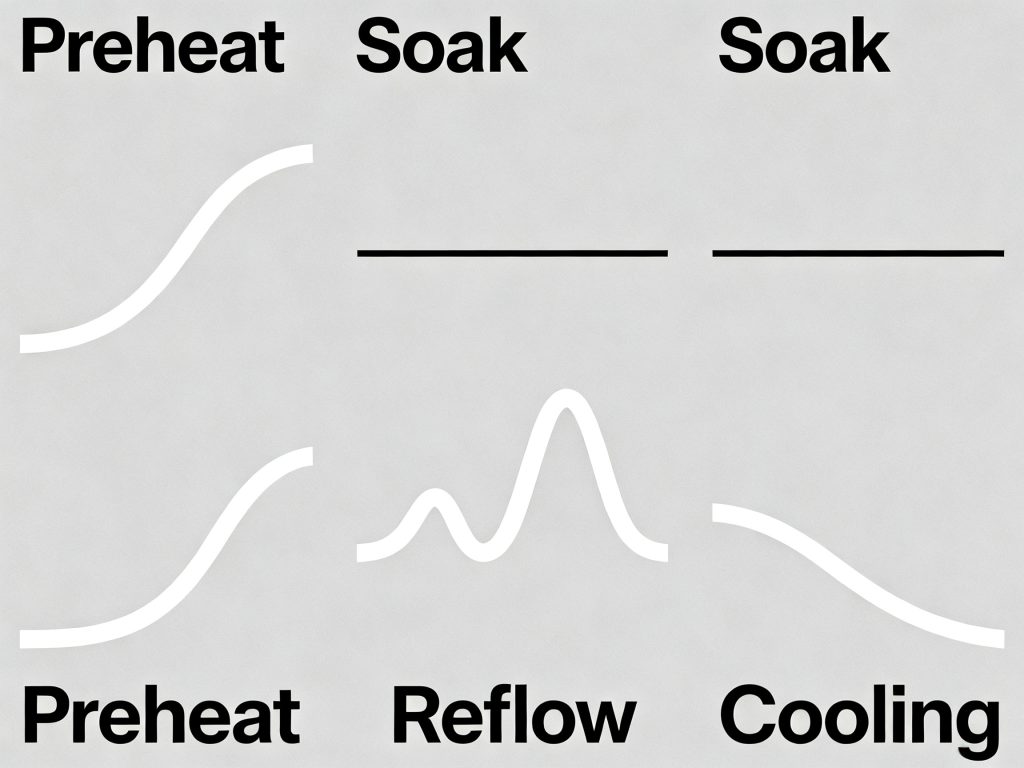
Learn how multi-zone preheat controls ramp, flux activation, and topside temperature to reduce thermal shock in lead-free wave soldering.