


Zveřejněno: 20 May 2026
Čas na čtení: 8 minutes
Reviewer: Simon Scrapes, Founder
Automatic PCB Loader Machines: A Guide to Efficiency, Design, and Innovations
Imagine running a factory where every process is smooth, precise, and fast. That’s exactly what automatic PCB loader machines bring to the table. These machines are changing the game for electronics manufacturing, making assembly lines faster and less prone to errors. If you’re in the business of consumer electronics, semiconductors, or even military-grade devices, keep reading. We’ll unpack everything you need to know about these machines, from their design and efficiency to the latest tech advancements.
Author Bio Placeholder: Add author’s credentials, experience in electronics manufacturing or SMT solutions, and any affiliations with the PCB loader industry.
What Are Automatic PCB Loader Machines?
Automatic PCB loader machines are essential in Surface Mount Technology (SMT) assembly lines. Their job? To load printed circuit boards (PCBs) into machines like stencil printers, pick-and-place machines, or ovens without any manual handling. Think of it this way: instead of a person manually feeding boards one by one, the loader does it accurately and continuously. Each board gets aligned and fed onto a conveyor through either pneumatic or mechanical systems. Built-in sensors manage timing, making the whole process seamless.
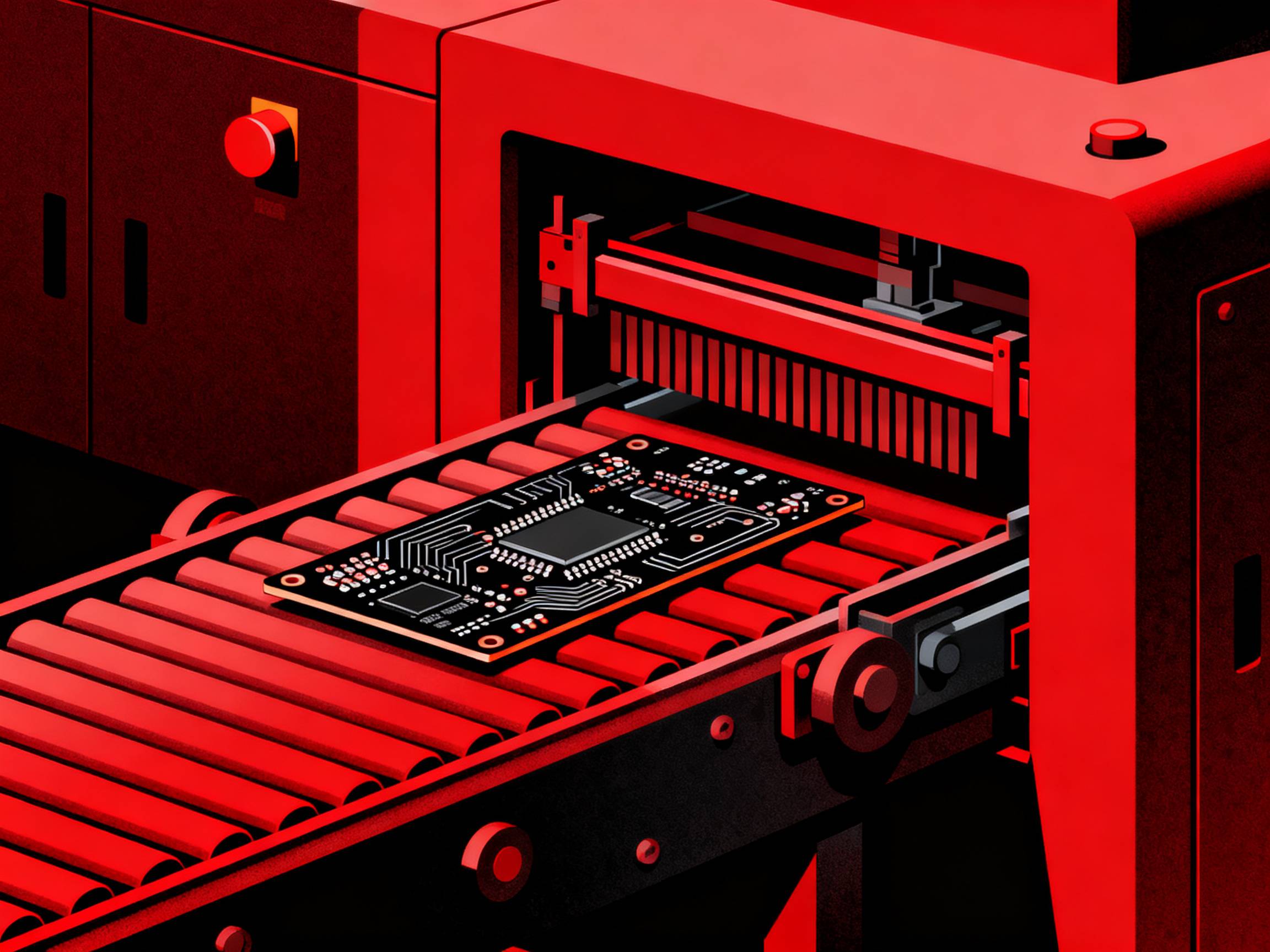
The goal is simple: speed up production, reduce manual errors, and protect the delicate components on the boards. These loaders often come with advanced features such as Programmable Logic Controllers (PLC), adjustable settings for different board sizes, and SMEMA compatibility for better integration with other SMT equipment. If you’ve ever wondered how factories manage to make hundreds of gadgets every minute, this is a big part of the answer.
Why Automation Matters
Automation isn’t just a trend; it’s a necessity for staying competitive in 2026. The demand for gadgets is rising, and so are expectations for quality. Automating the PCB loading process slashes production times and ensures that each board is handled with care. For industries like semiconductors and military applications where precision is critical, these machines are non-negotiable. They don’t just boost efficiency—they also reduce contamination risks and improve consistency.
Plus, labor is expensive and prone to errors. Machines eliminate that variable. You get faster throughput and fewer reworks, which saves both time and money. For example, consumer electronics manufacturers rely on automatic PCB loaders to keep up with the insane pace of smartphone production. Meanwhile, military equipment manufacturers trust these machines to meet their strict reliability standards without slipping up.
So, what kinds of standards and certifications do these machines adhere to? Most automatic PCB loader machines in 2026 meet CE and ISO 9001 certifications. They also support SMEMA protocols, making them easy to integrate into any SMT line.
Expert Tip
When designing machines, consider PCB size variety. Select a loader that can easily adjust to different board dimensions to save on costly retrofits.
Pretty awesome, right? And we’re just getting started. Next, let’s dig deeper into how these loaders improve efficiency and explore their key features!
How Automatic PCB Loader Machines Enhance Efficiency in SMT Assembly
What if you could cut production time in half? That’s one of the big benefits of automatic PCB loader machines! These machines play a huge role in making SMT assembly lines fast and accurate. Let’s break it down.
Faster Production Times
Automatic PCB loaders are all about speed. Instead of waiting for someone to load boards by hand, these machines do it nonstop. With automated systems, you can increase production rates by up to 50%. Those built-in sensors and pneumatic systems keep everything moving seamlessly, which means less waiting and more building. If you’re working with mass production, this kind of time-saving makes a big difference.
Fewer Defects, Better Quality
Loading PCBs manually opens the door to handling errors. Ever accidentally break or misalign a delicate part? Yep, that happens. Automatic PCB loader machines remove this risk by being precise every single time. They align and feed PCBs perfectly, which lowers the chances of defects. That’s especially important for industries like semiconductors or military electronics where perfection isn’t optional.
Plus, some loaders have advanced features like error diagnostics. These smart tools catch issues early, which helps avoid costly reworks.
Energy Savings That Add Up
These machines aren’t just fast, they’re efficient too. Some of the newer models are designed to consume less power during operation. This means you’re saving energy while keeping production up. And in 2026, being eco-friendly is a competitive advantage. Think of it as better efficiency for you, and better sustainability for the planet.

Expert Tip: Dual-mode automatic PCB loaders can significantly reduce costs by combining loading and unloading into one machine. If your production line supports it, look for these options to maximize savings.
Real-Life Benefits
For example, take a mid-sized electronics manufacturer that switched to automated PCB loaders last year. They went from producing 1,000 units per hour to 1,500, simply by upgrading their loading system. That’s 500 more units with zero extra labor costs. And because the system caught alignment issues earlier, their defect rate dropped by 20%.
It’s clear—automatic PCB loader machines boost efficiency, improve quality, and even help the environment. Up next, let’s talk about what makes these machines tick, including their design and standout features.
Key Features and Design Principles of Automatic PCB Loader Machines
When choosing an automatic PCB loader machine, there are some important features to consider. These machines aren’t one-size-fits-all, so knowing what to look for can save you time and money.
Compatibility and Automation Levels
First, think about compatibility. SMT lines often handle PCBs of different sizes, so you’ll want a machine that can adjust easily. Many loaders now come with settings to handle various board dimensions automatically, making life a lot easier. Look for ones with PLC-based controls for quicker setup and adjustments. These controls also ensure seamless integration with existing equipment, so you don’t run into frustrating compatibility issues.
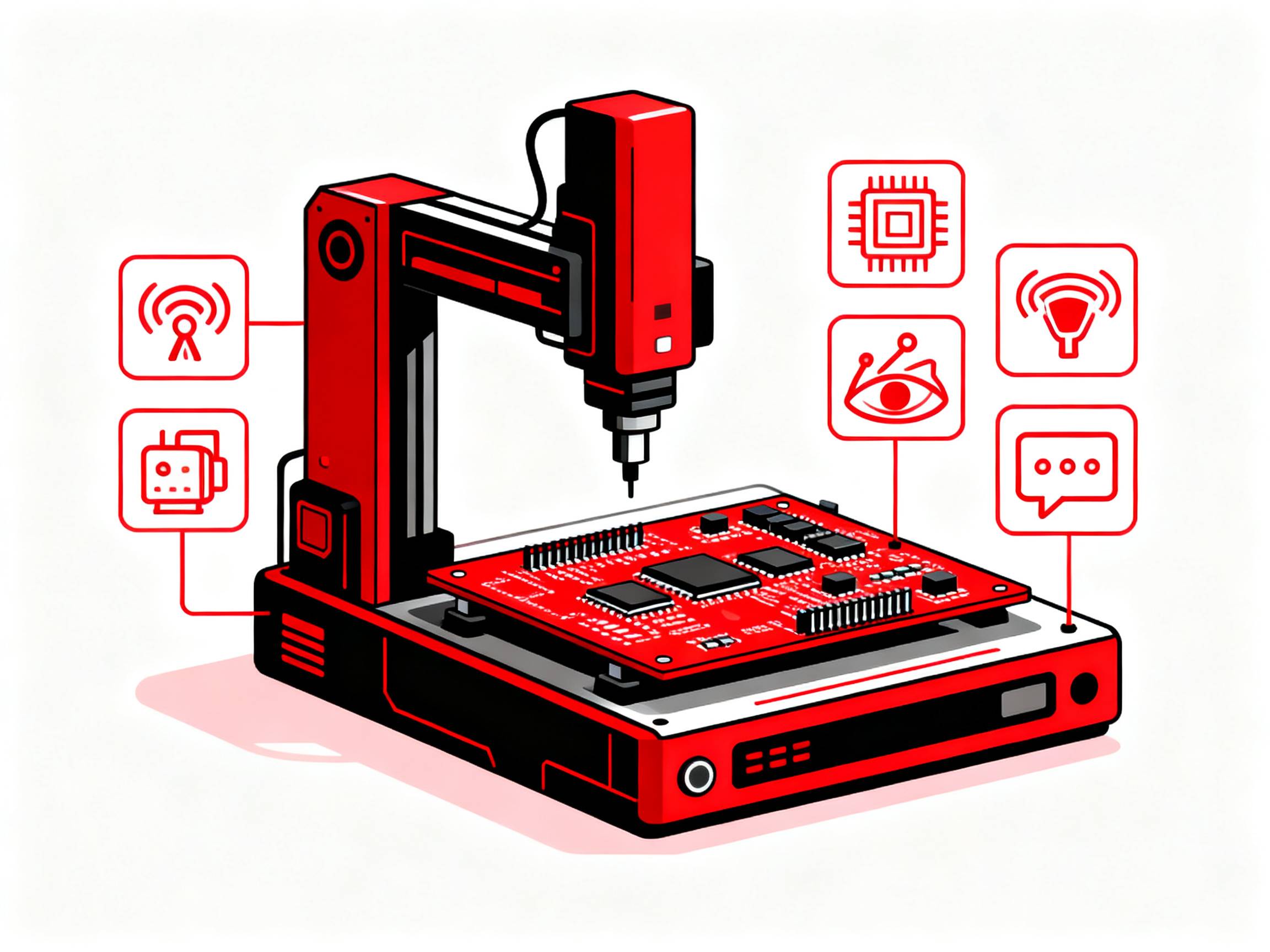
Also, pay attention to the level of automation. If you’re scaling your production, consider loaders with dual-mode features that combine loading and unloading functions in one machine. This not only improves efficiency but also cuts equipment costs significantly.
Budget and Return on Investment
Let’s talk money. Automatic PCB loaders aren’t cheap, but they pay off in the long run. Before buying, calculate the return on investment. Some manufacturers report cutting labor costs by up to 60%, which is huge if you’re looking to boost profitability. Machines with energy-saving modes or predictive maintenance features can also help save on operational costs.
A tip: Don’t just focus on the initial price. Think about what the machine brings to the table in terms of defect reduction, long-term efficiency, and scalability.
Pro Insight: When designing machines, pick ones that can adjust to varied PCB dimensions. It’s an upfront investment that saves on expensive retrofits down the line.
Compliance with Standards
Now, onto standards and compliance. For safety and reliability, look for machines with CE and ISO 9001 certifications. These ensure the equipment meets global manufacturing and environmental standards. Modern machines also comply with protocols like SMEMA for easier integration into SMT lines.
If you’re stepping into smart manufacturing, check for systems that support Hermes or IPC-CFX. These are becoming more common, enabling better communication between devices and streamlined operations.
Real-World Example
Take Shenzhen Chuxin Electronic Equipment Co., Ltd.’s loaders. They meet international certifications, integrate flawlessly with SMT lines, and offer advanced automation features. If you’re looking for reliable machines, established brands like this are a safe bet.
Considering these features will help you choose the right PCB loader machine for your operation. Next, we’ll explore how advancements like IoT are revolutionizing this tech.