



Veröffentlicht: 19 May 2026
Lesezeit: 9 minutes
Reviewer: [Placeholder Reviewer], SMT Technology Specialist with 12+ years of industry experience
Selective Soldering vs Wave Soldering: Key Differences, Benefits, and Choosing the Right Method
Soldering has always been the backbone of modern electronic assembly. And with high-density PCBs (printed circuit boards) packing in more components than ever, finding the right soldering technique is crucial. But here’s the thing: wave soldering and selective soldering each come with their own strengths. Are you using the right one for your project? Let’s dig in.
The author is an industry specialist with comprehensive knowledge in Surface Mount Technology and soldering methods, focusing on precision manufacturing solutions for high-density electronic assemblies.
Why Precision Soldering Matters
In 2026, electronic devices are smaller, smarter, and faster. High-density PCBs aren’t just about cramming more components in. They’re about making sure each solder joint is flawless. Why? Because one weak connection can take down an entire system, whether it’s a smartphone or a military-grade radar.
The challenges: With smaller components and stricter quality standards, manufacturers are constantly juggling:
- Precision: Ensuring every tiny part is soldered correctly
- Cost: Reducing waste in mass production
- Compliance: Meeting lead-free and environmental standards
Wave soldering and selective soldering help address these issues, but they each shine in different ways. Here’s the quick version:
- Wave soldering: Great for bulk jobs, especially through-hole components.
- Selective soldering: Perfect for precision jobs on dense PCB assemblies.
Stick around. We’ll break this all down further.
Understanding Wave Soldering
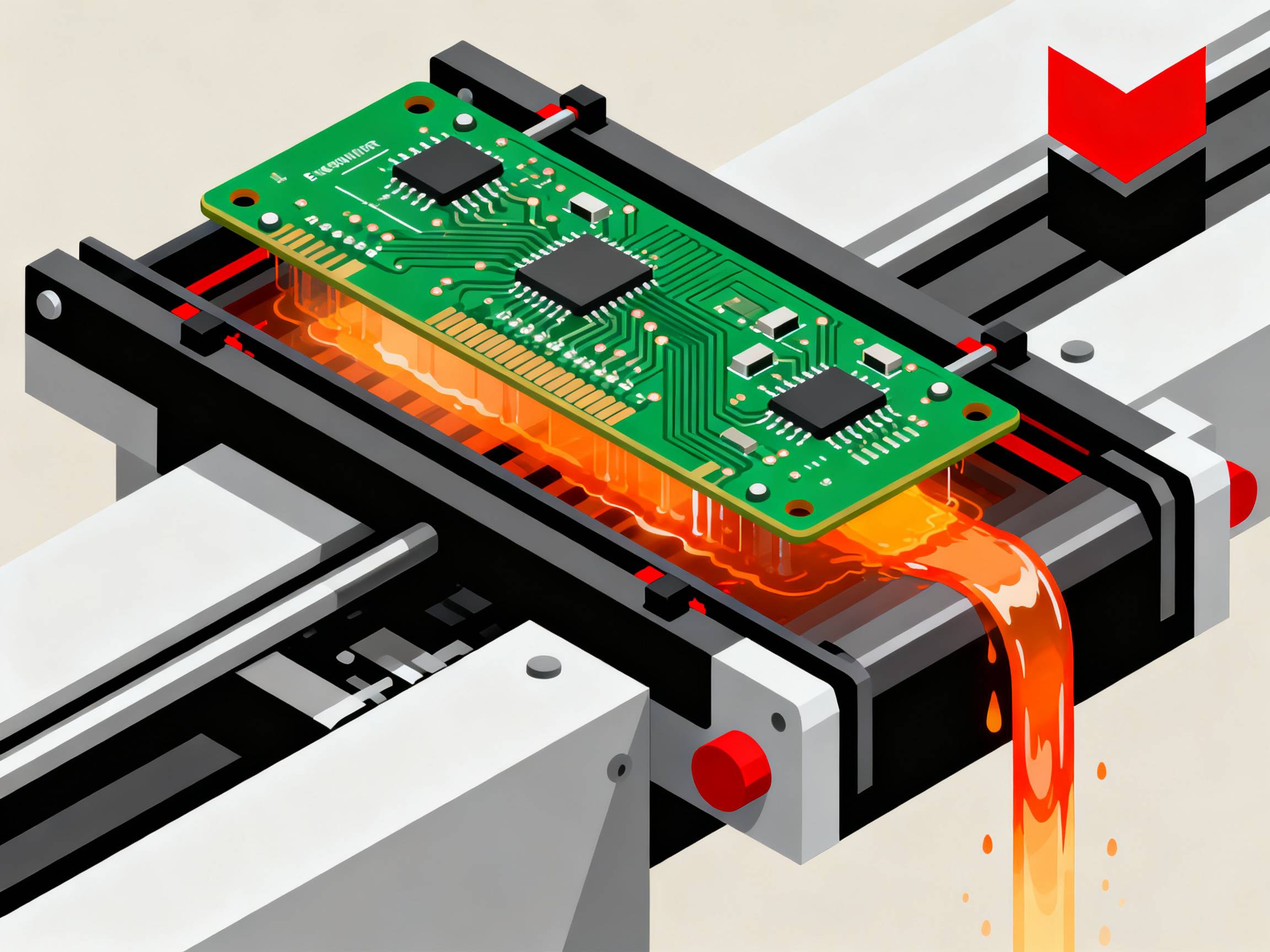
Wave soldering is one of the oldest bulk soldering techniques and is still widely used in 2026 for large-scale electronic assembly. Originally developed to handle through-hole technology, this method works by passing an entire circuit board over a wave of molten solder. The process solders all exposed metal surfaces on the bottom of the board at once, making it especially fast and effective for certain applications.
The Wave Soldering Process
Here’s a quick breakdown of how it works:
- Flussmittel Anwendung: A flux layer is first applied to clean and prepare the PCB for soldering.
- Vorheizen: Next, the board is preheated to minimize thermal shock.
- Lötwellenkontakt: The PCB is passed over a wave of molten solder. This “wave” attaches the solder to every exposed contact.
- Kühlung: Finally, the board moves into the cooling stage, where the solder solidifies, locking everything in place.
Key Applications of Wave Soldering
Wave soldering thrives in setups needing high output and uniformity. Here are some of its most common use cases:
- Consumer Electronics: Think TVs, kitchen appliances, or remote controls where quick, affordable assembly is key.
- Automotive Electronics: Control modules and dashboard components benefit from the method’s speed and efficiency.
- Large-Scale PCBs: Boards with mainly through-hole components gain the most from this batch soldering technique.
The Drawbacks
But wave soldering is not perfect. It’s less effective for tiny or heat-sensitive surface-mount technology (SMT) parts, and issues like solder bridges can occur when handling tight pitches or densely packed boards. For these more intricate assemblies, selective soldering is a better fit.
Understanding Selective Soldering
Selective soldering is like the laser surgery of soldering, designed for precision. Unlike wave soldering, which blankets an entire board with solder, selective soldering focuses on individual joints. This makes it ideal for high-density PCBs requiring tight, reliable connections without risking damage to nearby components.
The Selective Soldering Process
Here’s how it’s done:
- Flussmittel Anwendung: Flux is sprayed only on the target areas, keeping the rest of the board untouched.
- Vorheizen: The board is gently preheated to ensure solder flows smoothly and evenly.
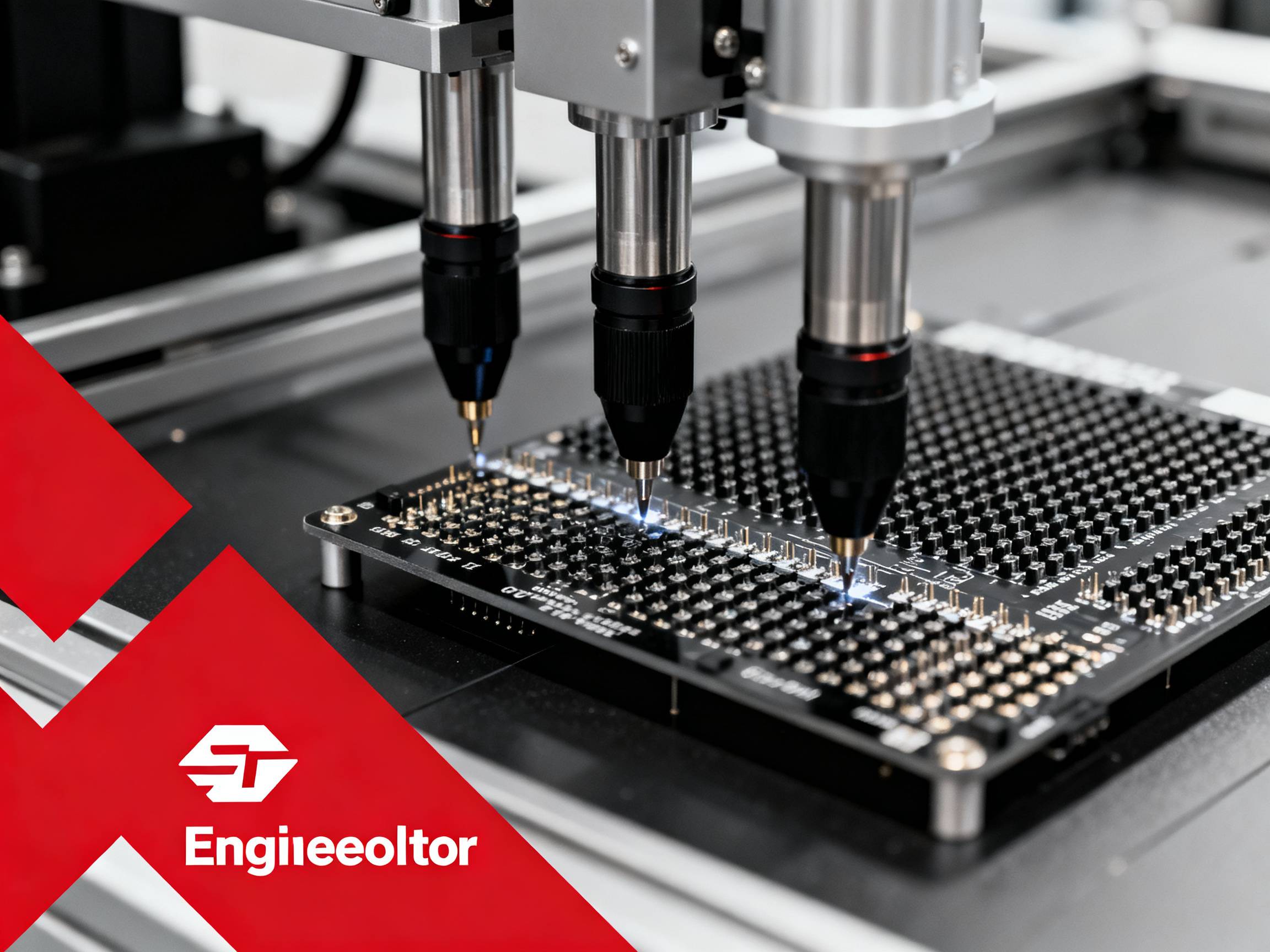
- Precision Soldering: Using robotic nozzles, molten solder is applied to specific joints. This removes the risk of bridging and overheating other components.
Where Selective Soldering Shines
Selective soldering is a must-have for industries with complex and delicate assemblies, like:
- Telecommunications and Aerospace: High-reliability, lead-free PCBs with strict tolerances.
- Medical Devices: Precision soldering for sensitive components in compact spaces.
- High-Density PCBs: Ideal for BGAs, QFNs, and other fine-pitch components.
It’s especially useful for PCBs mixing through-hole and SMT parts in tight quarters.
Drawbacks to Watch For
While accurate, selective soldering can be slower compared to wave soldering. This is due to its detailed, joint-by-joint approach. Plus, the setup and programming of robotic equipment can increase initial costs. But for assemblies prioritizing quality over speed, it’s worth every penny.
Expert Tip: Avoid rushing the robot programming step. Missteps here can lead to poorly soldered joints or unnecessary rework down the line.
Next, let’s compare these two techniques side-by-side to understand their unique advantages.