



Advantages and Disadvantages of Selective Wave Soldering
Selective wave soldering offers precise, reliable joints and less waste, but requires higher initial investment and careful setup.
Selective wave soldering offers precise, reliable joints and less waste, but requires higher initial investment and careful setup.
Selective wave soldering uses precise solder waves to join specific PCB areas, offering accuracy, reduced defects, and protection for sensitive components.
Verbessern Sie die Leistung von Selektiv-Wellenlötdüsen mit Tipps zu Düsenauswahl, Prozesseinstellungen und Wartung für höhere Qualität und weniger Fehler.
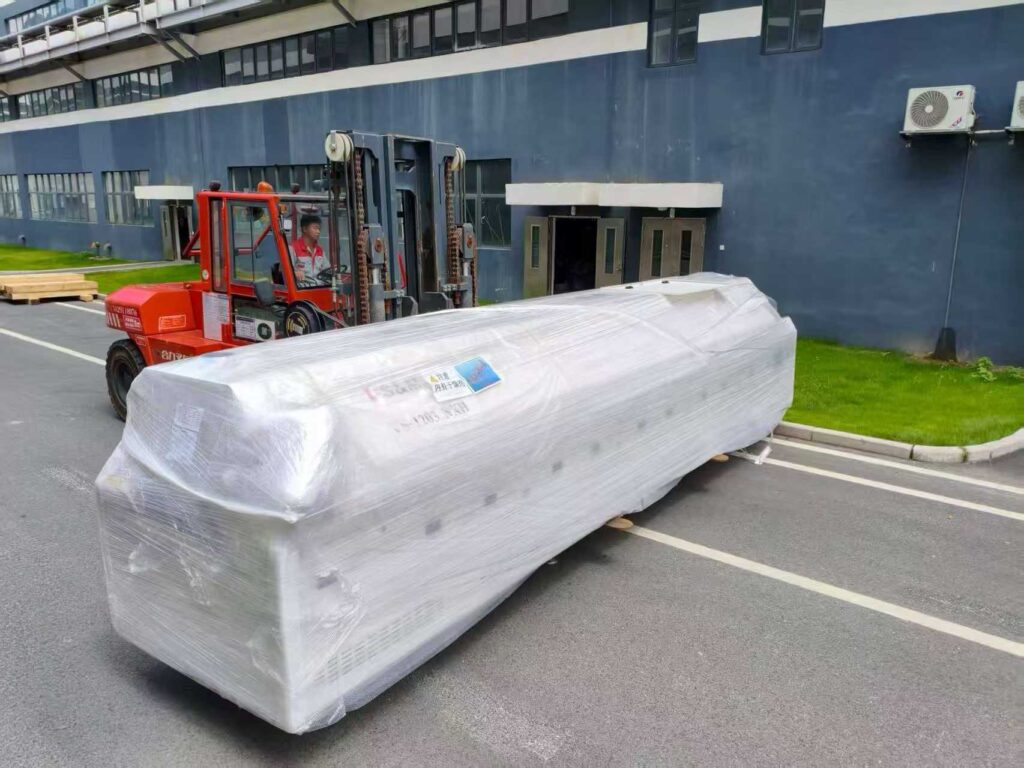
Reflow einer Leiterplatte in einem Ofen mit schrittweiser Anleitung zur Einrichtung, Temperaturkontrolle und Sicherheit für starke, zuverlässige Lötverbindungen.
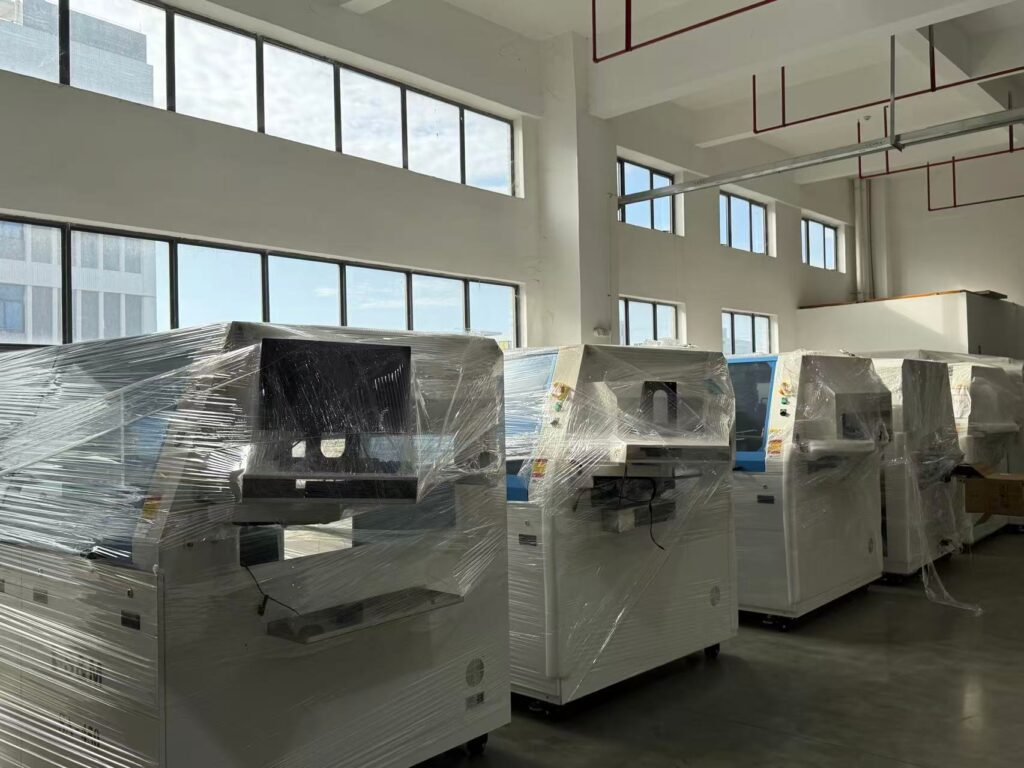
Reduce solder bridging in wave soldering by optimizing PCB design, process control, flux type, and equipment maintenance for reliable results.
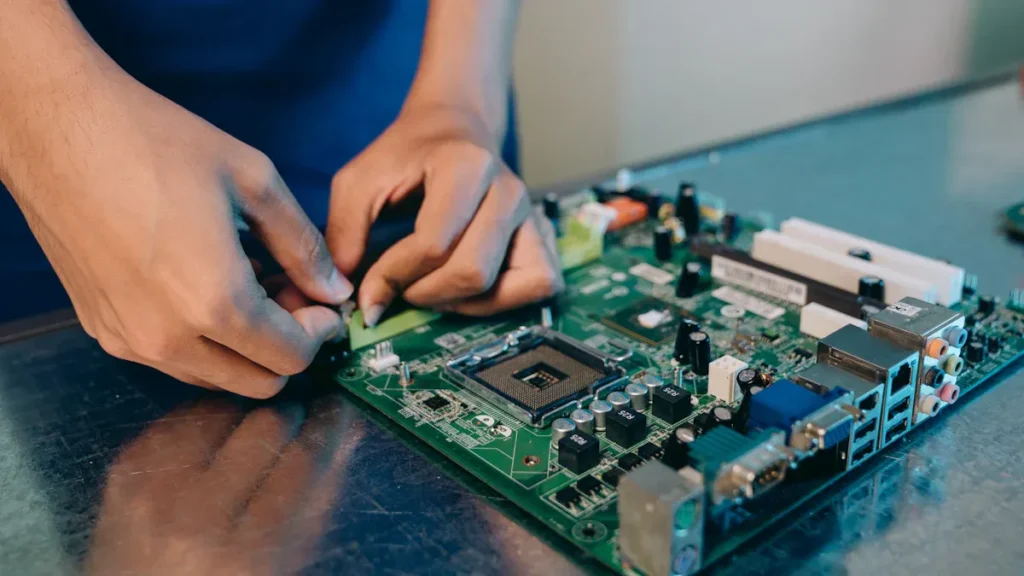
Daily Maintenance for reflow ovens includes cleaning surfaces, checking conveyors, and inspecting exhausts to ensure optimal performance and product quality.
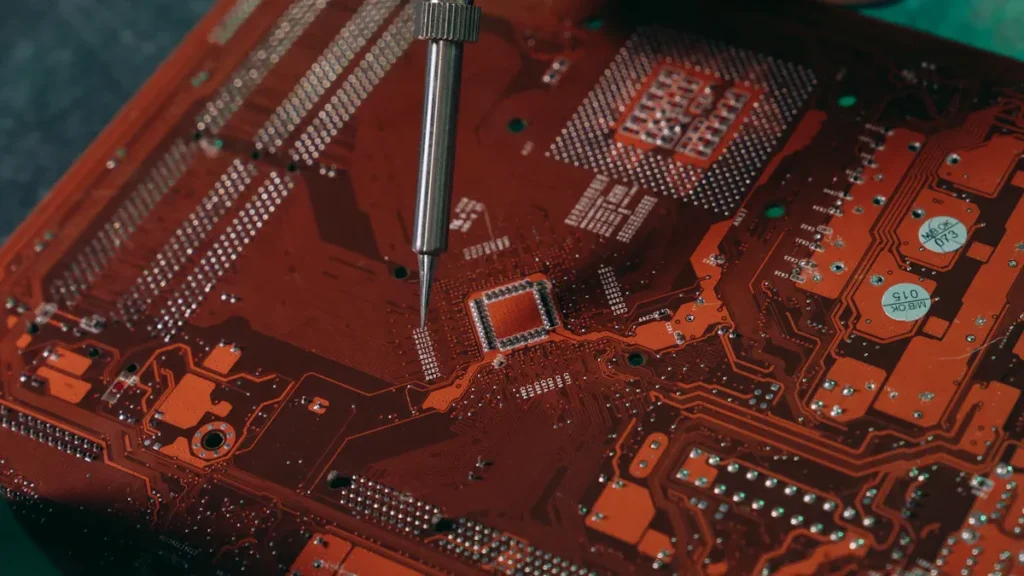
Reflow oven temperature profiling prevents soldering defects, improves PCB reliability, and ensures optimal solder joint quality.
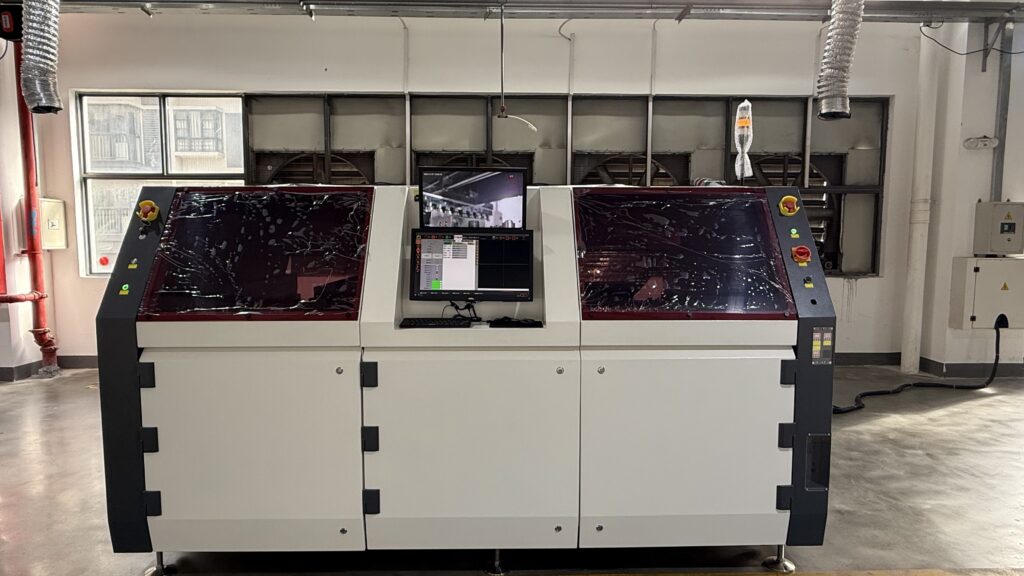
Programming and debugging in selective soldering ensures fewer defects, reliable joints, and efficient production by optimizing machine setup and process control.
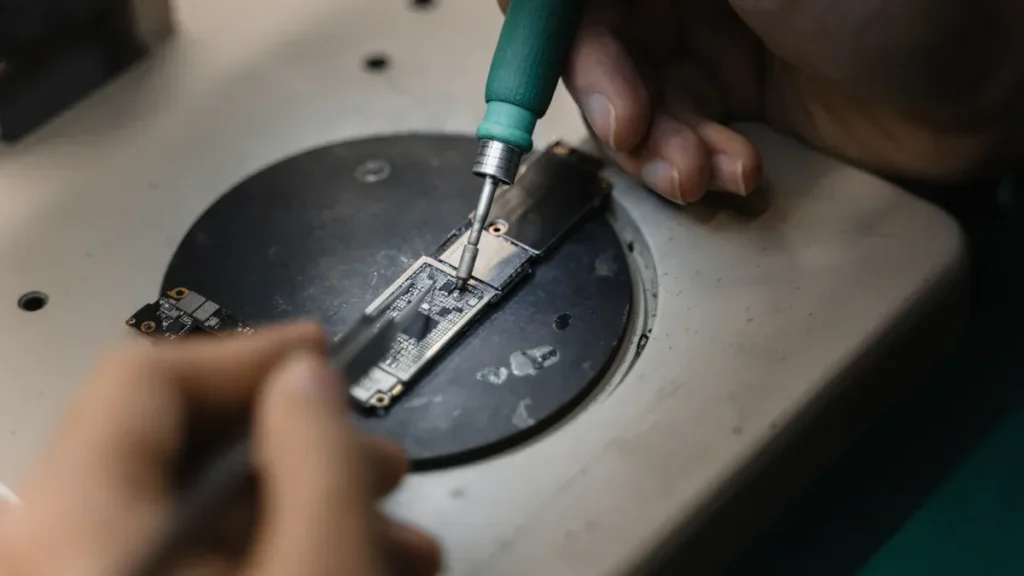
Adjust solder wave height by setting pump speed and keeping wave height below 50% of PCB thickness for reliable solder joints and fewer defects.

Compare Wave Soldering and Selective Soldering for PCB assembly. Find out which method suits your board’s complexity, production volume, and quality needs.