



What is SMT Assembly Line?
An SMT assembly line is where Surface Mount Technology (SMT) comes to life. These production lines are built to attach electronic components directly to a printed circuit board (PCB). You’ve seen those tiny chips and connectors inside phones and computers—these assembly lines make all that happen.
How Does It Work?
First, SMT eliminates the need for drilling holes like traditional methods do. Components are placed on the board’s surface, held with solder paste, and fixed using reflow soldering. This process saves time and allows for smaller components. From there, the boards move on to inspection and testing steps to catch errors before shipping.
What’s Different from Other Lines?
Unlike through-hole soldering, which is slower and more manual, SMT assembly lines are fast and automated. They’re great for high-volume production, making them perfect for industries like telecom equipment and consumer electronics.
Workflow Overview
- Solder Paste Application: A stencil spreads paste on the board.
- Pick-and-Place Machines: Robots place components where they belong.
- Reflow Soldering: Heat melts the solder, securing components.
- Inspection and Testing: Cameras and tools catch defects, ensuring quality.
Efficiency and defect reduction are big perks of SMT lines, making them a go-to for modern electronics manufacturing.
Expert Tip: Reducing defect rates is possible by optimizing soldering processes. This includes perfecting reflow profiles and calibrating pick-and-place machines to ensure precision.
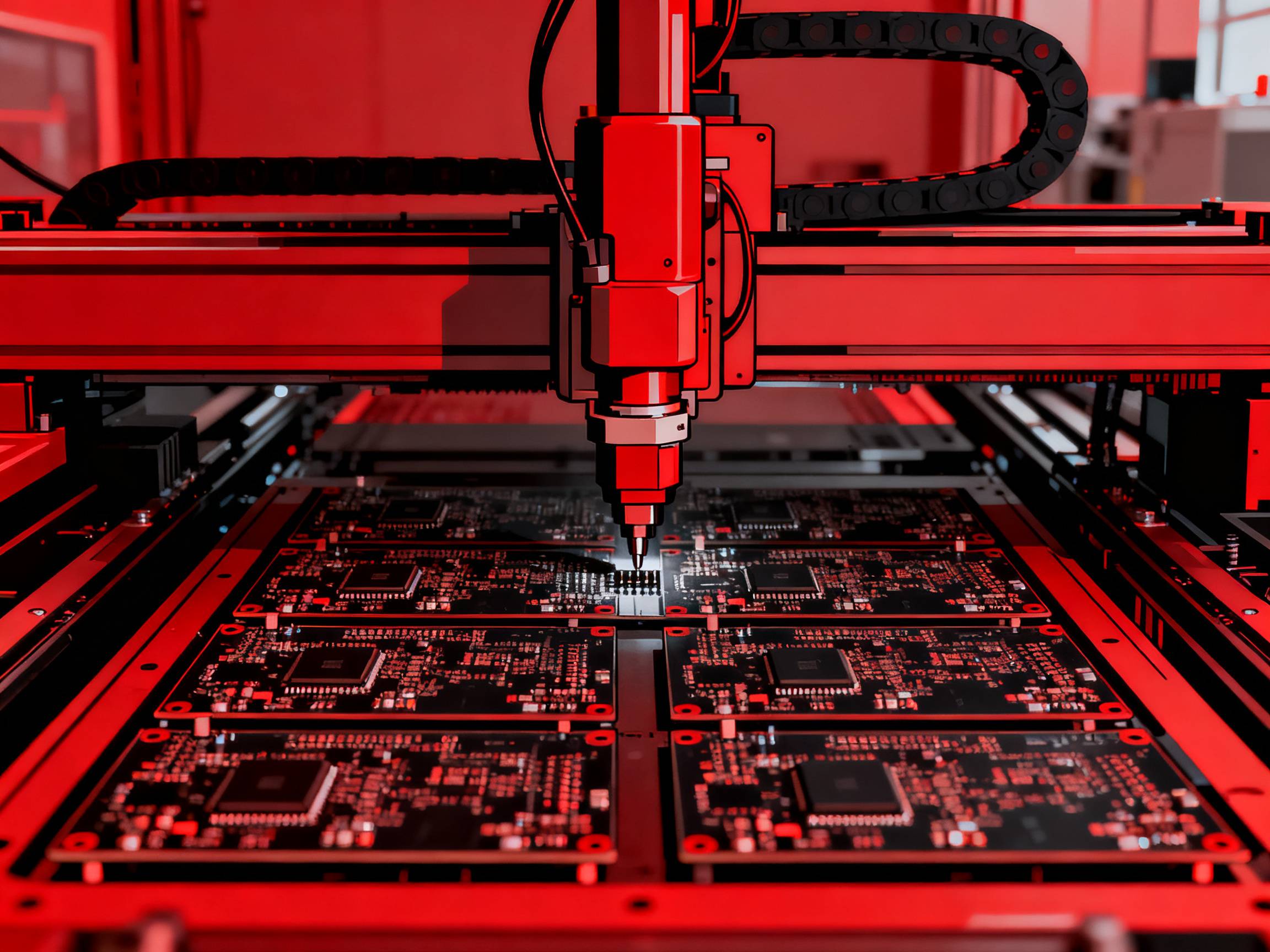
Efficient Layout Designs and Downtime Management in SMT Assembly Lines
Setting up an SMT assembly line takes more than just seeing where machines will fit. A well-thought-out layout can mean the difference between a smooth operation and constant headaches.
Layout Designs for Maximum Efficiency
- Straight-Line Flow: Make the process as straightforward as possible with no back-and-forth movement. Each step should logically follow the next.
- Dedicated Work Zones: Separate zones for paste printing, pick-and-place, reflow soldering, and inspection improve speed and organization.
- Flexible Machine Placement: Think ahead! Setting machines on adjustable platforms allows your line to adapt when you need upgrades in the future.
- Proper Spacing: Crowded machines can cause overheating and maintenance issues, so leave enough room for operators and airflow.
Pro Insight: Many manufacturers in 2026 are embracing modular SMT lines. These can be upgraded piece by piece, which is easier and cheaper than rebuilding the entire line.
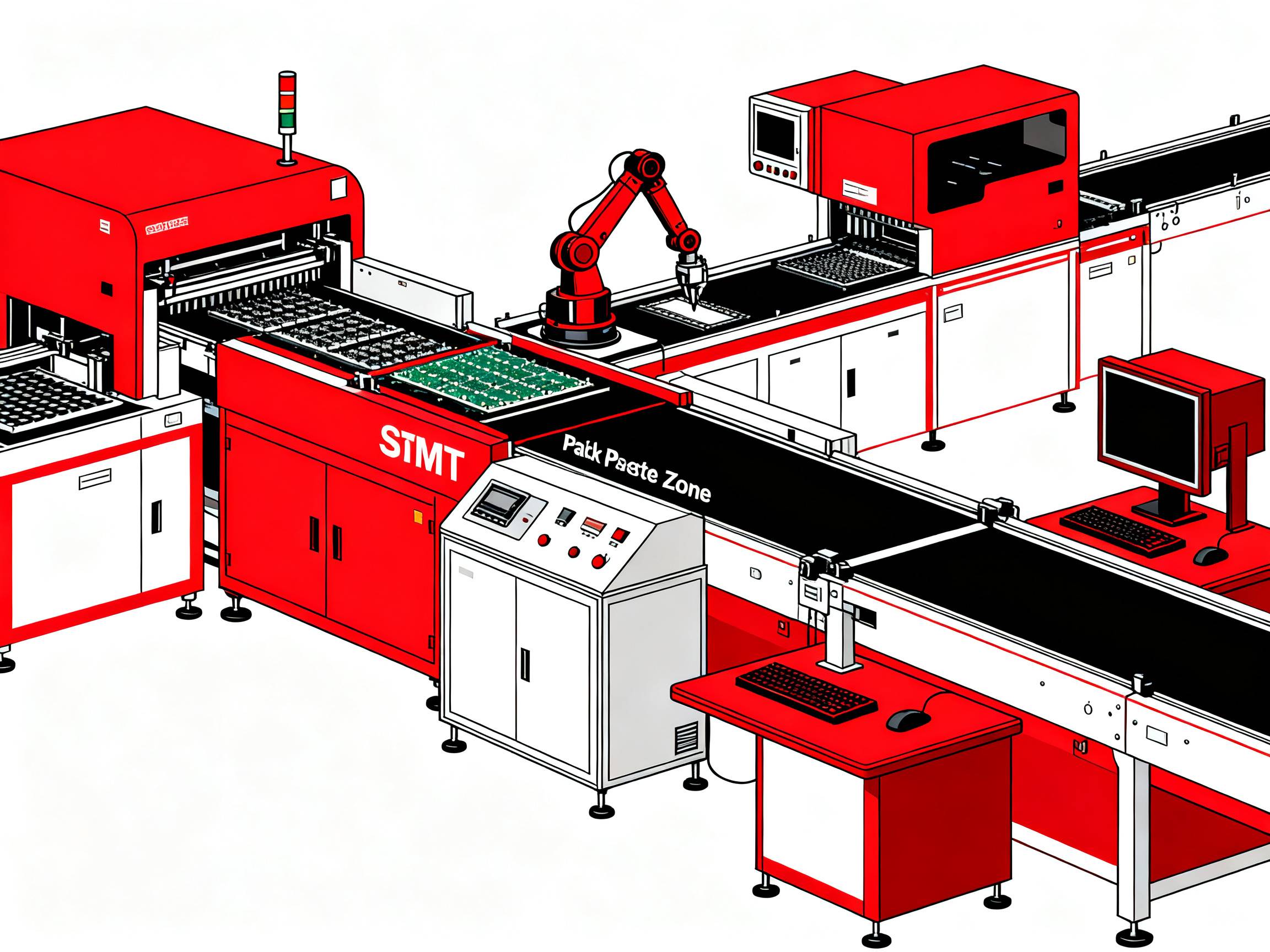
Managing Downtime
Nothing kills efficiency like downtime. Even a small delay can disrupt production timelines in high-volume industries.
- Preventive Maintenance: Regularly clean and inspect machines, especially soldering equipment and pick-and-place machines.
- Real-Time Monitoring: Use IoT sensors for early warnings about potential issues.
- Redundant Systems: For critical machines, consider backups to keep production going if one fails.
- Staff Training: Operators who know machine basics can help troubleshoot problems quickly.
Expert Tip: Don’t underestimate the value of predictive maintenance! Updating reflow oven profiles based on heat data helps prevent soldering defects and machine failures.
Achieving Precision in Soldering
Modern assembly lines thrive on precision, and soldering is where problems often appear. The goal? Fewer defects and better assemblies.
- Calibration is Key: Make sure pick-and-place machines and reflow ovens are calibrated to spec. Even a slight error in placement can cause soldering issues.
- Quality Solder Paste: Low-quality paste can result in weak joints and more rework.
- Temperature Profiles: Create specific reflow temperature curves depending on your components. Adjust for lighter or temperature-sensitive materials.
And let’s not forget about automation. Solder robots and real-time inspection tools are transforming production lines by detecting and correcting smaller issues before they escalate. That’s a game-changer for industries like electronics and automotive production.
—> Veröffentlicht: 18 May 2026
Lesezeit: 10 minutes
Reviewer: Jace Liu, Expert in SMT and PCB Manufacturing Processes
Overcoming Defects, Scalability, and Environmental Constraints in SMT Lines
Defects, scalability, and environmental standards are tough challenges for SMT assembly lines. Here’s how manufacturers today are tackling them.
Fighting Defects Like Misalignment or Poor Solder Joints
Problems like soldering errors can spell disaster for high-volume production. Here’s how experts mitigate defects:
- Perfect Profiles: From reflow ovens to stencil alignment, keeping precise equipment profiles lowers tombstoning and bridging defects.
- Invest in Quality Paste: Cheap paste is bad news. High-quality alternatives boost joint reliability and reduce repair time.
- Inspection Systems: Use automated optical inspection (AOI) to find errors instantly. Real-time adjustments help avoid costly rework.
And one more trick—active cooling. Some lines chill the board after soldering to minimize stress on the board and components.
Tackling Scalability Challenges
Growing manufacturing demands, especially for industries using SMT assembly, can strain capabilities. Companies managing scalability focus on:
- Flexible Layouts: Modular floor plans help scale production without excessive downtime.
- Advanced Equipment: Machines with adaptive features (like feeder adjustments) simplify big transitions.
- Data Integration: SMT lines powered by IoT predict bottlenecks faster and streamline additions. Sensors play a big role here.
Pro Insight: Never underestimate the power of modular upgrades when preparing for high-volume demand. Flexibility is huge in 2026’s fast-paced electronics world.
Staying Environmentally Compliant
Lead-free solder is standard in 2026, but that doesn’t mean it’s without issues. Manufacturers stay compliant with strategies like:
- Temperature Management: Lead-free alloys call for higher melting points, so ovens require frequent recalibrations.
- Full Materials Audit: Keeping track of compatible components avoids nasty surprises during compliance checks.
- Separate Workflows: Many facilities dedicate machines exclusively to lead-free assembly to prevent cross-contamination.
Plus, some SMT machines offer an eco-friendly edge by reducing power consumption while maintaining efficiency.
From Our Experience: Adopting energy-efficient soldering tools shows a commitment not just to production—it’s also about reducing global footprints with smart tech.
Defects, growth pains, and strict regulations seem overwhelming at first, right? They’re all manageable with robust solutions, smart planning, and ongoing training.
How AI and Automation Enhance SMT Assembly Lines
Automation, especially driven by AI, is transforming SMT assembly lines. It’s not just about speed anymore; it’s about smarter processes that make factories more flexible, efficient, and scalable.
Smarter Defect Control with AI
AI-powered systems help identify defects. They analyze visual data from solder joints, component placement, and reflow patterns to spot issues instantly. This reduces rework (and saves money), but also improves product reliability.
- AI-driven quality checks: Real-time defect analysis cuts inspection and decision time.
- Teaching machines what to look for: AI adapts based on production history, preventing repeated errors.
For instance, Shenzhen Chuxin Electronic Equipment Co., Ltd. uses reflow ovens compatible with soldering AI. These ovens flag temperature inconsistencies while keeping boards lead-free.
Benefits of Automation for Routine Tasks
Instead of needing human oversight, automated SMT equipment handles repetitive jobs with precision. Pick-and-place robots, IoT sensors, and inspection tools take over jobs that used to require manual labor.
- Labor cost savings: Operators focus on skilled problem-solving, not simple tasks.
- Higher scalability: Automated layouts simplify expansion for high-demand projects.
Shenzhen Chuxin also offers modular equipment that expands with quick upgrades; this is handy for companies scaling up production in 2026.
Predictive Maintenance and Efficiency Boosts
You know how downtime can ruin everything in an assembly line. AI systems prevent problems by predicting failures before equipment stops working completely. The result? More uptime and less frustration.
Plus, automated monitoring uses live data. If temperature spikes or alignment shifts, managers get alerts in real-time. This minimizes human delays and keeps things moving smoothly.
Expert Tip: Combining AI with automation doesn’t just improve assembly lines—it redefines them. Use smart data tools to analyze patterns, minimize defects, and optimize workflows across the line.