



Understanding How SMT Reflow Ovens Work
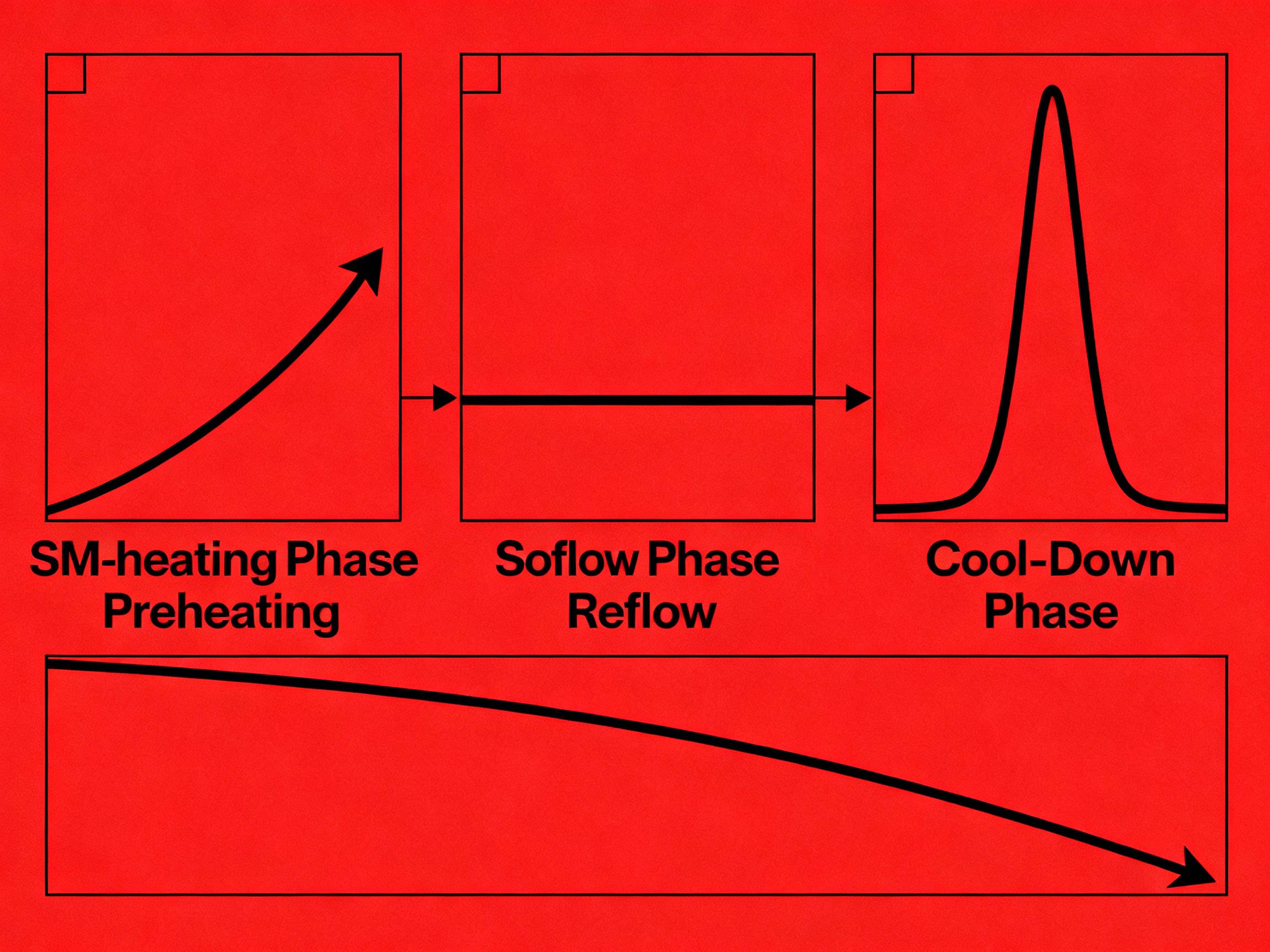
If you’re new to it, a reflow oven might sound like just another piece of high-tech hardware. But honestly, it’s pretty straightforward once you break it down. SMT reflow ovens are used to precisely heat solder paste so components bond securely to PCBs. The process happens in stages, including preheating, soaking, and reflow zones, and ends with a cool-down phase to solidify that connection. By controlling these phases, manufacturers achieve consistent and reliable results without damaging the components.
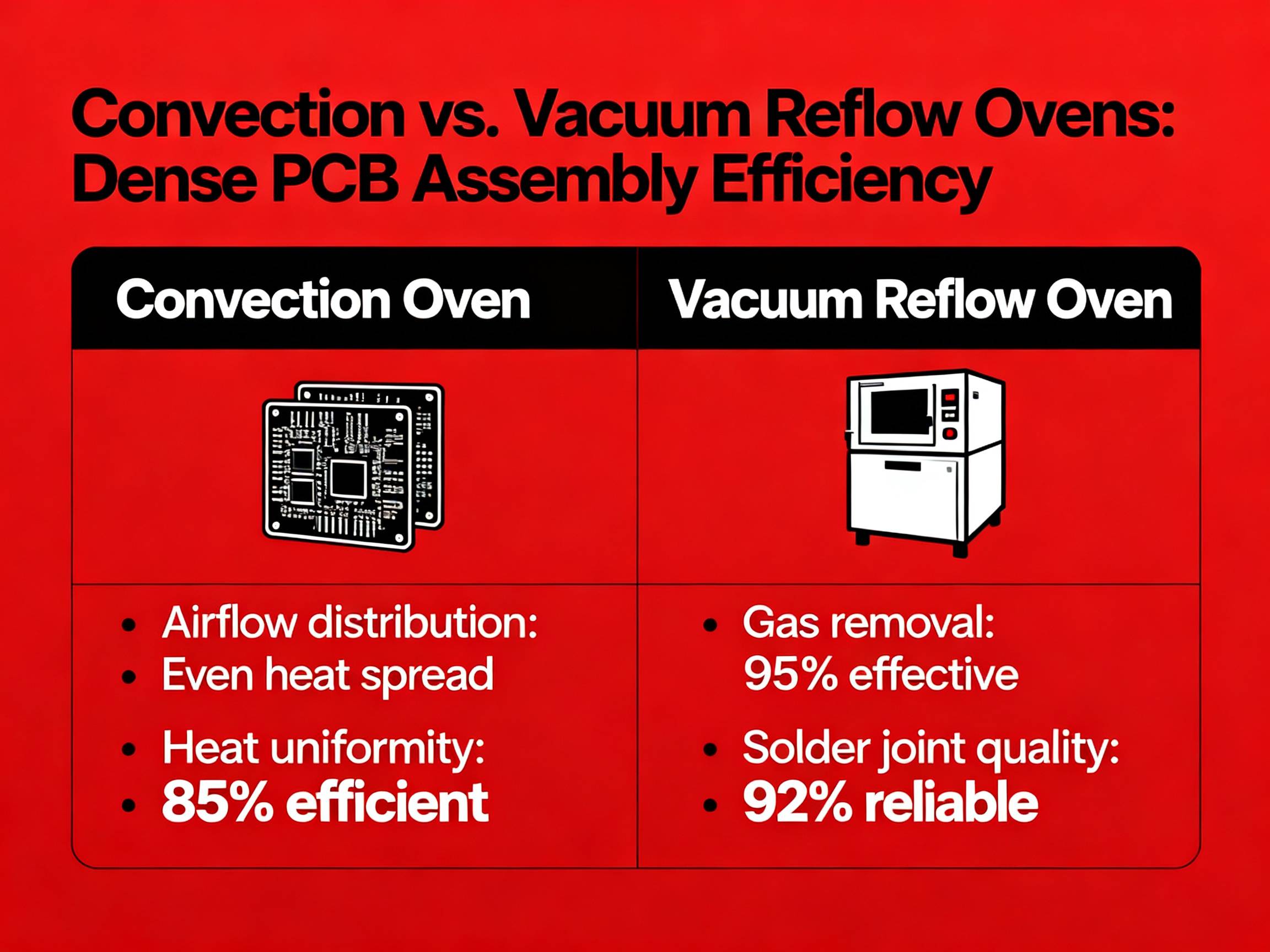
There are different types of reflow ovens, each catering to specific needs like high volume or unique soldering requirements. For instance, convection ovens and vacuum reflow ovens are widely used for their efficiency in removing voids and ensuring precise soldering on boards with dense assemblies.
Expert Tip: When comparing types, pay close attention to the differences in thermal profiling capabilities. This helps maximize efficiency while minimizing defects during production.
Why does this matter? In 2026, electronics are more compact and more complex than ever. Manufacturers need tools that handle everything from tiny IoT modules to high-density semiconductors without skipping a beat. Plus, many industry tools now need to meet lead-free soldering standards to comply with environmental laws globally.
Key Features to Prioritize in SMT Reflow Ovens
When it comes to choosing the right SMT reflow oven, it’s not just about price or popularity. A few critical features can make or break your production line’s performance. Let’s break down what matters most, especially in 2026 when manufacturing demands are as challenging as ever.
1. Thermal Profiling Capabilities
The backbone of any reflow oven is its ability to maintain consistent thermal profiling across all zones. This determines whether your solder connections will hold up under pressure. Modern ovens now offer dynamic adjustment features, which help improve yields even when dealing with mixed component assemblies.
2. Energy Efficiency and Sustainability
Energy-efficient models have become crucial for keeping operating costs in check, given rising utility prices and global ESG goals. Reflow ovens designed for low power consumption and minimal emissions not only save on costs but also align with green manufacturing standards like RoHS and REACH compliance.
3. Support for Lead-Free Soldering
With environmental laws worldwide mandating lead-free processes, ovens with precise control over higher temperatures are a must-have for PCB assembly. This ensures components stay intact during the process without quality loss.
4. Advanced Control Systems
Ovens integrated with smart sensors, IoT connectivity, and machine learning offer better real-time adjustments and monitoring. Some manufacturers even provide predictive maintenance alerts, enabling you to avoid unexpected downtime.
5. Flexibility for High-Mix, Low-Volume Production
If your operation deals with varying product types, select a reflow oven that adjusts easily to different board sizes, layer counts, and materials. Features like flexible conveyor widths and programmable recipes can make life significantly easier for operators.
Expert Insight: Compatibility with lead-free soldering isn’t just about meeting regulations; it also impacts long-term reliability for high-stress applications like automotive and aerospace electronics.
By keeping these features in mind, you can better align your equipment choices with your production goals in 2026 and beyond. SMT reflow ovens are foundational tools, and ensuring they match the complexity of your products (like high-density IoT boards or 5G modules) just makes sense.
Key Certifications and Standards for SMT Reflow Ovens
When you’re investing in SMT reflow ovens, certifications and standards need to be a top priority. These certifications aren’t just labels; they ensure safety, quality, and compliance with global regulations. Let’s break down the key ones you should know about in 2026.
1. CE Marking for Safety and Compliance
This is required for any equipment sold in the European Economic Area. A CE mark means the reflow oven meets EU directives for safety, health, and environmental standards. For manufacturers, this isn’t just a nice-to-have. It’s essential if you want to sell globally while avoiding legal headaches.
2. RoHS Certification
RoHS (Restriction of Hazardous Substances) isn’t just about reducing hazardous materials; it’s about supporting sustainable manufacturing practices too. In 2026, many major industries, like automotive and consumer electronics, require components made within RoHS guidelines.
3. IPC Standards for Quality Assembly
The IPC represents international standards for PCB assembly, covering everything from material specifications to soldering and inspection techniques. Standards like IPC-610 are considered the gold standard for ensuring reliable results in today’s fast-paced manufacturing environments.
Pro Insight: Wondering how SMT equipment stays globally compliant? Always check for certifications like CE, RoHS, and IPC in the specs sheet. It’s a quick way to avoid incompatible or subpar options.
4. Emerging Standards to Watch
Regulations evolve quickly. In 2026, new sustainability-focused standards are gaining traction, tied to energy footprints and electronic recycling. Forward-thinking manufacturers are already adapting as customers demand greener processes. Staying updated ensures you’re ready for the next wave of technical requirements.
Making sure your equipment complies with these certifications is more than checking a box. It sets a foundation for reliable and scalable production. And honestly? It’s where well-informed decisions can save you from hefty fines or downtime later on.
Tips on Choosing the Right SMT Reflow Oven for Your Manufacturing Needs
Picking the right reflow oven isn’t just about finding one that fits your budget; it’s about solving your factory’s unique challenges. So, how do you make sure you’re choosing the best SMT reflow oven for your production line? Here are the key things to keep in mind.
1. Evaluate Production Volume Requirements
Your production volume is one of the biggest factors to consider. If you’re handling high-density boards at scale, invest in an oven with advanced thermal profiling and conveyor systems that can handle the load. On the other hand, small-scale production setups might benefit from compact ovens designed for precise, low-volume work. Think about whether your manufacturing needs are consistent or vary seasonally.
2. Prioritize Support Services and Warranties
A shiny new oven is great, but what happens if something goes wrong? Manufacturers offering strong warranties and dedicated support services can save you major headaches. Look for brands with easily accessible local service teams or quick parts replacement guarantees. This matters more than you think, especially when working with time-sensitive projects.
3. Consider Factors for Long-Term Scalability and ROI
Reflow ovens are a big investment, and they need to pay off in the long run. Instead of just focusing on the immediate cost, consider features that can grow with your business. For example, ovens that support diverse soldering techniques or adapt easily to new materials give you flexibility for future market shifts. Plus, tracking energy efficiency can help lower operating costs over time, boosting ROI.
From Our Experience: The lifecycle of SMT equipment isn’t just about the upfront features—it’s also tied to customer support and long-term reliability. Be sure to ask for case studies of manufacturers serving sectors similar to yours.
Finding the right oven means matching your operational goals with equipment that supports efficiency, scalability, and compliance. Whether you’re just starting out, building prototypes, or producing at massive scale, the options in 2026 are excitingly diverse. Use these tips to focus on what really matters for your bottom line.
Wrapping Up: Making an Informed Choice in 2026
Selecting the right SMT reflow oven can feel overwhelming with so many options on the market. But the good news? When you focus on key factors—such as thermal profiling capabilities, energy efficiency, and lead-free soldering compatibility—you’re already ahead of the curve. Don’t just chase the buzzwords. Look for ovens that fit your unique production needs while also considering scalability and long-term ROI.
Certifications, like CE, RoHS, and IPC, are non-negotiable for ensuring safety and compliance. In fact, skipping this step could lead to costly mistakes down the road. Staying updated on evolving standards also keeps you in line with emerging customer demands for greener processes.
And let’s not forget about the manufacturer’s track record. Research who stands behind the equipment. Companies like S&M Co. Ltd., with their expertise in high-density SMT solutions, demonstrate how reliability and innovation go hand in hand. Plus, customer support and warranties are just as important as the oven’s technological features. These elements safeguard your investment and keep your production running smoothly.
In the end, the “best” SMT reflow oven is the one that aligns with your goals. Whether you’re building prototypes for smart devices or scaling for high-volume automotive applications, investing in the right tools pays off in precision, reliability, and customer satisfaction.
Pro Insight: As one industry veteran puts it, “The real win comes when your equipment isn’t just solving today’s problems, but also preparing you for the challenges of tomorrow.”
By prioritizing the right mix of features, certifications, and manufacturer support, you’ll be well-positioned to excel in 2026’s competitive manufacturing landscape.