


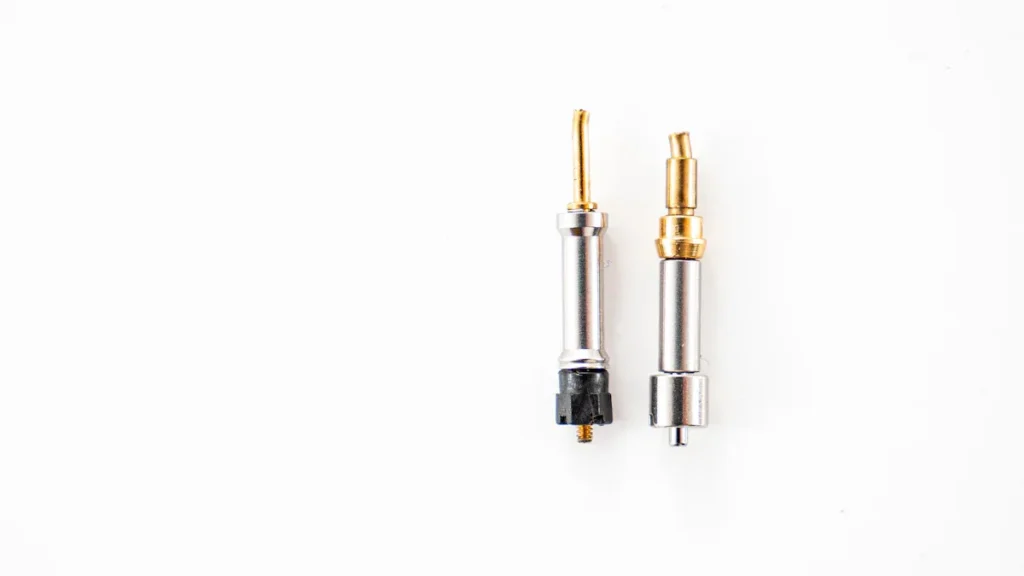
How to Maintain Selective Soldering Nozzles
Maintain Selective Wave Soldering nozzles by cleaning, inspecting, and re-tinning regularly to ensure reliable solder joints and reduce downtime.
Maintain Selective Wave Soldering nozzles by cleaning, inspecting, and re-tinning regularly to ensure reliable solder joints and reduce downtime.
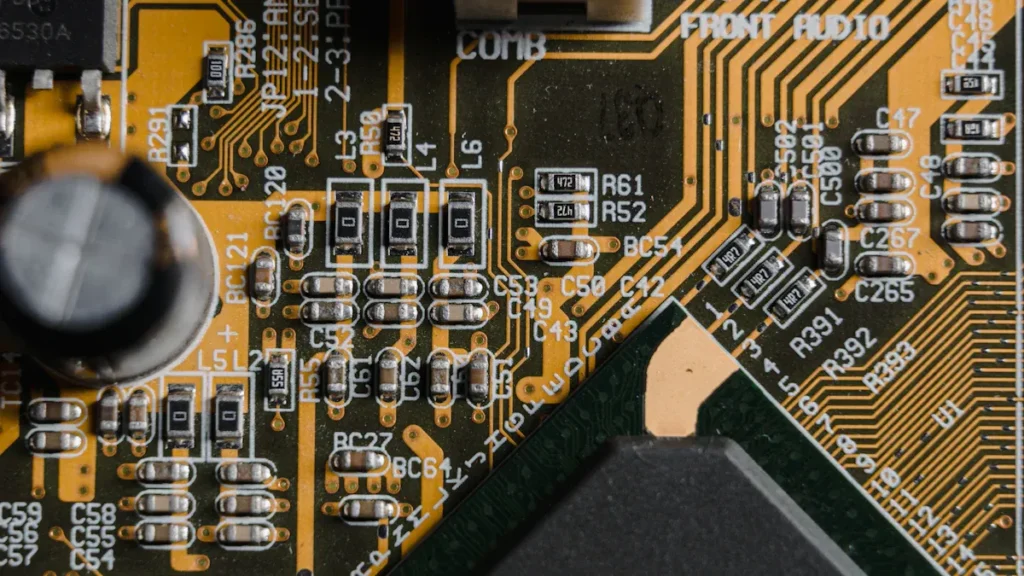
Consejos de configuración del proceso de soldadura por ola y soluciones para los defectos más comunes. Ajuste los parámetros, reduzca los puentes y mejore la calidad del ensamblaje de PCB con métodos probados.

Wave soldering offers high-speed, consistent, and cost-effective assembly, making it ideal for mass production of reliable through-hole electronic PCBs.

SMT reflow soldering uses solder paste for surface-mount parts, while wave soldering suits through-hole components. Compare methods for PCB assembly.

La optimización de los sistemas de refrigeración de la soldadura por reflujo garantiza uniones de soldadura fuertes, evita defectos y aumenta la fiabilidad de las placas de circuito impreso con métodos de refrigeración controlados.

Identify common Reflow Soldering failures like tombstoning and solder bridging, plus troubleshooting tips to improve PCB quality and reduce defects.

Development history of reflow ovens highlights key innovations, energy efficiency, and future trends shaping electronics manufacturing.

Nitrogen usage in reflow ovens typically ranges from 18–30 m³/hr, maintaining low oxygen levels to reduce oxidation and improve solder joint quality.

Wave soldering suits high-volume through-hole boards, while reflow excels with complex, high-density SMT designs. Choose based on your production needs.
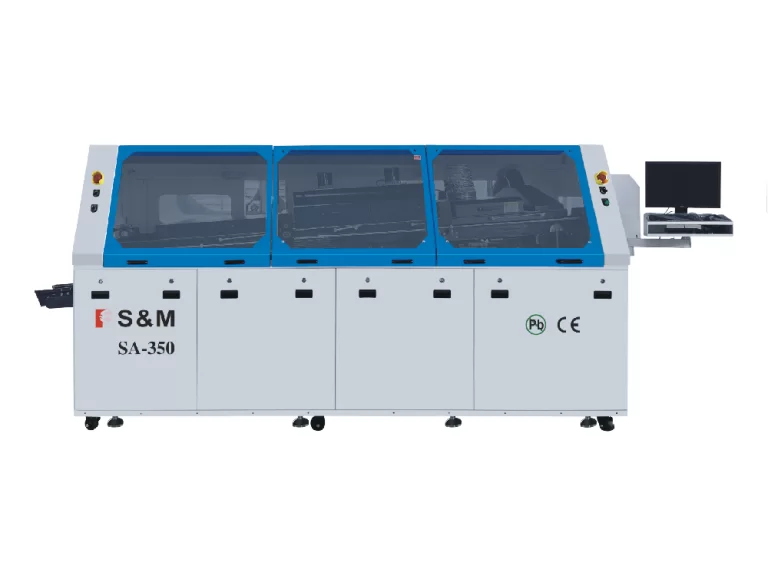
Select the ideal wave soldering machine by evaluating PCB size, production volume, component types, and automation needs for your assembly line.