



Publicado: 19 May 2026
Tiempo de lectura: 8 minutes
Reviewer: Simon Scrapes, Founder
What is a Reflow Machine? A Comprehensive Guide to Its Uses, Types, and Benefits
If you’ve ever wondered, “What is a reflow machine, and why does it matter in electronics manufacturing?” you’re not alone. Printed Circuit Boards (PCBs) are the backbone of nearly every electronic device we use, from smartphones to advanced medical equipment. Creating these PCBs involves a pivotal process called reflow soldering, performed using a specialized tool – the reflow machine.
These powerful machines are at the heart of modern Surface Mount Technology (SMT) assembly. By precisely managing heat, they bond tiny electronic components to PCBs with solder, ensuring reliability and functionality. But that’s just the surface. From improving cost-efficiency to ensuring precision, reflow machines have revolutionized how high-volume electronics are made.
In this article, we’ll walk you through a detailed dive into reflow machines, their role in SMT assembly, their many types, and the benefits they bring to the table.
This article is written by [Author Name], a seasoned expert in Surface Mount Technology and electronic manufacturing equipment. With years of experience helping leading companies optimize their production processes, [Author Name] specializes in precision soldering techniques and eco-compliant manufacturing solutions.
What is a Reflow Machine?
A reflow machine, also known as a reflow oven, is used to solder surface-mounted electronic components onto a PCB. It works by heating solder paste, a mixture of flux and powdered metal, until it melts and adheres components to the PCB. By controlling the temperature precisely, reflow machines reduce defects and enhance product quality.

The process is broken into four key stages:
- Preheat: The PCB is heated gradually to avoid thermal shock.
- Soaking: Temperatures stabilize, activating flux in the solder paste and preparing the joints for soldering.
- Reflow: Solder paste melts to form permanent joints.
- Refrigeración: The PCB is cooled to prevent solder cracks or weak connections.
Each of these steps ensures components are attached securely, which is critical for devices functioning under rigorous conditions, like smartphones or cars.
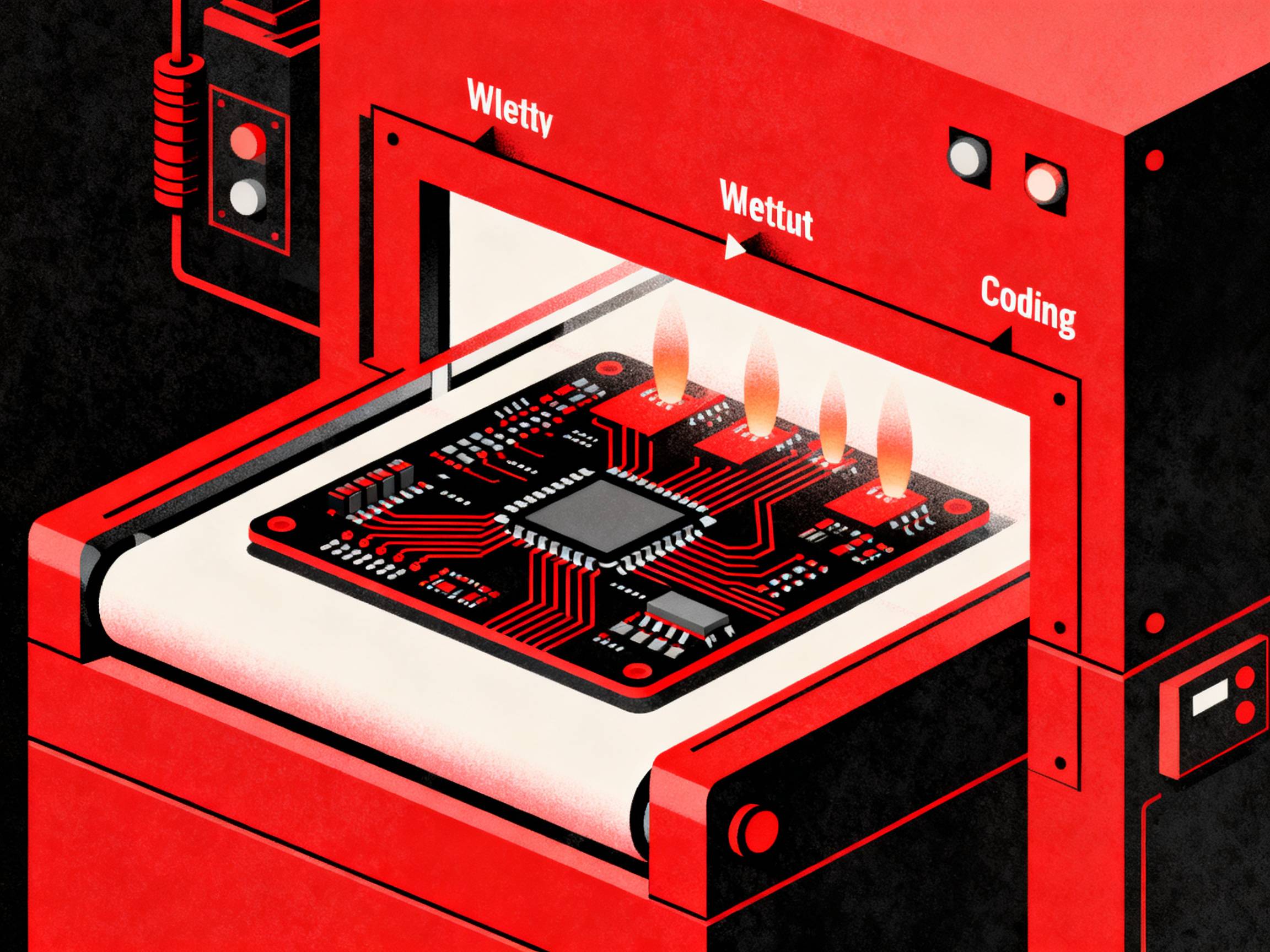
According to SMT Factory, modern reflow machines feature conveyor systems to maintain consistent movement, multiple heating zones for better uniformity, and advanced cooling mechanisms that ensure long-term reliability.