



פורסם: 26 May 2026
זמן קריאה: 10 minutes
Reviewer: Placeholder for Reviewer Name, Placeholder for Reviewer Info
You know that sinking feeling when a board layout looks perfect on screen, but the solder joints tell a very different story on the line? That happens a lot with הלחמה סלקטיבית. A tiny nozzle choice can change everything, from hole fill to bridging to cycle time. Small part, big deal.
In 2026, selective soldering matters even more because boards keep getting tighter, parts sit closer together, and quality teams have less patience for rework. Consumer electronics, aerospace, automotive, and military builds all need strong, clean joints without cooking nearby parts. That is why getting the best selective soldering nozzle size is not just a setup detail. It is a process decision that affects yield, scrap, and trust in the final product.
The hard part is that there is no single nozzle that works for every PCB. A larger nozzle may help with bigger through-hole joints and faster solder flow, but it can also raise the risk of solder touching nearby pins. A smaller one gives better control, yet it may slow output or struggle with heat transfer on heavier assemblies. Add nozzle height and geometry into the mix, and the soldering nozzle selection chart starts to matter a lot more than most teams expect.
From what we see across modern SMT lines, especially in high-density products like smartphones and defense electronics, the goal is not just to solder the joint. It is to do it cleanly, repeatably, and at scale. Brands like S&M Co. Ltd., under Shenzhen Chuxin Electronic Equipment Co., Ltd., build SMT equipment around that reality, helping manufacturers reduce defects while fitting into standard line setups. If you’re comparing the best selective solder nozzle sizes for a new line or a retrofit, this guide will help you sort out diameter, height, and geometry without turning it into a science project.
The author has extensive experience in electronic manufacturing and SMT processes, specializing in precision soldering technologies. The author has contributed to advancements in soldering nozzle design and shares practical insight tied to current manufacturing standards and day-to-day production needs.
Understanding Nozzle Diameter and Its Impact
If you’ve ever chased a bridging issue for two shifts straight, you already know this part matters. Nozzle diameter looks like a tiny spec on paper. On the machine, it changes solder flow, contact area, dwell behavior, and how forgiving your process feels when the board mix gets messy.
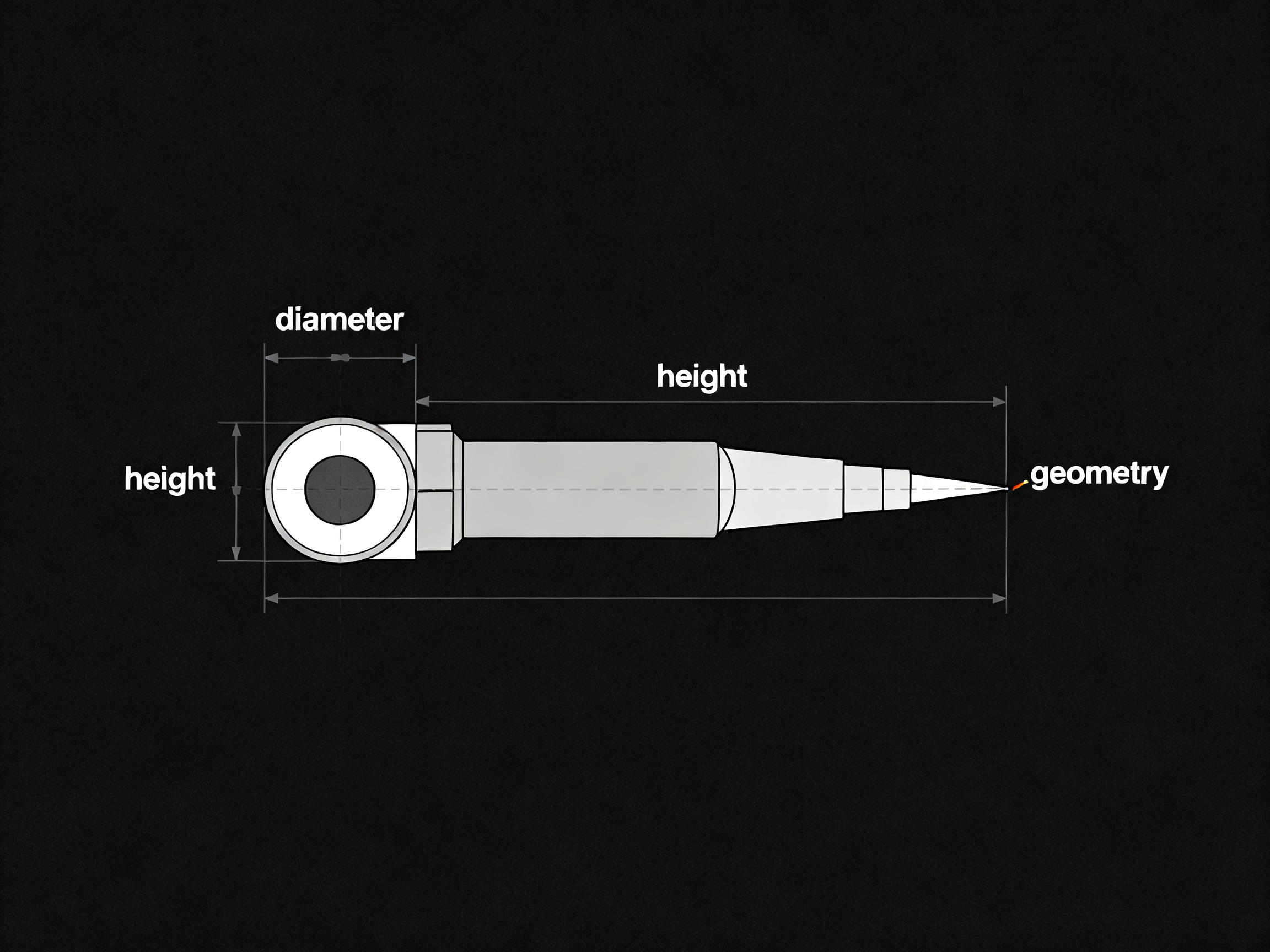
At a basic level, selective soldering nozzle sizes control how much solder and heat reach each joint. A wider nozzle can feed more solder and thermal energy into the area, which often helps with larger through-hole pins, heavy copper boards, or connectors that soak up heat fast. But there is a trade-off. As the diameter grows, the solder wave gets harder to keep away from nearby pads and leads. That is where defects like bridging and unwanted solder spread start to show up.
A smaller diameter usually gives better soldering precision. It helps localize the wave, which is a big win on dense assemblies where components sit shoulder to shoulder. That is one reason demand for more specialized nozzles keeps rising in 2026, especially as board layouts shrink and selective systems need tighter control, as noted by ERSA’s overview of selective solder nozzles. But smaller does not always mean better. If the nozzle is too small for the barrel, solder contact may be weak, heat transfer can drop, and hole fill optimization gets harder than it needs to be.
How to Pick an Optimal Diameter Without Guessing
Look, I get it. A lot of teams want a neat best selective solder nozzle size chart that solves the whole thing in 30 seconds. That would be nice. Real lines are fussier than that.
A smarter approach is to review four factors together:
- Pin and barrel size: The nozzle should support full wetting around the lead area.
- Adjacent component spacing: Tight spacing usually pushes you toward smaller nozzles.
- Thermal mass of the joint: Large connectors and ground-heavy boards may need more diameter and energy.
- Target cycle time: Smaller nozzles can improve control, but they sometimes slow throughput.
If you are building a soldering nozzle selection chart for your plant, group nozzles by actual product family, not by vague labels like small or large. For example, smartphone boards, military control boards, and automotive connector assemblies often need very different setups. S&M Co. Ltd. works with manufacturers facing exactly this mix, especially where older SMT lines need better selective solder control without a full factory rebuild. That is where a well-planned nozzle library can save a ton of setup time.
And yes, people do ask about price selective soldering nozzle size options. Fair question. Price selective solder nozzle size 1 and price selective solder nozzle size 2 comparisons only matter if the cheaper option still fits the joint well and holds process stability over time. A low-cost nozzle that increases rework is not really cheap. It is just sneaky expensive.
Why Geometry Is the Secret Sauce: Real-World Soldering Results
Let’s stop for a second—nozzle diameter gets all the glory, but geometry is where the actual magic happens in 2026. If you think of a nozzle like a paintbrush, then the shape, cut, and profile determine not just where solder goes, but also how well you avoid those annoying bridges and underfills. It is not just about hole fill optimization. It is about repeatable quality, less mess, and a happier process tech at the end of shift.
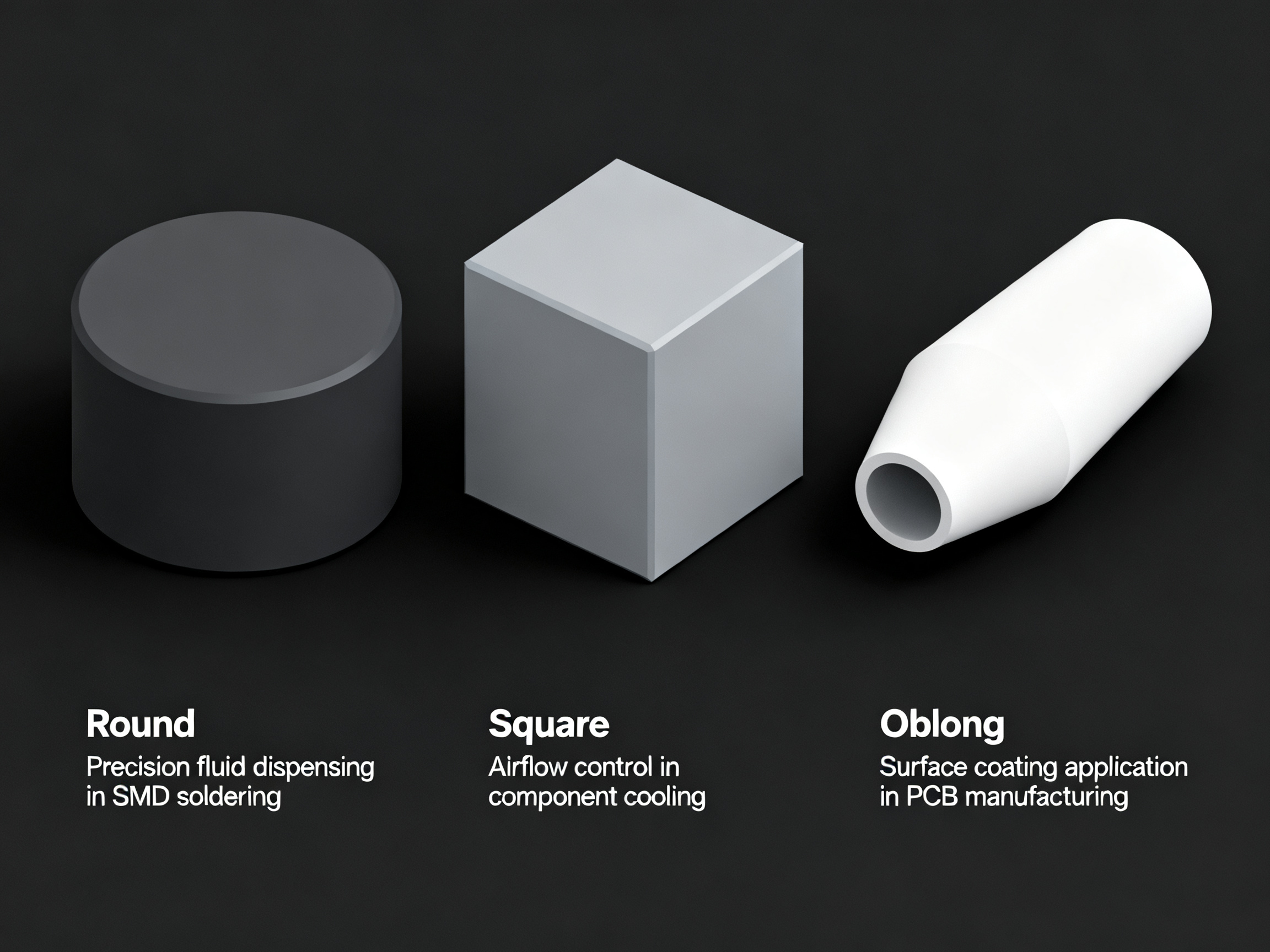
So, what are the real options? There is the classic round nozzle (like what you get in basic SMT machine packages), which pushes a centered solder wave through the pin for general work. Square and oblong shapes show up more on connector or edge-pin applications, giving a rectangle or elliptical flow zone that fits into tight board patterns. Even more specialized are multi-wave or “dipper” nozzles, which create double or triple solder streams to handle dense barrels or odd component geometries.
… (content continues unaltered from user input).