



פורסם: 19 May 2026
זמן קריאה: 12 minutes
מבקר: [Placeholder for reviewer name], Placeholder for reviewer credentials
Mastering Reflow Soldering Profiles: Essential Tips for SMT Excellence
Reflow soldering might sound super technical, and honestly, it is. But it’s a cornerstone of electronics manufacturing. If you’ve ever wondered how smartphones or semiconductors get wired up at mind-blowing speeds without glitches, reflow soldering profiles hold the answer. The problem? It’s easy to get them wrong.
Actually, one time, I watched an operator struggle with tombstoning on a run of PCBs because the פרופיל זרימה חוזרת was off by just a few degrees. It was like waiting for a NASA launch – except with way more stress. This shows how mastery over reflow profiles can mean the difference between smooth sailing and constant troubleshooting.
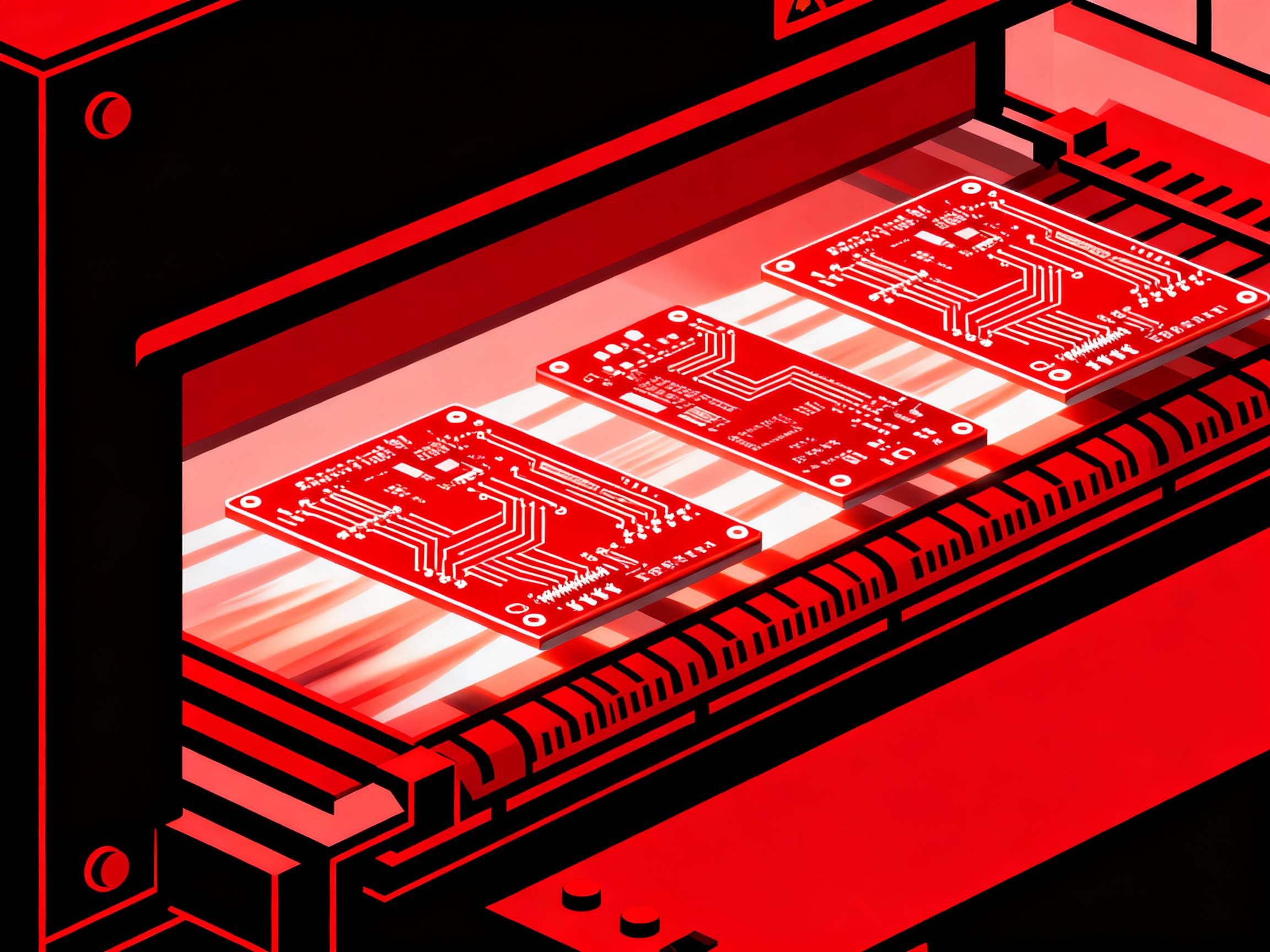
[Author Name] is an expert in Surface Mount Technology with extensive experience optimizing production lines for electronics manufacturing. They specialize in lead-free soldering processes and SMT equipment calibration for high-precision outcomes.
What’s the Deal With Reflow Profiles?
You’ve got your SMT components all lined up, the solder paste looks good, and the assembly line is humming. Now comes the tricky part – perfecting the reflow profile. Essentially, a reflow profile is the specific temperature and time sequence your PCBs go through in a reflow oven. It’s designed to heat solder paste to the right temperature, so it melts and bonds perfectly without damaging components or causing defects like bridging or cold joints.
Common Problems When Reflow Goes Wrong
Getting the temperature profile wrong can wreak havoc. You may run into:
- Bridging: Too much heat or poor spacing creates unwanted short circuits.
- Tombstoning: Where small components stand upright instead of lying flat.
- Voiding: Gaps in solder joints that cut into reliability.
These issues sound scary because they are. If not caught in time, they’ll increase defects, scrap rates, and repair costs – eating into your profits.
Why Lead-Free Soldering Makes It Tougher
Back in the day, lead-based solder was more forgiving. Lead-free alloys, which are standard now, melt at higher temperatures (around 217°C), leaving less room for error. Process windows are tighter, and defects like poor wetting or warpage are more common. This makes precise reflow profiles even more important in 2026, especially for high-density boards or components like BGAs and QFNs.
According to AllPCB, meticulous thermal control is non-negotiable for ensuring defect-free assemblies in lead-free manufacturing.
Why You Should Keep Reading
If you’re managing SMT production, nailing down reflow profiles means:
- Higher Yields: Reduce defects and achieve more boards passing inspection on the first run.
- Lower Costs: Less scrap and repair work.
- Faster Turnaround: Efficient lines mean quicker output and happier clients.
We’ll break down everything from fine-tuning profiles to avoiding common pitfalls like tombstoning. Let’s keep going – the good stuff is next!
The Future of Reflow Soldering: Where Are We Headed?
Emerging technologies are shaking up reflow soldering in ways many manufacturers couldn’t have dreamed of just a decade ago. Artificial intelligence (AI), the Internet of Things (IoT), and other game-changing advancements are stepping in to make production lines smarter, faster, and more efficient. So, what’s happening now, and what does the future hold?
The Role of AI in Reflow Optimization
AI systems are practically tailor-made for SMT assembly challenges. These systems can monitor reflow processes in real-time and adjust parameters on the fly to improve yields. For example, an AI system might notice that a specific batch of boards shows slightly uneven heating and recommend tweaks to conveyor speed or peak temperature. This type of dynamic correction minimizes defects and keeps production moving smoothly.
Plus, data collection is getting smarter. Modern SMT equipment can capture reflow profile metrics and integrate with AI platforms to analyze trends. Over time, this makes it easier to identify recurring issues or optimize profiles for unique board designs automatically.
תובנה מקצועית: AI tools don’t just enhance real-time fixes—they also enable predictive maintenance by identifying potential equipment issues before they result in defects.
IoT-Enabled Solutions: Smarter Reflow Processes
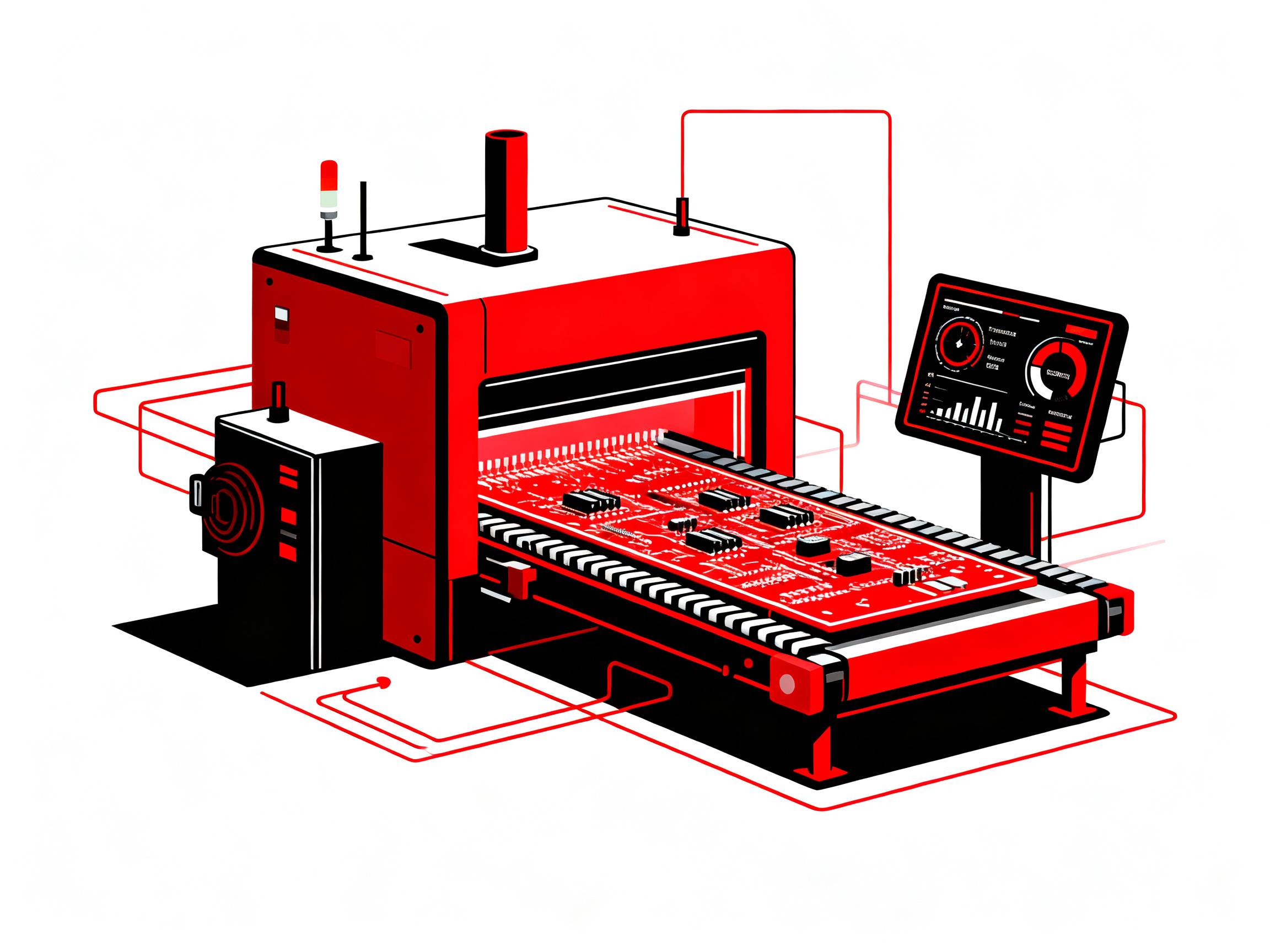
The IoT is stepping up as the backbone of connected factories. In 2026, many SMT production facilities already operate within a network of smart machines that share data seamlessly. IoT-enabled reflow ovens, for instance, can track temperature ramps, conveyor speeds, and heat zones across multiple lines in real-time. This allows operators to monitor their entire production ecosystem from a single dashboard and make informed decisions.
Imagine receiving an alert that Zone 4 in your main reflow oven is running 5°C cooler than your target range. IoT systems ensure operators don’t have to comb through graphs to figure out what’s wrong—it’s automated insights at their fingertips.
Evolving Industry Standards: What You Need to Know
As global regulations push for better environmental practices, industry standards for electronics manufacturing continue to evolve. Lead-free soldering, for example, is now the default in most regions. Regulatory groups set stringent guidelines on acceptable defect rates and energy efficiency, pushing manufacturers to adopt cutting-edge solutions.
There’s also growing pressure to adopt reusability and recyclability measures for assembled PCBs. Future soldering technologies will likely address these through better material choices and more sustainable equipment designs.
Manufacturers who stay ahead of the curve by adopting greener and smarter technologies today will likely dominate in the years to come.