



פורסם: 18 May 2026
זמן קריאה: 10 minutes
Reviewer: [Placeholder for name], [Placeholder for credentials]
Top 10 Selective Soldering Machines for 2026: Expert Reviews and Buying Guide
Selective soldering is a big deal in 2026. If you’re in electronics manufacturing, you’ve probably heard about some of the advancements, like automation and real-time monitoring, making these machines more precise than ever. But with so many options, where do you start? This guide highlights the top selective soldering machines this year and gives you tips on evaluating features and factors for different industries.
Jace Liu is an experienced author specializing in Surface Mount Technology (SMT) systems and soldering equipment. With a deep understanding of production line automation and lead-free soldering, Jace has contributed to industry advancements through hands-on research and expertise.
Key Features to Evaluate in Selective Soldering Machines
When choosing the right selective soldering machine, there are several features you need to look out for. These machines have advanced so much in 2026 that missing out on key functionalities could lead to inefficiencies in your production line.
Precision Soldering Technology
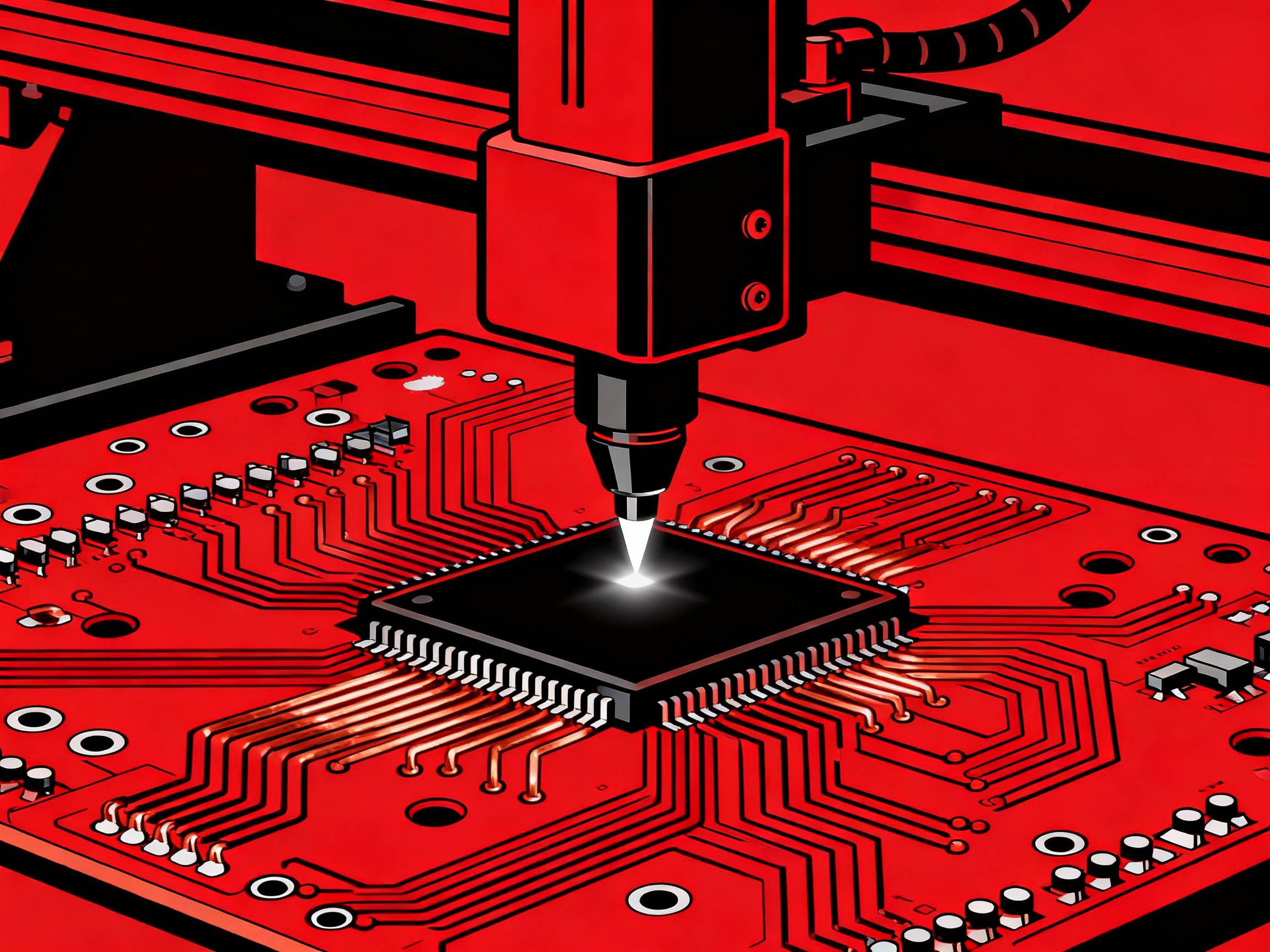
Precision is everything. Look for machines with excellent fluxing systems and nozzle technology that allow solder application to targeted areas without affecting nearby components. Thermal stability and fast recovery times are also crucial for soldering complex printed circuit boards (PCBs).
Automation Capabilities
Many machines now include smart automation technologies that enable real-time monitoring and inline processing to maximize throughput while maintaining quality. These systems reduce defects and streamline processes, especially for lead-free soldering, which is required in most industries today.

Compliance and Reliability
Make sure your machine adheres to industry standards, especially regarding lead-free production. High reliability and ease of maintenance are equally important, as you’ll want a machine that minimizes downtime and keeps your production line running smoothly.
Expert Tip: Focus on machines with precision fluxing and advanced nozzle technology. These features are crucial for minimizing solder defects and ensuring long-term reliability.
Scalability for Different Industry Needs
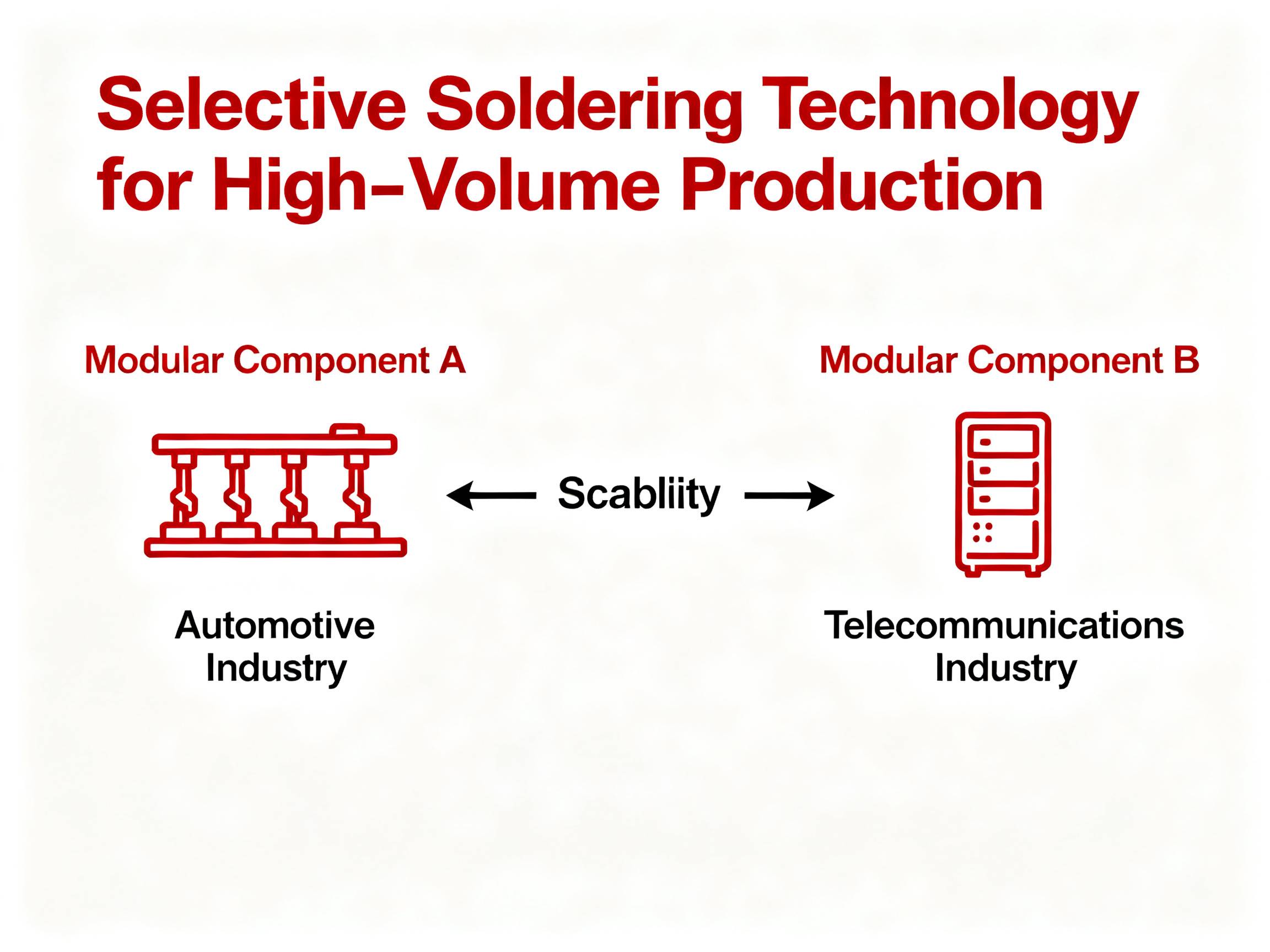
Your machine should be adaptable to the specific needs of your industry. For example, automotive electronics demand machines that can handle control units with durability-focused soldering, while telecommunications require precision for densely packed 5G components.
Advanced features like programmable settings, enhanced software integrations, and modular designs often ensure the machine can meet growing demands without requiring a complete overhaul.
By focusing on these aspects, you’re well-equipped to pick the right selective soldering machine that fits your business needs and keeps you competitive in electronics manufacturing.
Top 10 Selective Soldering Machines for 2026
Now that you know the key features to look for, let’s jump into the top selective soldering machines available in 2026. These machines stand out for their cutting-edge features, reliability, and suitability for industries like automotive, telecommunications, and aerospace. Here’s a closer look:
1. Ersa VERSAFLOW 4/55
This system is a leader in precision and throughput. It offers advanced inline selective soldering, making it perfect for high-volume production lines. With its dynamic process monitoring and real-time adjustments, it ensures low defect rates and high reliability, even for lead-free soldering processes. More about Ersa VERSAFLOW
2. SASinno ANT-i1 Offline Selective Soldering Machine
Designed for versatility, this machine caters to low-to-medium production needs with offline capabilities. It supports precise fluxing and soldering applications while maintaining strong environmental compliance. Many manufacturers praise its cost-effectiveness for small-scale specialized applications. Discover SASinno ANT-i1
3. SEHO SelectLine-C
SEHO has gained popularity for its modular design that allows customers to expand or customize their machines based on production needs. The SelectLine-C is a reliable option offering precision soldering with easy programming interfaces. Its compact design fits neatly into various production environments.
4. Juki iCube Series
Juki’s iCube series is perfect for manufacturers prioritizing miniaturized components. Its user-friendly interface and adaptive soldering profiles make it highly efficient for complex PCB assemblies. It’s a must-have for advanced SMT production.
5. Nordson SELECT Synchro
The SELECT Synchro system offers unmatched precision for intricate soldering jobs. It’s an automated machine featuring dynamic adjustment systems that handle dense 5G and IoT component assemblies without sacrificing speed. It’s a go-to for telecommunications and consumer electronics industries. Learn more about SELECT Synchro
Pro Insight: The Ersa VERSAFLOW series remains a standout due to its robust inline processing capabilities and low defect rates, making it ideal for industries like aerospace and medical device manufacturing.
6. EBSO SPA Series
High durability meets incredible ease of use with the SPA series. With robust thermal control and optimized solder applicators, it’s great for automotive electronics requiring extra durability.
7. Pillarhouse Synchrodex
This modular selective soldering solution adapts to growth. Manufacturers appreciate its accuracy and reliable traceability features, critical for meeting high production standards. It is also designed for efficient lead-free soldering.
8. Kiss-103 Selective Soldering System
Compact and efficient, the Kiss-103 is a favorite for labs or small facilities focusing on prototyping. It provides precision and control in an easily operable machine making it accessible even to smaller teams.
9. Vitronics Soltec ZEVAv
A powerhouse in throughput, the ZEVAv is capable of handling complex PCBs at a speed that’s hard to beat. It offers lead-free compliance, advanced process monitoring, and an intuitive operation system. It’s well-suited for high-production facilities.
10. Ersaflow Hybrid Selective Soldering Machine
Combining traditional wave-soldering technology with selective processes, the Hybrid model is cost-effective for companies needing flexible, multi-use systems. Its hybrid capabilities are excellent for a variety of PCB designs and are optimized for lead-free soldering.
Conclusion: Which Machine is Best for You?
The best machine depends on your production needs, industry, and budget. For high-volume needs, look at machines like the Ersa VERSAFLOW; for specialized or small-scale applications, options like the SASinno ANT-i1 are better. If adaptability is a priority, machines with modular designs like SEHO SelectLine-C or Pillarhouse Synchrodex should be on your list. Evaluating these options based on the integrations, precision, and compliance requirements your business faces can make all the difference in staying competitive.
Up next, let’s explore how to choose the perfect machine by aligning features with your specific production goals.
How to Choose the Right Selective Soldering Machine
Buying a selective soldering machine can be a big investment, and with so many choices in 2026, it’s not always easy to decide. The goal is to find one that matches your industry needs, production goals, and budget. Let’s break this process down into some simple steps.
Step 1: Understand Your Production Needs
What does your production line look like? If you handle high volumes, it’s smart to go with machines that offer automation and throughput. On the flip side, smaller facilities need machines that are scalable and don’t take up as much space.
For instance, automotive industries often require machines capable of handling durable solder joints for power electronics. Meanwhile, industries like telecommunications need selective soldering equipment to handle densely packed PCBs for 5G technology. It’s all about recognizing your specialty.
Step 2: Prioritize Precision
Accuracy matters in every industry, especially for manufacturers working on sensitive PCBs. Look for machines with advanced soldering profiles, stable temperature controls, and thermal recovery capabilities. Without these features, defects are more likely.
Some selective soldering machines even include precision fluxing systems. These help minimize waste and ensure only targeted areas are soldered. Avoid machines with inconsistent applicators or limited temperature controls; they’ll hold your production line back.
From Our Experience: Matching your specifications with a machine customized for your application can prevent wasted time and budget on unnecessary features.
Step 3: Check for Compliance Standards
In 2026, lead-free soldering compliance is a must for most industries. Check whether the equipment meets environmental standards like RoHS. Also, consider reliability metrics—how easily does the machine integrate with your current production controls, and is it built to last?
Step 4: Compare Pricing and Availability
Start by researching manufacturers who offer machines within your budget. Some companies offer scalable models; these cater to smaller budgets while providing room for upgrades. Brands like SEHO, Ersa, and SASinno often specialize in cost-efficient models without skimping on quality.
Check availability too. Machines with modular designs are becoming more popular because they let you scale production up or down—something to consider if you plan to expand.
Step 5: Seek Feedback
Ask industry peers for insights. Some machines might look great on paper but falter in real-world use cases. Go to events, forums, and expos (there are still plenty of them in 2026!) to see what’s trending. Reading reviews helps too.
If possible, test a machine before committing. Look for flexible sellers who let you demo products beforehand, especially if you need accurate applications like BGA soldering.
Step 6: Plan for Maintenance
No machine is perfect, and downtime can hurt your bottom line. Pick a machine that’s easy to maintain and comes with accessible service support. Modular machines are great for maintenance because you can swap out components without difficulty.
Keep spare parts handy too, especially fluxing systems and solder tips. This helps avoid delays if something breaks down in the middle of production.
סיכום
Choosing the right selective soldering machine takes time, but it’s worth it. Focus on production capacity, precision features, and compliance standards, and be sure to weigh pricing and longevity against your business goals. The best machine for you is one that fits seamlessly into your setup and delivers reliable results year after year.
If you’re still figuring it out, compare all your options carefully and test whenever you can. Selective soldering technology has advanced so much in 2026, and getting the right solution sets your production up for success.
Staying Competitive with Selective Soldering Technology in 2026
Selective soldering technology has come a long way in 2026, evolving into a critical tool for industries aiming to meet modern production demands without compromising quality. From automotive to aerospace and telecommunications, these advancements are reshaping how manufacturers approach PCB assembly and component integration.
Why This Technology Matters So Much
You may be wondering why selective soldering deserves the spotlight. Here’s the deal. The ability to precisely solder intricate PCBs while reducing waste and defects isn’t just a “nice-to-have”—it’s a necessity. Industries are pushing for tighter tolerances, faster production, and compliance with environmental regulations like lead-free soldering.
Plus, today’s machines pack some serious power. Features like real-time monitoring and precision fluxing aren’t just nice upgrades—they are game-changers for output. These improvements simplify production lines, driving faster turnaround times and higher customer satisfaction. For instance, selective soldering equipment optimized for 5G components can deliver seamless and reliable results for telecommunications companies that operate at breakneck speeds.
Challenges Modern Buyers Face
Still, not every selective soldering machine is created equal. Some brands prioritize automation, while others focus on flexibility or modularity. This isn’t just a technical comparison; it’s how well a machine can deliver true ROI over its lifespan when matched with your industry-specific needs.
And let’s not forget compatibility issues. Manufacturers often struggle to integrate new machines into existing production lines. The wrong machine can cause more headaches than it solves—be it constant downtime, higher defect rates, or uncompliant processes. This is where research matters.
Expert Tip: Before investing in a selective soldering machine, ensure thorough compatibility checks with your current systems. Machines that integrate easily save time and prevent disruptions during setup.
Future Implications for Manufacturers
As we move deeper into 2026, selective soldering technology continues to expand its influence. Analysts predict the global market for selective soldering equipment will experience strong growth due to demand in sectors like aerospace, defense, and automotive. Data-driven solutions are paving the way, enabling manufacturers to make predictive adjustments and optimize efficiency in real time.
This technological growth doesn’t just make production faster. It also boosts precision, reduces material waste, and enables compliance with stricter environmental standards. These benefits spell big wins for manufacturers battling to stay competitive in a crowded market. If you’re not upgrading yet, chances are your competitors already are.
When you pair these innovations with training programs and partnerships to demo machines, investing in selective soldering equipment can feel like an easy decision.