



Key Features of Selective Soldering Machines
Selective soldering machines are built for precision, reliability, and efficiency. Before you dive into purchasing one, it’s good to know what features matter most.
Precision and Automation
The best selective soldering machines allocate solder with pinpoint accuracy, avoiding damage to surrounding components. Tools like programmable nozzles and automated flux application help eliminate human error. Plus, they offer pre- and post-process monitoring to make production more consistent, which is huge for high-tech industries.
Why does automation matter? It reduces labor costs, speeds things up, and ensures fewer defects compared to hand-soldering. This means it’s especially useful for areas like smartphone manufacturing or military electronics where every millimeter counts.

Defect-Reduction Mechanisms
Modern machines come equipped with features that minimize common issues like solder bridging and skips. Some devices even include advanced thermal monitoring systems to prevent overheating—an issue that can compromise sensitive components.
Expert Tip: The most impactful features for minimizing defects in SMT production include advanced flux control and real-time thermal monitoring systems.
Lead-Free and Specialized Capabilities
In 2026, environmental and safety regulations now push manufacturers toward lead-free soldering practices. Selective soldering machines designed for lead-free solder ensure compliance without sacrificing quality. Many models also support complex components like BGAs (ball grid arrays) and QFNs (quad flat no-leads). These are common in products for industries like automotive and aerospace.
Machines with multi-wave soldering capabilities also stand out. They allow for versatile solder flows while maintaining high-quality results. Inline integrations (where machines work seamlessly within an assembly line setup) save time and improve process efficiency.
Does it get any easier than that? These advanced technologies simplify the challenging parts of producing high-density circuit boards. They also boost yield, which is a big deal if you’re making thousands of units per day.
How to Choose the Right Selective Soldering Machine for Your Needs
Picking a selective soldering machine for your production line isn’t always simple. Manufacturers have unique needs that depend on the type of products they’re making, their production volume, and the need for precise soldering. Let’s break down how to decide what works best for your operation.
Evaluate Your Production Requirements
The first step is understanding what your production needs are. Are you looking at high-volume manufacturing or smaller batches? Do your products use delicate components that need extra care? Precision soldering machinery performs well in environments where every millimeter matters, like creating semiconductor devices or building components for military electronics. But for simpler consumer electronics, you might not need all those high-tech features—cost-effective models could work just fine.
Production volume plays a big role too. High-volume operations often benefit from inline machines, which speed things up by handling components automatically within an assembly line. These machines reduce human error and boost speed, especially when producing thousands of units a day. Smaller operations might need stand-alone equipment that’s flexible and easy to program.
Machine Types for Different Industries
Not all selective soldering machines are created equal. For consumer electronics, manufacturers often prefer machines tailored specifically for low-cost, high-speed operations that integrate seamlessly into existing assembly lines. Aerospace and military applications, on the other hand, require machines that focus on reliability and precision, like those equipped with advanced thermal controls.
Plus, some industries need compatibility with unique materials, like lead-free solder mandated by safety regulations. Lead-free soldering technology ensures you meet standards while taking care of delicate electronic components.
Other Key Considerations
When choosing selective soldering equipment, you need to think about compatibility with production systems in place, reliability of the machine, and the amount of upkeep it will need to stay efficient. Cost is always a part of the decision—higher-end machines often offer premium features like defect-reduction mechanisms and advanced flux control—but if your budget is tight, focusing on core features might be the smarter move.
Pro Insight: Real-world advice and experiences focus on evaluating equipment reliability and understanding maintenance requirements in industries where tiny defects can lead to big failures.
Beyond cost, reliability is huge. Machines that stay consistent (even after years of use) protect product quality and minimize rework. You’ve probably seen this firsthand if you’ve tried cutting corners with cheaper equipment that barely lasts. Investing in compatibility—for example, ensuring your machine integrates easily with SMT protocols—also means fewer headaches when you’re scaling production or adding new technologies.
This process isn’t always straightforward, but taking time now can save your production line from headaches later.
Best Practices for Using Selective Soldering Machines
Even with the best machine, your setup and maintenance routines can make or break your production quality. Fortunately, sticking to a few best practices can help keep your equipment working like a charm while reducing costly downtime.
Setting Up and Maintaining Solder Baths for Lead-Free Operations
When switching to lead-free solder, the setup of your solder bath is critical. Lead-free solder tends to have higher melting points, so maintaining the right temperature is key to avoiding weakened joints. Regularly check and clean the bath to remove contaminants, which can affect solder adhesion. Using high-quality flux specially designed for lead-free solder can make a big difference in the durability and quality of your soldered connections.
Keeping the solder bath at the right fill level also matters. Too low, and you risk introducing skips; too high, and excess material could overrun sensitive areas on your circuit boards. Consistent calibration ensures you’re operating within the recommended guidelines outlined in your machine’s documentation.
Calibration for Precision
Calibration isn’t a one-and-done operation. Precision soldering machines work best when regularly tuned for specific project needs. Check factors like nozzle alignment and solder flow rate before each new production run. Industry-standard measurement tools can be used to confirm everything is accurate, ensuring a consistent and repeatable soldering process.
Skipping calibration—or only doing it when a problem arises—leads to irregular solder streams. This increases rework and can even damage delicate electronic components like BGAs and QFNs. Establishing a regular calibration schedule is essential for reliable production quality.
Regular Maintenance Routines
Maintenance might not be the most glamorous part of running a production line, but trust me, it’s essential for long-lasting performance. Start by frequently inspecting nozzles for buildup, checking for worn seals, and cleaning or replacing parts as needed. Preventative maintenance on critical mechanisms—like pumps and flux applicators—can stop minor issues before they turn into expensive repairs.
Lubricating moving parts is another step that’s often overlooked but can significantly boost your machine’s lifespan. Consult your machine’s user guide for safe cleaning materials. Some chemicals can corrode sensitive surfaces, so always double-check compatibility.
Expert Tip: Preventive maintenance tactics, like scheduled inspections and proper lubrication, help keep selective soldering machines efficient and reduce costly breakdowns.
Why These Steps Matter
The benefits of sticking to best practices are hard to overstate. High-quality solder joints mean fewer defects downstream, and a properly maintained machine won’t lose its edge over time. And let’s face it—downtime is expensive. Taking the time to follow these recommendations saves you money, improves production quality, and keeps your operations running smoothly.
Common Defects in Selective Soldering Machines and How to Address Them
Selective soldering is precise, but it’s not flawless. That’s why understanding common defects and knowing how to fix them is so important. Let’s get into some typical issues, diagnostics, and tips for training your team to keep operations smooth.
Identifying Common Defects
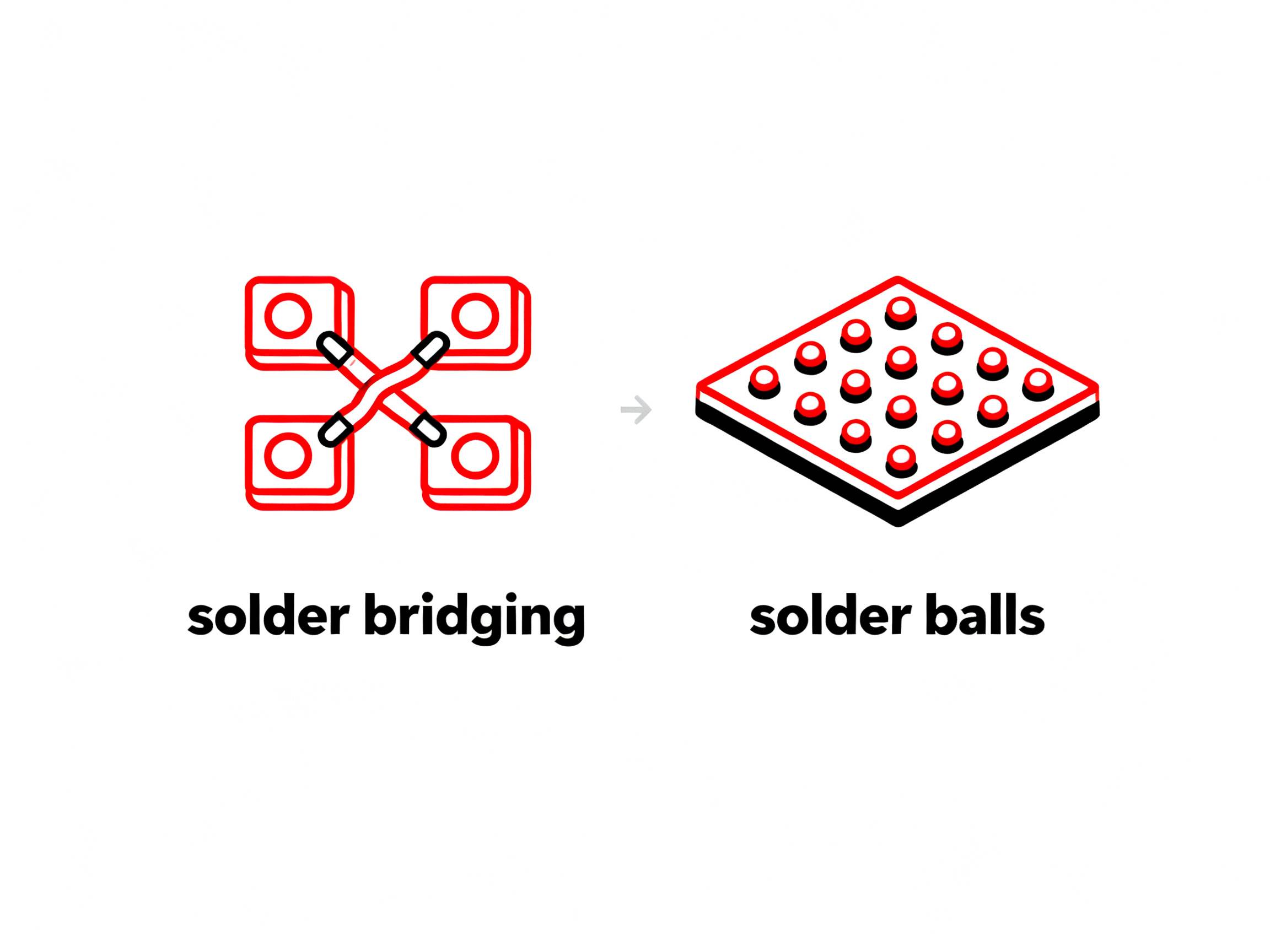
Defects like solder bridging, solder balls, and cold joints are familiar headaches in SMT production. Here’s what they look like and how they happen:
- Forrasztás áthidalása: This happens when excess solder creates unwanted connections between pads or leads. Often linked to poor flux control, it’s a big problem in high-density boards.
- Forrasztó golyók: Little balls of solder form due to incorrect temperatures or poor solder paste quality. These can cause short circuits if they break loose.
- Hideg illesztések: You’ve likely seen these if solder doesn’t completely melt, leaving a dull or grainy appearance. It’s usually tied to insufficient heat during the soldering process.
These defects can all lead to costly rework or, worse, product failures if they go unnoticed.
Best Diagnostic Practices
Your machine might come with diagnostic features that make troubleshooting easier, but you also need your team to know what to look for. Here’s how to catch problems before they escalate:
- Visual Inspections: Train staff to spot uneven or dull joints, excess solder buildup, or bridging during post-production checks.
- Thermal Monitoring: Advanced thermal sensors (common in newer machines) help prevent overheating—a major cause of cold joints.
- Flux Control Testing: Make sure flux is applied evenly and doesn’t drip where it shouldn’t. This keeps soldering consistent.
Technology definitely helps, but trained human eyes are still essential.
Tips for Training Your Team
Diagnosing defects isn’t just about machines; for long-term success, staff need the right skills. Let’s go over some helpful approaches to get your team up to speed:
- Hands-On Training: Invest in training courses or vendor demos that show employees how to calibrate and diagnose machines in real-time.
- Defect Libraries: Create visual guides with common defects (like bridging and cold joints). Reference photos or diagrams make it easy to check joints during inspections.
- Simulation Practice: Set up machine error simulations to let employees troubleshoot issues without interrupting actual production runs.
You’ve already likely noticed this in action—when staff know what to check for, the number of post-production defects drops.
Wrapping Up
Whether you’re dealing with bridging, solder balls, or cold joints, having solid diagnostic practices and a trained team makes all the difference. Keep learning how to spot potential problems early, rely on smart technology (like advanced flux controls), and make sure your team is equipped with the skills to adapt.
These steps don’t just improve quality. They also increase efficiency, save money on rework, and ensure your selective soldering machines stay reliable.