



Diterbitkan: 19 May 2026
Waktu membaca: 8 minutes
Reviewer: Simon Scrapes, Founder
Mastering the Reflow Soldering Profile: Step-by-Step Guide, PDF Downloads, and Troubleshooting Tips
Pendahuluan
Imagine trying to build a puzzle with dozens, maybe even hundreds, of tiny pieces—without the picture on the box to guide you. That’s kind of what reflow soldering accomplishes in the world of electronics manufacturing. This highly efficient process binds small electrical components to printed circuit boards (PCBs), ensuring solid and dependable connections.
Reflow soldering is more than just a necessary step in Surface Mount Technology (SMT); it’s a game-changer for industries that require precision and reliability. Think electronics, automotive, aerospace, and even military manufacturing. The right process can lead to stronger, longer-lasting products with fewer defects—and that’s a big deal when you’re pumping out thousands of units every month.
Fun fact: Lead-free reflow soldering isn’t just better for the environment. It’s now an industry standard many companies must follow.
Simon Scrapes has worked in electronics manufacturing for over 15 years, specializing in SMT and soldering equipment. His experience includes optimizing reflow profiles for high-volume production, which has helped reduce defects significantly in PCB assembly.
What is Reflow Soldering & Why Does It Matter?
What Exactly is Reflow Soldering?
Essentially, reflow soldering is the process that heats and melts solder paste, allowing it to flow around tiny electronic components and create strong electrical and mechanical bonds to the PCB. The process uses precise temperature control to manage heating and cooling across multiple stages, which ensures consistent results.
Learn more about the reflow soldering process.
Why is It Important in SMT?
Let’s break it down: reflow soldering handles some of the most intricate parts of SMT, which is all about attaching tiny chips and components onto circuit boards. Without it, manufacturers couldn’t meet today’s demand for compact devices like smartphones and wearables. Plus, automation makes it possible to handle these tiny components at scale.
The controlled heating method ensures:
- High-quality solder joints free of defects like tombstoning (where components tilt upright) or cold joints (which weaken the connection).
- Precise alignment of components, critical for industries like aerospace and military manufacturing where precision is key.
- Compliance with lead-free soldering standards, which are now required globally.
Industries That Benefit
Reflow soldering is especially important for industries that demand precision—and lots of it. Electronics manufacturers use it for everything from computer motherboards to tiny hearing aids. Over in the automotive world, components like Advanced Driver Assistance Systems (ADAS) rely on these techniques for safety and durability. And in aerospace, it’s used for high-performance electronics where failure isn’t an option.
Did you know? Many advanced smartphones (like the ones launched in 2026) have over 1,000 components on a single PCB. Pretty wild, right?
Stay tuned for the next sections where we unravel how to create the perfect reflow soldering temperature profile, troubleshoot common issues, and integrate advanced techniques for defect-free manufacturing.
Creating the Ideal Reflow Soldering Temperature Profile
What is a Temperature Profile?
A temperature profile is like the roadmap for reflow soldering. It lays out how the heat will rise, hold, and cool down during the process. Getting this profile just right ensures you end up with solid connections and minimal defects.
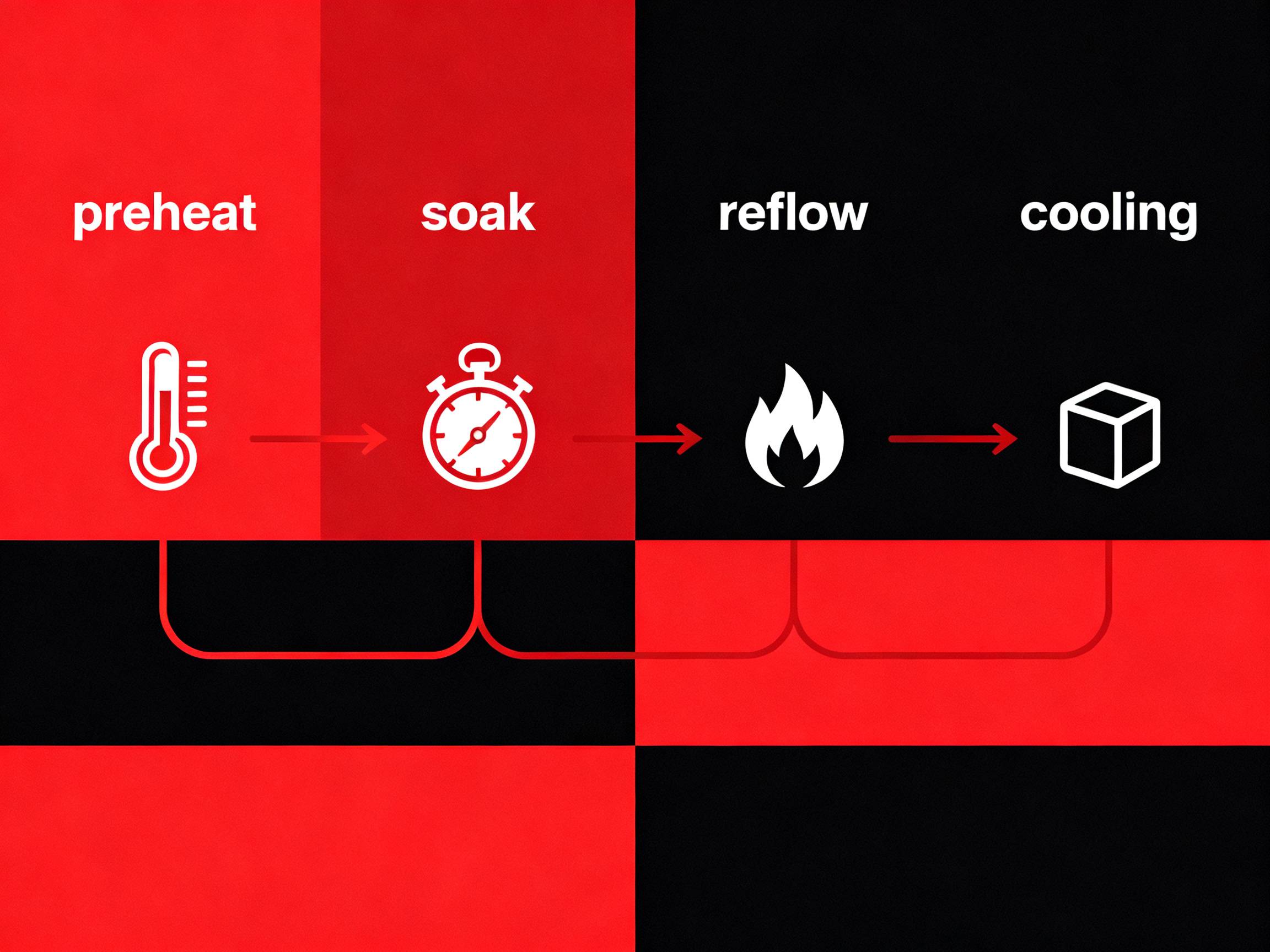
A typical reflow soldering profile has four main zones:
- Zona Pemanasan Awal: This stage steadily warms up the assembly to around 150–180°C, which activates the flux and reduces thermal shock.
- Zona Rendam: Temperatures hold steady to allow uniform heat distribution, usually somewhere between 180–200°C. This helps prevent things like tombstoning.
- Zona Aliran Ulang: This is the hottest stage, with peak temperatures hitting 230–250°C (depending on your solder paste). The solder melts, ensuring solid bonds.
- Zona Pendinginan: A controlled cooldown prevents cracks or sudden shifts in components.
Key Considerations for Temperature Profiles
Different PCBs and components have unique needs. For example:
- Component Types: Fragile components like LEDs can’t tolerate as much heat as rugged parts like capacitors.
- Board Material: Some boards warp if the temperature rises too quickly.
- Solder Paste Specs: Lead-free paste melts at higher temperatures than traditional solder.
One way to nail your temperature profile is by thoroughly understanding the limits of your materials and fine-tuning your oven settings to match.
Kesalahan Umum yang Harus Dihindari
Even a small error in temperature profiling can lead to big problems. Here are some pitfalls to dodge:
- Heating Too Quickly: This can cause thermal shock, leading to cracked or weakened components.
- Failing to Soak Evenly: Skipping this stage might leave you with inconsistent solder joints.
- Skipping Peak Temp Adjustments: Different solder pastes have different melting points, so don’t use a one-size-fits-all approach.
An advanced reflow oven, like those from S&M Co. Ltd., lets you program precise temperature settings for better consistency.
Advanced Technologies in SMT
Overview of Automated Profiling Tools
Advanced technologies like automated profiling tools have revolutionized surface mount technology. These systems help manufacturers achieve consistent temperature control, which is essential for defect reduction.
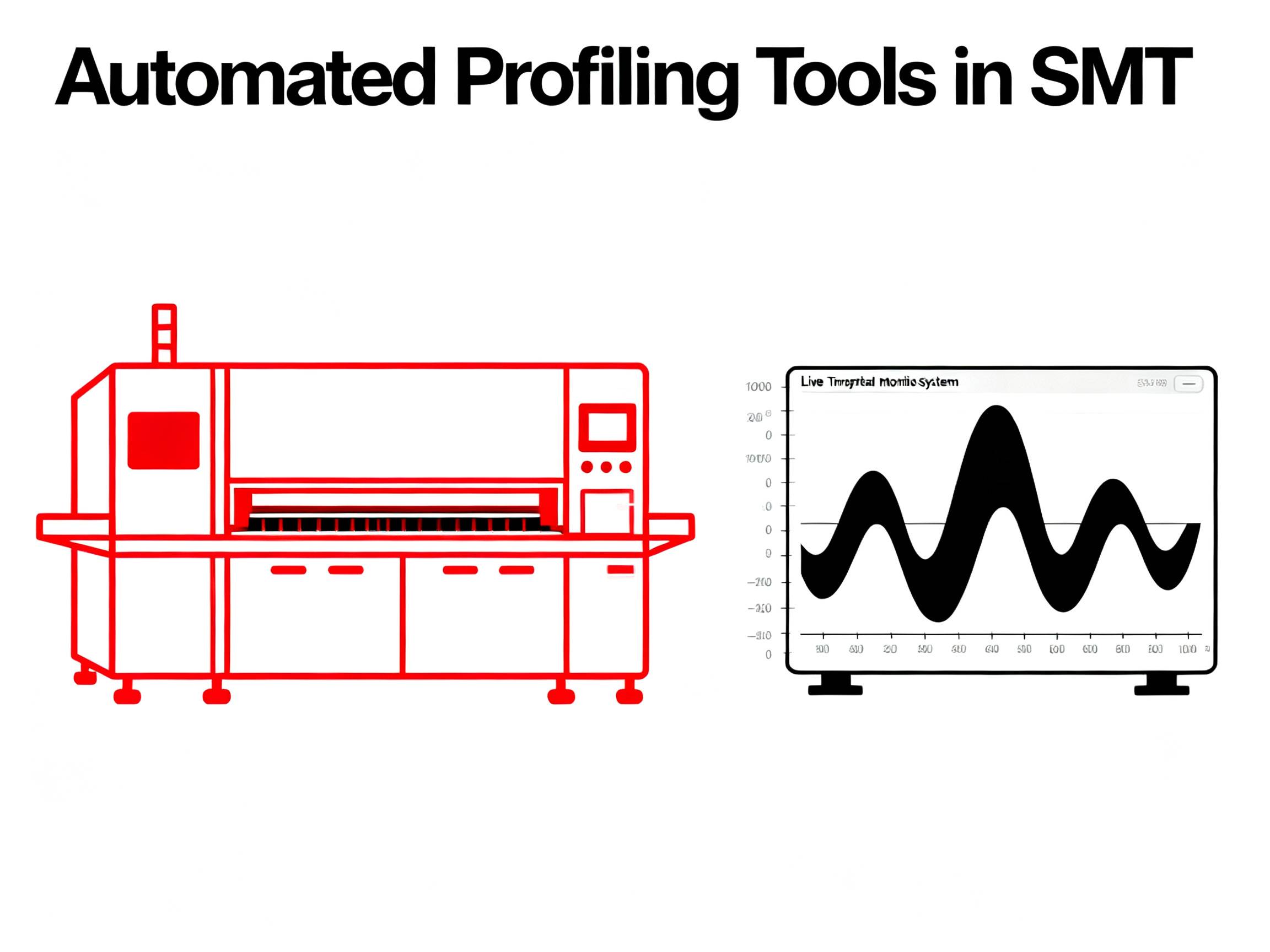
With automated tools, manufacturers can fine-tune temperature profiles automatically. This means less time spent manually tweaking oven settings and more focus on increasing production efficiency.
Integration in Existing Lines
Integrating these advanced systems into existing production lines isn’t as hard as you might think. Manufacturers can retrofit their lines with minimal downtime. Thermal monitoring systems provide live updates on temperature settings, helping to catch any issues before they affect product quality.
Now, who wouldn’t want to save time and reduce waste?
ROI and Cost-Saving Factors
Investing in upgraded SMT technology can lead to big savings, especially when you consider how much defects cost in any production run. A small investment in advanced tools typically leads to significant reductions in waste and improved product quality.
Alongside these cost savings, manufacturers also report increased efficiency and productivity. So it really pays off when the tools help avoid mistakes that would otherwise cost a lot more to fix.
Tips dari Ahli: To optimize temperature profiles, focus on understanding the thermal limits of various materials. Tailor your settings to each component instead of using a generic approach.
Stay tuned for practical troubleshooting tips and insights from real-world production setups that can take defect-free manufacturing to the next level.
Case Study: Achieving Defect-Free Results with Reflow Soldering
Overcoming Real-World Challenges
Let’s dive into a real-world example of a manufacturer who turned their soldering struggles into success. Shenzhen Electronics Co. faced some big hurdles in their high-volume PCB production line back in 2024. Their primary issue? Persistent soldering defects like tombstoning, voids, and misaligned components.
These problems caused product rejections, wasted materials, and increased overhead costs. They had an outdated reflow oven that lacked precise control. Plus, their temperature profile wasn’t optimized for the latest lead-free solder paste they were using. Sound like a nightmare? It sure was for their production team.
The Game Plan: Upgraded Technology and Training
Shenzhen Electronics addressed these pain points by investing in advanced reflow ovens from S&M Co. Ltd. The new ovens came with automated thermal profiling tools and better temperature uniformity across the heating zones. This enabled their team to tailor profiles based on the thermal thresholds of each component.
In addition, they provided training to their production staff to tweak profiles depending on the batch size and component type. They even used live thermal monitoring to tweak settings in real time. By aligning their processes with modern tools, they ensured better consistency.
The Results Speak for Themselves
The result? A 44% reduction in soldering defects after just three months. Their throughput also increased by 20%, as fewer defective products clogged the production line. Wasted materials and rework expenses dropped significantly too, improving their operational efficiency.
Their investment in S&M’s equipment and team education paid off. Shenzhen Electronics secured new contracts with confidence in their ability to meet tight deadlines with quality products.
Pro Insight: When upgrading soldering equipment, don’t just focus on the machine specs. Make sure your team is trained on how to use its advanced features for maximum impact.