


Cara Mengatur Kecepatan dan Sinkronisasi di Konveyor PCB
Sesuaikan kecepatan dan sinkronkan konveyor PCB menggunakan VFD, PLC, dan sensor untuk alur kerja yang efisien dan kualitas papan yang konsisten dalam manufaktur elektronik.
Jelajahi rangkaian lengkap peralatan SMT Chuxin, termasuk oven reflow, mesin pick and place, printer stensil, konveyor, dan jalur produksi SMT lengkap. Berkualitas tinggi, dapat diandalkan, dan dapat disesuaikan.
Sesuaikan kecepatan dan sinkronkan konveyor PCB menggunakan VFD, PLC, dan sensor untuk alur kerja yang efisien dan kualitas papan yang konsisten dalam manufaktur elektronik.
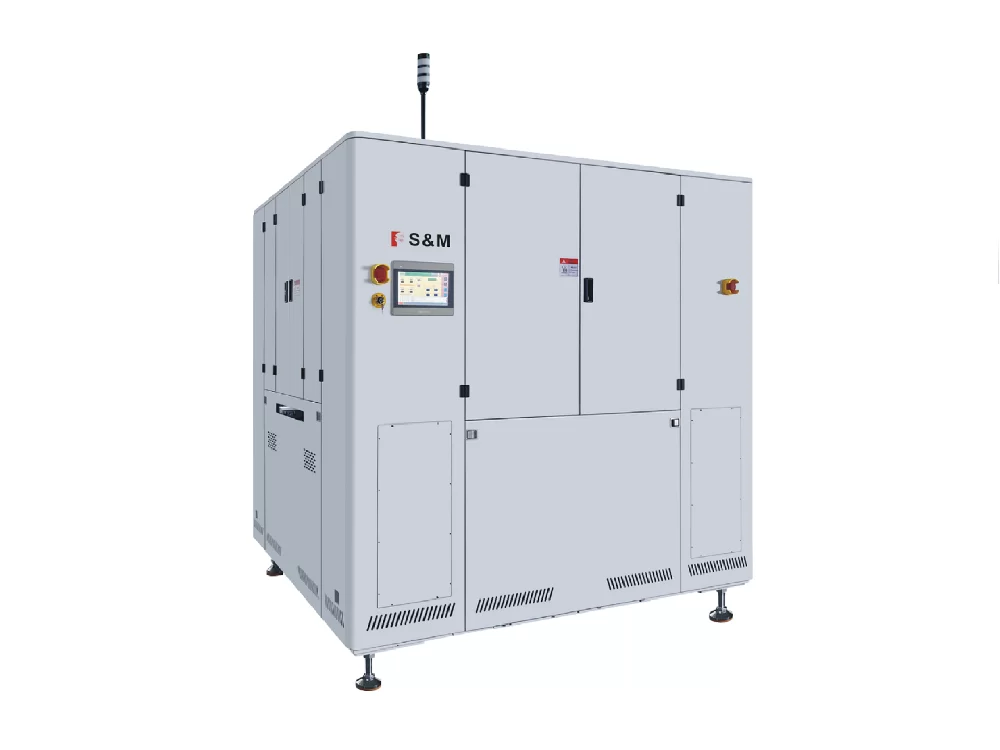
Preheating systems in SMT curing ovens reduce thermal shock, improve solder joint quality, and boost PCB reliability with controlled heating and cooling.

Curing Oven vs Reflow Oven: Bandingkan proses, penggunaan, dan kiat pemilihan untuk memilih oven terbaik untuk aplikasi manufaktur dan elektronik Anda.
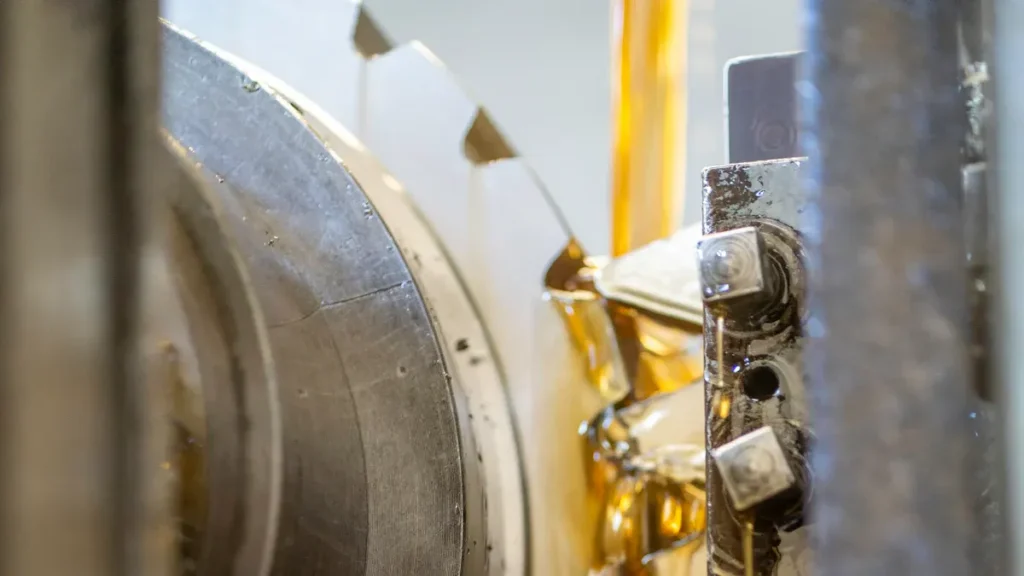
Pangkas biaya energi pada oven curing SMT dengan tips hemat energi yang praktis. Tingkatkan efisiensi, pertahankan kualitas, dan dukung keberlanjutan di fasilitas Anda.
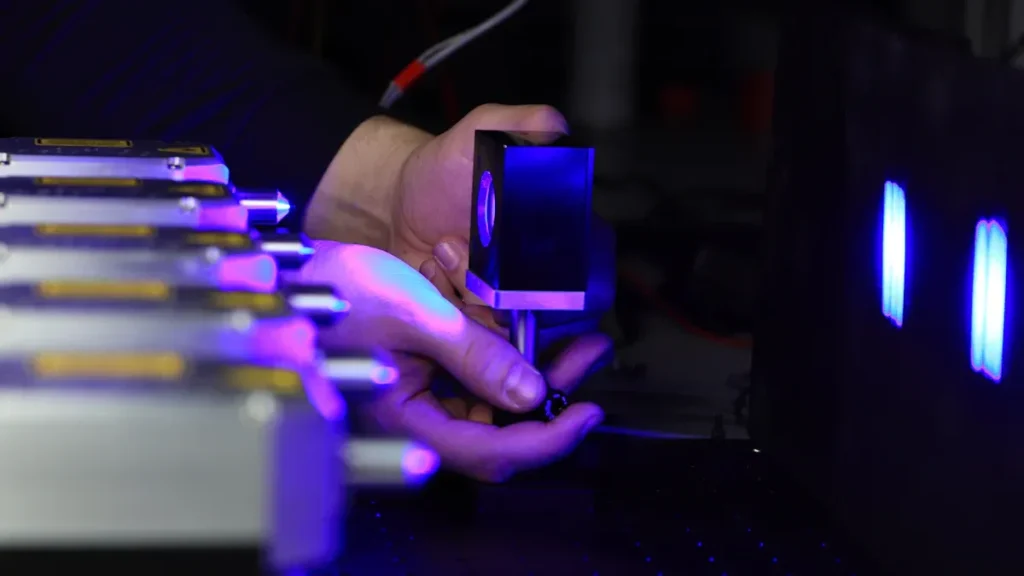
Prinsip kerja oven pengawetan SMT: Oven IR dan UV mengawetkan perekat pada PCB menggunakan panas atau cahaya yang terkendali untuk rakitan elektronik yang kuat dan andal.

Programming and debugging in selective soldering ensures fewer defects, reliable joints, and efficient production by optimizing machine setup and process control.
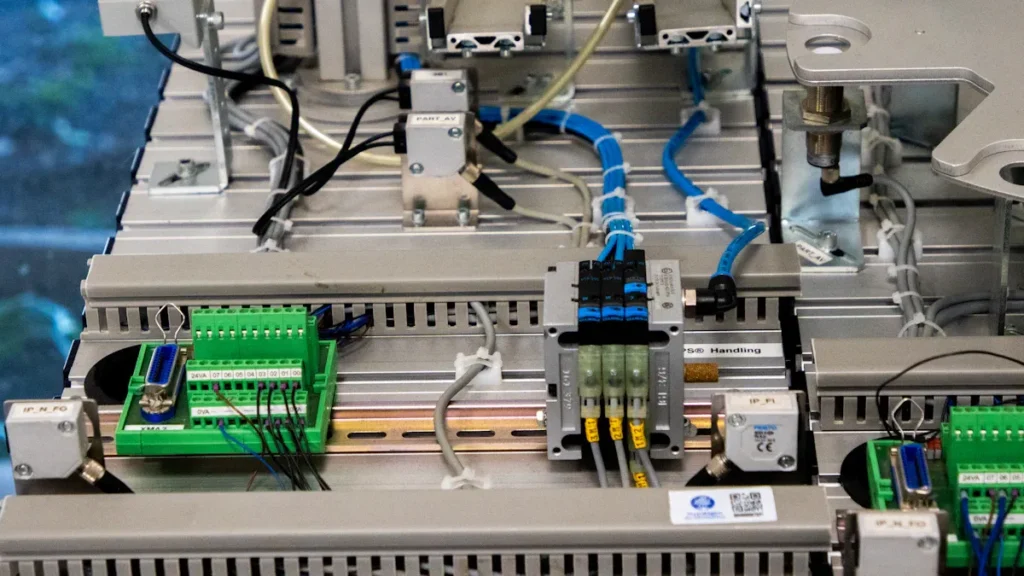
Choose the right Selective Wave Soldering Machine for mixed PCB assembly by considering board size, production needs, component types, and automation features.
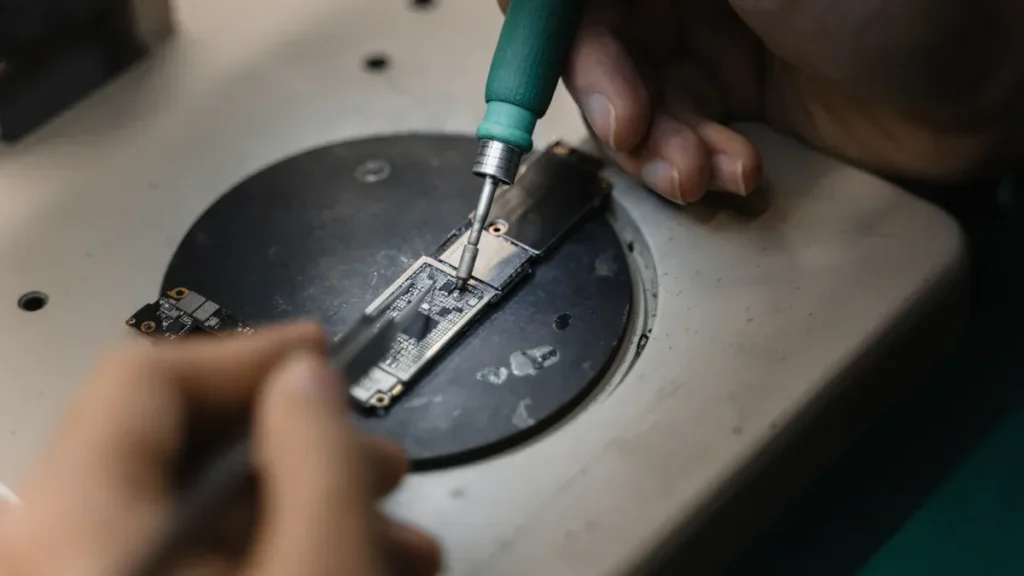
Sesuaikan tinggi gelombang solder dengan mengatur kecepatan pompa dan menjaga tinggi gelombang di bawah 50% ketebalan PCB untuk sambungan solder yang andal dan lebih sedikit cacat.
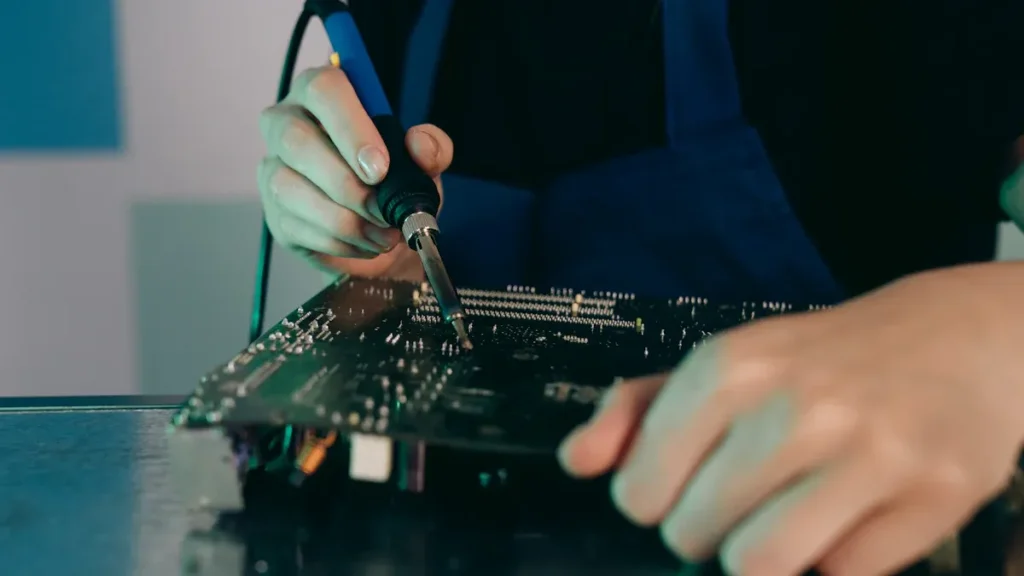
Bandingkan Penyolderan Gelombang dan Penyolderan Selektif untuk perakitan PCB. Cari tahu metode mana yang sesuai dengan kompleksitas, volume produksi, dan kebutuhan kualitas papan Anda.
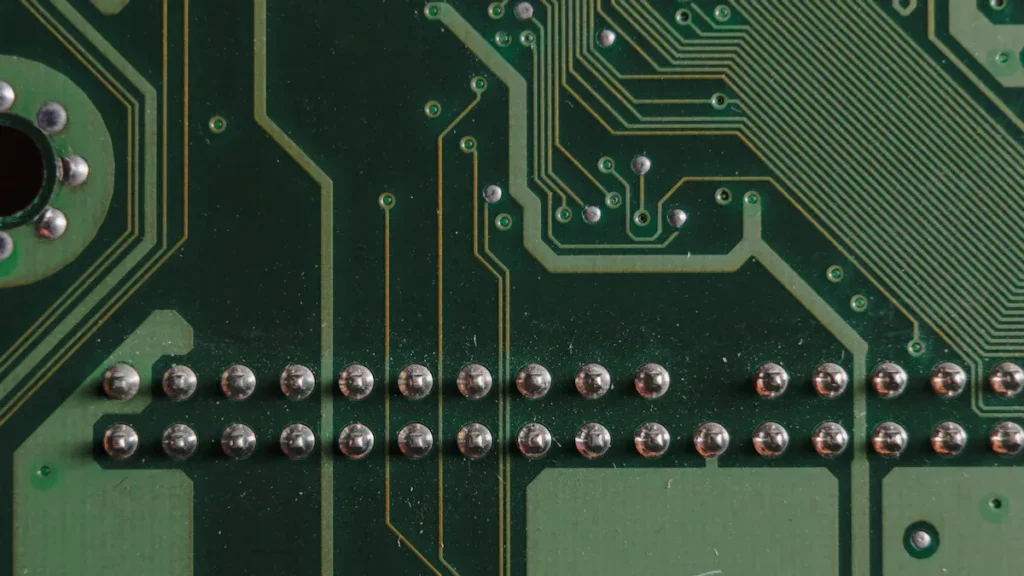
Selesaikan penyolderan solder pada penyolderan gelombang dengan menyesuaikan tinggi gelombang, fluks, dan desain untuk mencegah sambungan yang tidak diinginkan dan meningkatkan hasil PCB.