



Published: 18 May 2026
Reading Time: 10 minutes
Reviewer: Placeholder Reviewer Name, Placeholder Credentials
Mastering Curing Oven Temperature Profiles for SMT and DTF Applications
Curing ovens are the backbone of consistent manufacturing, especially in industries like electronics and textile printing. These temperature-controlled machines do more than heat materials. They turn raw components into reliable products, whether it’s solder joints for circuit boards or adhesive film for fabric transfers.
Have you ever wondered why the settings of these ovens are so specific? Turns out, it’s all about precision. Even a tiny temperature change can make or break an entire production run. From my experience, trying to troubleshoot warped boards because of uneven heating is frustrating (and time-consuming). Understanding these profiles isn’t just technical—it’s practical for anyone interested in better results.
Jace Liu is a seasoned electronics manufacturing specialist with expertise in Surface Mount Technology (SMT) and process optimization. With over a decade of industry experience, Jace has led innovation in designing precision soldering solutions, significantly reducing defects in electronic assemblies. His insights provide actionable strategies for mastering curing profiles.
Understanding the Basics of SMT and DTF Curing Ovens
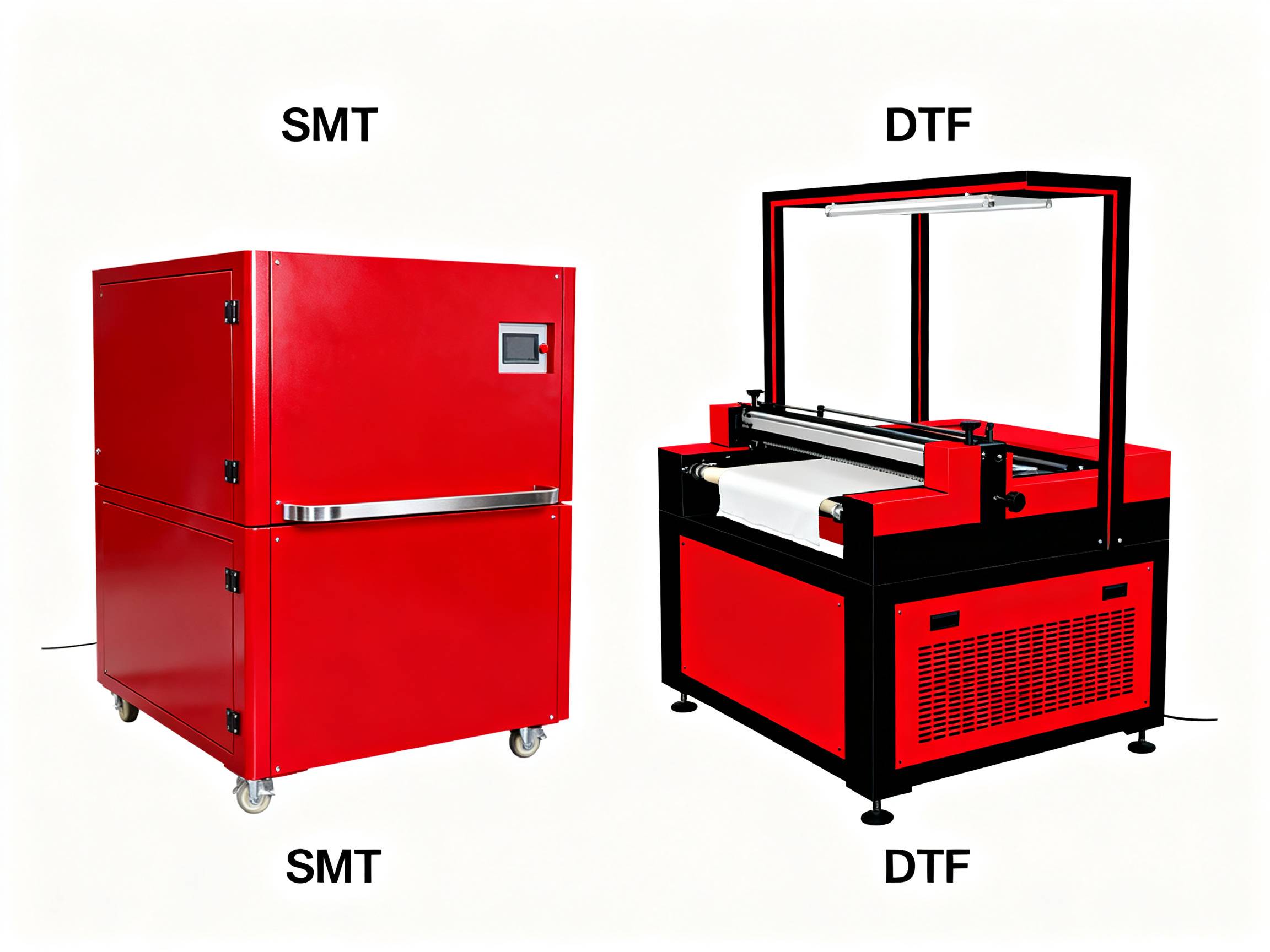
Let’s start with the basics. A curing oven’s job is to heat materials to specific temperatures for a set amount of time. This process ensures adhesives, coatings, or powders bond or cure seamlessly. But here’s the twist: the profiles for SMT (Surface Mount Technology) and DTF (Direct-to-Fabric) systems couldn’t be more different.
SMT Curing Ovens
SMT ovens are staples in electronics manufacturing. They cure adhesives and bake solder paste—key steps for good solder joints. These ovens have precise profiles to protect circuit board components and avoid defects like voids or tombstoning. As of 2026, lead-free compliance usually adds extra complexity requiring detailed thermal profiling.
DTF Curing Ovens
Now, DTF curing ovens focus more on textile applications. They heat adhesive powder on film to create durable transfers for fabrics. Unlike SMT ovens, the priority here is even heat distribution, fast curing, and vibrant output. Industries using these ovens often need portable batches instead of continuous automated lines like those in SMT.
Pro Insight: How different industries benefit from precise curing profiles is about more than quality—it’s about reducing waste and improving efficiency. Electronics and textiles have unique needs, highlighting the oven’s adaptability.
Do these basics make sense so far? Next, let’s dig deeper into how curing profiles influence quality.
Best Practices for SMT Curing Oven Profiles
When it comes to SMT, crafting the right curing oven profile is like following a recipe for perfect cookies. Ignore the details, and you could end up with burnt edges or undercooked centers. Here’s what you need to know to get it just right:
Top Tips for Optimizing SMT Curing Profiles
-
Lead-Free Compliance: In 2026, lead-free solder remains a global manufacturing standard. These materials require higher peak temperatures, usually between 240–260°C, with gradual ramps to avoid thermal shock.
-
Control Zones: Modern SMT ovens have multiple heating zones allowing precise control over the ramp, soak, and peak temperatures. Synchronizing these zones ensures stress-free curing.
-
Thermal Profiling Tools: Use sensors or software to track temperature consistency through the cure cycle. This minimizes defects like tombstoning or void formation.
-
Fine-Tune Exhaust Systems: Proper airflow prevents overheating components while maintaining a consistent curing environment.
Expert Tip: Lead-free compliance introduces unique challenges; focusing on ramp rates and soak times can prevent common soldering issues.
Why Precision Matters
For manufacturers using SMT reflow ovens, precision isn’t just a nice-to-have—it’s critical. A poorly calibrated profile can delay production runs, increase defect rates, and disrupt supply chains. Investing time upfront to optimize these settings pays dividends in efficiency and reliability.
Would you like to dive deeper into tailoring profiles for specific applications?
Optimizing DTF Curing Oven Profiles for Maximum Efficiency
Getting the best results from your DTF curing oven isn’t just about knowing the settings. It’s about understanding how temperature profiles impact print durability and color quality on fabrics. Whether you’re curing adhesive powders or creating custom designs, nailing the profile can make all the difference. Here’s how to make your setups count.
Vibrant and Durable Print Bonding
If you’ve ever peeled a DTF transfer only for it to crack or fade, the problem probably started in the curing process. Proper bonding starts with even temperature distribution and the right curing time. The goal is to melt the adhesive just enough to make it stick without burning the film. Typically, this happens around 160–180°C depending on the adhesive type and fabric. Lower temperatures may leave the print incomplete. Higher settings? That could scorch the adhesive or film.
And it’s not just about hitting this range—it’s about holding it consistently. Uneven temperatures cause weak bonding areas, which eventually lead to cracking during washes. Investing in a curing oven with tight heat uniformity specs (±2°C or better) can solve this issue.
Advanced Technology Features for Precision Curing
Modern DTF curing ovens are moving past basic models with timers and heating elements. In fact, newer machines have perks like:
- Programmable Profiles: Set and store multiple curing profiles for different designs or adhesive types.
- Real-Time Temperature Monitoring: Built-in sensors ensure consistent curing conditions even during long production cycles.
- High-Speed Curing Modes: Perfect for high-volume orders without sacrificing quality.
- Adjustable Airflow Systems: Keep temperatures uniform by preventing hot or cool spots inside the oven.
These upgrades speed up production and reduce waste while ensuring a consistent finish. If your oven doesn’t have these features, a quick upgrade might save hours of troubleshooting.
Addressing Common Defects in DTF Applications
Curing defects happen to everyone, but understanding them is the first step to troubleshooting effectively. Here’s how to tackle a few of the most common ones:
- Color Fading: If prints lose vibrancy, it may mean under-curing. Double-check that your oven reaches and holds the correct temperature for the required amount of time.
- Incomplete Curing: When adhesive powders don’t fully melt, prints peel off the fabric. Make sure the heat is distributed evenly across the entire oven chamber.
- Burn Marks: These happen when temperatures are too hot, or the curing time is too long. A shorter dwell time or more precise control can fix this issue.
From Our Experience: Practical troubleshooting for warped boards or uneven prints isn’t just about trial and error. Recording past successes and failures can save time and reduce defects in future runs.
Optimizing profiles takes a bit of trial and error, but once you fine-tune your settings, the results are worth it. Quality control becomes easier, production runs are smoother, and your product’s reputation takes a leap forward.