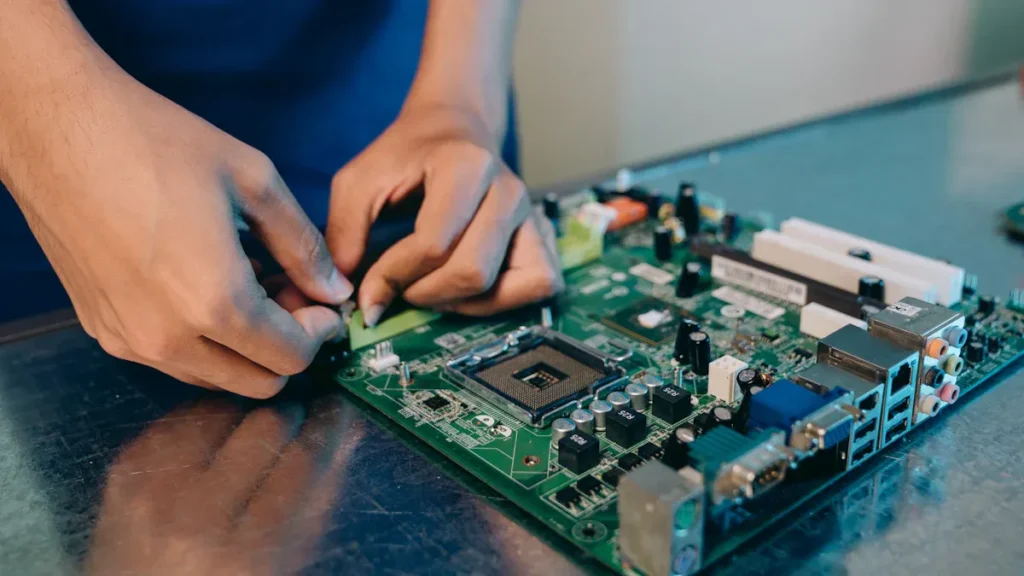
Advantages and Disadvantages of Selective Wave Soldering
Selective wave soldering offers precise, reliable joints and less waste, but requires higher initial investment and careful setup.
Selective wave soldering offers precise, reliable joints and less waste, but requires higher initial investment and careful setup.
Selective wave soldering uses precise solder waves to join specific PCB areas, offering accuracy, reduced defects, and protection for sensitive components.
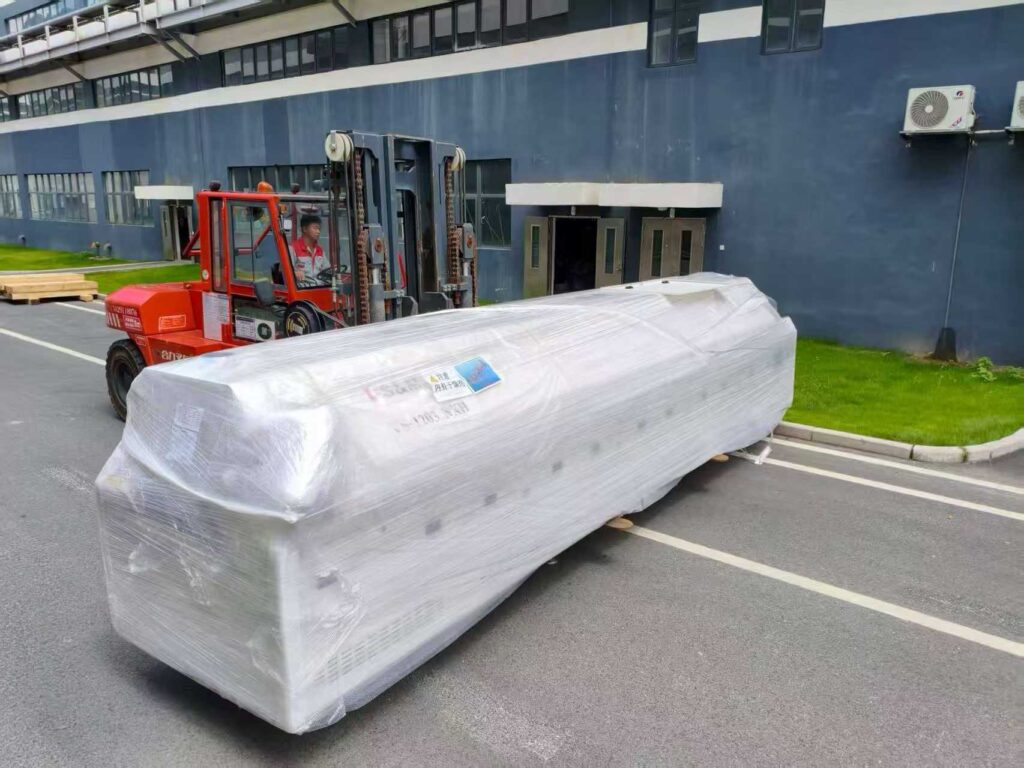
強力で信頼性の高いはんだ接合のためのセットアップ、温度制御、安全性に関するステップバイステップのガイダンスを使用して、オーブンで回路基板をリフローします。
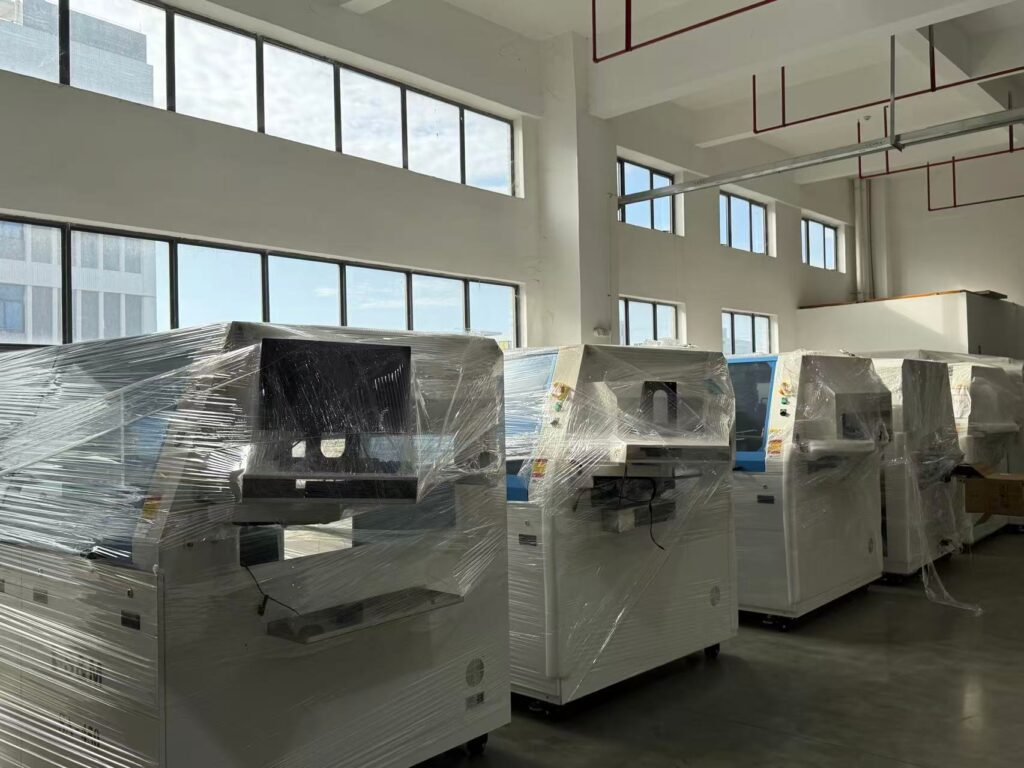
プリント基板の設計、プロセス制御、フラックスの種類、機器のメンテナンスを最適化することで、ウェーブはんだ付けにおけるはんだブリッジを低減し、信頼性の高い結果を得ることができます。
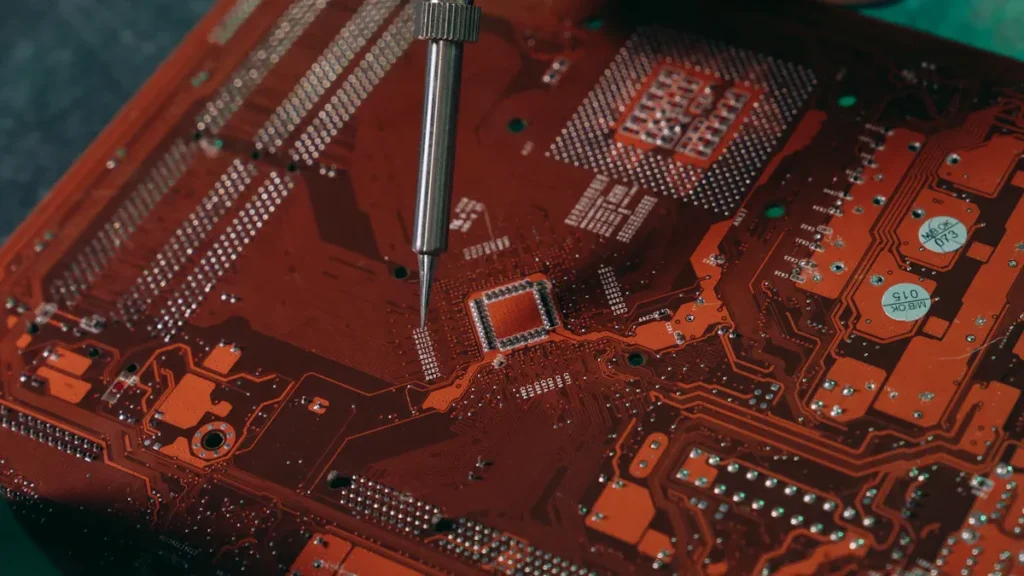
Reflow oven temperature profiling prevents soldering defects, improves PCB reliability, and ensures optimal solder joint quality.
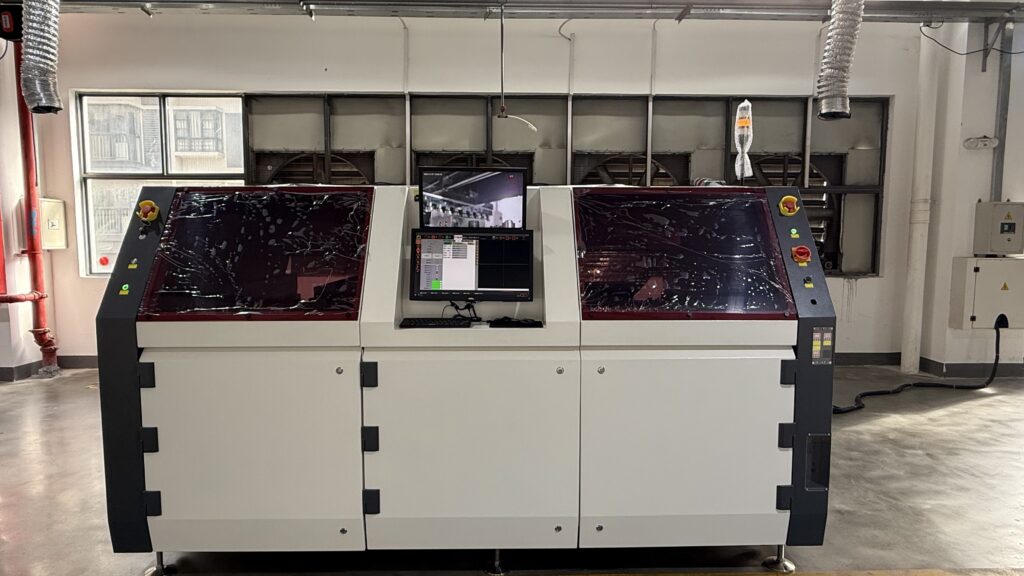
Programming and debugging in selective soldering ensures fewer defects, reliable joints, and efficient production by optimizing machine setup and process control.
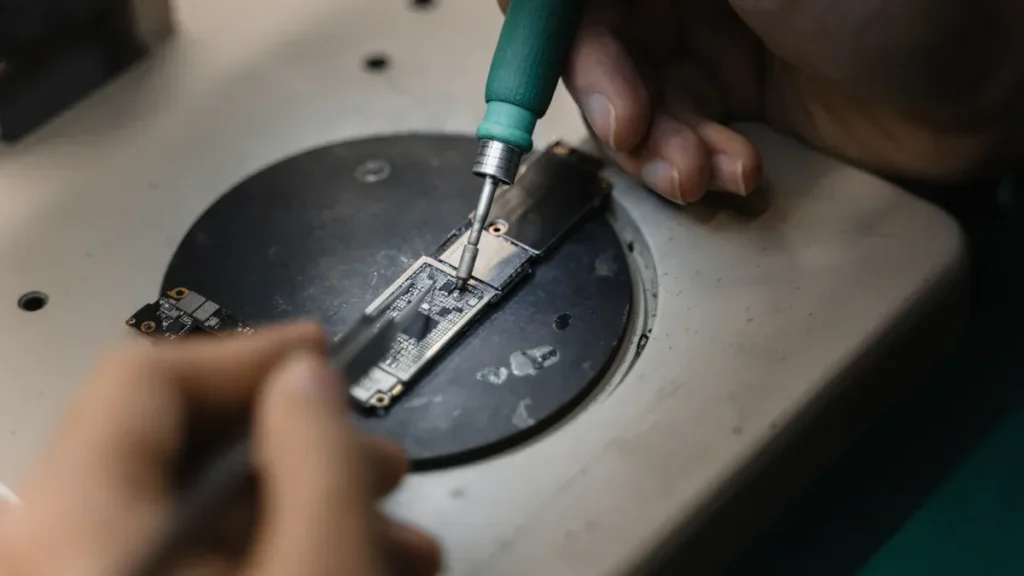
Adjust solder wave height by setting pump speed and keeping wave height below 50% of PCB thickness for reliable solder joints and fewer defects.
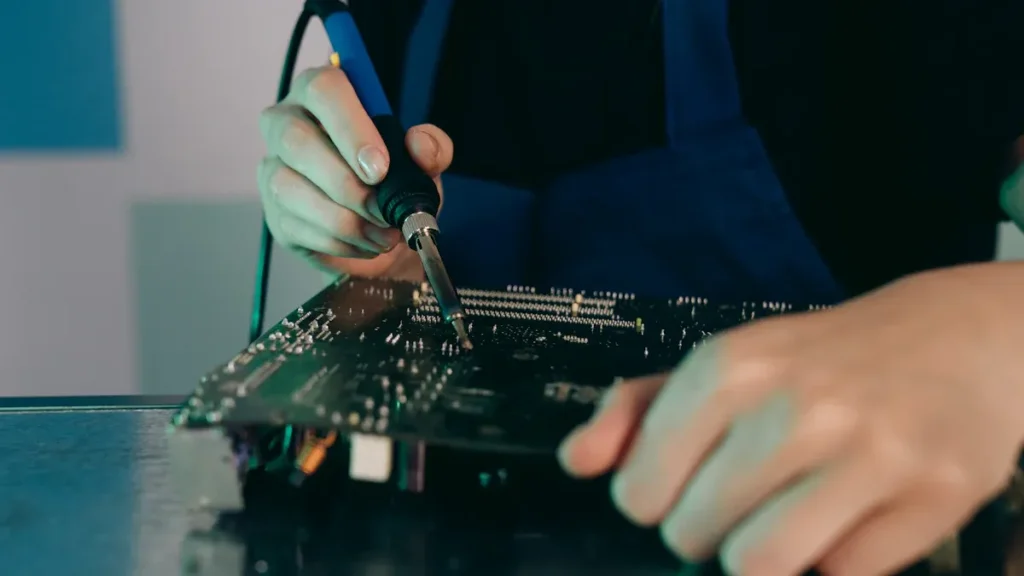
Compare Wave Soldering and Selective Soldering for PCB assembly. Find out which method suits your board’s complexity, production volume, and quality needs.