



Published: 18 May 2026
Reading Time: 12 minutes
Reviewer: Simon Scrapes, Founder
Top Curing Oven Temperature Profile Tools and Data Loggers for Accurate Monitoring
Maintaining the right temperature in a curing oven is no small feat. If you’re in manufacturing, especially with Surface Mount Technology (SMT), you already know the headaches uneven temperatures can cause. Faulty solder joints, cracked components, and failed product tests are just a few of the challenges. Sound familiar? Good news, there are tools designed to help with exactly this.
Why Care About Temperature in Curing Ovens?
Did you know that even slight variations in temperature during soldering can lead to huge issues downstream? Uneven heat distribution could weaken solder joints, causing components to literally fall apart under stress. For example, in lead-free manufacturing, consistent heat is critical since lead-free alloys require precise temperature ranges.

And it’s not just about defects. Smooth, reliable temperature profiling is key to meeting compliance requirements for specialized industries like aerospace and semiconductors. With stricter regulations across the board in 2026, tools like temperature profile data loggers help ensure every batch meets safety and quality specs.
Top-rated Data Loggers for Curing Ovens in 2026
Looking for the best curing oven temperature profile data logger? You’re in luck because 2026 has brought some amazing tools to the manufacturing world. Here’s a quick look at the top-rated options for monitoring curing ovens more accurately.
1. KIC Pro Data Logger
- Specifications: Real-time temperature profiling, supports up to 12 thermocouples, software compatibility across Windows and macOS.
- 長所だ: Highly reliable, easy-to-use interface, and great for both small and large-scale operations.
- 短所だ: Higher price range compared to other models.
KIC Pro is ideal for aerospace manufacturers maintaining strict guidelines.
2. ECD Oven Tracker
- Specifications: Compact design, Bluetooth-enabled, capable of storing profiles for multiple projects.
- 長所だ: Lightweight, portable, and offers app integration for instant data sharing.
- 短所だ: Limited thermocouple capacity.
Perfect for small businesses looking for flexibility without breaking the bank.
3. Shenzhen Chuxin Oven Checker Pro
- Specifications: Precision profiling for lead-free soldering processes, real-time defect analysis, compatible with SMT production lines.
- 長所だ: Tailored for large-scale electronics manufacturing, reduces defects significantly.
- 短所だ: Requires initial training for optimal use.
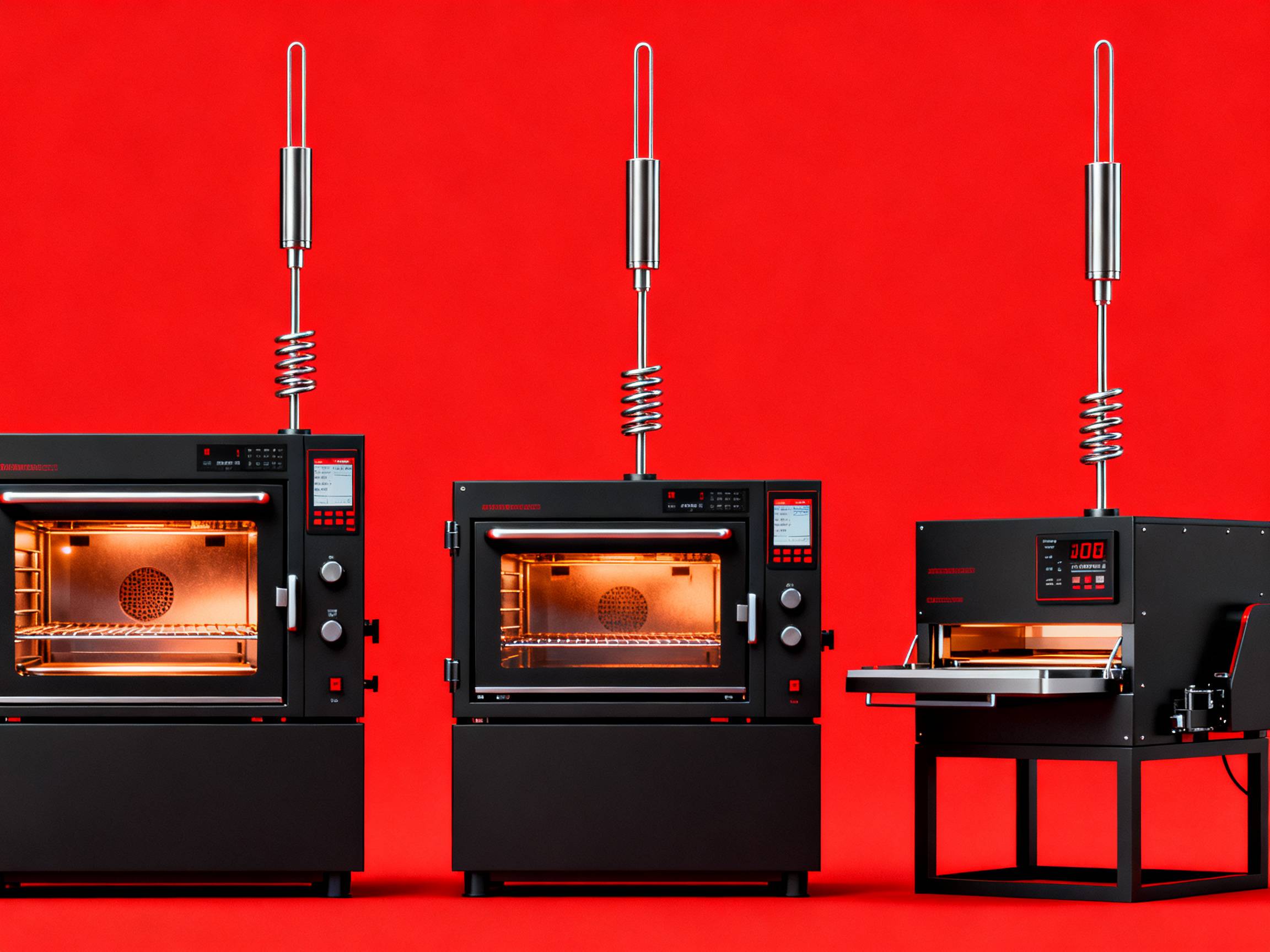
Best suited for high-volume manufacturers in consumer electronics.
You don’t need a one-size-fits-all solution. Whether you’re a small business or a big player in aerospace or semiconductors, there’s a data logger out there that fits your needs.
Pro Insight: When choosing a temperature profiling logger, balance cost and functionality by considering how many thermocouples your process actually requires. Don’t pay for features you’ll never use.
Which Data Logger Fits Your Use Case?
Choosing the right data logger depends on your manufacturing goals. Are you prioritizing scale, precision, or affordability? Here’s a simple idea:
- Small Operations: ECD Oven Tracker
- Medium-sized Industries: KIC Pro Data Logger
- Large-Scale Factories: Shenzhen Chuxin Oven Checker Pro
Still undecided? Take a closer look at your specific needs for thermocouples, data sharing, and system compatibility.
Stay tuned as we dive into features and strategies to operate these tools effectively in the next sections.
Best Practices for Operating Temperature Profiling Tools
Getting the most out of your temperature profiling tools requires more than just turning them on and hitting start. These tools are designed to provide highly accurate insights, but they can only do their job properly when used correctly. So, how do you ensure you’re maximizing their potential? Here are a few essential practices.
1. Regular Calibration is a Must
Picture this: you’re relying on your data logger for consistent readings, but over time, small inaccuracies creep in. This is where regular calibration comes in. Make it a habit to calibrate your devices per the manufacturer’s guidelines. This removes any guesswork and keeps your data accurate—perfect for maintaining high-quality standards in industries like aerospace and semiconductors. According to Tempsens, uncalibrated devices can contribute to serious discrepancies, which could cost your business time and money.
2. Train Your Team
Technology is only as good as the people using it. While advanced tools like the Shenzhen Chuxin Oven Checker Pro offer real-time defect analysis and precision profiling, they won’t provide full value unless your staff knows how to interpret the data. Invest in proper training to help operators understand how to tweak oven settings based on temperature profiles. This can significantly reduce defects in processes like lead-free soldering, where precision is non-negotiable.
3. Use Automated Alerts
Modern data loggers often come equipped with features like automated alerts for temperature inconsistencies. Don’t overlook these! Alerts can act as your safety net, catching abnormalities in real time and giving operators a chance to rectify issues before they snowball into bigger problems. A tool like the ECD Oven Tracker with app integration makes it easy to get notifications on the go.
Expert Tip: Strategies that leverage real-time data insights—like adjusting ramp rates or optimizing airflow patterns—can have a direct impact on reducing defects and improving yield.
4. Analyze and Act on Data
It’s one thing to capture data; it’s another to use it well. Reviewing trends in temperature profiles can uncover hidden inefficiencies in your process. Spot recurring patterns and use these insights to improve. If a line repeatedly runs hotter than expected, it’s a clue to examine airflow, oven maintenance, or even your settings.
5. Maintain Your Tools
Finally, never underestimate the value of maintenance. Dust-laden sensors, poor cable connections, and outdated firmware can all lead to false readings. Keeping equipment clean and updated ensures your temperature profiling tools work as they should.
Whether you’re running a large-scale SMT line or a small-scale operation, adopting these practices will help you get the very best out of your temperature profiling setup. Want more guidance? Keep reading—the next section dives into real-life success stories that prove how these tools can transform manufacturing outcomes.
Why Temperature Profiling is Crucial for SMT Processes
Accurate temperature profiling in curing ovens isn’t just a nice-to-have—it’s a must-have for producing high-quality products in industries like electronics and aerospace. Here’s why it matters so much.
Preventing Defects
Think of the tiny solder joints on a printed circuit board (PCB). They look strong, but if the temperature isn’t perfect during soldering, these joints can weaken. When that happens, the components might not work as expected. This is especially risky for industries like consumer electronics, where durability is key. Plus, in lead-free soldering processes, maintaining the correct heat is even trickier. Materials like lead-free alloys require tighter tolerances to avoid cracks.
Meeting Industry Standards
In 2026, manufacturing regulations have stepped up a notch, meaning companies need precision tools to stay compliant. For industries relying on Surface Mount Technology (SMT), like aerospace and automotives, temperature profiling tools ensure your units meet quality and safety requirements. According to Tempsens, thermal profiling is essential for achieving reliable results in SMT manufacturing.
Boosting Batch Consistency
Beyond individual defects, uneven heat distribution in curing ovens can disrupt entire batches. This downtime could lead to production delays and wasted resources. But proper profiling helps fix these issues by maintaining a steady and even temperature.
Expert Tip: Methods to ensure consistency and precision when monitoring oven temperatures include calibrating each thermocouple before profiling and running test batches to spot inconsistencies early.
Features to Look for in a Data Logger
Picking the right data logger might seem overwhelming, but breaking it down makes it more manageable. You’ll want to pay attention to the following features:
Thermocouple Capacity
This refers to how many temperature sensors a data logger supports. Tools like the KIC Pro Data Logger can handle up to 12 thermocouples, making them ideal for complex operations. Smaller systems, like the ECD Oven Tracker, might work better if you’re focused on cost efficiency.
Real-Time Monitoring
Many modern data loggers provide live data on oven conditions. This allows operators to make adjustments on the fly—a lifesaver when production schedules are tight.
Connectivity Options
Bluetooth compatibility and app integration are growing trends in 2026. For example, the ECD Oven Tracker lets you share data instantly on your phone. Connectivity speeds things up, especially for production teams handling multiple projects.
Durability and Design
From compact designs to rugged builds, your choice depends on the environment. Shenzhen Chuxin Oven Checker Pro, for instance, is tailored for high-volume operations and can take a beating on busy factory floors.
Pro Insight: How to balance cost and functionality? Evaluate your processes and focus on capacity and compatibility first. Extra features are tempting, but they’re only helpful if they serve a purpose in your daily workflows.
Temperature profiling isn’t just about doing what’s required; it’s about making your operations smoother, faster, and more reliable. The tools available today bring so much more value when used effectively. Ready to learn how to pick the ideal logger for your use case? Let’s keep going!