Chinese SMT Equipment vs Japanese: Honest Comparison for 2025
Evidence-driven comparison of Chinese vs Japanese SMT equipment emphasizing supply-chain & service, lead times, MES/CFX readiness, and scenario-based buyer recommendations.
Practical guide for SMT engineers on automated board-width adjustment and recipe-driven changeovers to cut MTTC (20→5 min); includes integration, checklist, and KPIs.
Standards‑anchored ultimate guide on automatic PCB conveyors compliance—SMEMA, IPC‑HERMES‑9852, IPC‑2581—and damage‑reduction practices to improve FPY. Read now.
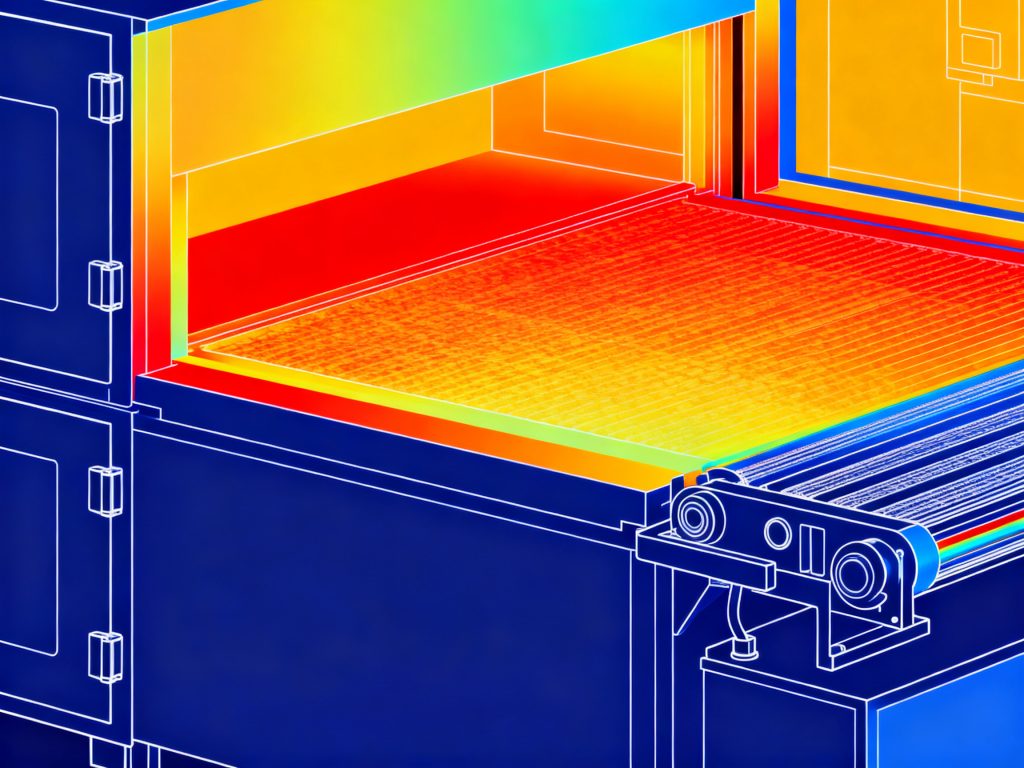
Process windows, DOE template, and X‑ray SOP to reach ≤2% average QFN thermal‑pad voids using vacuum reflow with profile and vacuum adjustments.
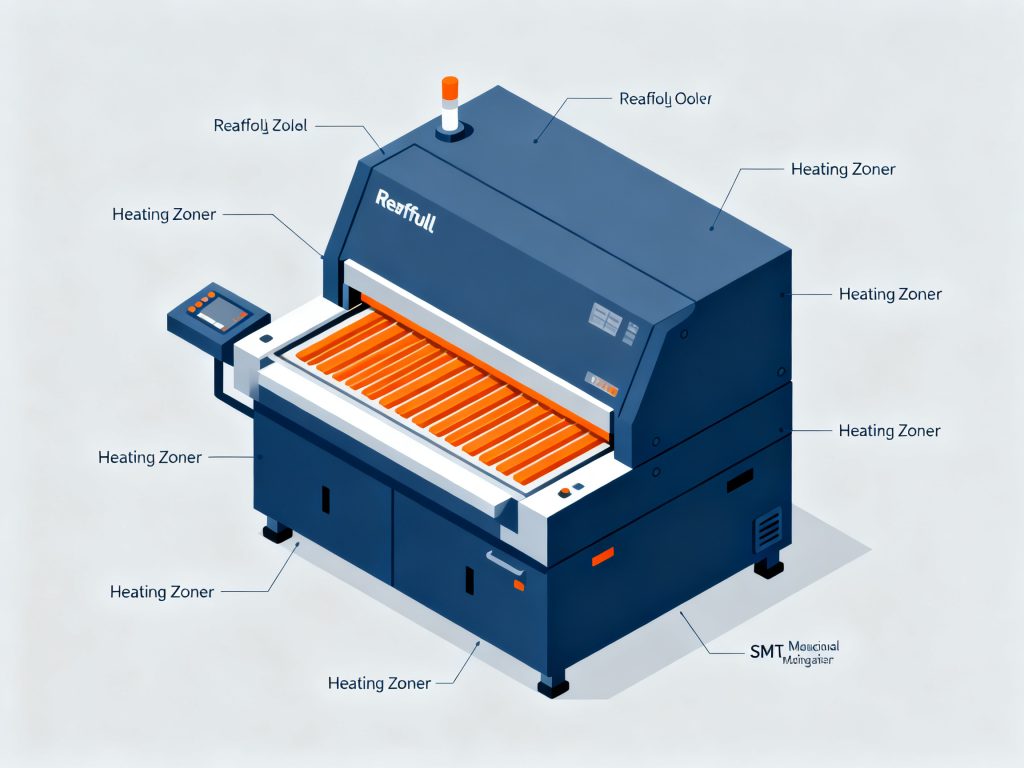
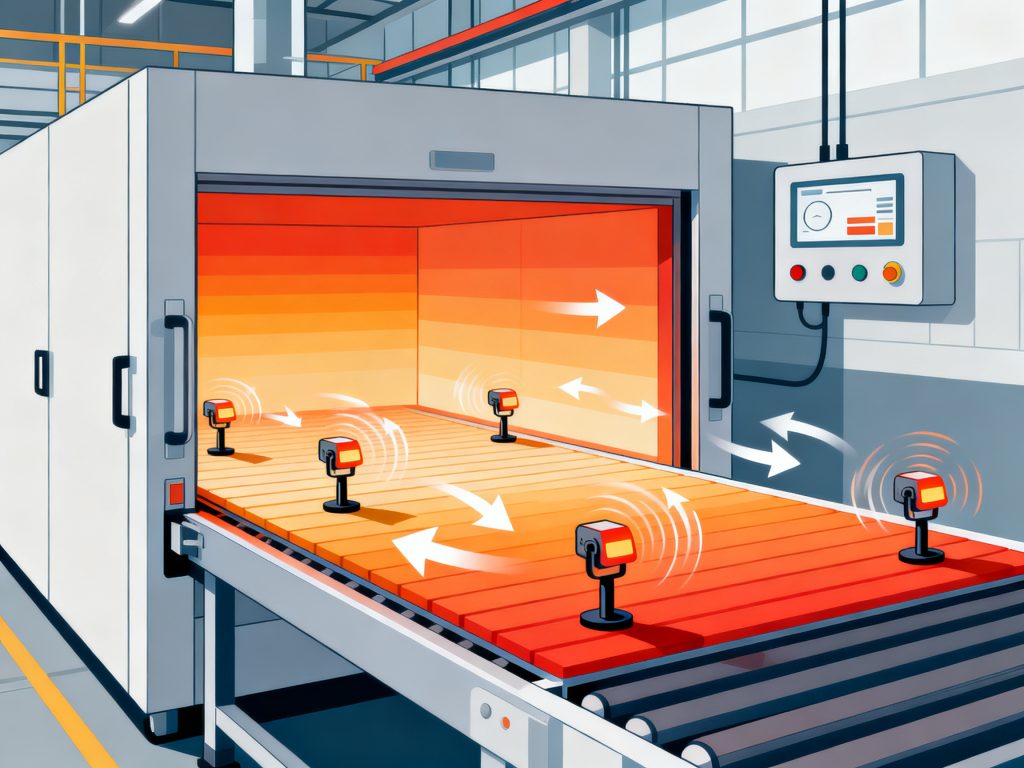
SMT integration and MES traceability boost reflow oven efficiency, enable real-time monitoring, and ensure quality control in modern SMT production lines.
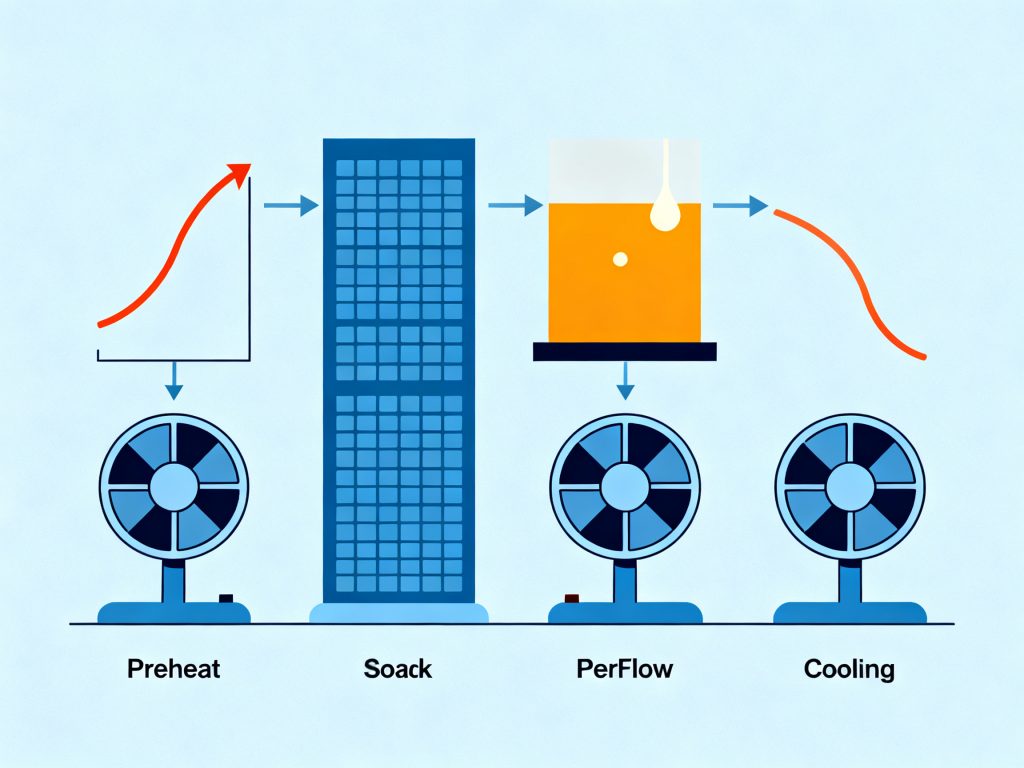
Master lead-free soldering with a reflow oven by controlling temperature, zones, and profiles for strong, reliable joints and fewer production defects.
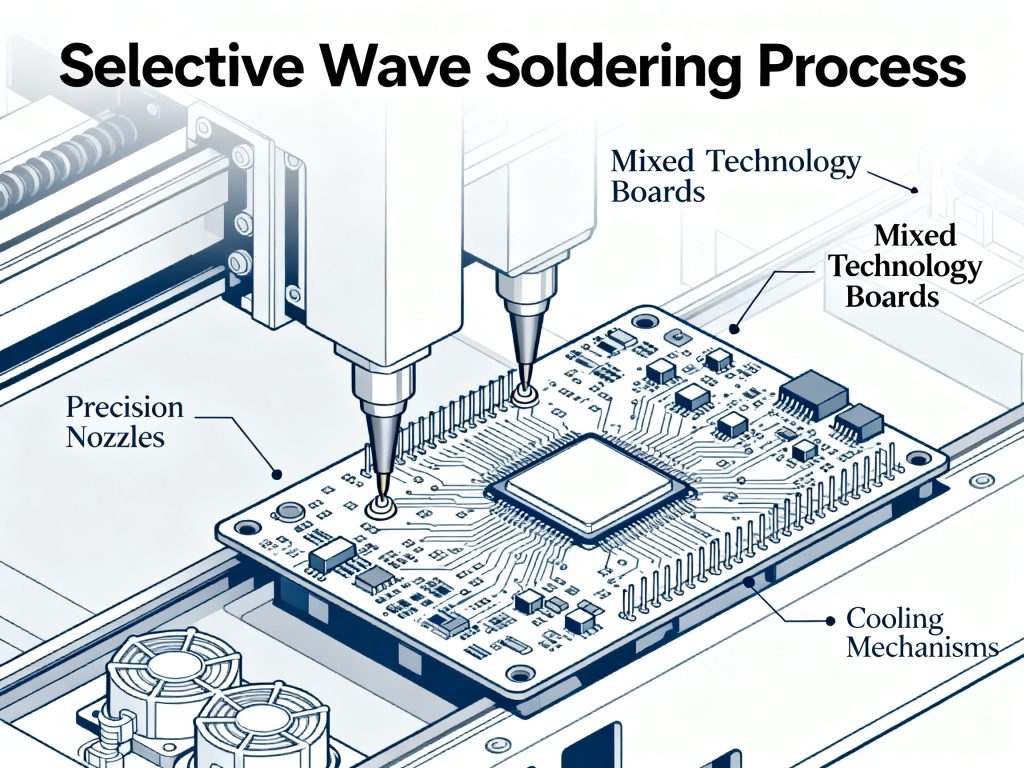
Achieve fast, compliant SMT integration in 2026 with strategies for speed, regulatory adherence, and quality in mixed technology PCB assembly.
Set the right buffer conveyor capacity for AOI/SPI bottlenecks to prevent SMT line stops, balance inspection flow, and boost PCB production efficiency.
PCB inverter use in SMT lines is essential for double-sided assembly, automation, and preventing board damage during high-temperature processes.
Compare automatic vs manual width adjustment for SMT conveyors—changeover time, repeatability, integration (SMEMA/Hermes/CFX), maintenance and TCO to choose the best for medium‑mix lines.