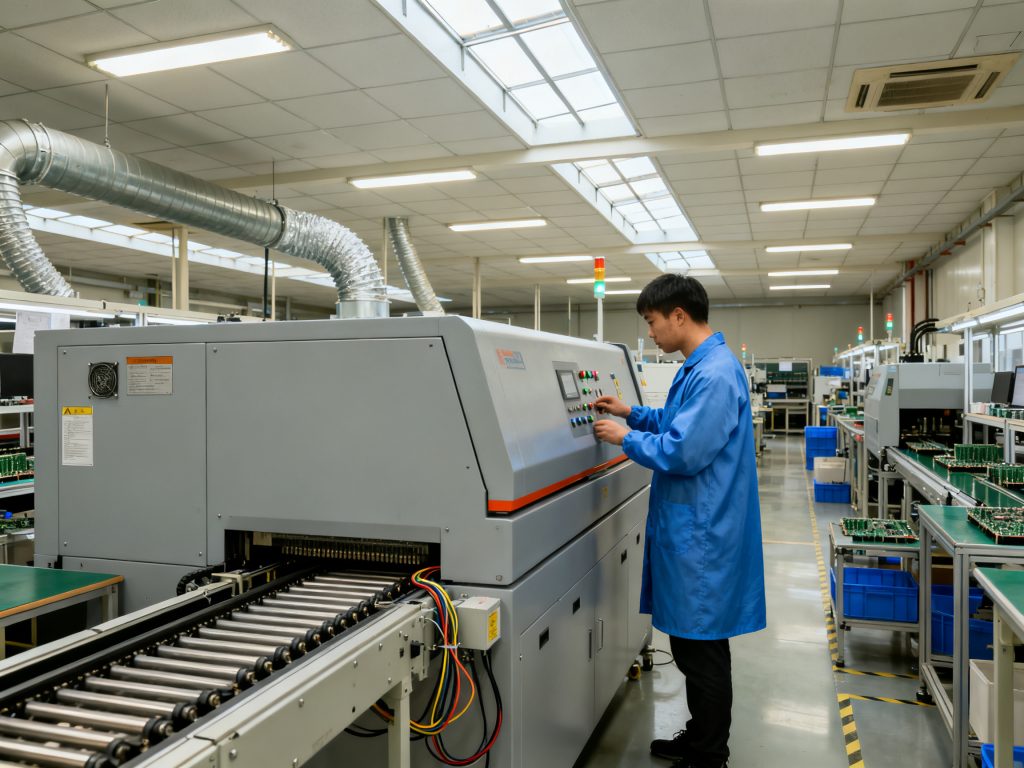
미니 주도 리플로우 오븐 리드 타임에 대한 인증 확인
리드 타임 지연을 방지하고 규정을 준수하여 원활하고 중단 없는 조립 라인 생산을 위해 미니 주도 리플로우 오븐이 인증을 받았는지 확인하세요.
Ensure your wave soldering machine supports automation by matching specs to production needs, integration, and future scalability.
Choose the best lead-free reflow oven to ensure precise thermal profiles and improve solder quality, reducing defects in your electronics production process.
SMT Factory line planning faces challenges like equipment compatibility, skills gaps, and supply chain risks. Solutions help ensure scalable, efficient growth.
Moreover, the development of an optimal reflow profile necessitates aligning with standards such as IPC-7530, using precise measurement tools like thermocouples. Key stages of a profile, including ramp-up and time above liquidus, must be calibrated to avoid damaging the components while ensuring robust solder joint formation. Recent advancements, such as utilizing AI and machine learning, offer real-time adjustments, thereby enhancing manufacturing efficiency and maintaining superior soldering quality [source](https://www.chuxin-smt.com/id/development-history-reflow-ovens-innovations-future-trends/).
In 2025, the consistency of wave solder temperature remains a pivotal focus in Surface Mount Technology (SMT) processes, underscoring its importance in achieving manufacturing precision and reliability.
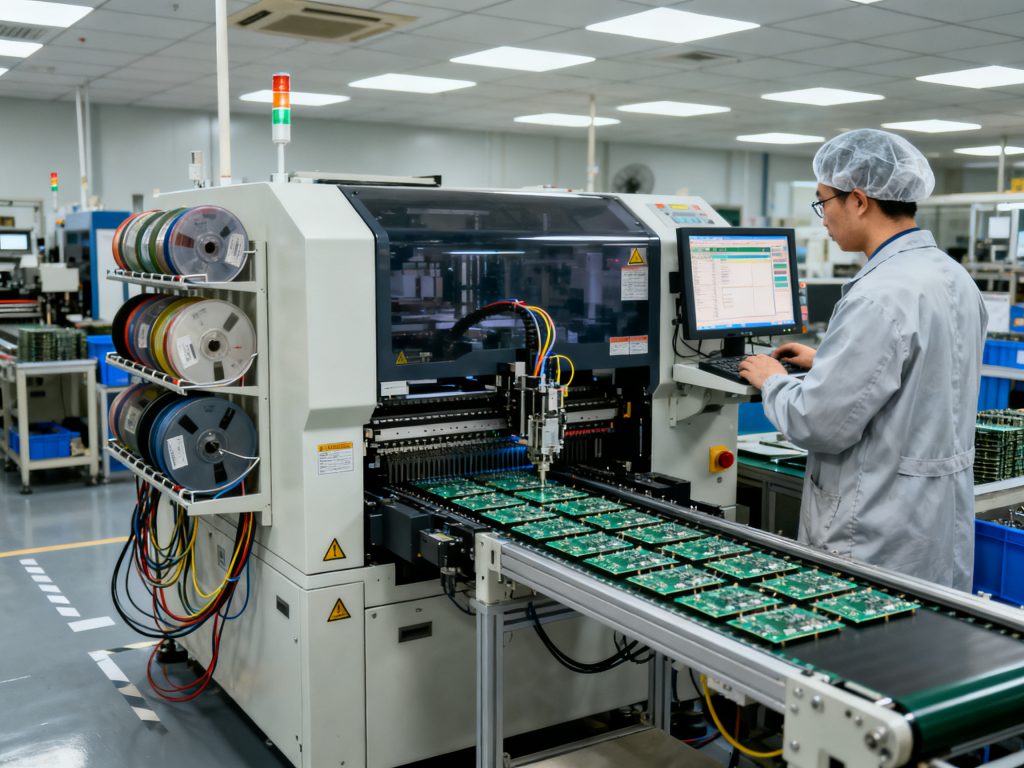
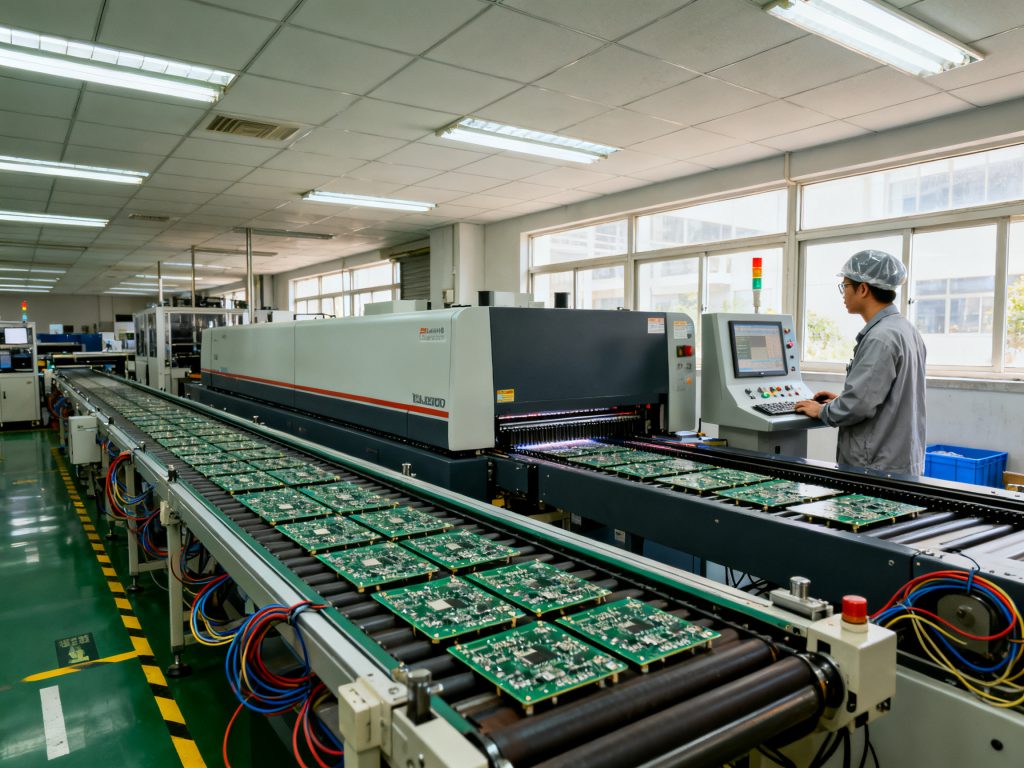
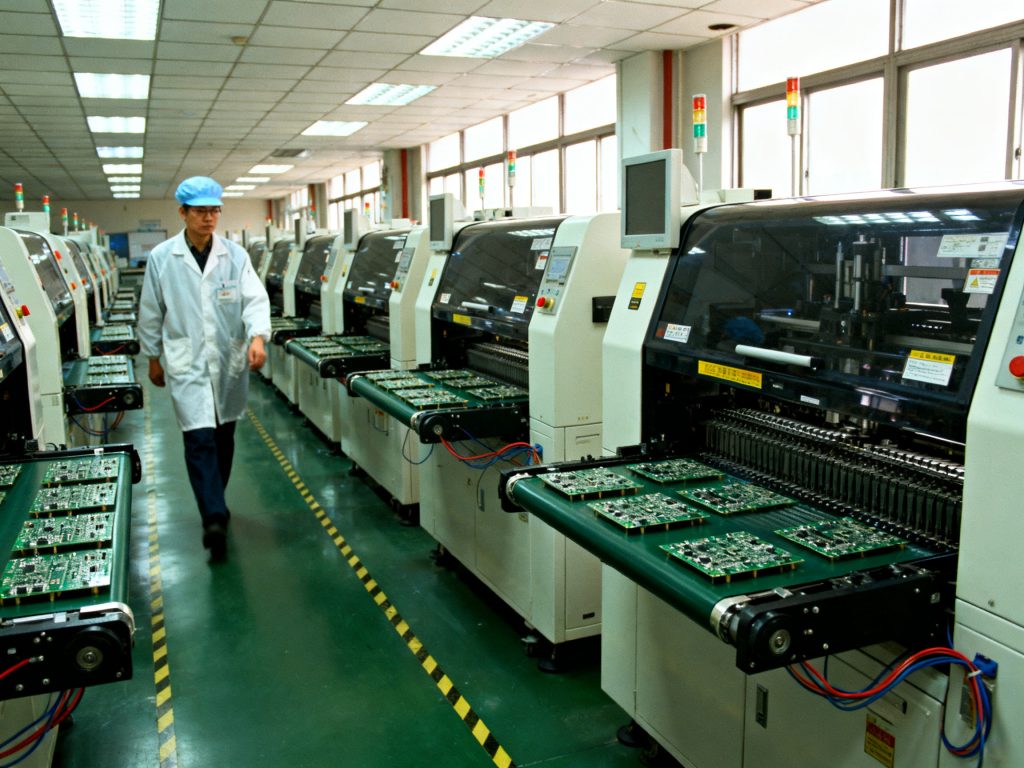
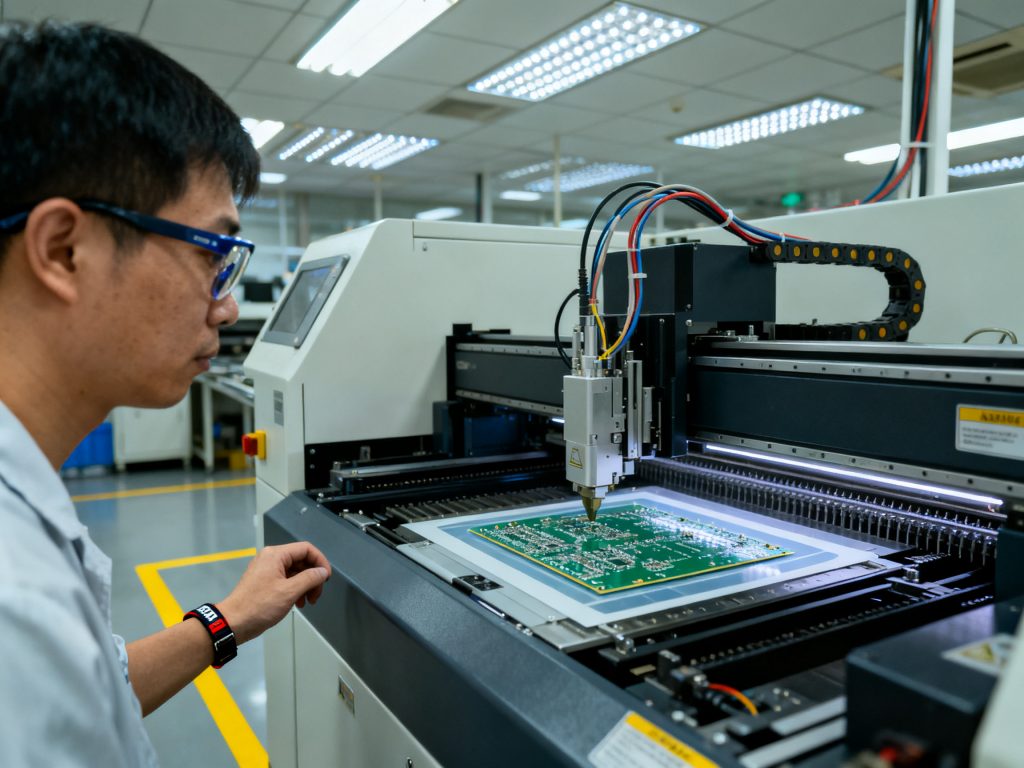
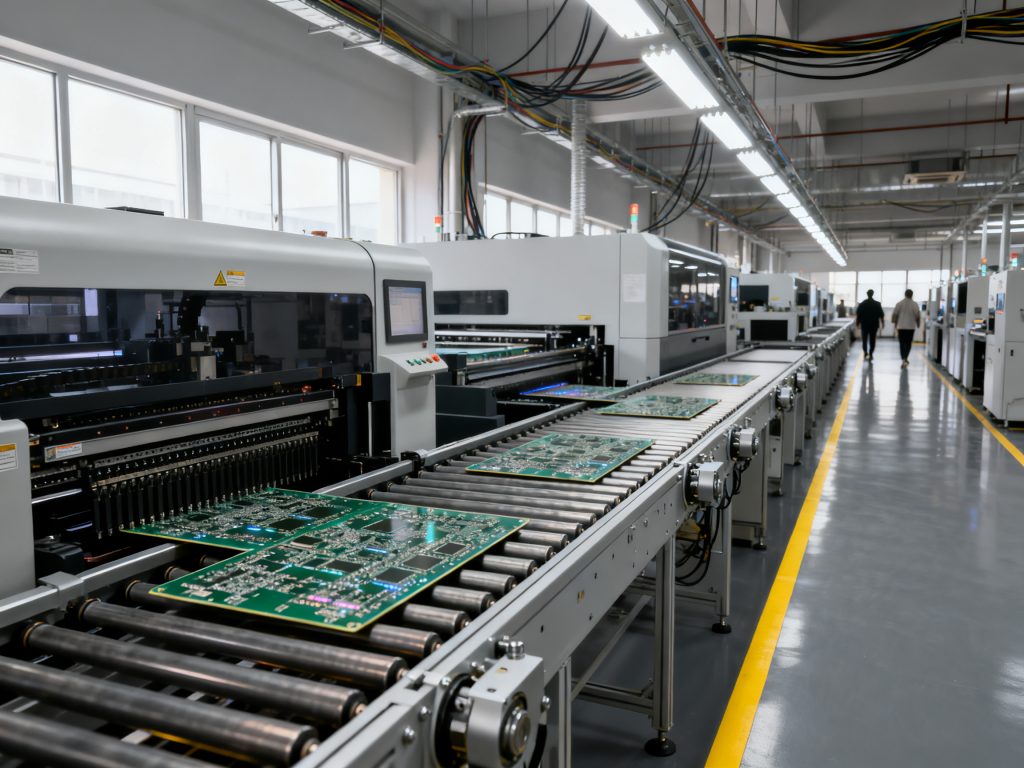
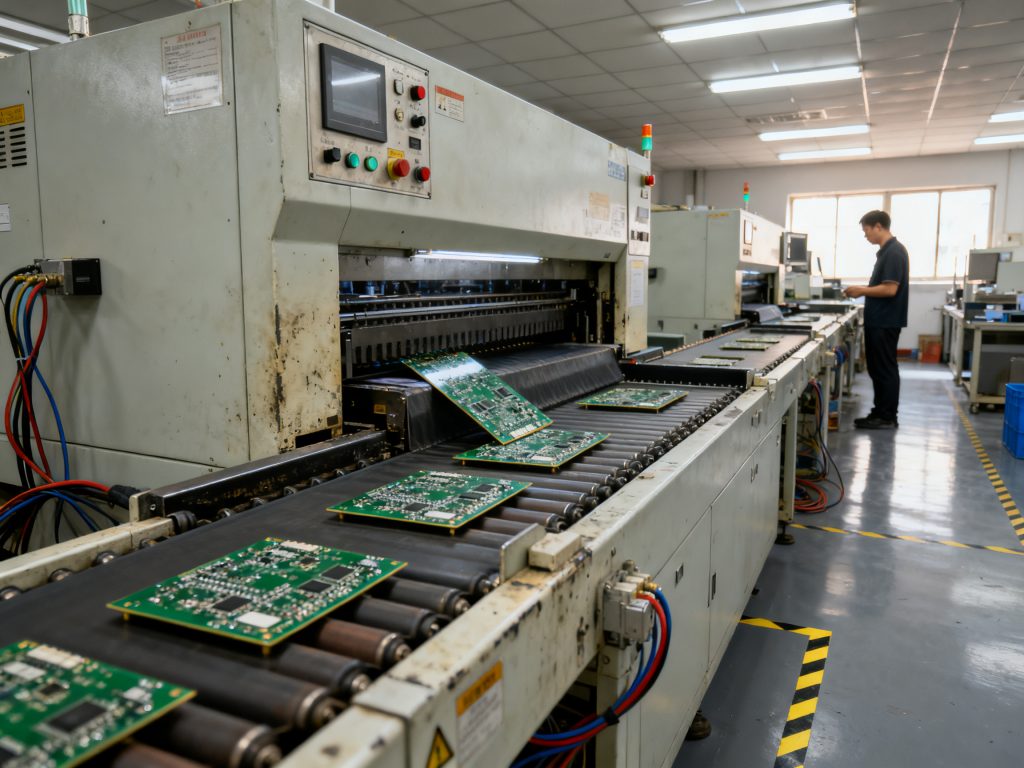
Surface Mount Technology (SMT) reflow ovens are crucial components in the electronics manufacturing sector, facilitating the precise soldering of surface-mounted components onto printed circuit boards (PCBs). These ovens are designed to ensure the seamless melting and solidification of solder paste, thereby establishing robust electrical connections.
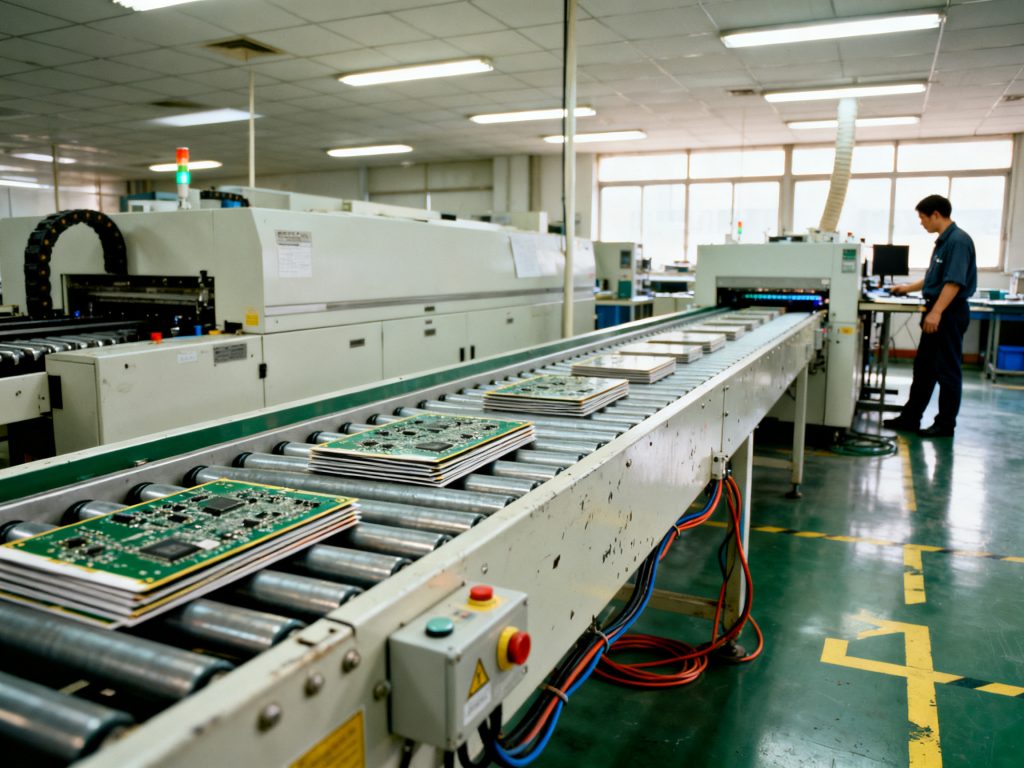
Wave soldering represents a pivotal technique within Surface Mount Technology (SMT) manufacturing. As an automated process, it significantly enhances production efficiency by seamlessly integrating through-hole components into printed circuit boards (PCBs). This methodology involves passing the PCB over a wave of molten solder, hence ensuring robust and uniform solder joints when executed correctly.
Reflow oven temperature profiles are critical frameworks detailing the various temperature levels and their corresponding durations utilized in the Surface Mount Technology (SMT) manufacturing process. These profiles are particularly instrumental in ensuring the precise heating and soldering of electronic components onto printed circuit boards (PCBs). A meticulously defined temperature profile is pivotal for achieving quality solder joints, therefore reducing the likelihood of defects.
The importance of accurate temperature profiling in SMT production cannot be overstated. It correlates directly with product quality, reliability, and manufacturing efficiency. By closely monitoring and adjusting the temperature profiles, manufacturers can mitigate several common issues such as solder bridging, voids, and tombstoning. Maintaining optimal temperature control is essential for maximizing throughput and minimizing cycle times, all while adhering to stringent quality standards that are crucial in electronics manufacturing.
Wave soldering is a vital technique within the domain of surface mount technology (SMT) processes, playing an essential role in the assembly and manufacturing of electronic components. It involves passing printed circuit boards (PCBs) over a pan of molten solder, ensuring efficient bonding of components like capacitors and resistors to the board. As of 2025, wave soldering remains integral to achieving high throughput and precision, crucial for both mid-sized and large-scale electronics manufacturers.