


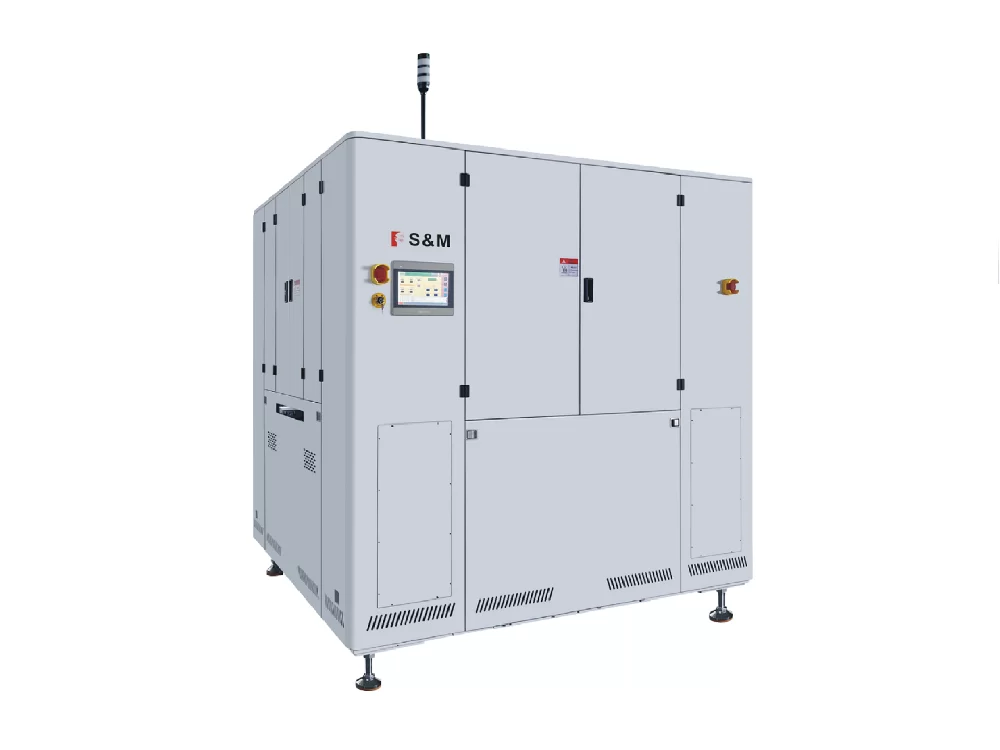
SMT 경화 오븐에서 예열 및 냉각 시스템의 중요성
SMT 경화 오븐의 예열 시스템은 열 충격을 줄이고, 솔더 접합 품질을 개선하며, 가열 및 냉각을 제어하여 PCB 신뢰성을 높입니다.
SMT 경화 오븐의 예열 시스템은 열 충격을 줄이고, 솔더 접합 품질을 개선하며, 가열 및 냉각을 제어하여 PCB 신뢰성을 높입니다.

경화 오븐과 리플로우 오븐: 공정, 용도 및 선택 팁을 비교하여 제조 및 전자 애플리케이션에 가장 적합한 오븐을 선택하세요.
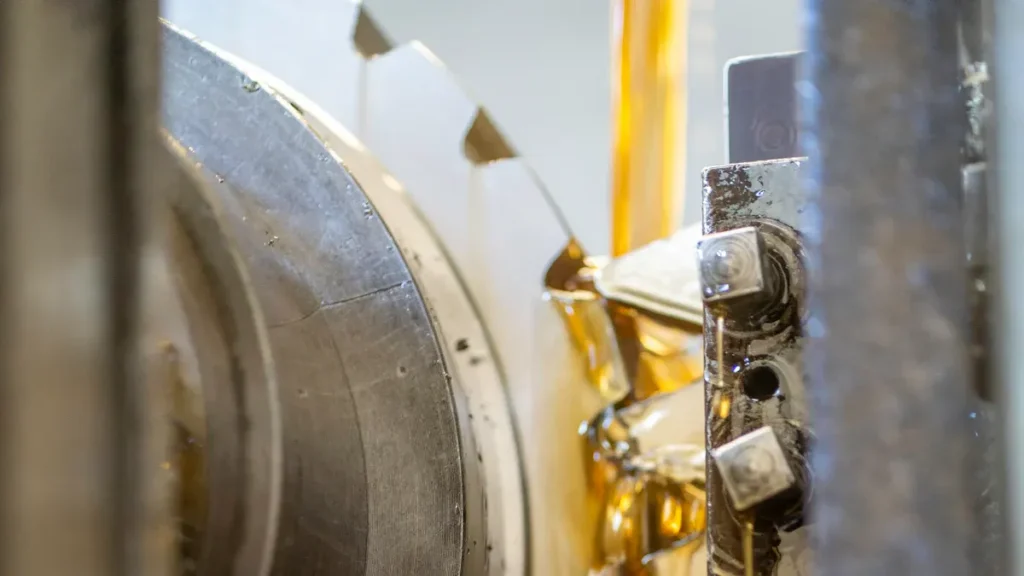
실용적인 에너지 절약 팁으로 SMT 경화 오븐의 에너지 비용을 절감하세요. 효율성을 개선하고 품질을 유지하며 시설의 지속 가능성을 지원하세요.
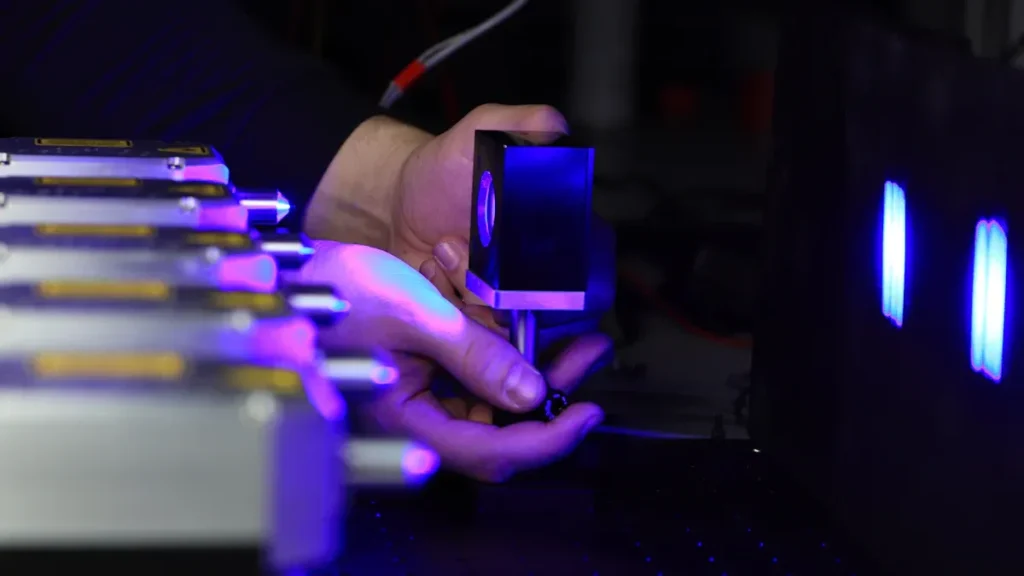
SMT 경화 오븐의 작동 원리: IR 및 UV 오븐은 제어된 열 또는 빛을 사용하여 PCB의 접착제를 경화시켜 강력하고 신뢰할 수 있는 전자 어셈블리를 만듭니다.
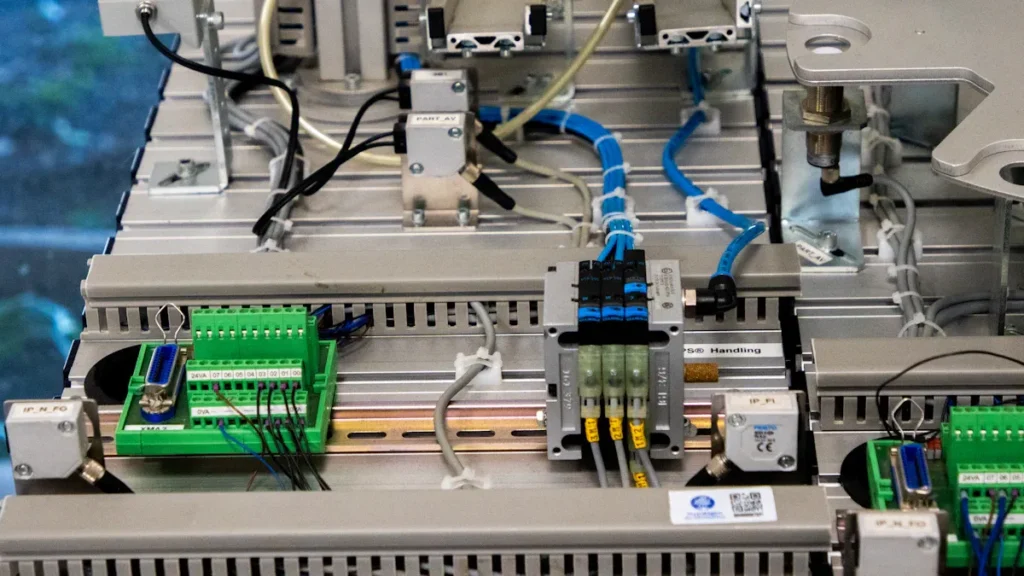
Choose the right Selective Wave Soldering Machine for mixed PCB assembly by considering board size, production needs, component types, and automation features.
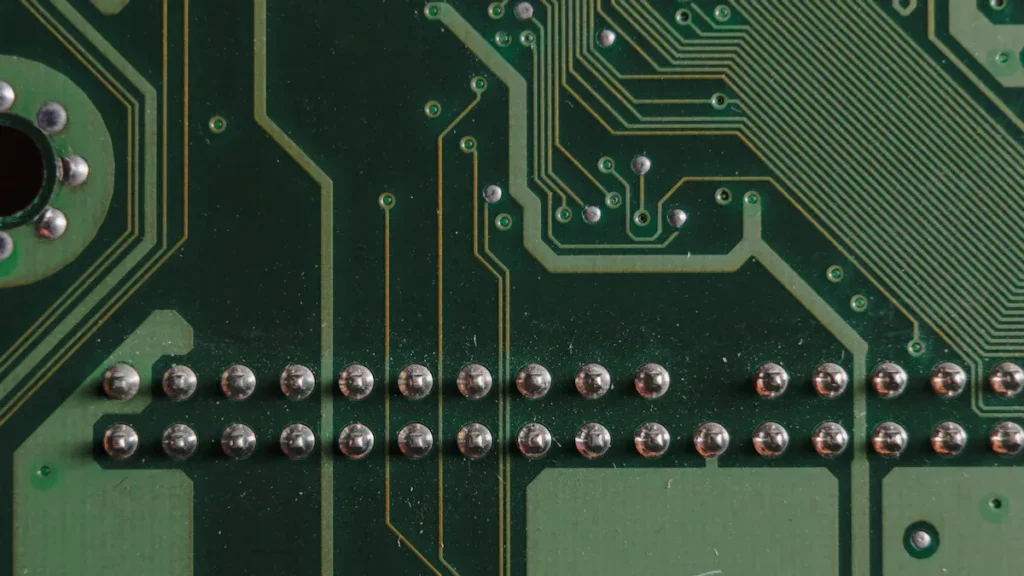
Solve solder bridging in wave soldering by adjusting wave height, flux, and design to prevent unwanted connections and improve PCB yield.
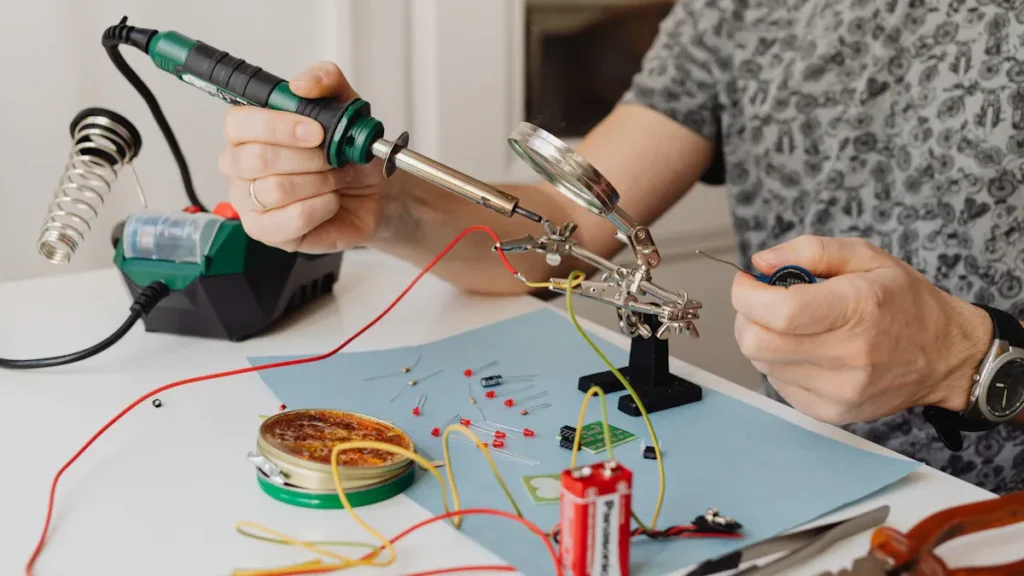
Solve cold joints in reflow soldering with expert tips on identification, prevention, and repair for strong, reliable solder connections.

Nitrogen Systems in reflow ovens reduce oxidation, enhance solder joint quality, and increase production efficiency for reliable electronics manufacturing.

After-Sales Demand Trends in 2025 show rising automation, digitalization, and eco-friendly solutions for loader and unloader equipment.

Buying Guide for loader/unloader spare parts: ensure compatibility, safety, and reliability while choosing suppliers and managing maintenance costs.