



Opublikowano: 10 May 2026
Czas czytania: 10 minutes
Recenzent:
Top 10 Selective Soldering Machines in 2026: Features, Pricing, and Expert Insights
In a market driven by speed and precision, choosing the right selective soldering machine directly impacts your production quality and efficiency. With so many options available, picking the best tool for your needs can feel overwhelming. Are you aiming to minimize defects or switch to lead-free compliance? Either way, we’ve got you covered.
With tools ranging from compact tabletop systems to advanced models designed for high-volume SMT manufacturing, knowing what to look for can make all the difference. Let’s dive into what makes these machines tick, and which models stand out in 2026.
Jace Liu is an expert in SMT technology and soldering solutions, with over a decade of experience in electronics manufacturing. Jace specializes in evaluating advanced soldering systems and guiding manufacturers in technology upgrades to match modern production demands.
Section Header: Introduction to Precision Soldering
When it comes to manufacturing today, precision isn’t just a bonus—it’s mandatory. That’s where selective soldering machines shine. These tools focus on detailed soldering areas, ensuring high-quality connections while avoiding unnecessary thermal damage to nearby components. For industries like consumer electronics, semiconductors, and aerospace, where reliability is key, they’re non-negotiable.

The rise in demand for selective soldering? It’s coming from the push for smaller devices and more intricate electronic designs. Think about it—smartphones, tiny wearable tech, and advanced semiconductors all require incredibly precise soldering. That’s not something you can easily achieve with traditional methods.
This guide covers the top 10 selective soldering machines on the market in 2026. From advanced systems for large factories to compact tabletop systems for smaller operations, we’ll help you figure out what suits your needs best. Whether you’re optimizing for cost, efficiency, or quality, there’s something here for everyone.
Top Selection Criteria for Modern Selective Soldering Machines
Not all selective soldering machines are created equal. With so many models to choose from, knowing what features matter most can save you time and money. Let’s break down the key things to look for when picking a machine in 2026.
What Features Matter?
Precision, speed, and defect reduction are the trifecta of any great soldering system. If you’re working with intricate components like BGA or QFN chips, precision soldering becomes absolutely essential. Machines that offer automated process controls tend to excel here. They adjust solder profiles and flux application automatically, making it easier to achieve reliable solder joints without overheating nearby components.
Speed matters, especially for high-volume production. A slower machine can bottleneck an entire assembly line. Look for models with quick setup times, dual-nozzle systems, or inline configurations. These features help boost efficiency without sacrificing quality.
Defect reduction is another major priority. Lead-free compliance, for example, has drastically changed soldering requirements in industries like electronics and aerospace. Advanced systems monitor soldering temperatures, flux application, and even board placement to identify potential defects before they become costly mistakes.
Industry-Specific Needs
If you’re manufacturing consumer electronics or automotive parts, compatibility with BGA and QFN components is a must-have. These component types require tight thermal control and impeccable precision. Aerospace manufacturers, on the other hand, might prioritize lead-free compliance and durability to meet international regulations.
Take smartphones or tiny wearables, as an example. These products demand mini selective wave soldering machines for their smaller but complex boards. Such machines let you precisely solder intricate devices without damaging sensitive areas. It’s game-changing for sectors pushing tech boundaries.
Why Automation Matters
Production speed doesn’t only depend on machines but also on how automated they are. Systems capable of working autonomously shrink the labor footprint, reduce errors, and save time. For example, soldering stations linked to inventory databases can ensure real-time updates and help minimize downtime caused by material shortages.
Porada eksperta: Balancing cost with features when choosing soldering systems comes down to clearly defining your priorities. If reliability ranks highest, invest in a machine with automated defect detection and robust thermal profiles—even if it’s a higher initial outlay. Long-term savings on repairs and downtime can more than justify the cost.
Modern selective soldering machines aren’t just tools—they’re investments. Getting it right means fewer production headaches and better overall quality. In the next section, we’ll look at specific models and their standout features.
Compact Yet Powerful: Excellent Machines for Small-Scale Operations
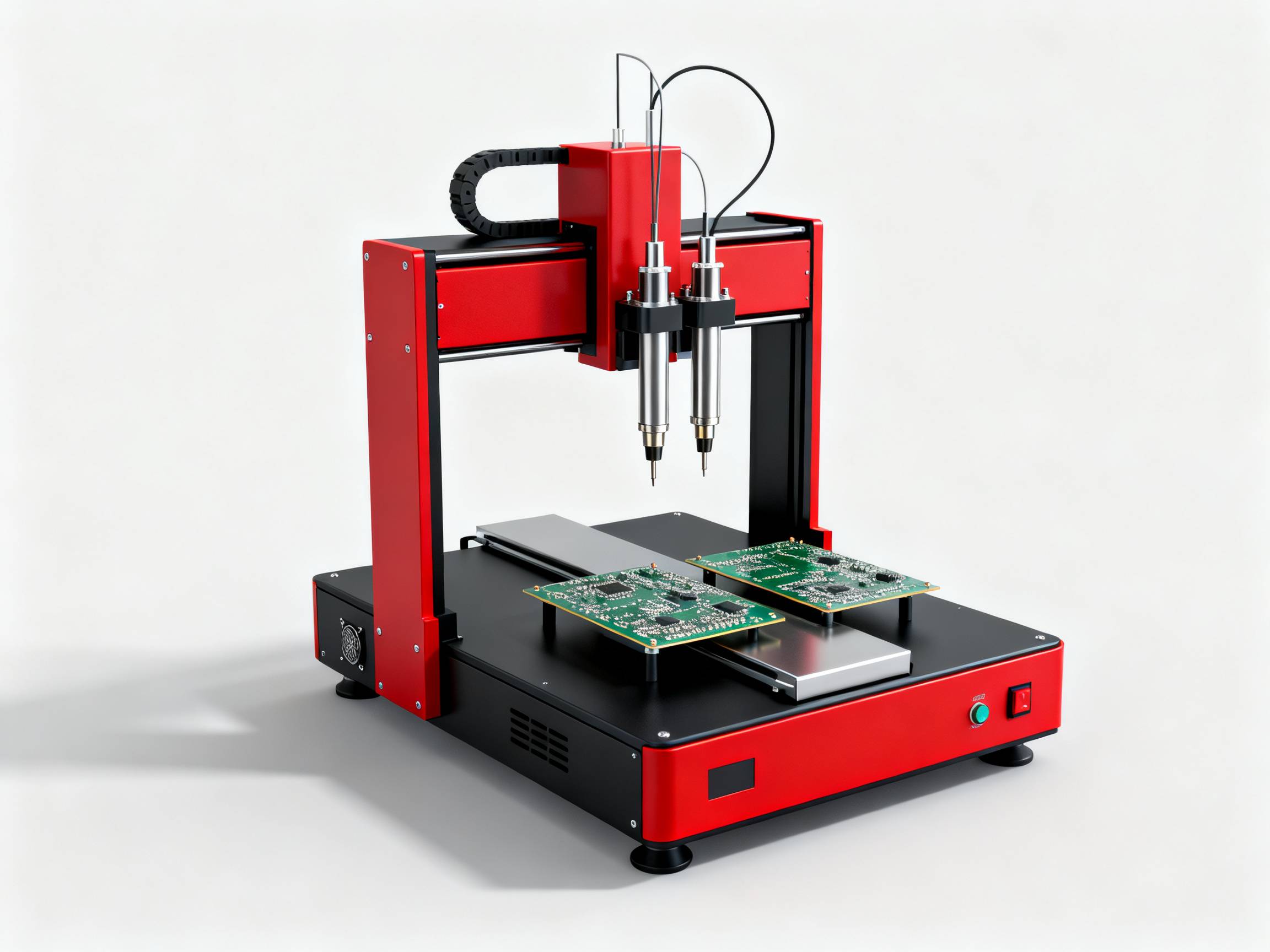
Not every production floor has unlimited space, and that’s where table top selective soldering machines shine. Compact but capable, these machines are tailored for businesses needing precision soldering without compromising on a tight layout or budget. Let’s take a closer look at why these are a big win for smaller manufacturers and how they’re specialized for handling delicate components.
Why Choose Table Top Selective Soldering Machines?
First off, their compact design. These machines are tailor-made for limited space production lines, making them perfect for businesses that don’t have massive factory setups. With a footprint the size of a small desk, these devices can seamlessly integrate into existing workflows without expensive infrastructure upgrades.
On top of that, they come with competitive cost pricing. Smaller manufacturers, especially startups or those entering niche markets, can get high-precision soldering capabilities without the hefty price tag associated with larger machines. When margins matter (and they often do), this affordability makes a huge difference.
Handling the Delicate Stuff
Table top models excel at dealing with small and sensitive components. Think wearables or compact IoT boards. Their precise thermal controls and specialized nozzles ensure delicate parts get soldered with pinpoint accuracy. This precision is especially critical for avoiding damage to components like BGAs, fine-pitch leads, and QFNs. From what we’ve seen, these machines are just as effective on intricate designs as their larger counterparts but at a fraction of the size.
For smaller-scale manufacturers eyeing precision and affordability in 2026, these machines strike the right balance. S&M Co. Ltd. has options designed to meet this market need, perfect for innovators in consumer electronics and other exacting industries.
In the next section, we’ll zoom in on some specific standout models worth your investment.