Top Ways SMT Automation Reduces Manufacturing Costs
SMT Automation reduces manufacturing costs by cutting labor, minimizing waste, boosting efficiency, and improving product quality in production lines.
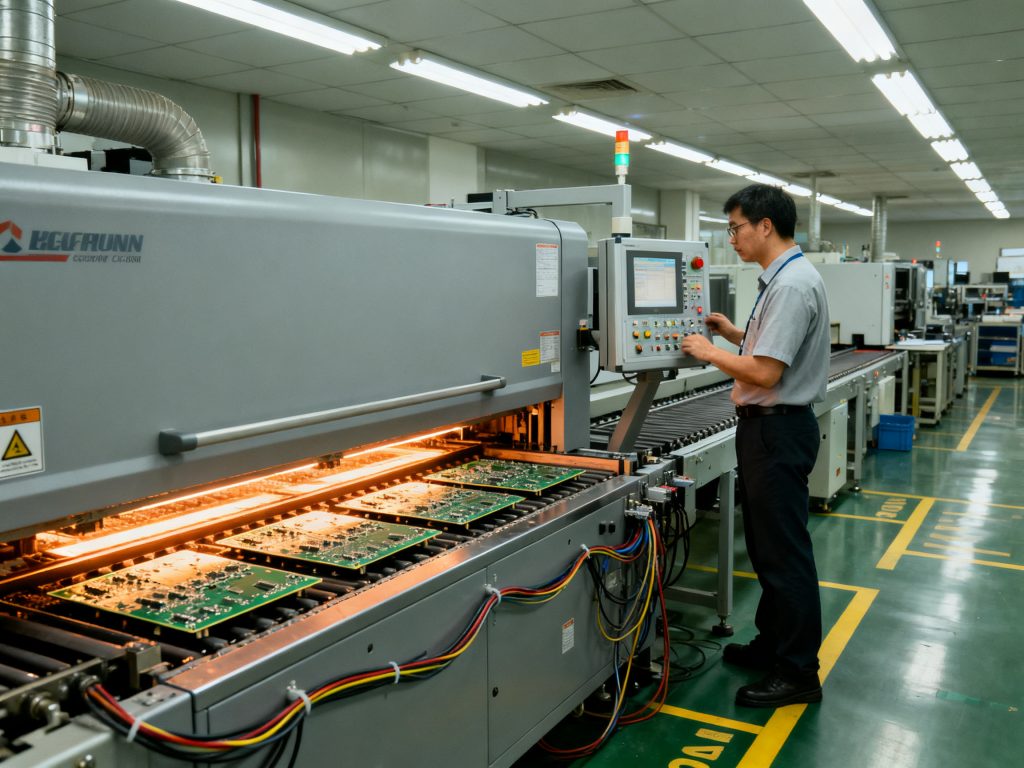
Calibration, airflow, and material compatibility in reflow oven design impact lead-free SMT solder quality, reliability, and overall price-performance.
Board handling equipment encompasses a range of tools and systems designed specifically for the efficient movement and management of printed circuit boards (PCBs) throughout the manufacturing process.
AOI inspection issues like calibration errors, poor lighting, and operator mistakes can reduce detection accuracy and impact product quality.
Hidden factors like build quality, energy use, and support impact wave soldering machine price performance and SMT assembly costs over time.
Conveyor systems are integral to the efficiency of Surface Mount Technology (SMT) manufacturing processes.
Infrared reflow ovens offer significant advancements in electronics manufacturing by providing energy-efficient soldering methods, faster heating, and improved production efficiency. These ovens are particularly beneficial in high-volume industrial settings due to their rapid thermal response and reduced energy consumption which lowers operational costs. Although they require considerable initial investment and may face challenges with complex PCB designs, their advantages, such as precision placement and high-speed operation, enhance product quality and manufacturing agility. To optimize their use, manufacturers should focus on robust thermal profiling, regular calibration, and operator training while considering integration with advanced SMT equipment to maximize throughput and maintain competitive advantages.
The growth of the electronics industry has precipitated a substantial demand for efficient PCB handling solutions.
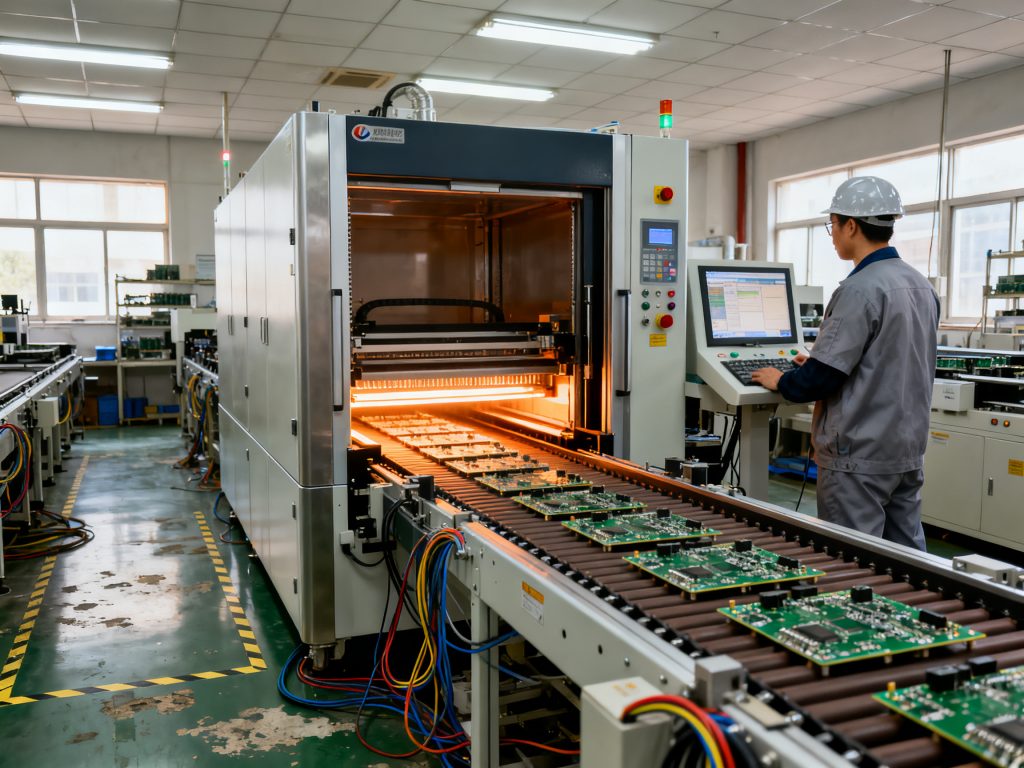
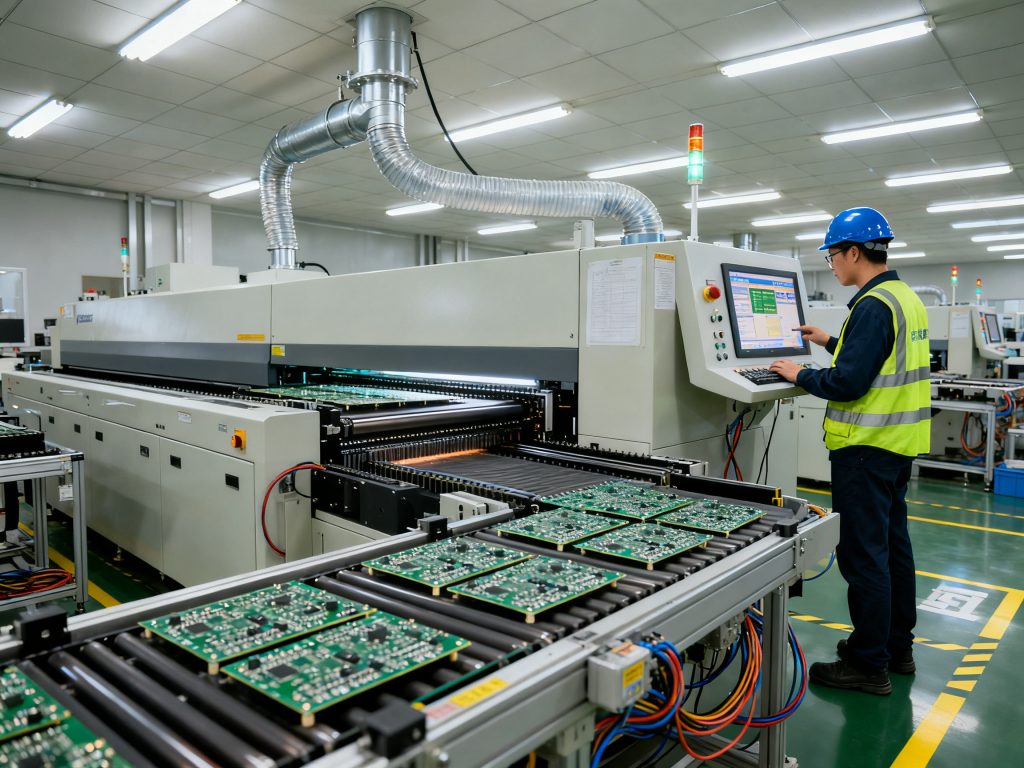
Reflow ovens are essential in Surface Mount Technology (SMT) for creating reliable solder joints and enhancing production efficiency. Precise thermal profiling and careful adjustment of temperature zones and conveyor speeds are crucial to optimizing reflow oven performance. Leveraging advanced monitoring tools can further reduce defects and improve product quality. Future developments in reflow technology include integrating smart manufacturing processes and enhanced thermal management, which allow manufacturers to adapt to changes and maintain competitiveness. Industry leaders recommend focusing on setup precision, regular maintenance, and adopting Industry 4.0 principles to maximize benefits.
PCB reflow ovens play a critical role in modern electronics manufacturing by ensuring precise soldering and increased production efficiency, especially amidst the demands for miniaturization and sophisticated components. In 2026, next-generation ovens feature AI integration for real-time process optimization, modular designs for scalability, and Industry 4.0 connectivity, all aimed at enhancing precision and sustainability. When selecting a reflow oven, it’s imperative to consider thermal management, energy efficiency, and integration with SMT assembly lines. Technological advancements, such as AI-driven thermal profiling and energy-saving innovations, offer manufacturers the opportunity to reduce defects, improve production throughput, and achieve greater operational efficiency. Manufacturers are encouraged to leverage these advancements to maintain competitiveness and meet the evolving demands of the modern electronics landscape.