


Cum se ajustează viteza și sincronizarea în transportoarele PCB
Reglați viteza și sincronizați transportoarele PCB utilizând VFD-uri, PLC-uri și senzori pentru un flux de lucru eficient și o calitate constantă a plăcilor în producția de electronice.
Explorați gama completă de echipamente SMT de la Chuxin, inclusiv cuptoare reflow, mașini pick and place, imprimante stencil, transportoare și linii complete de producție SMT. De înaltă calitate, fiabile și personalizabile.
Reglați viteza și sincronizați transportoarele PCB utilizând VFD-uri, PLC-uri și senzori pentru un flux de lucru eficient și o calitate constantă a plăcilor în producția de electronice.
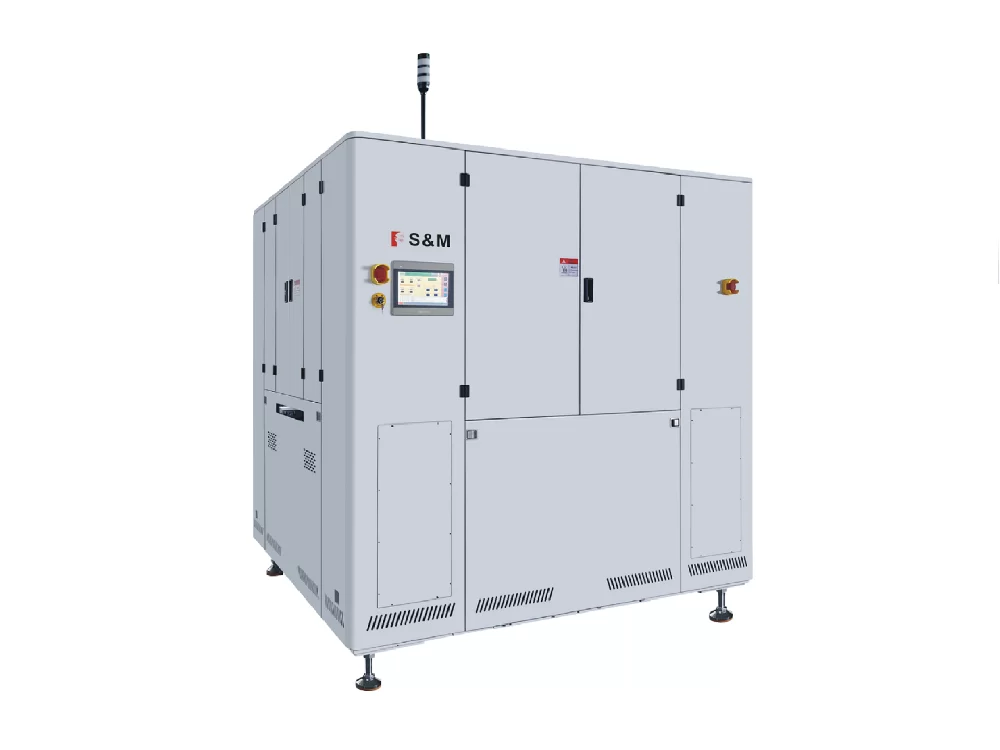
Sistemele de preîncălzire din cuptoarele de întărire SMT reduc șocul termic, îmbunătățesc calitatea îmbinărilor de lipire și sporesc fiabilitatea PCB prin încălzire și răcire controlată.

Cuptor de întărire vs Cuptor de reflow: Comparați procesele, utilizările și sfaturile de selecție pentru a alege cel mai bun cuptor pentru aplicațiile dvs. de producție și electronice.
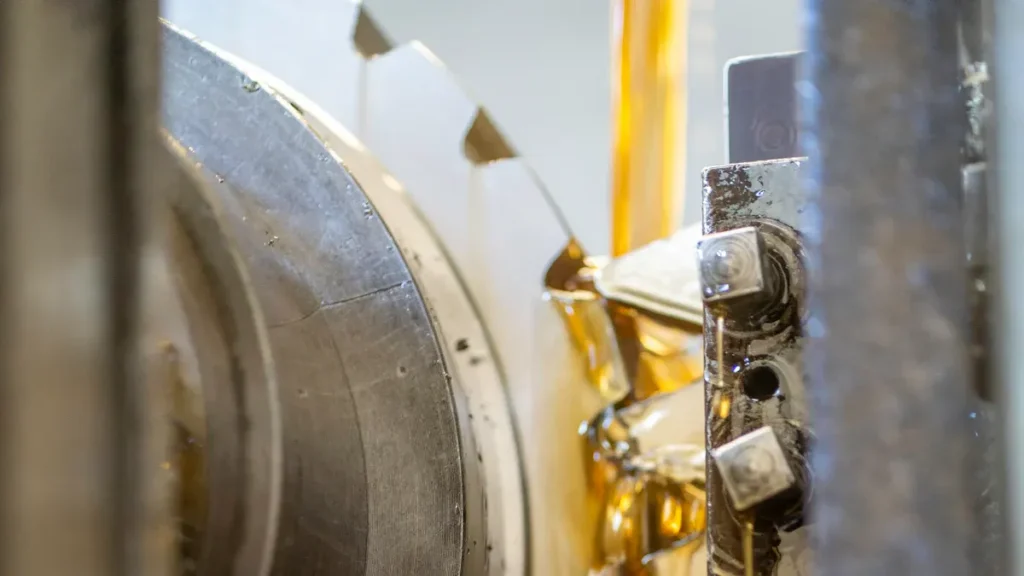
Reduceți costurile de energie în cuptoarele de întărire SMT cu sfaturi practice de economisire a energiei. Îmbunătățiți eficiența, mențineți calitatea și susțineți durabilitatea în unitatea dumneavoastră.
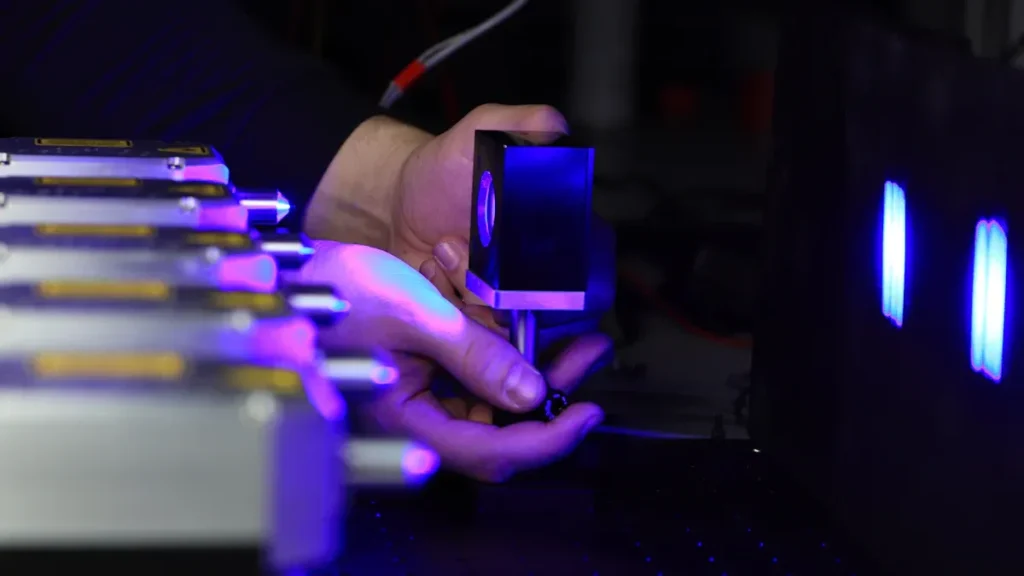
Principiul de funcționare al cuptoarelor de întărire SMT: Cuptoarele IR și UV întăresc adezivii de pe PCB-uri folosind căldură sau lumină controlată pentru ansambluri electronice puternice și fiabile.

Programarea și depanarea în lipirea selectivă asigură mai puține defecte, îmbinări fiabile și producție eficientă prin optimizarea configurației mașinii și a controlului procesului.
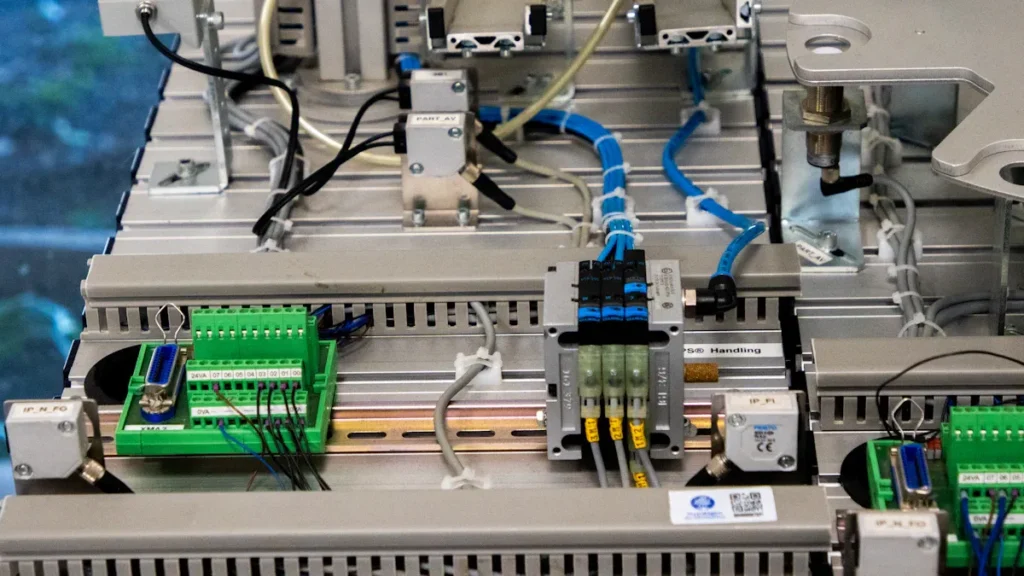
Choose the right Selective Wave Soldering Machine for mixed PCB assembly by considering board size, production needs, component types, and automation features.
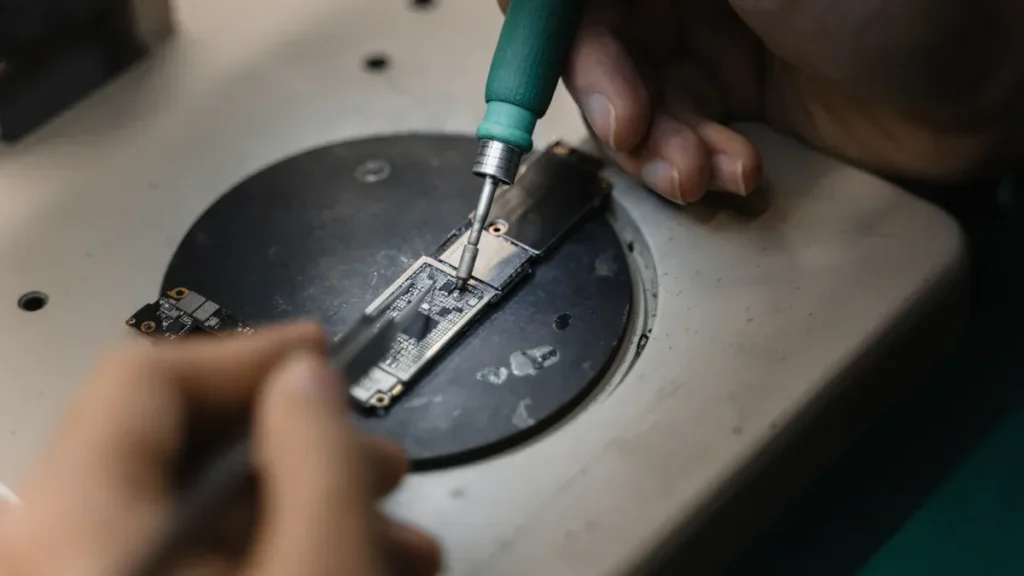
Adjust solder wave height by setting pump speed and keeping wave height below 50% of PCB thickness for reliable solder joints and fewer defects.
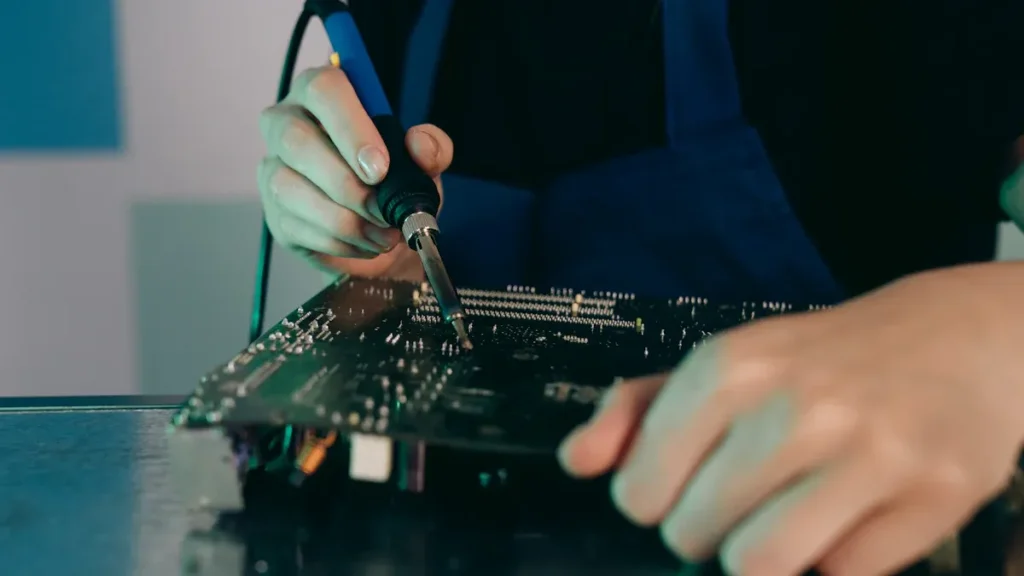
Compare Wave Soldering and Selective Soldering for PCB assembly. Find out which method suits your board’s complexity, production volume, and quality needs.
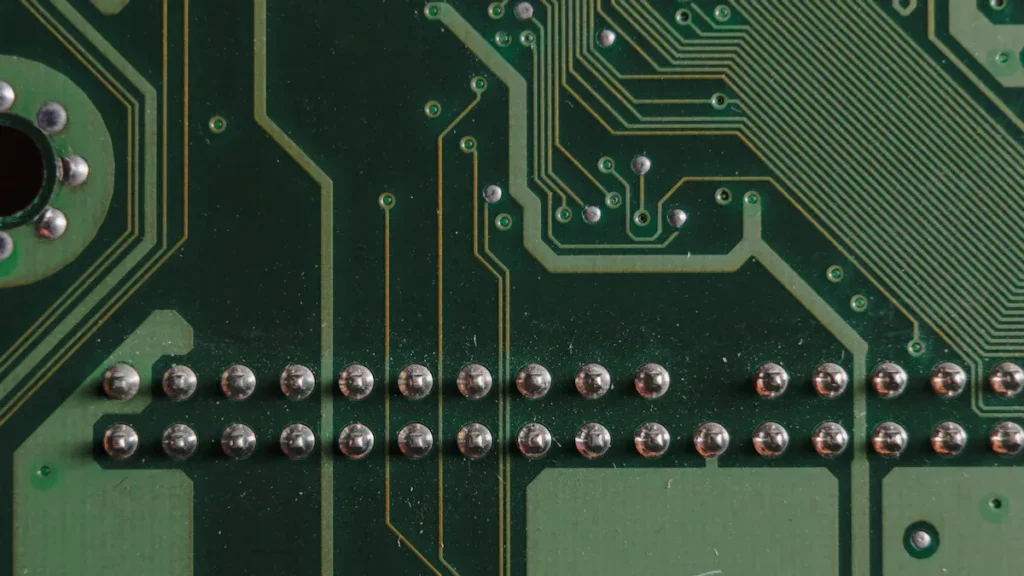
Solve solder bridging in wave soldering by adjusting wave height, flux, and design to prevent unwanted connections and improve PCB yield.