


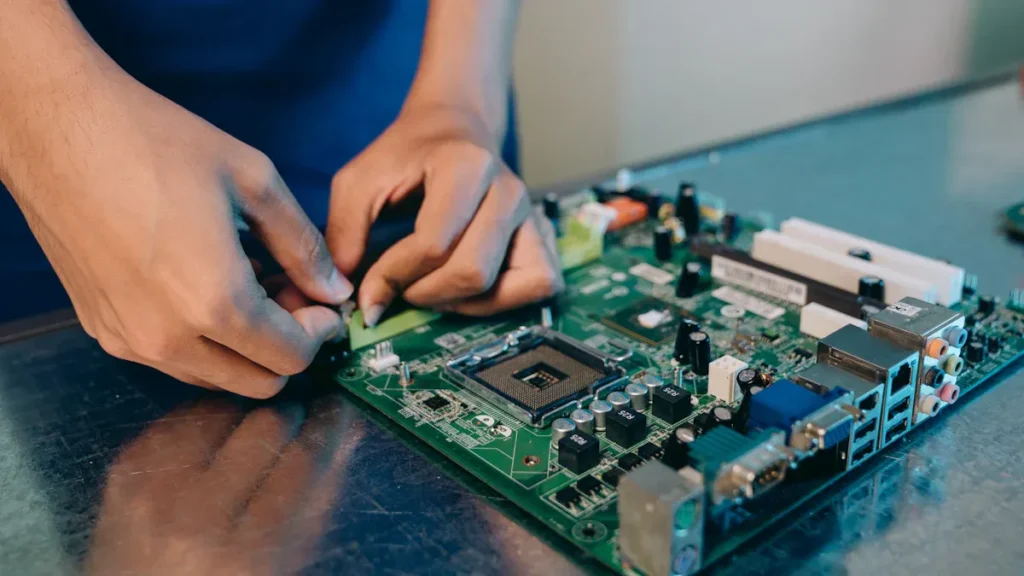
Daily Maintenance and Cleaning Process for Reflow Ovens
Daily Maintenance for reflow ovens includes cleaning surfaces, checking conveyors, and inspecting exhausts to ensure optimal performance and product quality.
Daily Maintenance for reflow ovens includes cleaning surfaces, checking conveyors, and inspecting exhausts to ensure optimal performance and product quality.
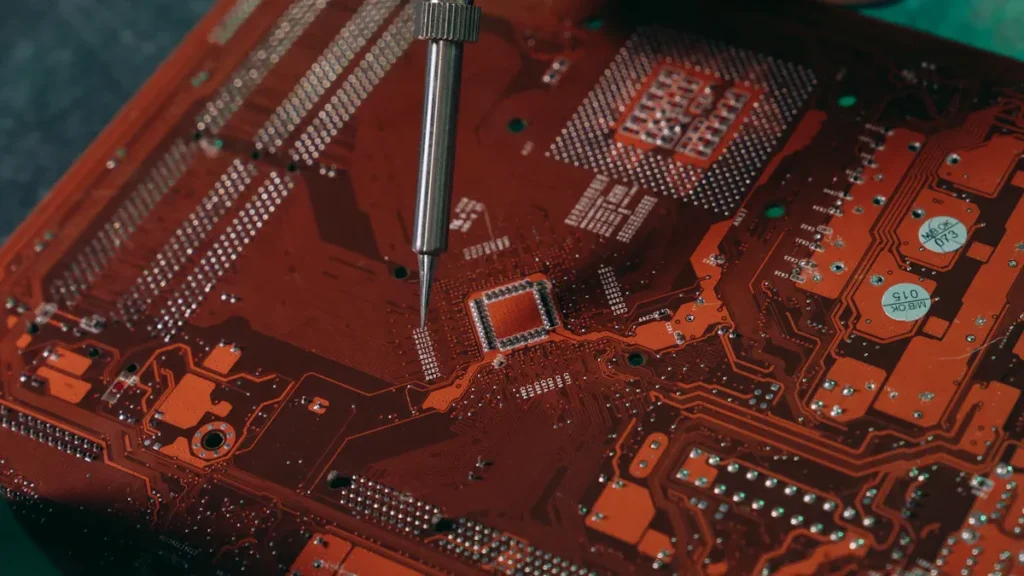
Reflow oven temperature profiling prevents soldering defects, improves PCB reliability, and ensures optimal solder joint quality.

Programming and debugging in selective soldering ensures fewer defects, reliable joints, and efficient production by optimizing machine setup and process control.
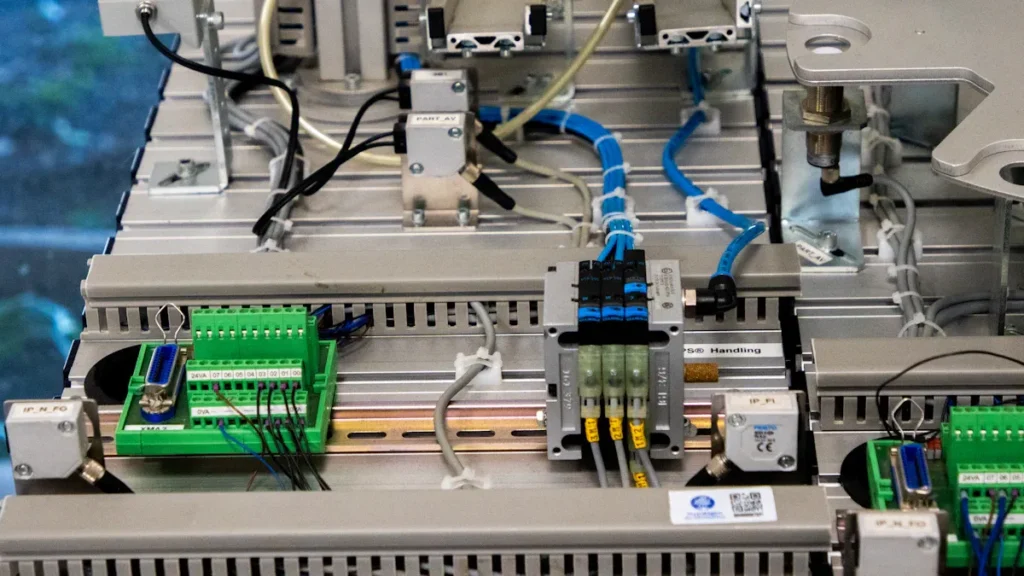
Choose the right Selective Wave Soldering Machine for mixed PCB assembly by considering board size, production needs, component types, and automation features.
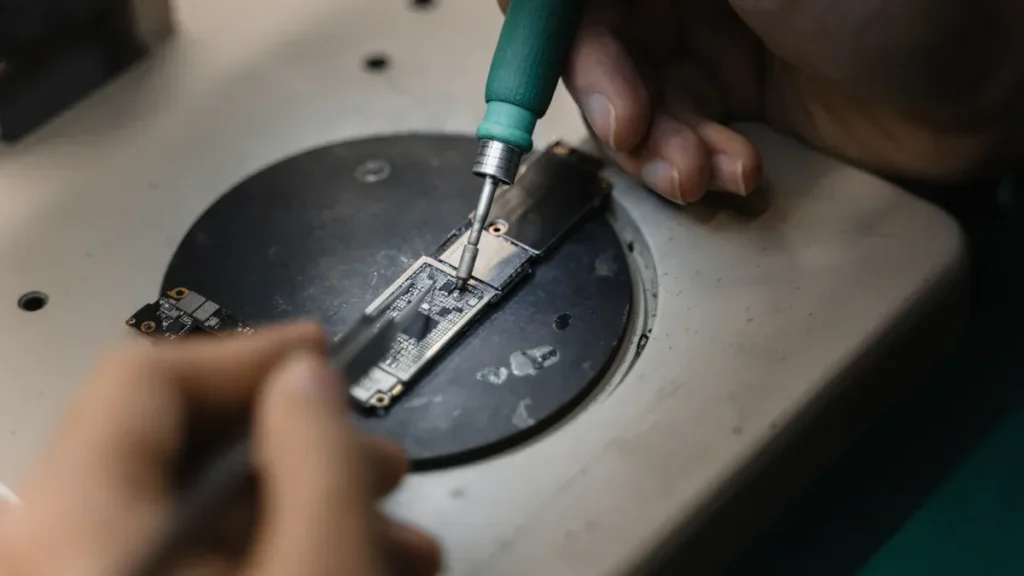
Adjust solder wave height by setting pump speed and keeping wave height below 50% of PCB thickness for reliable solder joints and fewer defects.
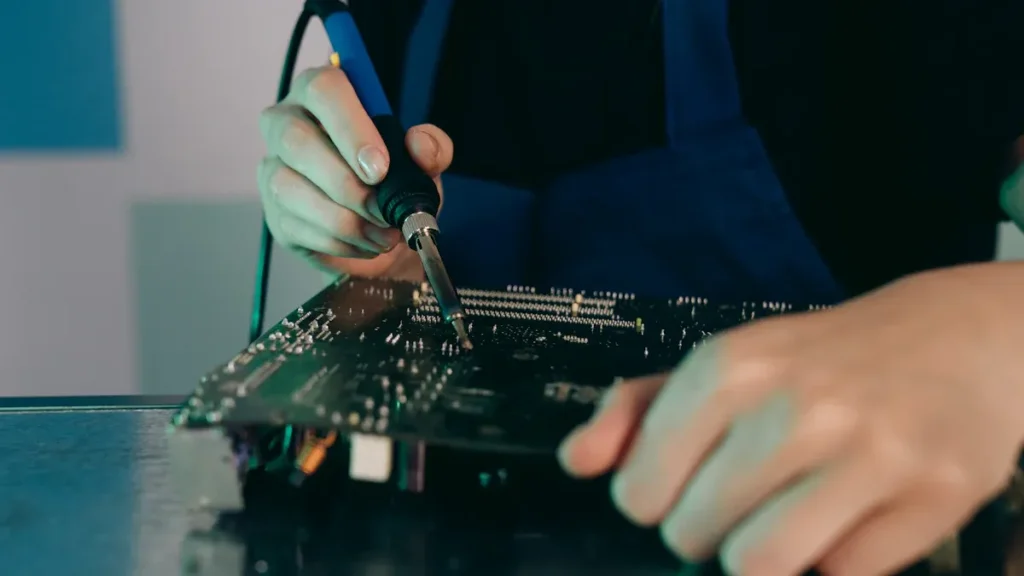
Compare Wave Soldering and Selective Soldering for PCB assembly. Find out which method suits your board’s complexity, production volume, and quality needs.
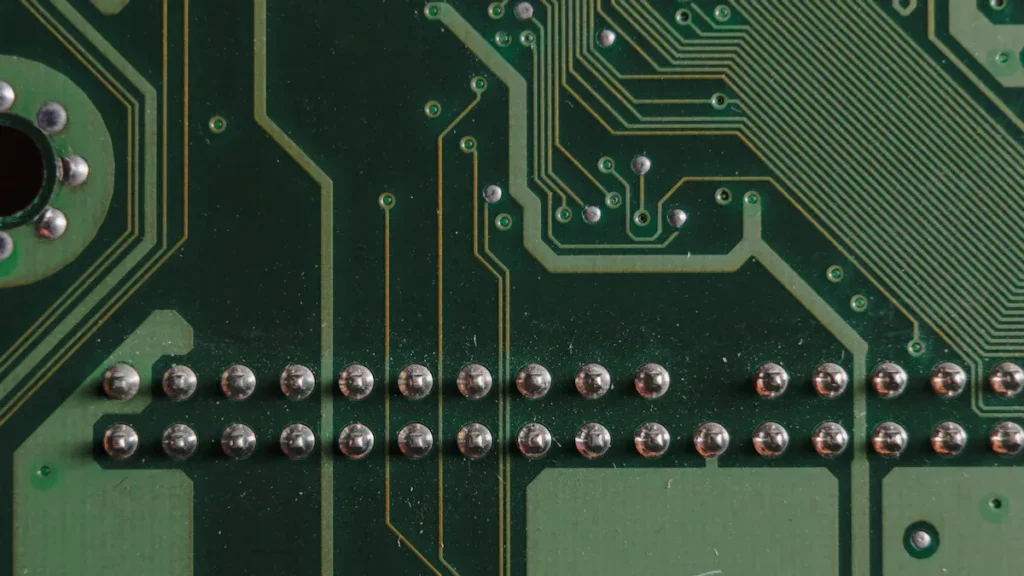
Solve solder bridging in wave soldering by adjusting wave height, flux, and design to prevent unwanted connections and improve PCB yield.

Nitrogen Systems in reflow ovens reduce oxidation, enhance solder joint quality, and increase production efficiency for reliable electronics manufacturing.

Set your Reflow Oven Temperature profile to optimize solder joints, minimize defects, and ensure reliable PCB assembly with precise thermal control.

Keep your reflow oven running longer with daily cleaning, regular checks, and proper maintenance to reduce breakdowns and improve production quality.