


How to Adjust Speed and Synchronization in PCB Conveyors
Adjust speed and synchronize PCB conveyors using VFDs, PLCs, and sensors for efficient workflow and consistent board quality in electronics manufacturing.
Explore Chuxin’s full range of SMT equipment, including reflow ovens, pick and place machines, stencil printers, conveyors, and complete SMT production lines. High quality, reliable, and customizable.
Adjust speed and synchronize PCB conveyors using VFDs, PLCs, and sensors for efficient workflow and consistent board quality in electronics manufacturing.
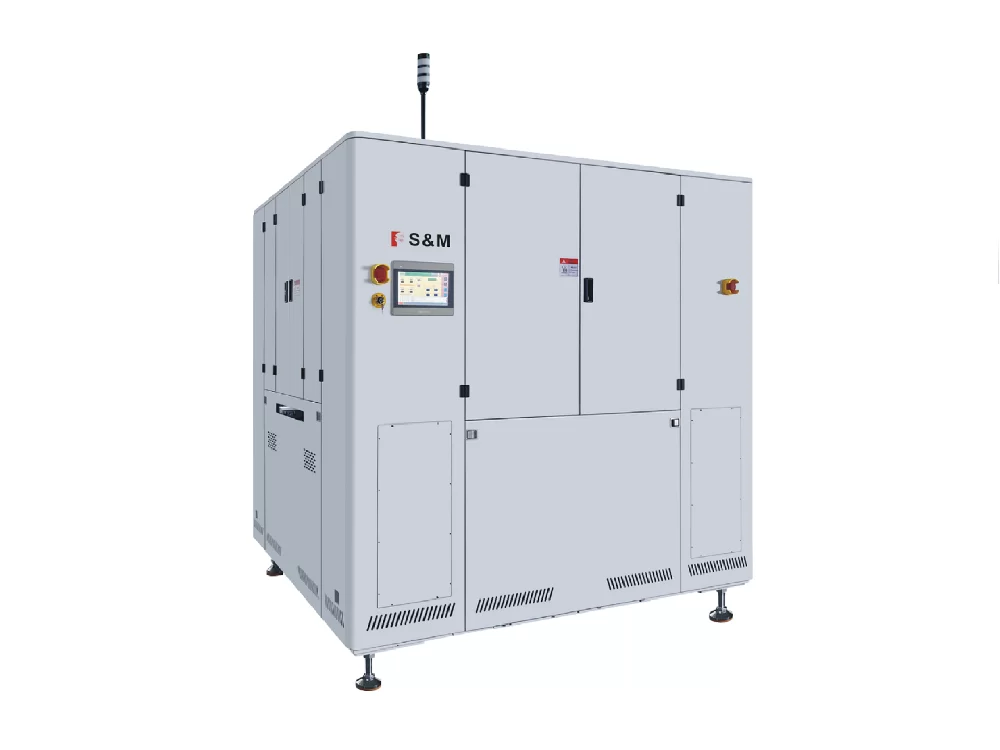
Preheating systems in SMT curing ovens reduce thermal shock, improve solder joint quality, and boost PCB reliability with controlled heating and cooling.

Curing Oven vs Reflow Oven: Compare processes, uses, and selection tips to choose the best oven for your manufacturing and electronics applications.
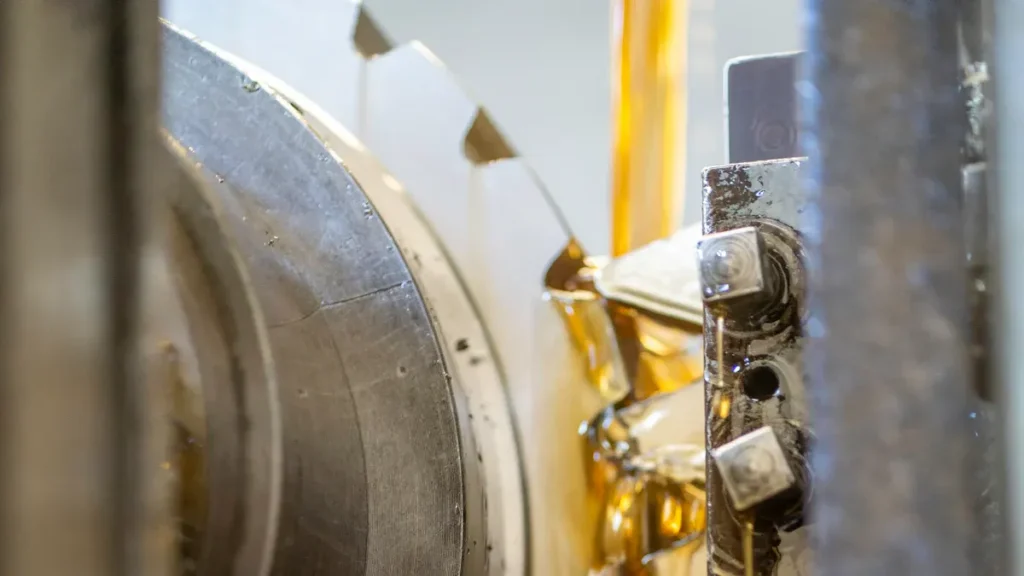
Cut energy costs in SMT curing ovens with practical energy-saving tips. Improve efficiency, maintain quality, and support sustainability in your facility.
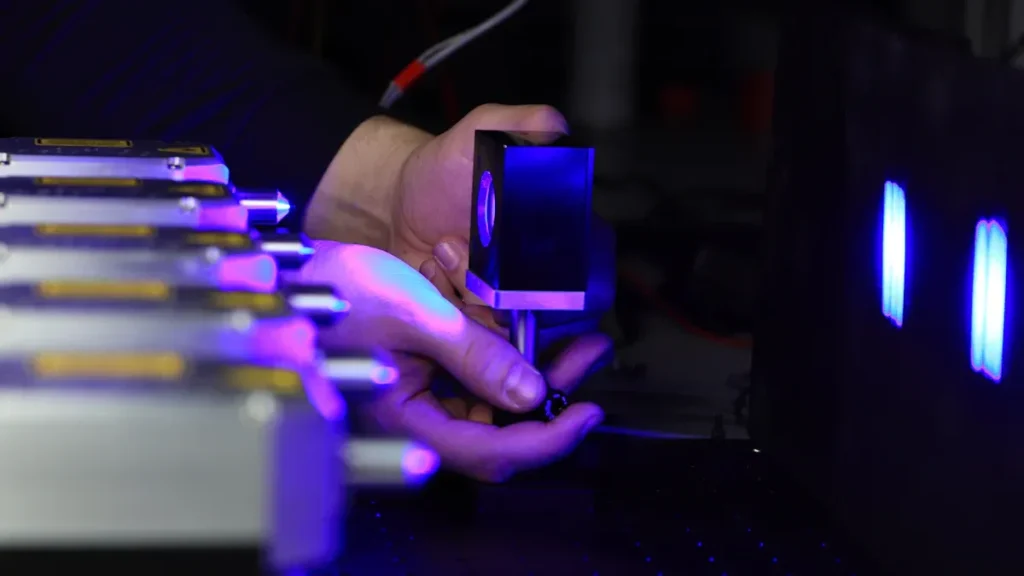
Working principle of SMT curing ovens: IR and UV ovens cure adhesives on PCBs using controlled heat or light for strong, reliable electronic assemblies.

Programming and debugging in selective soldering ensures fewer defects, reliable joints, and efficient production by optimizing machine setup and process control.
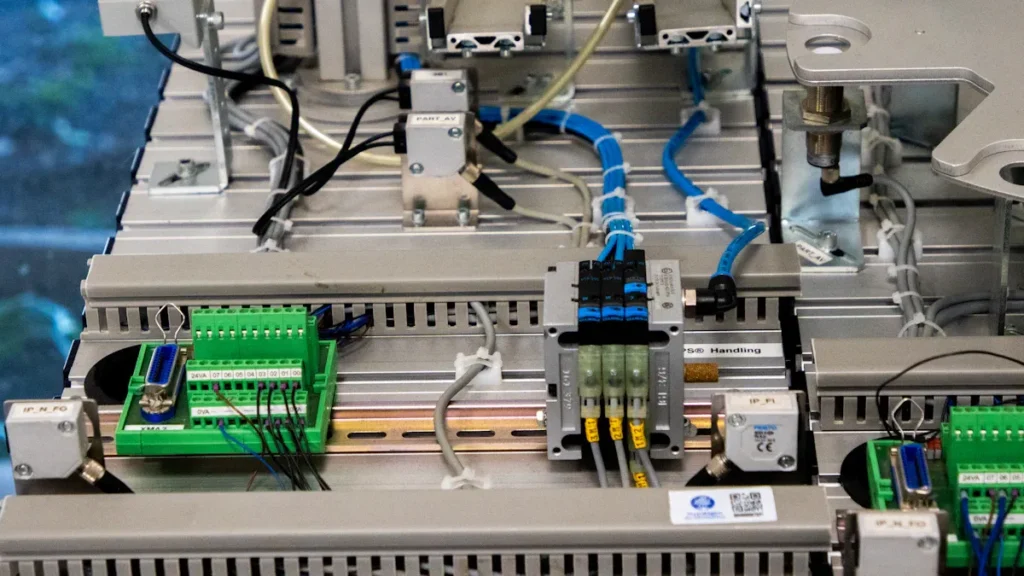
Choose the right Selective Wave Soldering Machine for mixed PCB assembly by considering board size, production needs, component types, and automation features.
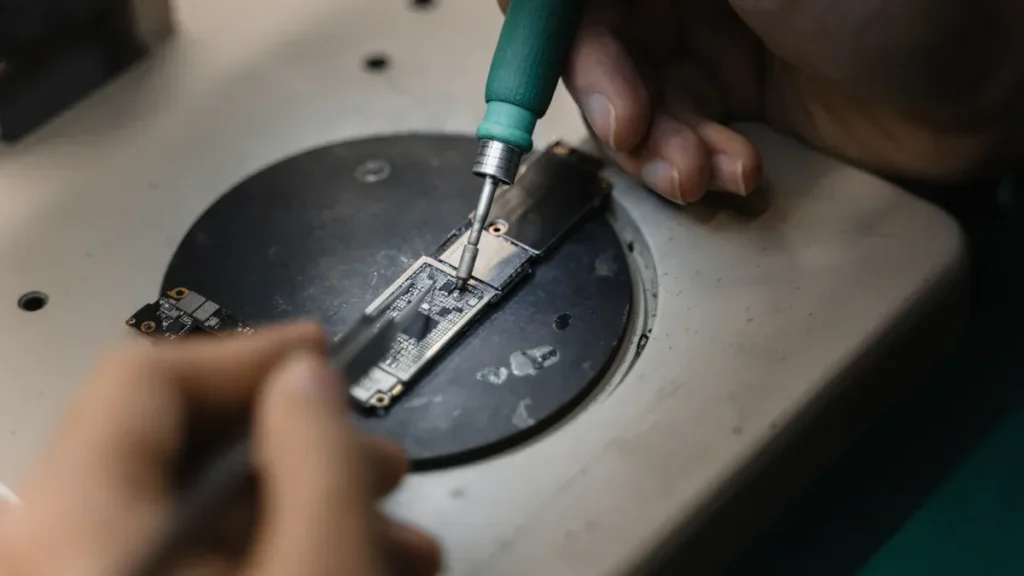
Adjust solder wave height by setting pump speed and keeping wave height below 50% of PCB thickness for reliable solder joints and fewer defects.

Compare Wave Soldering and Selective Soldering for PCB assembly. Find out which method suits your board’s complexity, production volume, and quality needs.
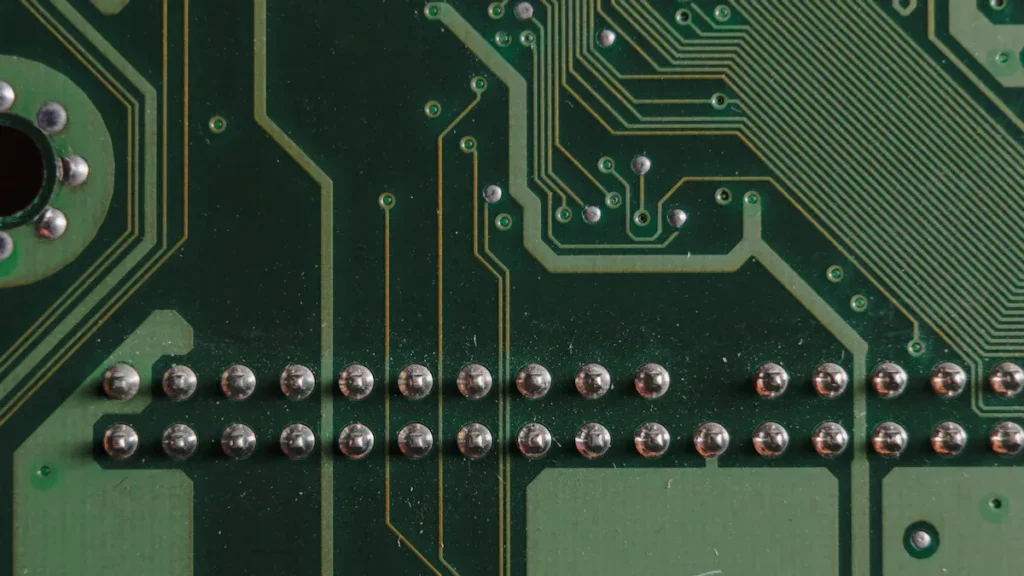
Solve solder bridging in wave soldering by adjusting wave height, flux, and design to prevent unwanted connections and improve PCB yield.