


Selective Soldering Nozzle Selection Guide: Size, Shape, and Material for Different PCB Footprints
Compare nozzle size, shape, and material by PCB footprint to balance clearance, hole fill, defects, and throughput in selective soldering.
Compare nozzle size, shape, and material by PCB footprint to balance clearance, hole fill, defects, and throughput in selective soldering.

Decision-stage checklist to cut dross, control contamination, and keep lead-free wave solder bath quality stable.

Decision-stage framework to choose single vs double-sided wave soldering, with pallet, defect-risk, and profiling criteria.

Practical procurement checklist for selective wave soldering machines—prioritizing flexibility and fast changeover for automotive PCBs, plus quality, integration, and FAT/SAT checks.

A procurement‑ready Ultimate Guide to evaluate wave soldering machine manufacturers in China: N₂/dross measurement, verifiable overseas references, FAT/SAT & export checklists. Read now.
Enhance Selective Wave Soldering nozzle performance with tips on nozzle selection, process settings, and maintenance for higher quality and fewer defects.

Reflow Oven vs Wave Soldering: Compare methods for SMT lines, component compatibility, cost, and production needs to choose the best fit for your PCB assembly.

Reflow a circuit board in an oven with step-by-step guidance on setup, temperature control, and safety for strong, reliable solder joints.

Reduce solder bridging in wave soldering by optimizing PCB design, process control, flux type, and equipment maintenance for reliable results.
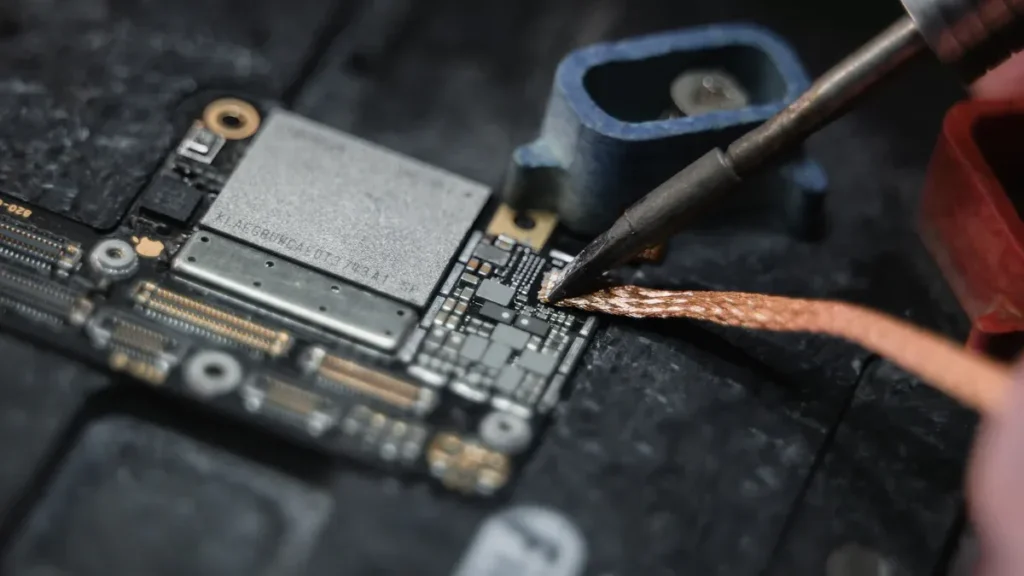
Wave Soldering Equipment often faces issues like temperature instability, solder defects, and contamination. Find practical solutions to boost reliability.