



Published: 19 May 2026
Reading Time: 10 minutes
Reviewer: Simon Scrapes, Founder
How Does a Reflow Oven Work? A Comprehensive Guide to Principles and Processes
Reflow ovens may not seem exciting at first glance, but they’re absolutely essential for building most of the electronic gadgets we use daily. From smartphones to massive server equipment, the tiny components found on printed circuit boards (PCBs) are held together using a process that requires precision, heat, and reliability. That process? Reflow soldering, and the tool at the center of it all is the reflow oven.
You’ve probably wondered at least once, “How do these tiny components stick so tightly to circuit boards?” or “Why don’t they fall off when things heat up?” Let’s dive into the heart of the process and explore how reflow ovens make modern electronics possible.
Author Name is an experienced writer and researcher specializing in Surface Mount Technology (SMT) and electronic assembly solutions. Their insights are drawn from extensive collaborations with leading SMT manufacturing firms, detailing the intricacies and advancements in reflow soldering equipment.
Introduction to Reflow Ovens in SMT Manufacturing
Reflow ovens are specialized machines that solder surface-mount components to PCBs. These components are first placed on the board using solder paste, which acts like glue. Then the boards are subjected to heat inside the reflow oven, melting the paste and creating solid electrical connections.
In SMT manufacturing, reflow ovens serve as the backbone of production. They ensure every solder joint is reliable, consistent, and up to the standards required for modern technology. Without reflow ovens, we probably wouldn’t have the compact and efficient electronics we rely on today.
Why Are Reflow Ovens So Critical?
Precision. That’s what makes reflow ovens such a big deal. These machines apply carefully controlled heat to a PCB, following a soldering thermal profile tailored to the materials and components being used. Changes in heating levels are precise to the degree, allowing manufacturers to avoid common defects like tombstoning (when components stand upright instead of lying flat) and solder bridges (when separate connections accidentally touch).
Plus, lots of reflow ovens in 2026 now come equipped with features like nitrogen environments. These environments reduce oxidation and improve the overall quality of the soldering process, making them perfect for intricate designs seen in cutting-edge tech like semiconductors and aerospace electronics.
Expert Tip: Fine-tuning thermal profiles is one of the most effective ways to achieve precision and reduce assembly defects. Start testing at lower temperatures and incrementally adjust based on your specific materials.
Principles of Reflow Soldering and Thermal Profiles
Now that we’ve covered why reflow ovens matter, let’s focus on how they work. The principle behind reflow soldering is simple: it’s a dance of heat and time. But this dance has to be meticulously choreographed to get everything just right.
What’s a Thermal Profile?
A thermal profile is essentially a temperature roadmap. It dictates how a PCB gets heated and cooled, broken into stages like preheating, soaking, reflow, and cooling. Each stage has a specific purpose:
- Preheating: Slowly warms the board to avoid thermal shock.
- Soaking: Provides steady heat to activate flux (a chemical that reduces oxidation and cleans the metal surfaces).
- Reflow: The solder melts and flows to secure components.
- Cooling: Quickly solidifies the solder to lock everything tightly in place.
If the thermal profile is off—say, too much heat during reflow—components or boards can warp. Too little heat? The solder doesn’t fully bond, making the connections weak.
Modern Solutions for Better Control
Modern reflow ovens, like those made by Shenzhen Chuxin Electronic Equipment Co., Ltd., offer automated systems to manage thermal profiles with pinpoint accuracy. These systems are increasingly important as manufacturers push for higher reliability while dealing with increasingly tiny and delicate components.
Components and Functionality of a Reflow Oven
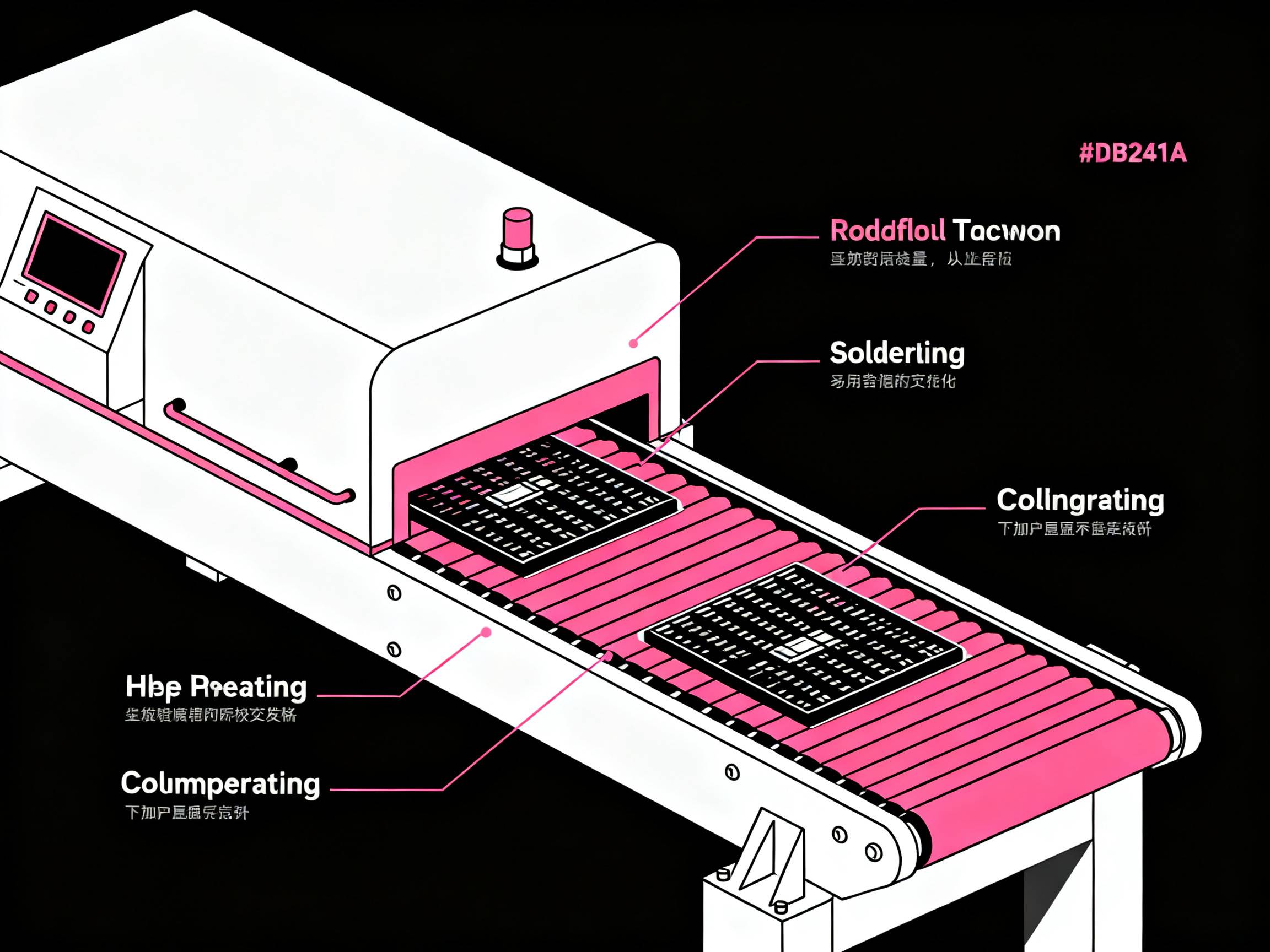
Reflow ovens may seem like a simple heating device on the surface, but their internal components are designed to ensure precision at every stage. Let’s break it down into the key parts and their roles.
Conveyor Belts
The PCB boards move through the oven on a conveyor belt. This conveyor ensures that each board passes through the heating zones at the correct speed to match the thermal profile. If the speed isn’t calibrated right, the soldering process can be uneven, leading to defects like incomplete soldering or overheating.
โซนทำความร้อน
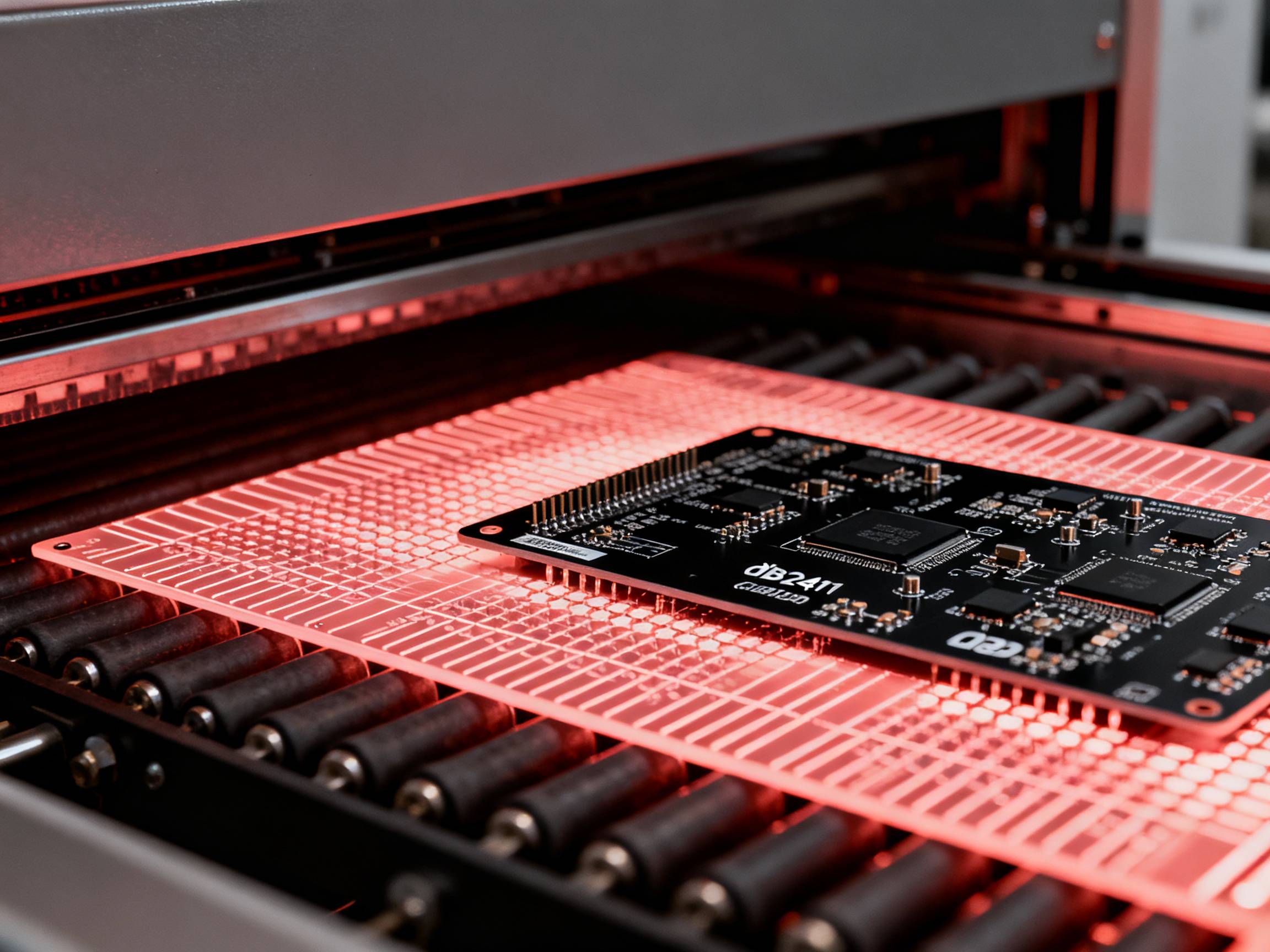
Modern reflow ovens come equipped with multiple heating zones, each set to a specific temperature based on the thermal profile. They’re typically divided into:
- Preheat Zones: Gradually warm up boards to avoid thermal shocks.
- Soak Zones: Maintain steady heat so flux activates and the board is fully prepped for the next stage.
- Reflow Zones: This is where the solder paste melts and components are bonded.
- Cooling Zones: Quickly lower the temperature to solidify the solder.
Each zone plays a critical role in maintaining consistency and reducing the risk of defects, especially in larger-scale operations.
Controlled Heat Propagation
Reflow ovens use different heating technologies like infrared radiation, convection heating, or a combination of both to ensure uniform temperature distribution. Convection heating, in particular, has become the preferred method in 2026 due to its ability to distribute heat evenly, even for densely populated PCBs.
Nitrogen Chambers for Precision Soldering
Advanced models often feature nitrogen chambers. By flooding sections of the oven with nitrogen gas, these chambers reduce the amount of oxidation during the soldering process. Reduced oxidation means stronger, more reliable solder joints and less risk of issues like oxidation-induced weakness over time.
Pro Insight: When choosing a reflow oven, look for efficient nitrogen management systems if precision soldering for sensitive components (like semiconductors) is a priority.
Automation Features
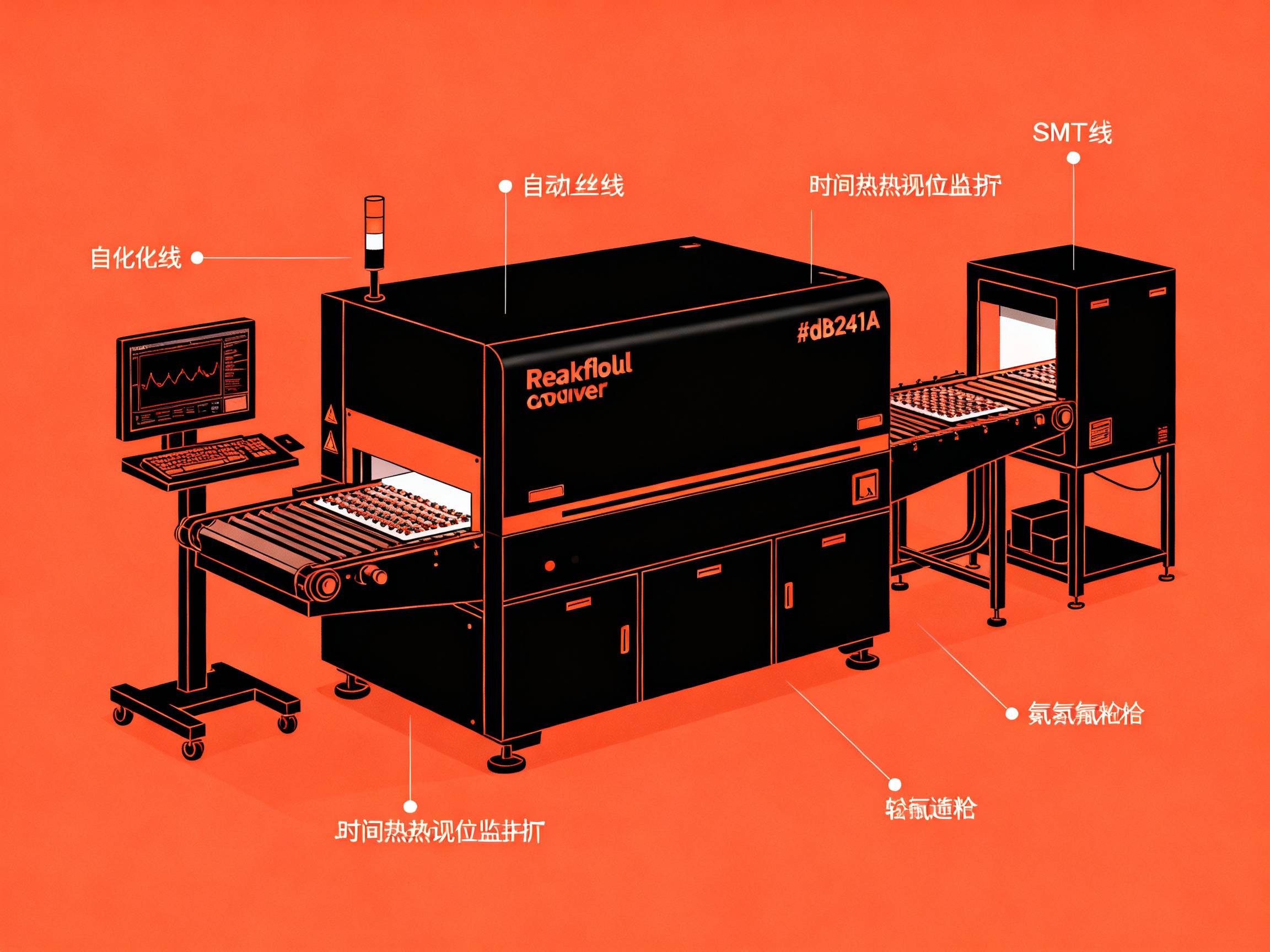
Many modern reflow ovens now come with fully automated controls. These systems can adjust conveyor speeds, zone temperatures, and nitrogen levels automatically based on pre-set programs. This level of automation not only ensures consistency but also helps manufacturers save time and reduce human error in production lines.
By understanding these components and how they work together, you’ll get a clearer picture of why reflow ovens remain essential in the era of modern electronics.
Choosing the Right Reflow Oven for Modern SMT Needs
When it comes to SMT manufacturing in 2026, selecting the perfect reflow oven can significantly impact production quality and efficiency. This decision is critical because today’s manufacturers face increasingly demanding requirements like lead-free compliance, tighter tolerances, and integration with automated processes. Here’s a breakdown of what you need to consider when evaluating reflow ovens for modern SMT setups.
Lead-Free Compliance
In recent years, environmental regulations have prompted a shift toward lead-free components and soldering processes. Reflow ovens now need to accommodate higher soldering temperatures required by lead-free solder pastes. Modern ovens designed for this purpose feature enhanced thermal capabilities and precise heat control, reducing the risks of overheating fragile components while ensuring strong, reliable solder joints.
If you’re working with lead-free solder, look for reflow ovens that specifically support these materials. Features such as advanced temperature zoning and programmable thermal profiles can make all the difference when switching between different solder paste formulations.
Automated Features
Automation is the name of the game in SMT manufacturing today, and reflow ovens have kept pace with this trend. Modern ovens come equipped with systems to manage conveyor speeds, heating zones, and even gas flow adjustment automatically. These built-in capabilities help optimize production lines while minimizing operator intervention and human error.
For large-scale manufacturers, automation delivers not just consistency but also cost savings. Imagine a reflow oven by Shenzhen Chuxin Electronic Equipment Co., Ltd., operating seamlessly alongside other equipment, reducing downtime, and improving throughput. These automated features aren’t just convenient—they’re becoming essential.
From Our Experience: Integrating automated reflow ovens into your SMT process can feel daunting at first, but once operational, the time savings and precision gains are well worth it.
Modern Features That Stand Out
Comparing today’s reflow ovens with legacy models is like looking at a flip phone versus a smartphone. Modern ovens include features like:
- Nitrogen Chambers: Vital for reducing oxidation during soldering, boosting joint reliability in high-stakes industries like aerospace.
- Real-Time Monitoring: Temperature sensors and AI-based feedback systems for in-process adjustments.
- Eco-Friendly Designs: Energy-efficient heating mechanisms and systems designed for reduced emissions.
These advancements make modern reflow ovens indispensable for competitive manufacturers.
Integrating Advanced Ovens with Your Line
So what happens when you’re ready to upgrade from a legacy setup to cutting-edge SMT technology? First, evaluate the compatibility of the new equipment with your existing assembly line. Many modern ovens feature modular designs, making integration smoother. However, it’s critical to assess conveyor speeds, control systems, and space requirements before committing.
For instance, Shenzhen Chuxin’s modular reflow ovens are specifically designed for seamless integration with existing SMT assembly lines. This means less downtime during upgrades and smoother transitions to lead-free or high-precision soldering processes.
Also, consider automated workflow tools that can connect your reflow system to quality control equipment. When all parts of your line are synchronized, production efficiency can improve dramatically, with fewer errors and better yields.
Pro Insight: When evaluating equipment, prioritize design flexibility. Reflow ovens with modular setups can adapt to evolving production needs, saving you money on future upgrades.
Wrapping It Up: Why the Right Oven Matters
Choosing the right reflow oven isn’t just about price or size—it’s about ensuring your business stays competitive in high-volume, high-precision manufacturing. Lead-free compliance, automation, and seamless integration aren’t just features; they’re necessities. And with modern SMT needs evolving fast, investing in the right equipment now can set your production line up for success for years to come.