


Published: 20 May 2026
Reading Time: 10 minutes
Reviewer: [Placeholder for Expert Reviewer]
Automatic PCB Loaders: Streamlining SMT Assembly Lines with Efficiency
Printed Circuit Boards (PCBs) are the backbone of modern electronics, from smartphones to advanced military systems. But have you ever considered how these tiny boards are handled during their manufacturing? Spoiler alert: it’s not all done by hand anymore. Enter the world of automatic PCB loaders—the game-changers in Surface Mount Technology (SMT) assembly lines.
Imagine this: you’re running a high-volume electronics manufacturing unit. Without an automatic system, someone needs to meticulously load every PCB into the production line by hand. It’s repetitive, inefficient, and prone to mistakes. But with a reliable automated PCB loader in place? That workflow becomes a well-oiled machine. Efficiency skyrockets, errors drop, and overall consistency improves.
Let’s dig into the nuts and bolts of how these machines transform the way we build electronics.
The article structure includes a placeholder for the author bio. Please include specific content related to the author’s expertise in Surface Mount Technology (SMT) or manufacturing automation systems.
What is an Automatic PCB Loader?
So, what exactly is an automatic PCB loader? It’s a specialized machine designed to feed bare PCBs directly from a magazine or stack into an SMT production line—no more manual handling. These systems save time and reduce the risk of damage to delicate PCBs.
Let’s break it down:
- Efficiency Boost: Automatic loaders keep production lines moving smoothly by delivering PCBs at a consistent pace. No more waiting around.
- Precision and Care: Built-in mechanisms, like pneumatic pushers or conveyor systems, ensure PCBs are handled with care, avoiding costly mishaps.
- Smart Integration: These loaders seamlessly communicate with other SMT line equipment using standard protocols, such as SMEMA.
- User-Friendly: Many of these machines feature intuitive controls, so operators can easily adjust settings for specific needs.
Curious about how much difference they make? These systems can process hundreds of boards per hour, keeping up with the speed of modern manufacturing demands. Here’s a deeper look at PCB loaders and their features.
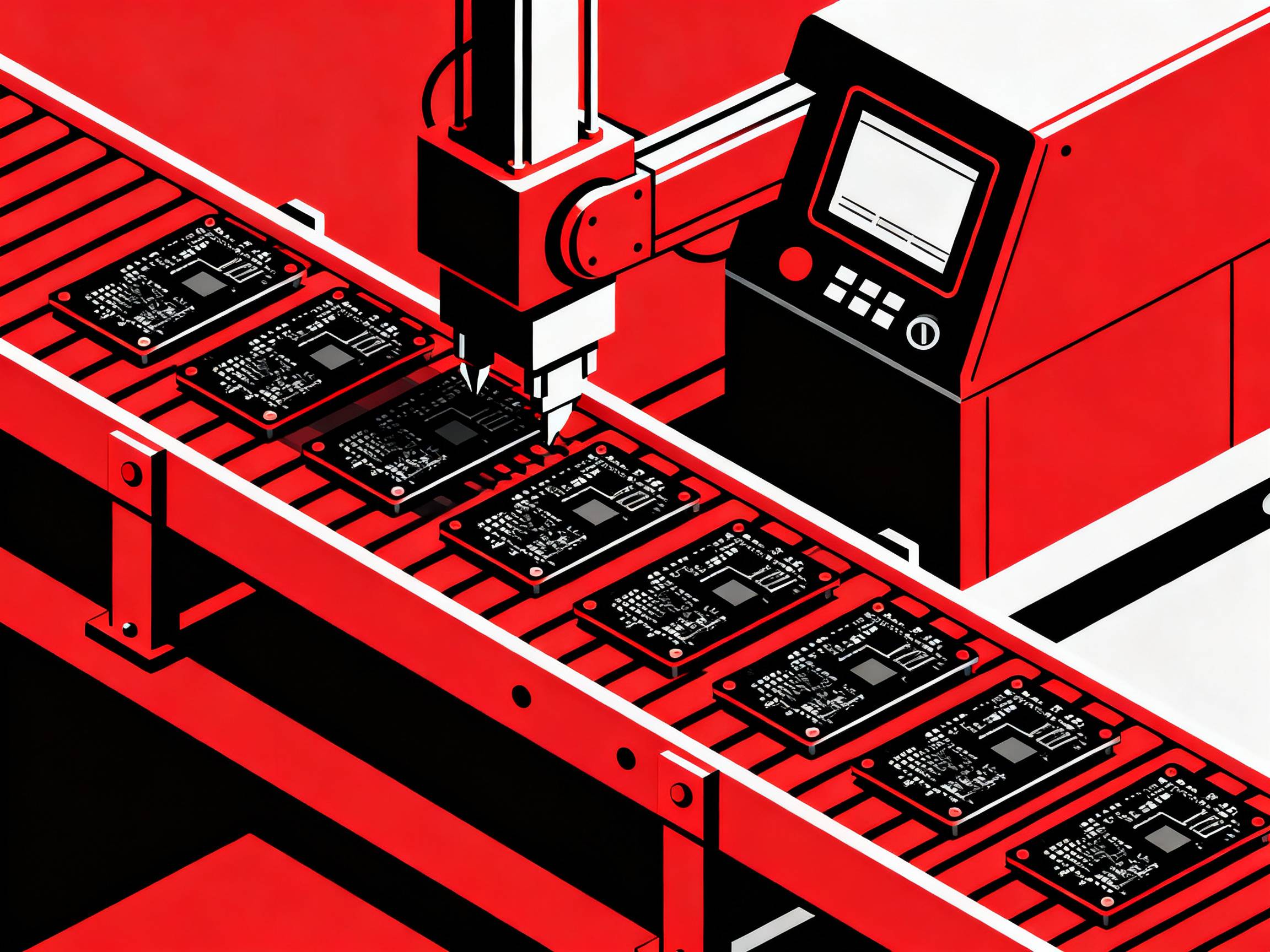
The Benefits of Automatic PCB Loaders in SMT Lines
If you’ve been in the manufacturing game or just trying to improve your production line efficiency, automatic PCB loaders are a must-have. These machines eliminate downtime, reduce errors caused by manual handling, and improve overall productivity.
Here’s why they’re essential for high-volume production:
- Færre fejl: By automating the process, there’s less chance of mishandling your PCBs, which reduces errors in component placement.
- Speed and Consistency: An automatic loader can match the pace of the line, ensuring that no time is wasted.
- Worker Safety: Fewer hands-on tasks mean fewer chances of injuries, especially when working with delicate or high-voltage components.
Want to make the most of your system? Expert Tip: Optimize the loader’s settings to match your production schedule and PCB dimensions for maximum throughput. It’s a small adjustment that can have big payoffs.

Overcoming Challenges in Traditional PCB Loading Methods
Let’s face it—traditional methods of loading PCBs aren’t perfect. Long manual workloads lead to fatigue, inefficiencies, and an increased chance of defects.
Here’s what we’ve noticed in older processes:
- Slower Production: Without automation, operators are likely to work at varying speeds, causing delays.
- Higher Error Rates: Manual handling often results in board misalignments or damage, especially with fragile components like BGAs.
- Limited Scalability: When your production needs ramp up, older methods just can’t keep pace.
Luckily, retrofitting legacy systems with an automatic loader could be the game-changer you’re looking for. And trust us, we’ve done it—it’s a practical solution that avoids replacing your entire production line. Find out more about the challenges of manual PCB loading here.
Stay tuned for the next sections on choosing the right PCB loading machines and insights into future trends in the industry!