



Julkaistu: 21 May 2026
Lukuaika: 8 minutes
Reviewer: Simon Scrapes, Founder
Comprehensive Guide to Industrial Oven Safety and Compliance
You’ve probably heard how critical industrial ovens are in manufacturing, right? Well, it’s not just about heating components or baking materials; it’s about managing risks like fire hazards, chemical exposure, and structural issues. These ovens play a huge role in industries like electronics assembly and food production, but they come with serious safety challenges. Nobody wants to deal with explosions caused by gas leaks or fires due to overheating. Those risks don’t just impact worker safety; they can damage the company’s reputation too.

Safety regulations exist for a reason, and that’s where compliance matters. Organizations like the NFPA (National Fire Protection Association) and OSHA (Occupational Safety and Health Administration) have set strict industrial oven safety standards to prevent accidents and ensure safe operations.
Simon Scrapes is a seasoned expert specializing in industrial manufacturing equipment compliance. With years of experience consulting on OSHA and NFPA standards, he brings invaluable insights to help manufacturers achieve safety and operational excellence.
Understanding NFPA 86 and OSHA Standards
So, what makes NFPA 86 and OSHA regulations so important for industrial oven safety? At the heart of it, these standards help minimize risks like overheating, dangerous emissions, or structural failure. NFPA 86 provides detailed guidelines on how industrial ovens should operate, including safety mechanisms, handling procedures, and construction standards. OSHA complements these by enforcing workplace safety rules that protect employees from risks associated with these ovens.
Take real-world accidents, for example. Gas leaks have led to explosions in food production lines. Had those companies followed NFPA 86 protocols, the risk might have been mitigated.
Common Hazards You Should Know
Industrial ovens can pose threats like:
- Fire hazards from overheating or faulty wiring
- Chemical exposure from emission leaks
- Structural collapse in poorly maintained ovens
These aren’t just minor inconveniences; they can be life-threatening. NFPA 86 ensures ovens are built and operated to handle these risks safely.
Expert Tip: Avoid common compliance issues by conducting routine inspections and documenting every safety procedure. This proactive approach minimizes the likelihood of major incidents.
Industrial Oven Risk Mitigation Strategies
You know how they say “better safe than sorry”? When it comes to industrial ovens, there’s no place for taking chances. The best manufacturers follow NFPA 86 and OSHA standards to create comprehensive risk management protocols. These include:
Steps to Minimize Risks:
- Regular Safety Checks: Ensure all wiring and components are in good condition.
- Air Quality Monitoring: Test for chemical emissions regularly.
- Employee Training: Make sure everyone working near ovens knows the rules.
Ignoring these steps could mean facing fines or worse, dealing with workplace injuries.
And hey, addressing overlooked risk factors is key. For instance, many manufacturers forget to check peripheral equipment like ventilation systems. Poor ventilation can contribute to chemical buildup, making ovens more dangerous.
Pro Insight: Often-overlooked risks include outdated oven models without modern safety features like automatic shut-off systems or temperature alarms. Plan regular upgrades to minimize hazards.
Best Practices in Maintenance and Inspections
Lastly, let’s talk maintenance. This is the backbone of compliance and smooth operations. From replacing worn-out components to scheduling shutdowns for deep inspections, there’s a lot you can do.
What Makes a Great Maintenance Program?
- Consistency: Stick to a monthly or quarterly inspection schedule.
- Documentation: Keep detailed records of all repairs or upgrades.
- Teamwork: Involve plant managers, safety officers, and external inspectors for a thorough review.
In my work consulting on oven safety programs, I’ve seen companies save thousands by preventing downtime through regular maintenance. This isn’t just about compliance; it’s about keeping production lines efficient and your staff safer.
From Our Experience: Real-world maintenance programs often fail because companies don’t prioritize long-term planning. A great tip is to schedule inspections during equipment downtime, minimizing disruption.
Industrial ovens might be critical to your operations, but safety and compliance need to be at the forefront. Together, NFPA 86 and OSHA guidelines provide everything you need to create safer workplaces and maximize efficiency.
Simon Scrapes wraps up: “Safety is non-negotiable. If you invest in compliance, everyone wins: your employees, your company, and your bottom line.”
Upcoming Trends and Innovations in Industrial Oven Safety
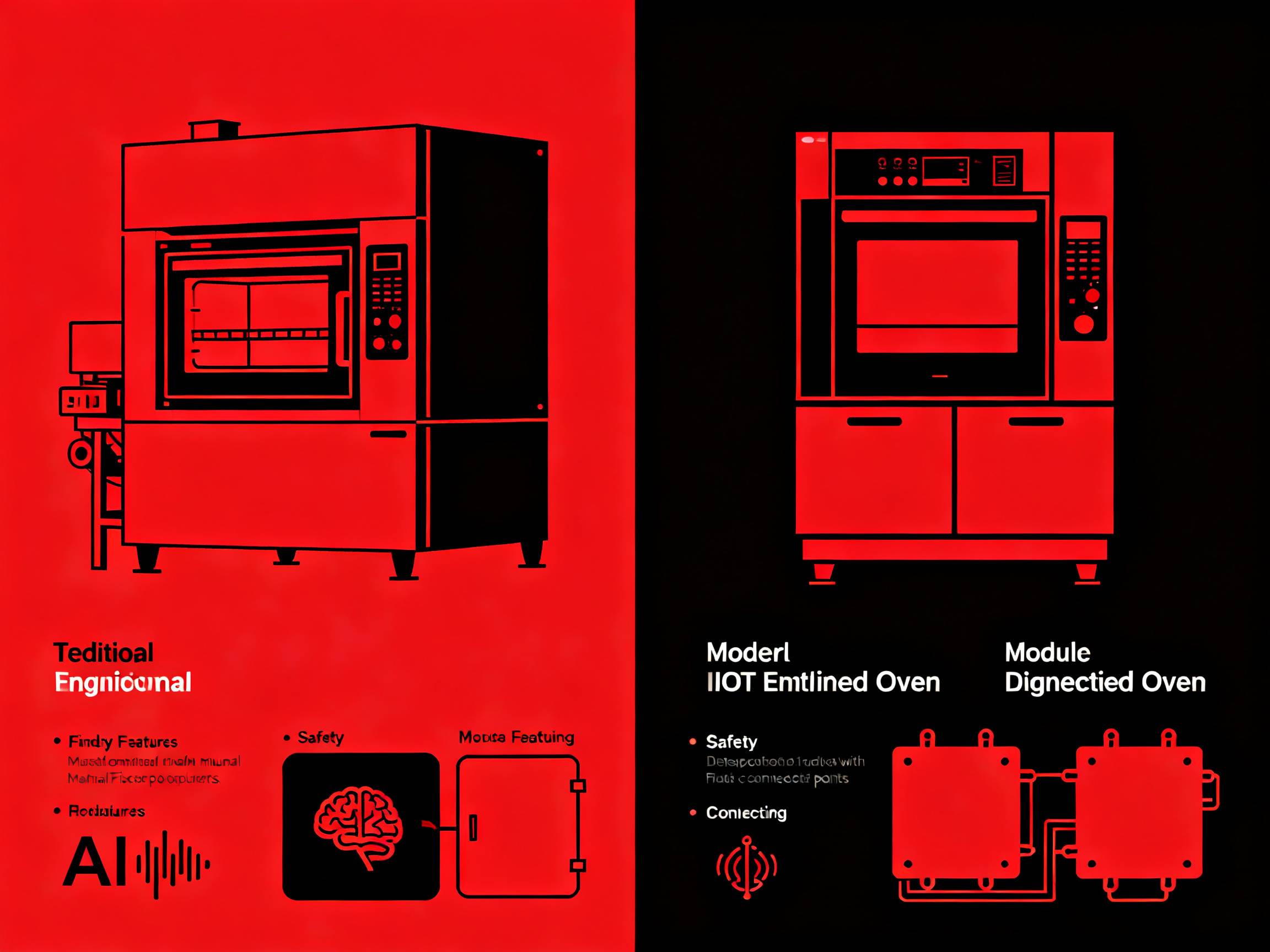
Here’s a fascinating angle you might not have considered. Industrial oven safety is evolving faster than ever. As of 2026, cutting-edge technologies like IoT (Internet of Things) and AI (Artificial Intelligence) are transforming compliance processes and safety measures in huge ways. Imagine ovens equipped with sensors that detect risks like overheating within seconds or systems that automatically shut down to prevent accidents. These tools don’t just prevent disasters; they keep operations running smoothly.
The Drive for Energy Efficiency
Factories today are chasing solutions that meet safety standards while lowering energy consumption. Manufacturers are turning to modular oven designs. These ovens consume less power, work better in confined spaces, and adapt to various production lines without compromising compliance. Better energy use isn’t just good for the planet; it’s great for your budget too.
And let’s not overlook AI-driven efficiency. AI systems can analyze operations to recommend temperature settings that optimize energy usage while staying within NFPA 86 and OSHA limits.
New Compliance Challenges on the Horizon
But, as tech grows, so do compliance hurdles. New legislation around lead-free manufacturing and stricter emission controls are expected, especially for environments heavy on electronics assembly. Staying ahead in 2026 means budgeting not just for innovation but also for inevitable tighter rules.
So, if you’re weighing upgrades, go for systems like Shenzhen Chuxin’s lead-free reflow ovens and wave soldering machines. They’re not just designed for performance; they’re built to meet upcoming compliance challenges like lead-free assembly, right out of the box.
Keep researching, keep applying smart tech, and you’ll have safe ovens, efficient factories, and solid compliance for years to come.
Industrial ovens are evolving, and so are the challenges. Keep researching, applying smart tech, and staying proactive about compliance. You’ll come out ahead with safer ovens, more efficient factories, and solid compliance for years to come.
Simon Scrapes’ Final Word: “Innovation and safety go hand in hand. The better prepared you are, the smoother your operations will be.”