


Advantages of Wave Soldering in Mass Production
Wave soldering offers high-speed, consistent, and cost-effective assembly, making it ideal for mass production of reliable through-hole electronic PCBs.
Wave soldering offers high-speed, consistent, and cost-effective assembly, making it ideal for mass production of reliable through-hole electronic PCBs.

Improve Wave Soldering quality with five proven methods for fewer defects, stronger joints, and higher first-pass yield in PCB assembly.

SMT-reflow-juottamisessa käytetään juotospastaa pinta-asennettaviin osiin, kun taas aaltojuottaminen sopii läpireikäisiin komponentteihin. Vertaile PCB-kokoonpanomenetelmiä.

Reflow-juottamisen jäähdytysjärjestelmien optimointi varmistaa vahvat juotosliitokset, estää vikoja ja parantaa piirilevyjen luotettavuutta kontrolloiduilla jäähdytysmenetelmillä.

Tunnista yleiset Reflow-juottamisen epäonnistumiset, kuten tombstoning ja juotos silloitus, sekä vianmääritysvinkkejä PCB-laadun parantamiseksi ja vikojen vähentämiseksi.

Development history of reflow ovens highlights key innovations, energy efficiency, and future trends shaping electronics manufacturing.

Nitrogen usage in reflow ovens typically ranges from 18–30 m³/hr, maintaining low oxygen levels to reduce oxidation and improve solder joint quality.

Wave soldering suits high-volume through-hole boards, while reflow excels with complex, high-density SMT designs. Choose based on your production needs.
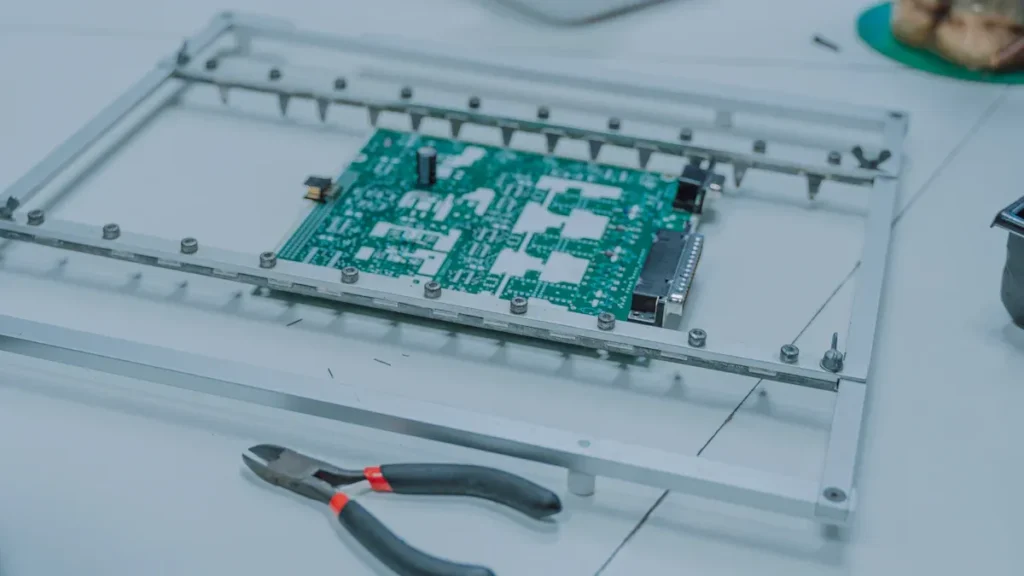
Comparing Wave and Selective Wave Soldering Methods Explore key differences to choose the best PCB soldering method. | Features |
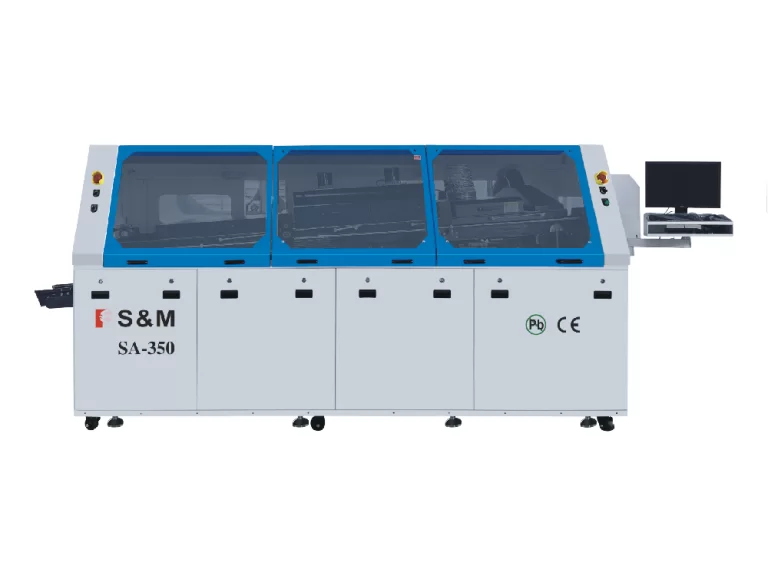
Select the ideal wave soldering machine by evaluating PCB size, production volume, component types, and automation needs for your assembly line.