



Julkaistu: 19 May 2026
Lukuaika: 9 minutes
Reviewer: [Placeholder Reviewer], SMT Expert
Selective & Automatic Wave Soldering Machines: Features, Benefits, and Industry Use Cases
Wave soldering might sound like a niche concept, but for anyone in the manufacturing world, it’s a game changer. Imagine being able to solder only the specific areas of a circuit board that need attention—no extra heat, no wasted solder. That’s exactly what selective wave soldering machines do. And in 2026, they’re more important than ever, keeping up with the demand for precision and efficiency.
So today, we’re breaking down what makes these machines so valuable, how they fit into modern manufacturing, and how to choose the right one for your needs.
Now, let’s dive into the details.
Author Bio:
[Author Biography Placeholder]. Ensure content relates to the topic of SMT manufacturing and soldering technologies.
Key Features of Selective Wave Soldering Machines
Selective wave soldering machines are the heroes of circuit board precision. These machines focus on specific areas, using mini-waves or nozzles to apply solder exactly where it’s needed. This method reduces heat exposure for sensitive components, making it ideal for mixed technology boards.
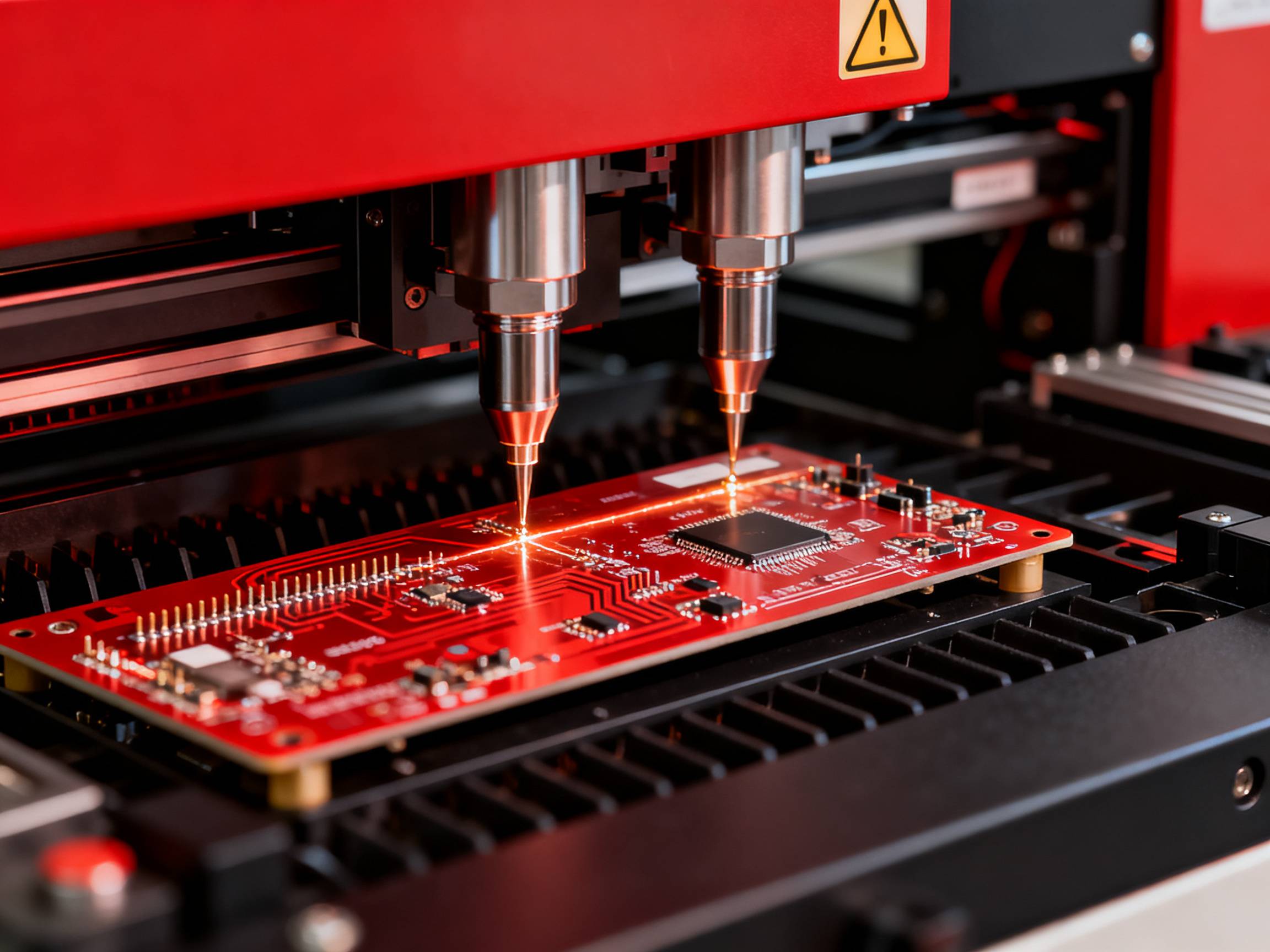
Unlike traditional wave soldering, which sends the entire board over a wave of molten solder—a quick but less selective method—selective soldering is all about precision. This minimizes the risk of damaging delicate surface-mounted parts, giving manufacturers a more controlled flux and heat application.
Expert Tip: To get the best results, maintain regular calibrations of your soldering nozzles. This ensures consistent performance and minimizes potential defects.
Addressing High-Volume Production Challenges
In 2026, manufacturers face new challenges in producing high volumes efficiently. That’s where selective wave soldering shines by integrating with automation and Industry 4.0 technologies. These machines boost production rates by precisely targeting solder joints without needing to solder an entire board.
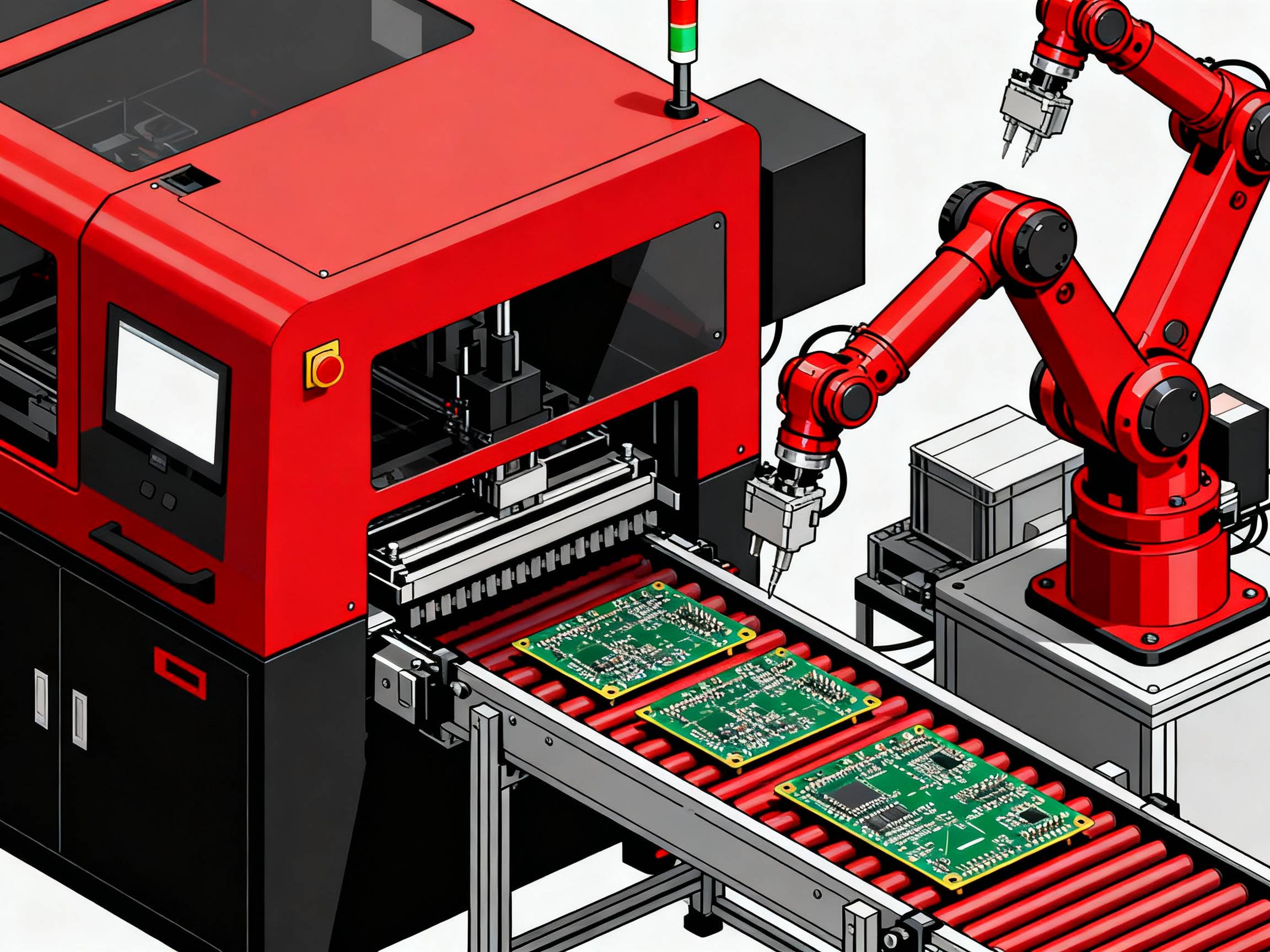
Automation helps in scaling production while reducing labor costs, a hot topic among heads of production. The next-level efficiency ensures fewer defects and meets the stringent demands of high-volume sectors like automotive and telecommunications.
Pro Insight: Automation in selective wave soldering can be optimized by ensuring that soldering programs are updated regularly, aligning with production goals and customer specifications.
Choosing the Right Selective Wave Soldering Machine
Choosing a machine isn’t just about specs; it’s about understanding your production needs. Look for machines with programmable fluxing and soldering systems, electromagnetic solder pots, and nitrogen capabilities. These features enhance precision and accommodate lead-free materials, a necessity in 2026.
Consider machine dimensions and PCB handling options that align with your current operations to ensure a seamless integration. Team collaboration is key, so involve tech teams early in the evaluation process.
From Our Experience: When assessing a machine, determine the specific soldering capabilities required for your unique board designs. This guides informed decisions and ensures compliance with modern standards.
Industry Applications for Selective Wave Soldering
From automotive electronics to medical devices, selective wave soldering finds its place in industries prioritizing reliability and precision. Its ability to shield heat-sensitive parts makes it desirable for sectors focusing on innovative and reliable technology.
As electronics continue to miniaturize in 2026, precision soldering becomes crucial in maintaining high standards for product quality and performance.