



Diterbitkan: 18 May 2026
Waktu membaca: 12 minutes
Reviewer: Jace Liu, Expert in SMT and heat curing technologies
Ultimate Guide to Curing Oven Temperature Profiles: Charts & Best Practices (2026)
Heat curing is everywhere in manufacturing, but not all processes are created equal. Anyone who’s worked with precise components, like circuit boards or resin molds, knows how frustrating uneven curing can be. It wastes time, materials, and—let’s face it—money.
Imagine pouring hours into production, only to find bubbles in your finished epoxy resin or bending in a PCB because the temperature was off by just a few degrees. That’s where curing oven temperature profiles come in. They aren’t just helpful—they’re game-changers for ensuring top-quality results.
Curing oven temperature profiles track the temperature journey your product takes during its time in the oven. These profiles are essential for anyone working with temperature-sensitive materials, from electronics to wood and concrete. They help eliminate defects, save materials, and improve overall efficiency.
Jace Liu is a seasoned expert in thermal processing technologies with over a decade of experience in designing and optimizing curing oven solutions for advanced manufacturing applications. His expertise spans precision heat treatment, soldering systems, and environmental compliance standards, making him a trusted authority in high-performance curing processes.
What Makes Curing Oven Temperature Profiles So Important?
Curing oven temperature profiles might sound technical, but they’re pretty straightforward. These are time-versus-temperature graphs that show what a product experiences during its baking or hardening phase. Think of them as the “recipe” your oven follows to create the perfect product. The main components include:
- Ramp-up rate: How quickly the oven heats up
- Soak time: How long the product stays at the target temperature
- Cool-down behavior: How slowly (or quickly) it returns to room temperature
Getting these details right is critical. Why? Because every material has different needs. Epoxy resin, for example, might require a steady temperature of 140°C for 30 minutes, while concrete components need slower cycles to avoid cracking.
When profiles are off, you risk under-curing, which weakens the product, or over-curing, which can damage it entirely. We’ve all seen how a poorly cured adhesive fails after just a few uses—or worse, in critical applications like medical devices or aerospace parts.
Precision Matters in High-Tech Manufacturing
Some industries, like electronics and semiconductors, rely heavily on these profiles. When you’re manufacturing items as tiny as microchips or as complex as camera sensors, temperature consistency isn’t optional—it’s mandatory. Uneven curing can easily lead to waste or failed components.

For instance, in my work with soldering systems, I’ve seen how small adjustments in ramp-up rates can drastically reduce voids in solder joints. This is especially true in high-density applications, where components are packed closely together, leaving little room for heat dispersity errors.
Tips dari Ahli: Achieving precision doesn’t just improve product quality; it also ensures compliance with global environmental standards, reducing waste and energy use over time.
The Most Common Challenges with Heat Curing
Heat curing might sound straightforward, but challenges pop up all the time. The big ones include:
- Uneven curing: Some areas get too hot while others stay too cool. This happens when temperature profiles aren’t fine-tuned.
- Wasted materials: Under-curing or over-curing means scrapping batches, which adds up fast.
- Temperature variance: Failure to recalibrate ovens can leave your products with inconsistent quality.
Addressing these issues involves proper setup and constant monitoring. From my experience, even top-of-the-line equipment like Shenzhen Chuxin’s reflow ovens require attention to detail during installation to ensure results align with production goals.
Factors Affecting Curing Oven Temperature Settings
Creating the perfect curing oven temperature profile is like baking a cake—you need the right ingredients, timing, and settings to get it just right. But instead of flour and sugar, we’re talking about ramp rates, dwell times, and material compatibility. Let’s break it down.
Material Composition Matters
The type of material you’re curing is one of the biggest factors to consider when setting up your temperature profile. For example:
- Resin epoksi needs steady heat between 120°C and 140°C to cure evenly without bubbles.
- Lead-free soldering applications require precise heating curves to prevent defects while maintaining compliance.
- Concrete components benefit from slower heating and cooling cycles to avoid cracking.
Each material has a unique ideal temperature window, so knowing this ahead of time saves you the headache (and cost) of rework.
Oven Type Determines Profile Flexibility
Not all curing ovens are created equal. Some, like those designed for small-scale production, may have limited options for zoned temperature control. High-end industrial reflow ovens, like the ones from Shenzhen Chuxin, allow much greater customization.
Having the right oven for your application means you can fine-tune settings like ramp-up rates and soak times. For instance, achieving consistent results in high-density assembly lines requires equipment capable of precise zone-by-zone control to prevent overheating in tight spaces.
Key Parameters to Fine-Tune
To ensure you achieve the best results, focus on:
- Ramp rate: How fast the temperature increases. Faster isn’t always better—gradual ramps help reduce stress on materials.
- Dwell time: How long the material remains at the target temperature. This is where the curing magic happens, so it needs to be just long enough for the material’s structure to solidify.
- Cool-down rate: Controlled cooling prevents warping, distortion, and other forms of damage. Quick cooling might seem efficient, but it often leads to inconsistent results.
In my experience, tweaking these parameters for specific materials can make all the difference. For example, I once worked on a project optimizing profiles for lead-free soldering using BGA (Ball Grid Array) components. Dialing in the perfect ramp-up rate reduced voids in solder joints by 30%!
Tips dari Ahli: When optimizing curing profiles, don’t lose sight of environmental compliance. Modern processes can balance precision with energy-efficient operations, reducing costs and waste while meeting international standards.
Visual Guides: Top Temperature Profile Charts
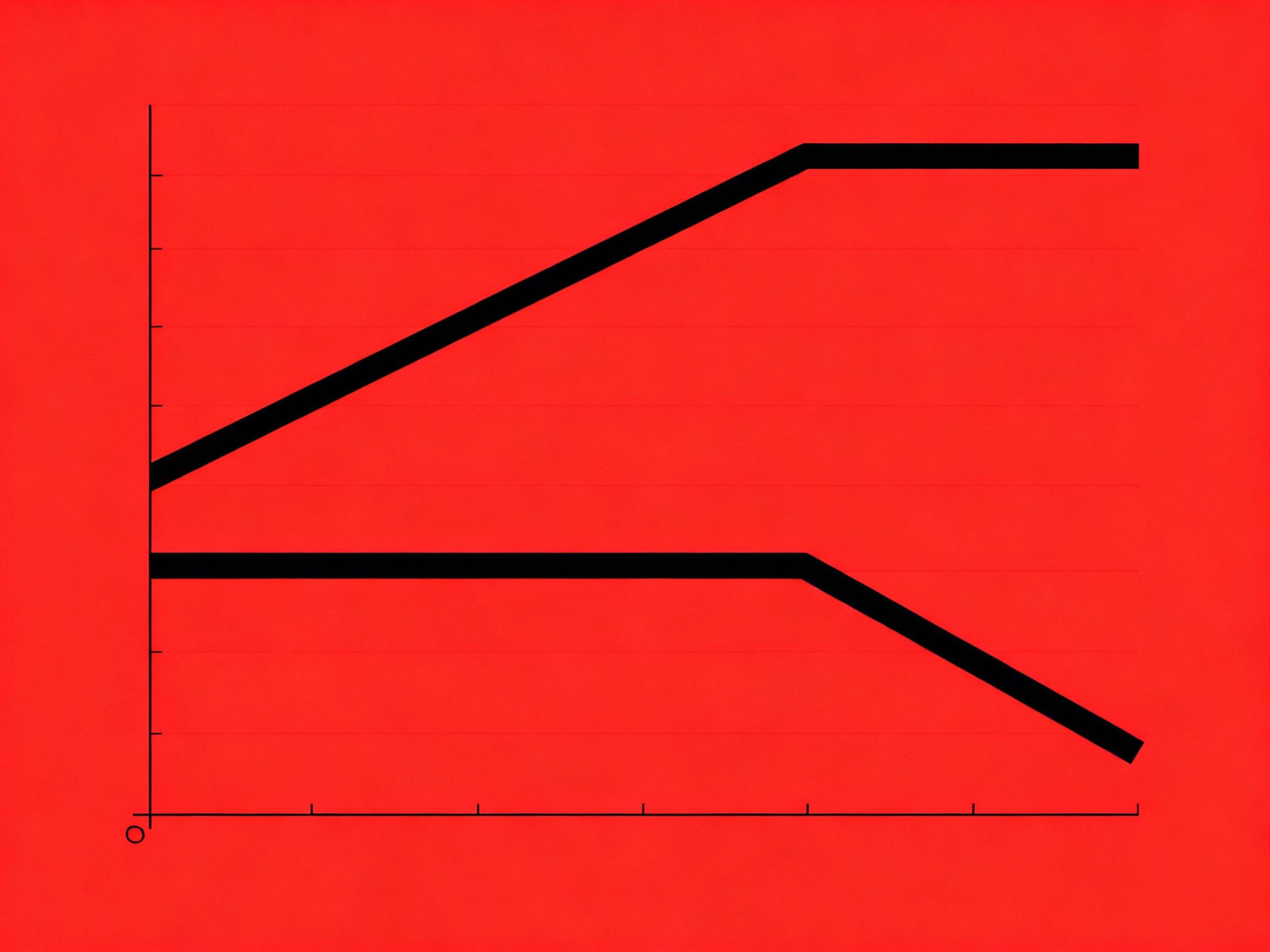
If you’ve ever felt overwhelmed by curing oven settings, charts can help simplify the process. Curing temperature profile charts are visual tools that map out the ramp-up, dwell, and cool-down phases for specific materials. Think of them like cheat sheets for creating the perfect cure.
How to Use Curing Charts to Your Advantage
It’s tempting to ignore charts and rely on trial and error, but that can waste time, energy, and materials. Here’s how to make the most of them:
- Start by Identifying Your Material: Epoxy resin, for example, prefers steady temperatures between 120°C and 140°C without sudden changes. Wood, on the other hand, needs gradual heating to prevent moisture cracks.
- Match Your Oven Settings: Your curing oven should allow you to adjust ramp rates and soak times to match the chart. Need ultra-precision? Advanced ovens like Shenzhen Chuxin’s reflow machines can pinpoint multi-zone control.
- Track Temperature Consistency: Recording the actual oven profile versus the chart helps you spot variances early.
Comparing Industry-Specific Profiles
Different industries use curing temperature profiles tailored to their needs. Let’s break it down:
| Material | Ideal Temp Range | Dwell Time | Special Notes |
|———————|———————-|—————–|———————————————-|
| Epoxy Resin | 120°C – 140°C | Around 30 mins | Avoid fast ramp rates; bubbles may form. |
| Lead-Free Soldering| 230°C – 250°C | Steady 90 secs | Ensure compliance; void reduction critical. |
| Concrete Components| Gradual ramps up to 60°C | Varies | Slow cooling; cracking risk high. |
| Wood | 80°C – 120°C | Varies | Moisture control prevents splitting. |
Visualizing this data is key when working with multiple materials. For instance, epoxy resin charts will focus on minimal temperature variance to prevent cosmetic defects. On the flip side, concrete charts may emphasize cooling rates to avoid structural cracks.
Pro Insight: Every chart offers clues for troubleshooting. If inconsistencies arise in your curing process, carefully evaluate deviations from the chart and adjust accordingly.
Future Trends in Heat Curing Technology
Heat curing technology has come a long way in making manufacturing smoother, faster, and more precise. As we move through 2026, new trends are shaking things up and creating exciting possibilities for industries like electronics, automotive, and more.
Adaptive and Predictive Technologies Are Transforming Processes
One of the biggest advancements is AI-driven predictive technology. These systems monitor curing profiles in real time and automatically adjust parameters for consistent results. For example, Shenzhen Chuxin’s reflow ovens now include intelligence features that anticipate changes in environmental conditions, helping prevent overheating and ensuring perfect solder joints. This adaptability is a game-changer, especially in high-volume production lines where precision is critical.
Manufacturers are gradually moving toward adaptive ovens that don’t just operate based on pre-set profiles but actively learn from past runs. This helps reduce errors, save time, and improve energy efficiency.
Environmental Compliance Is Front and Center
With stricter global standards around energy usage and waste, manufacturing in 2026 is all about being clean and green. Advanced curing ovens now support energy-efficient modes, reducing power consumption while keeping productivity high. This is a win for manufacturers trying to balance quality control with regulatory demands.
Another area of focus is compliance with new lead-free soldering rules. These regulations especially impact companies working with high-density components, requiring ovens that provide precise control over ramp-up rates and dwell times to avoid defects.
Tips dari Ahli: Insights into emerging advancements in curing technologies suitable for high-density applications can give businesses a competitive edge. Keeping up with compliance standards not only avoids fines but also promotes long-term sustainability.
Making Scalability Easier
In 2026, scalability is key for manufacturers looking to grow their output without compromising quality. Heat curing technology is now more modular, meaning companies can easily expand their production lines to match increasing demand. Shenzhen Chuxin’s solutions, for example, integrate seamlessly into existing setups, cutting down on downtime during process upgrades.
High-volume requirements also benefit from multi-zone control. These systems optimize temperature settings for each section of the oven, making it easier to maintain consistency, even for complex assemblies like Ball Grid Arrays (BGAs).
And while most curing ovens handle traditional materials like epoxy resin or concrete well, advancements allow better customization for niche applications like optical components or medical devices. This flexibility reduces waste and ensures perfect results every run.
Let’s face it, the heat curing world isn’t static, and these innovations showcase how the field is pushing boundaries while tackling real-world challenges—making 2026 a pivotal year for manufacturers worldwide.