Top Causes of SMT Soldering Defects and How to Prevent Them
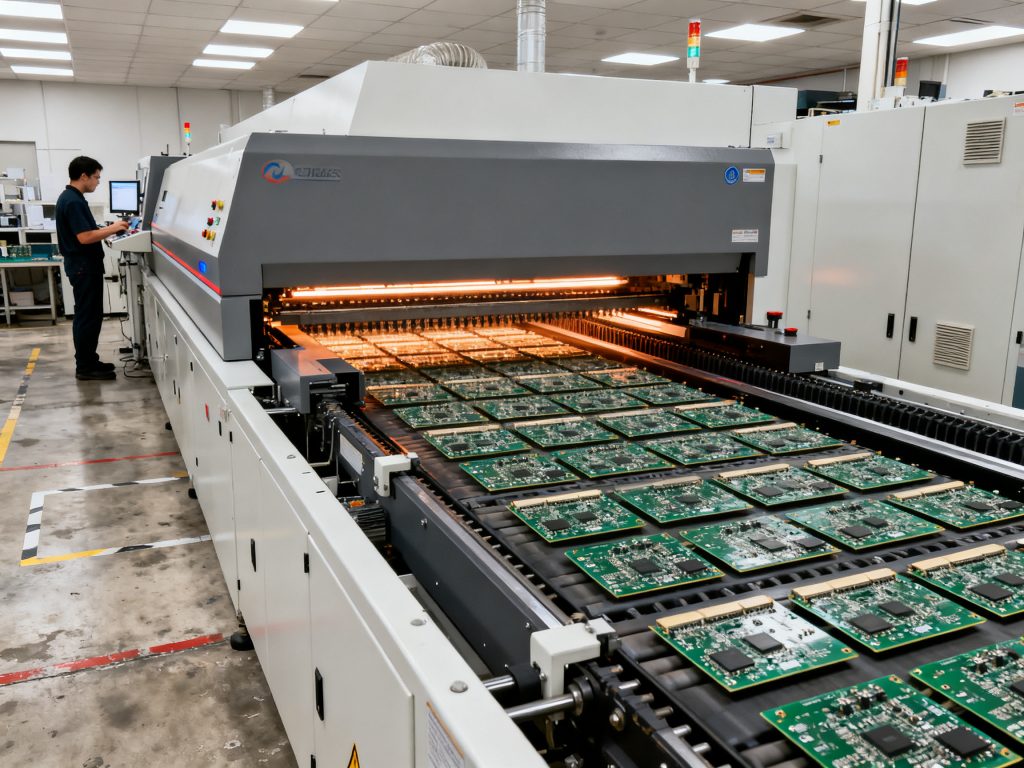
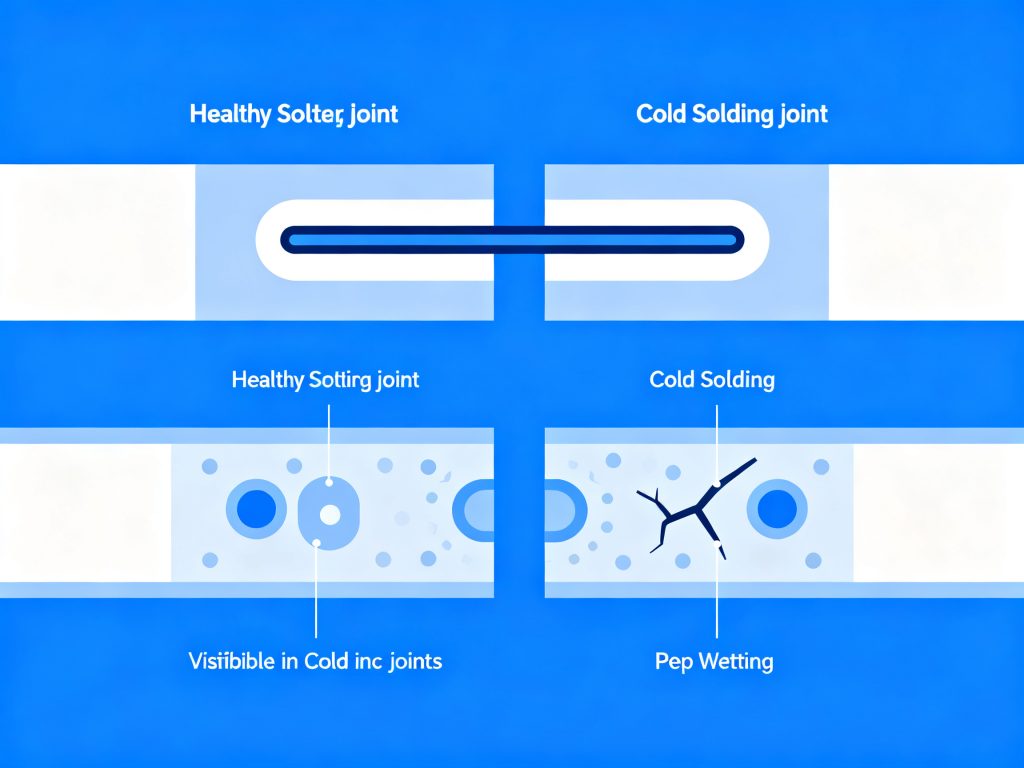
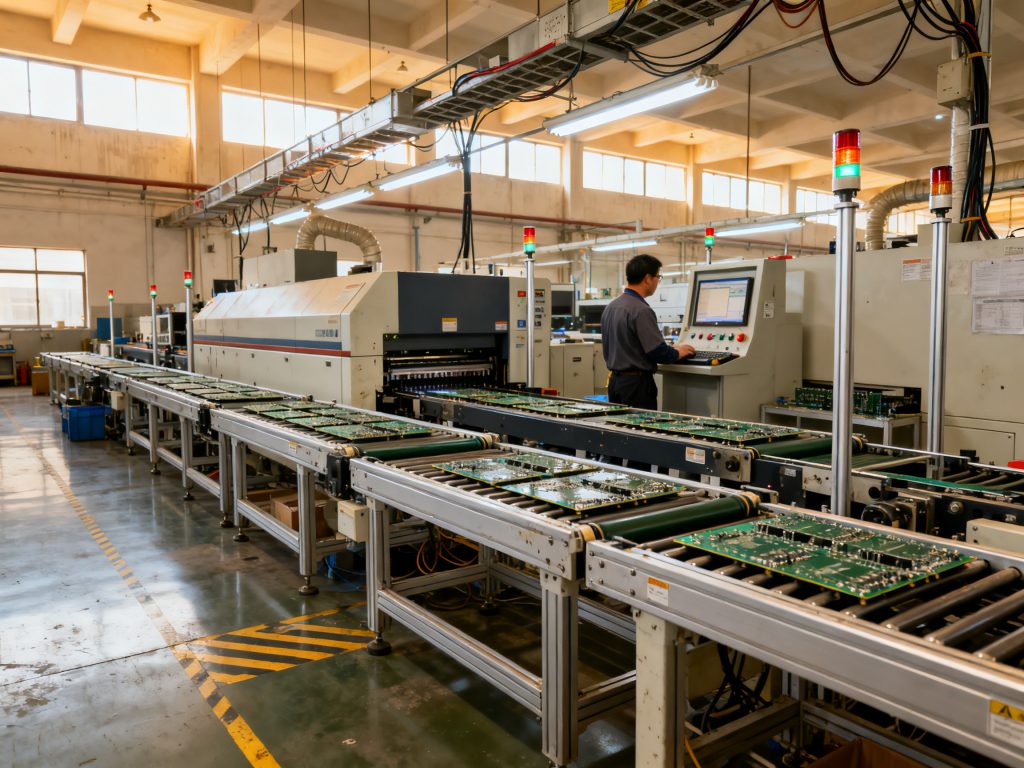
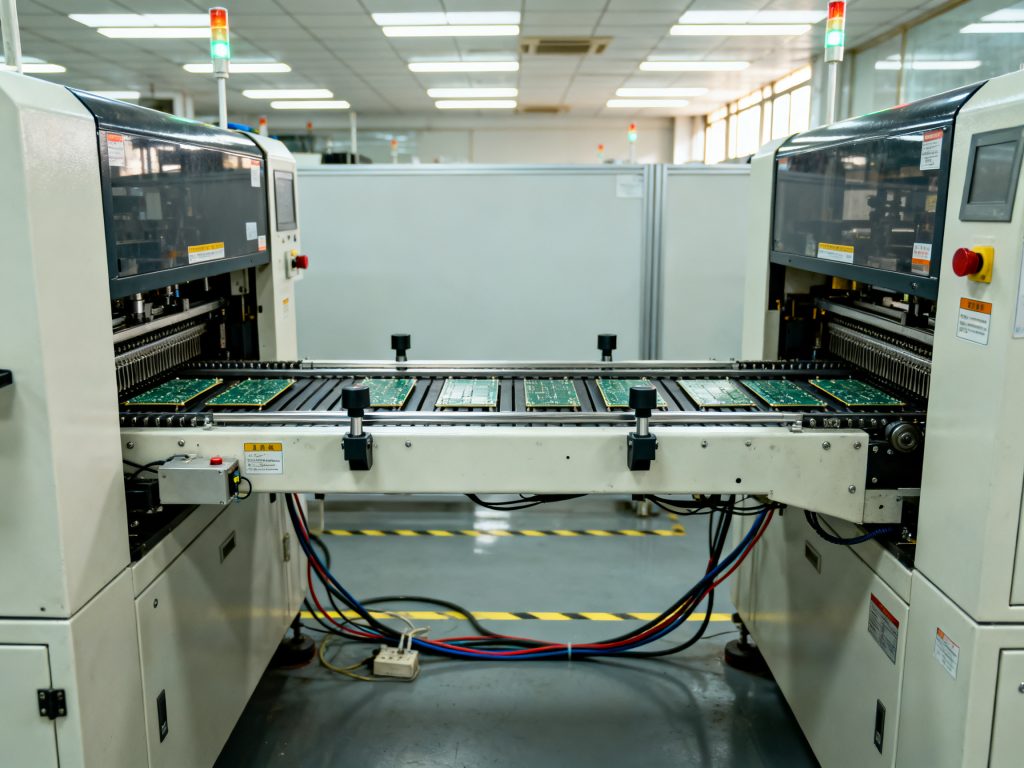
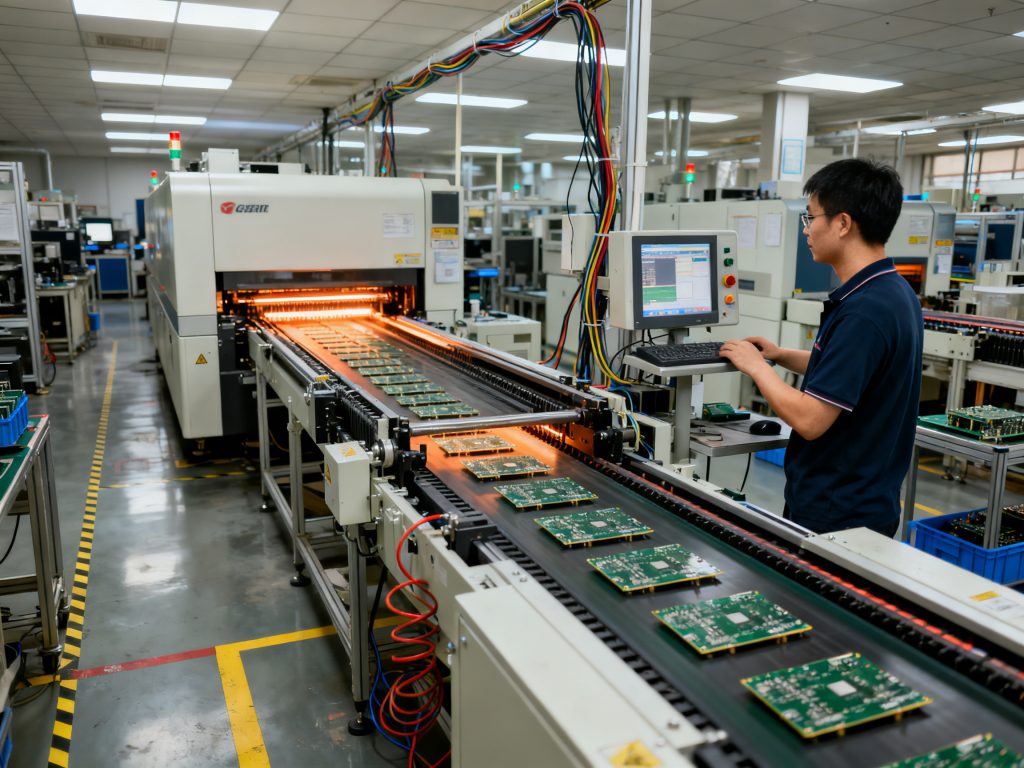
SMT soldering defects like bridging and tombstoning stem from paste, placement, and reflow issues. Prevent them with process control and quality equipment.
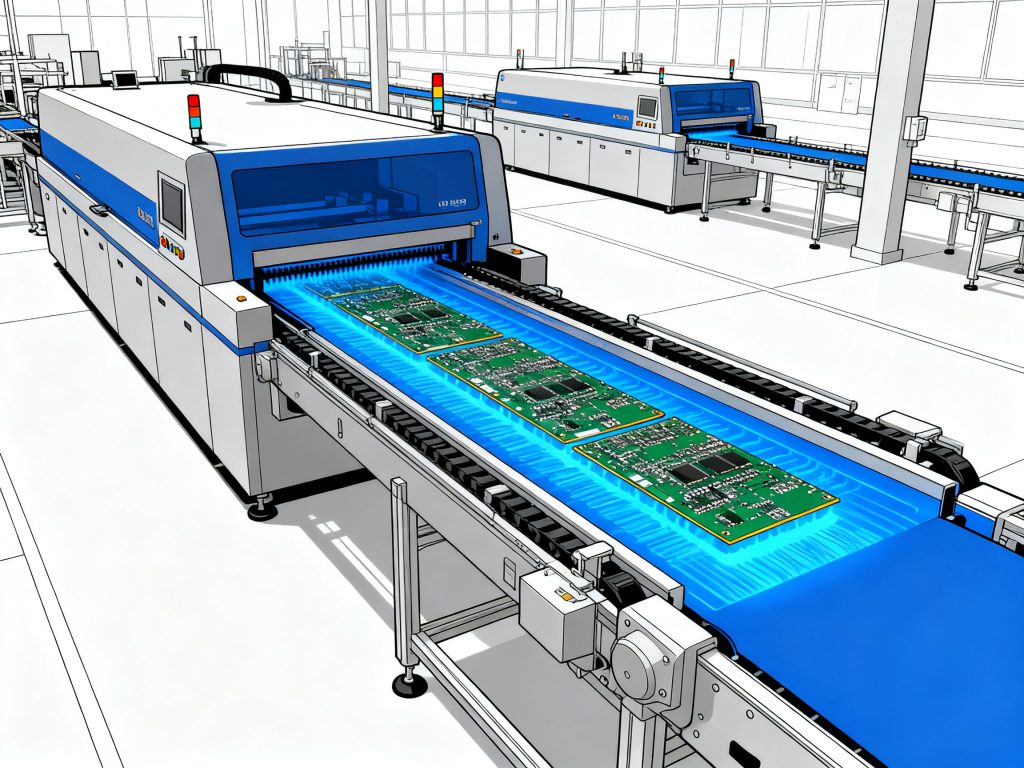
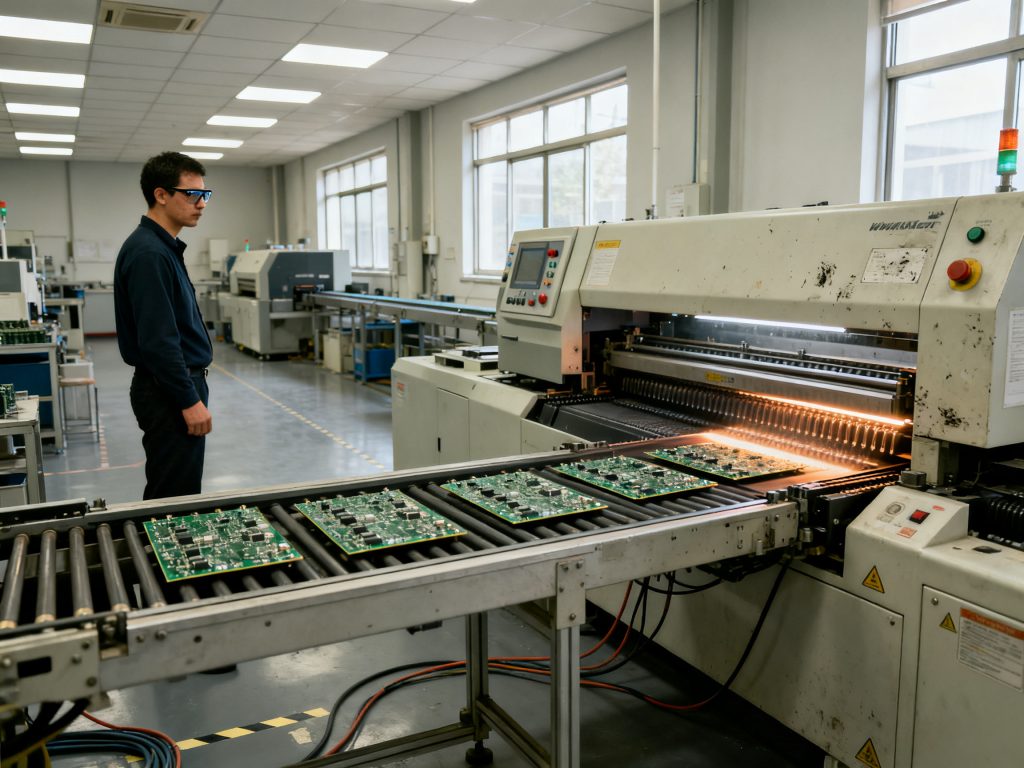
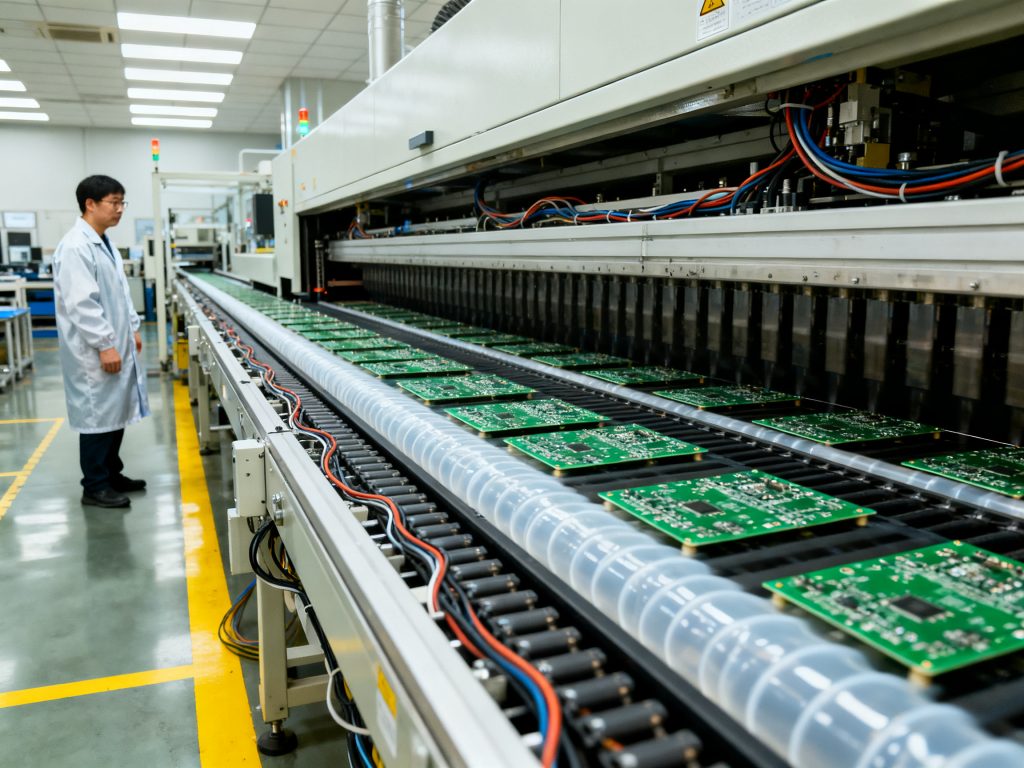
Hidden factors like calibration, airflow, and material compatibility impact mini-led reflow oven performance and SMT solder joint quality.
Key factors affecting SMT Equipment TCO include purchase price, maintenance, energy use, yield, and hidden operational costs.
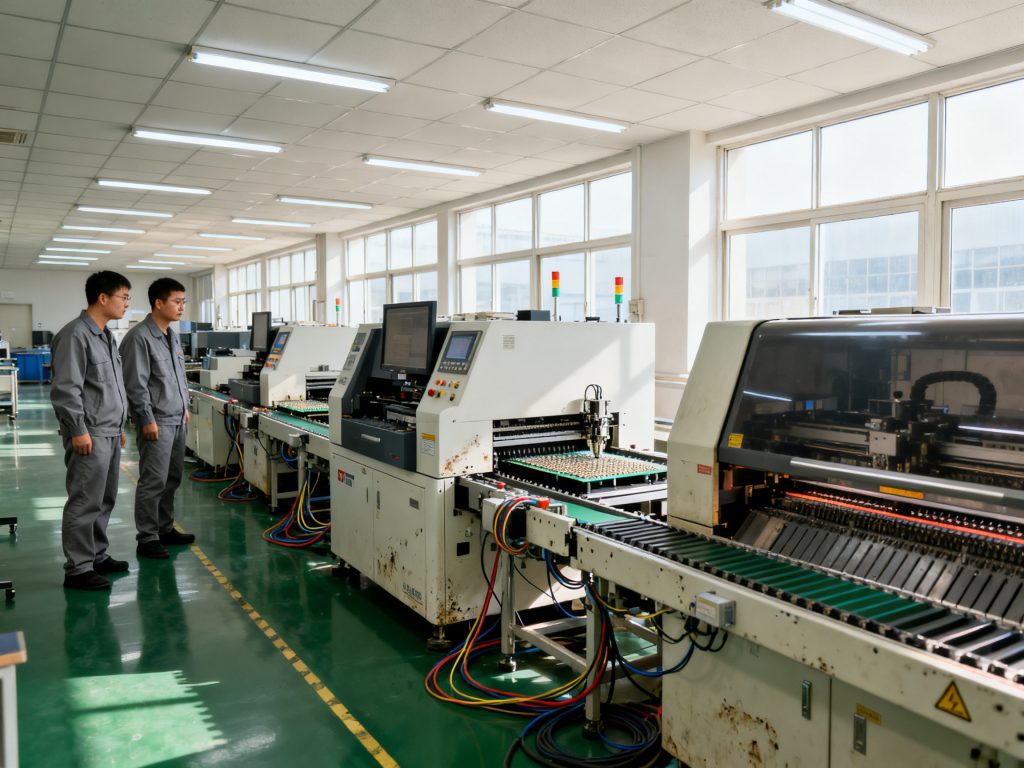
Procurement teams should assess production goals, equipment features, supplier reliability, and hidden costs before buying SMT equipment.
Select the ideal lead-free reflow oven lead time for multi-layer PCB assembly to achieve strong solder joints, high quality, and reliable production results.
Choosing an SMT supplier based only on price risks poor quality, hidden costs, unreliable support, and production delays that can harm your business.
PCB destacker factories use SMEMA and PLC protocols for seamless integration with pcb SMT line equipment, boosting automation and production efficiency.
Compare low-cost vs high-quality SMT equipment on speed, accuracy, reliability, and total cost to choose the best solution for your production needs.
Compare SMT line suppliers by evaluating technical expertise, equipment, certifications, support, and total cost for reliable production.
Criteria buyers use to evaluate SMT equipment suppliers include performance, support, cost, reputation, and upgradability for smart purchasing decisions.