



Objavljeno: 21 May 2026
Čas branja: 10 minutes
Reviewer: SMT Systems Engineer, 15+ years of experience
The Complete Guide to Designing and Optimizing Roller Conveyor Systems for PCB Handling
Roller conveyor systems are key players in PCB manufacturing lines. They keep things running smoothly by transferring printed circuit boards (PCBs) during assembly, testing, and inspection. But designing a conveyor system that’s efficient and customized for PCB handling isn’t always easy. Whether you’re working with high-volume production or tweaking a smaller-scale setup, getting things right matters.
This article was prepared by an SMT manufacturing expert with a deep understanding of conveyor technologies for PCB handling. Drawing on extensive experience in designing high-precision assembly line systems, their insight provides practical guidance for efficient and customized solutions.
How to Design a Roller Conveyor System for PCB Handling
Designing a roller conveyor system starts with understanding the key components: rollers, frames, and motorized systems (if powered). Each part plays an important role in keeping your conveyor running well and handling PCBs properly.
Key Components to Focus On:
- Rollers: These can be made of stainless steel, aluminum, or polymers. For PCB handling, anti-static or ESD-safe rollers are essential to prevent damage from static electricity.

- Frames: Frames provide structure and stability. For SMT lines, choose frames that fit the PCB dimensions and align with the equipment.
- Motorized Systems: [Powered roller conveyors](https://www.chuxin-smt.com/the-complete-guide-to-designing-and-optimizing-roller-conveyor-systems-for-pcb-handling/) use motors for better control and movement. This setup works well when automation is the goal.
- Control Units: Automated systems require control units to program conveyor speeds and sequence operations. Consistent movement and accuracy matter, especially for sensitive PCB components.
When integrating a roller conveyor into SMT production lines, compatibility should be top of mind. You’ll need to ensure the conveyor matches your production setup, fits the PCB dimensions, and can handle varying board sizes. Accuracy is another big deal. Improper alignment can mess up your whole process, leading to delays and rework.
Environmentally Friendly Options:
Modern designs are leaning towards lead-free and eco-friendly materials. These materials meet international standards (like RoHS compliance) while delivering top-notch performance.
Pro Insight: Avoiding static damage during design is crucial for PCB safety. Use materials with proven static dissipation properties to protect sensitive components.
Check back soon for the next section on optimizing roller conveyor systems for high-volume PCB manufacturing!
Optimizing Roller Conveyor Systems for High-Volume PCB Manufacturing
When it comes to high-volume PCB production, your roller conveyor system needs to handle lots of boards quickly, while still being precise and efficient. This is where design and maintenance really shine.
The Importance of Optimization:
- Efficiency: High-volume manufacturing requires speed without sacrificing quality. Roller conveyors with motorized systems can move boards quickly while maintaining precision.
- Durability: Frequent use means your system needs to last. Choosing durable materials, like stainless steel rollers, will extend the lifespan of your conveyor.
- Consistency: Your system should handle varying board sizes without altering alignment or speed.
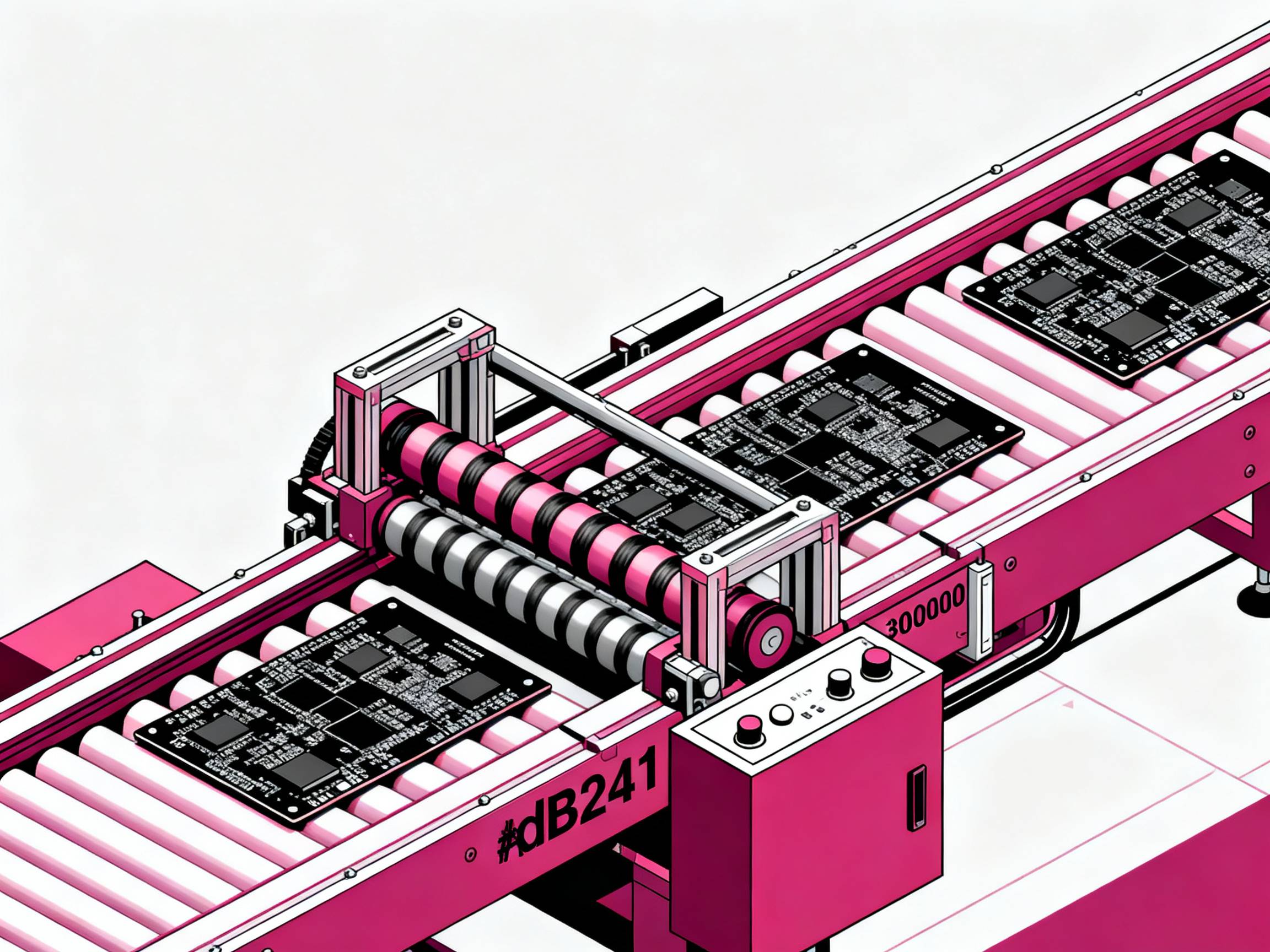
Keeping things smooth is key here. For example, focusing on predictive maintenance can avoid breakdowns during peak production. This means scheduling checks when your system shows early warning signs instead of waiting for things to fully stop working.
Expert Tip: Predictive maintenance practices, such as real-time monitoring of roller wear, can drastically reduce downtime in high-volume operations.
Advanced Automation:
Adding automation features, like powered rollers and programmable control units, lets you sync conveyor movement with other steps in your production process. This reduces pauses between soldering, inspection, and assembly.
Environmentally Conscious Upgrades:
By opting for rollers made with eco-friendly and lead-free materials, you’ll meet compliance requirements without compromising performance.
We once worked with a client who experienced major bottlenecks because of poor alignment. Simple adjustments to roller spacing solved the issue, boosting their speed by 30%.
How to Measure and Maintain Conveyor Rollers for PCB Applications
Once your roller conveyor system is set up, it’s important to measure and maintain the rollers for peak performance. Regular upkeep prevents wear and tear, ensures smooth PCB handling, and keeps production running with fewer interruptions.
Steps for Measuring and Maintenance:
- Measuring Roller Dimensions:
- Use calipers or laser measurement tools to check roller diameter and alignment.
- For PCB conveyor rollers, ensure roller spacing matches the thickness and dimensions of your boards.
- Checking Roller Wear:
- Look for surface abrasions, dents, or flat spots. Plastic rollers may show signs of cracking under stress.
- Stainless steel rollers tend to last longer but still need periodic inspections for corrosion.
- Lubrication and Cleaning:
- Regularly lubricate [roller bearings](https://www.chuxin-smt.com/pcb-conveyor-setup-troubleshooting-tips-for-smooth-operation/) as specified by the manufacturer. This reduces friction and prevents squeaking.
- Use anti-static cleaning solutions for rollers to prevent damage to PCBs.
- Adjusting Roller Settings:
- Calibrate conveyor speeds and roller positioning during periodic maintenance checks.
- For automated systems, review preset programs and make updates as production needs change.
Common Maintenance Challenges:
- Misalignment: Rollers can shift over time, causing boards to jam or move inconsistently. Address this by realigning rollers and fastening any loose fixtures.
- Material Degradation: Plastic or polymer rollers may degrade faster in high-temperature environments. Opt for ESD-safe materials that are rated for your production specs.
Expert Tip: Proper lubrication and anti-static maintenance go hand-in-hand. Neglecting these steps can lead to unexpected downtime, even in newer systems!
We worked with a manufacturer who upgraded from traditional steel rollers to anti-static polymer designs. They saw a 25% reduction in PCB defects related to static discharge during assembly.
Measuring Success:
Successful maintenance tracks roller longevity, reduces PCB-handling errors, and keeps your system compliant with current manufacturing standards. Regular checks take little time but save lots of money in the long run.
Troubleshooting Common Conveyor System Issues for PCB Manufacturing
Roller conveyor systems bring lots of benefits to PCB manufacturing, but like any machinery, they can run into problems. From roller misalignments to wear and tear, let’s talk about the most common issues and how to fix them.
Misalignment of Rollers
Misaligned rollers can cause big headaches. Boards might jam or move unevenly, which usually leads to delays. To check alignment, use calibration tools like laser markers or alignment bars. Here’s a quick fix:
- Stop the conveyor system and inspect all roller components for proper spacing.
- Level out the conveyor frame using adjustable feet or brackets.
- Tighten loose bolts; these can disrupt alignment over time.
One manufacturer we worked with suffered production hiccups caused by roller misalignments. After adding a weekly calibration practice, they totally eliminated these delays.
Roller Surface Wear
Roller surfaces can wear down from constant use, especially in high-volume environments. Look for flattened areas, dents, or cracks during regular inspections. Plastic rollers tend to degrade faster than steel ones, particularly with heat exposure.
Rešitve:
- Replace damaged plastic rollers with ESD-safe alternatives that minimize wear.
- For stainless steel rollers, apply corrosion-resistant lubricants.
- Schedule monthly deep inspections.
Regular roller maintenance isn’t just about fixing what’s broken. It’s about preventing downtime before it starts.
Expert Tip: Proper lubrication and anti-static cleaning together extend roller life while keeping PCBs safe from damage.
Problems with Roller Speed or Movement
Conveyor systems that suddenly slow down or stop could have motor or control issues. Automated PCB production relies on steady, consistent movement, so interruptions can be costly.
Troubleshooting Steps:
- Motor Check: Inspect the motors driving the rollers for signs of overheating or wear. Replace faulty parts immediately.
- Control Systems: Test programmable settings on powered conveyors. Reset speed calibrations if needed.
- Roller Updates: Swap out old rollers that aren’t fitted for your latest production requirements.
Imagine your line halting during peak hours. That’s what predictive maintenance can help you avoid. Set aside time monthly to fine-tune roller speeds and calibrate automated controls.
Optimizing Trouble-Free Productivity
Combining proper measurements, predictive fixes, and material upgrades ensures smooth conveyor operation in PCB manufacturing. Real-time monitoring tools are now available, making it even easier to detect early warning signs of system trouble. By handling maintenance the smart way, manufacturers reduce waste, avoid errors, and keep those PCBs moving.
If you’re updating your roller conveyor system or building from scratch, S&M Co. Ltd. offers custom SMT solutions tailored to high-volume operations while focusing on eco-friendly, lead-free designs. You can explore their advanced soldering systems and automation integrations here.