


¿Cuánto nitrógeno se utiliza en un horno de reflujo?
Nitrogen usage in reflow ovens typically ranges from 18–30 m³/hr, maintaining low oxygen levels to reduce oxidation and improve solder joint quality.
Nitrogen usage in reflow ovens typically ranges from 18–30 m³/hr, maintaining low oxygen levels to reduce oxidation and improve solder joint quality.

Wave soldering suits high-volume through-hole boards, while reflow excels with complex, high-density SMT designs. Choose based on your production needs.
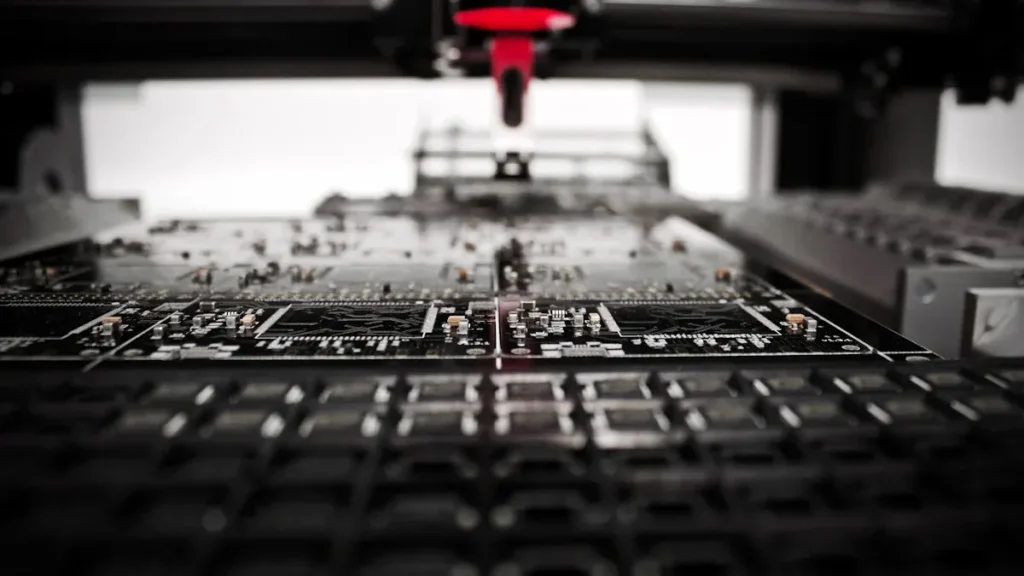
Seleccione el tamaño de horno de reflujo ideal para su volumen de placas de circuito impreso ajustando las zonas y la capacidad del horno al tamaño de su placa, sus necesidades de producción y su crecimiento futuro.
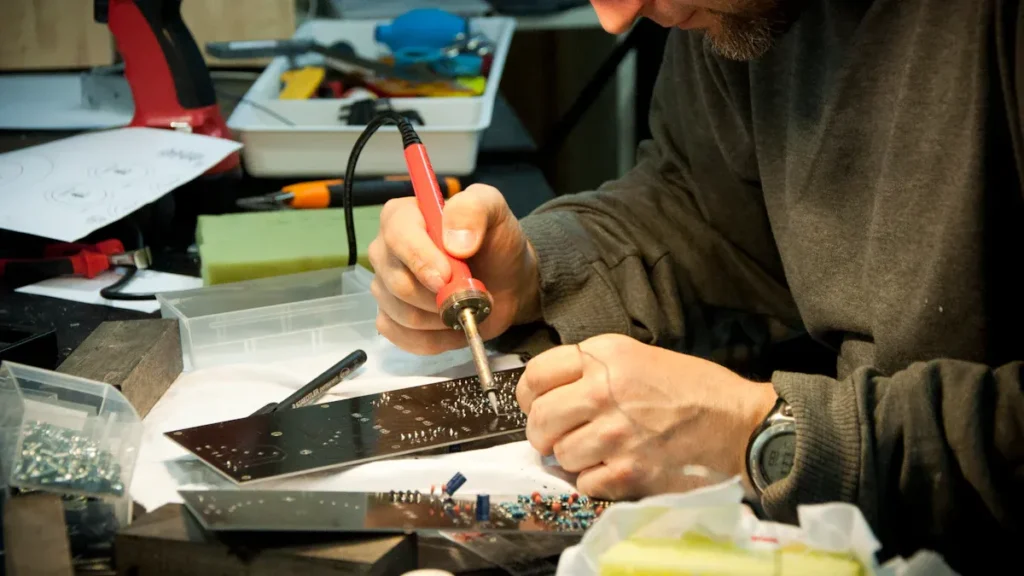
El nitrógeno en un horno de reflujo reduce la oxidación, mejora la calidad de las juntas de soldadura y disminuye los defectos, por lo que resulta esencial para una fabricación fiable de productos electrónicos.

Find the best reflow oven for lead-free SMT with top nitrogen control, precise temperature, and reliable support. Make the right SMT reflow oven choice.
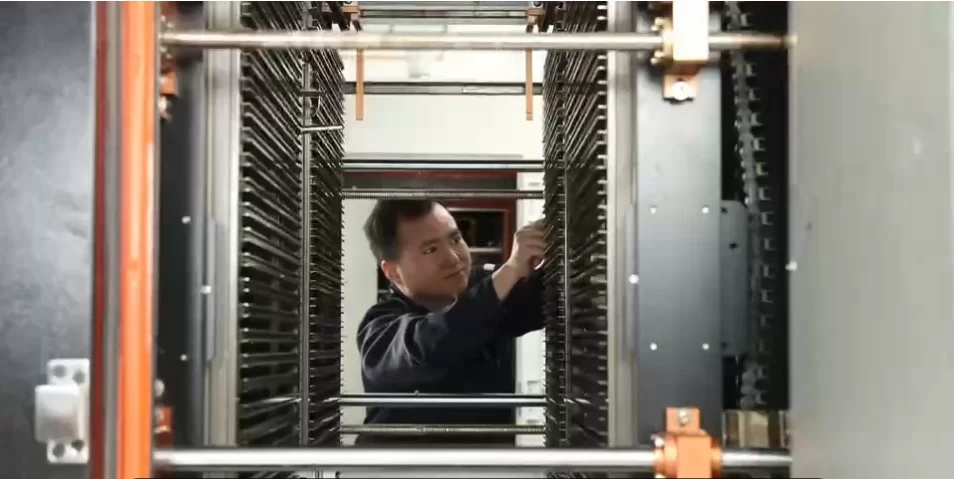
Avoid costly mistakes when choosing an SMT solution. Learn the top 5 traps in selection to ensure quality, flexibility, and reliable electronics manufacturing.

Compare 10 common SMT line configurations to choose the best setup for your factory’s production needs, automation level, and product complexity.
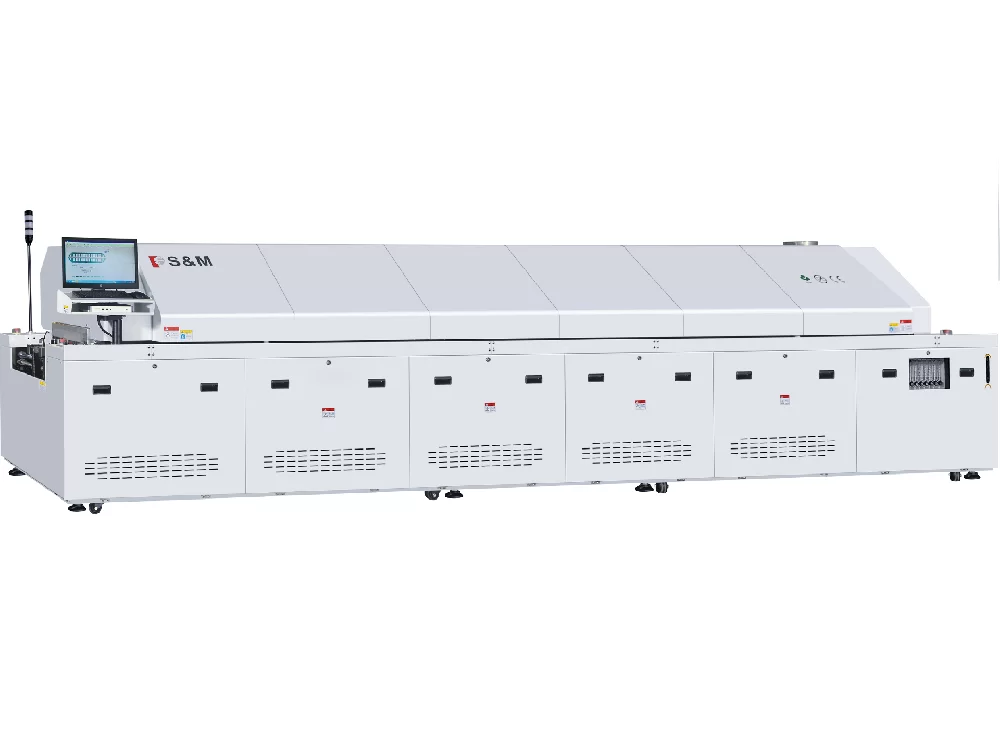
Select the right reflow oven for your SMT line by considering size, heating zones, temperature control, and energy efficiency for optimal soldering results.
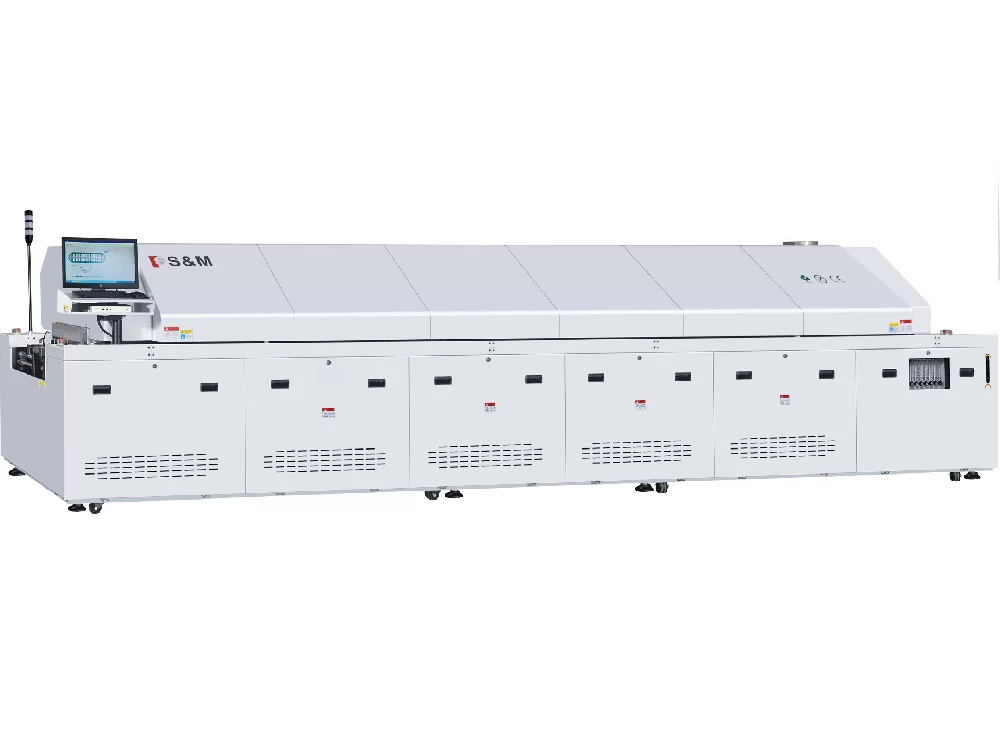
Find the best reflow oven for SMT production with top features, precise temperature control, and reliability to boost your assembly line’s efficiency.

If you’re involved in PCB assembly, you’ve likely come across terms like soldering oven, SMT reflow machine, or solder reflow