PCB Loader and Unloader Maintenance: Prevent Jams, Misfeeds, and Board Damage in SMT Magazine Handling缩略图%
Actualités

PCB Loader and Unloader Maintenance: Prevent Jams, Misfeeds, and Board Damage in SMT Magazine Handling

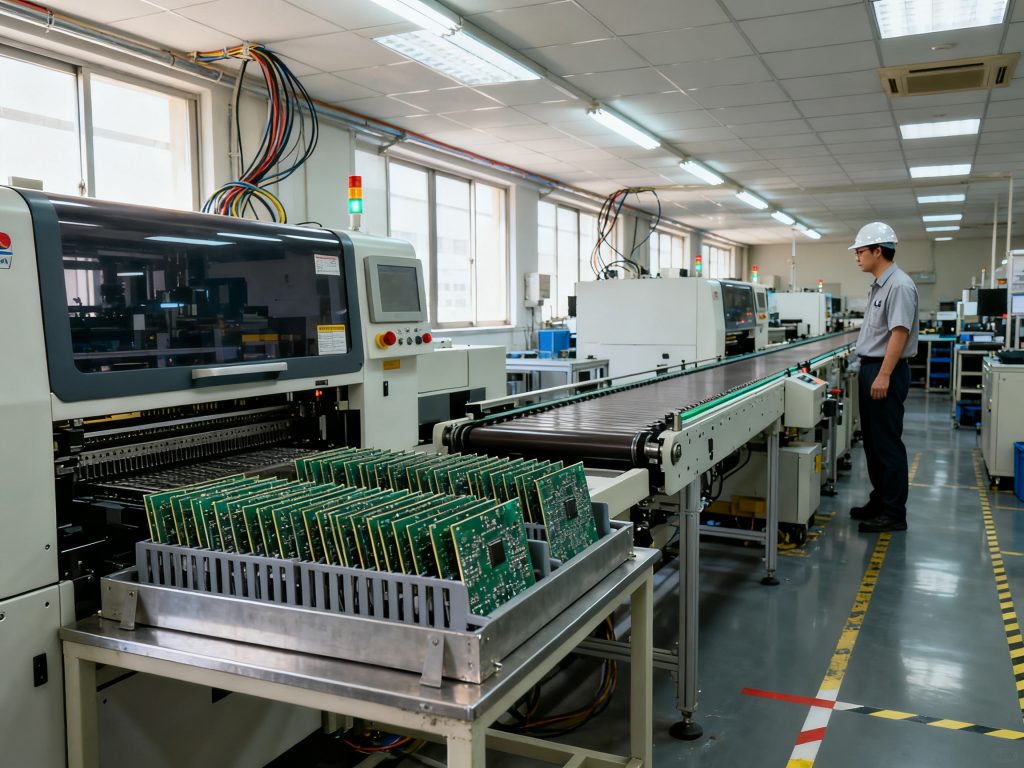
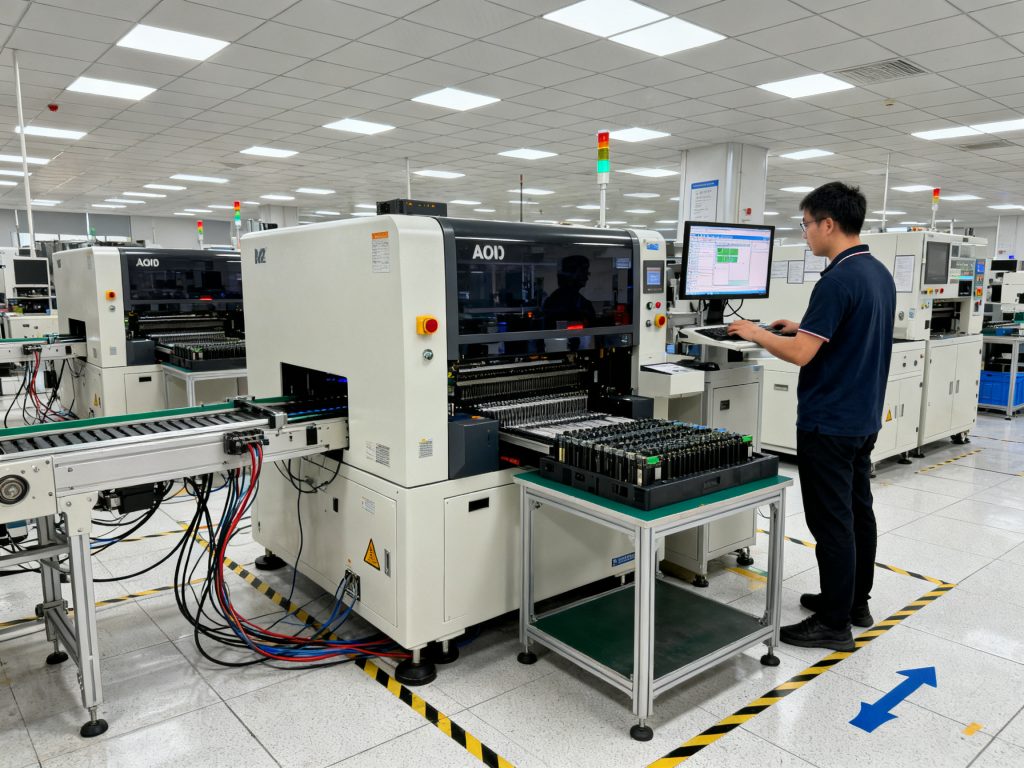
Magazine jams, pusher misfires, and rail contamination seem minor until they cascade into hours of downtime and damaged assemblies worth hundreds each. This guide walks through the most common failure points in PCB loader and unloader systems and provides a practical maintenance framework to keep your SMT line running. Stop reacting to stoppages and start preventing them.
How Loader Unloader Maintenance Works for SMT Lines: Preventive Checklist, Faults, and Service Steps缩略图%
Actualités

How Loader Unloader Maintenance Works for SMT Lines: Preventive Checklist, Faults, and Service Steps

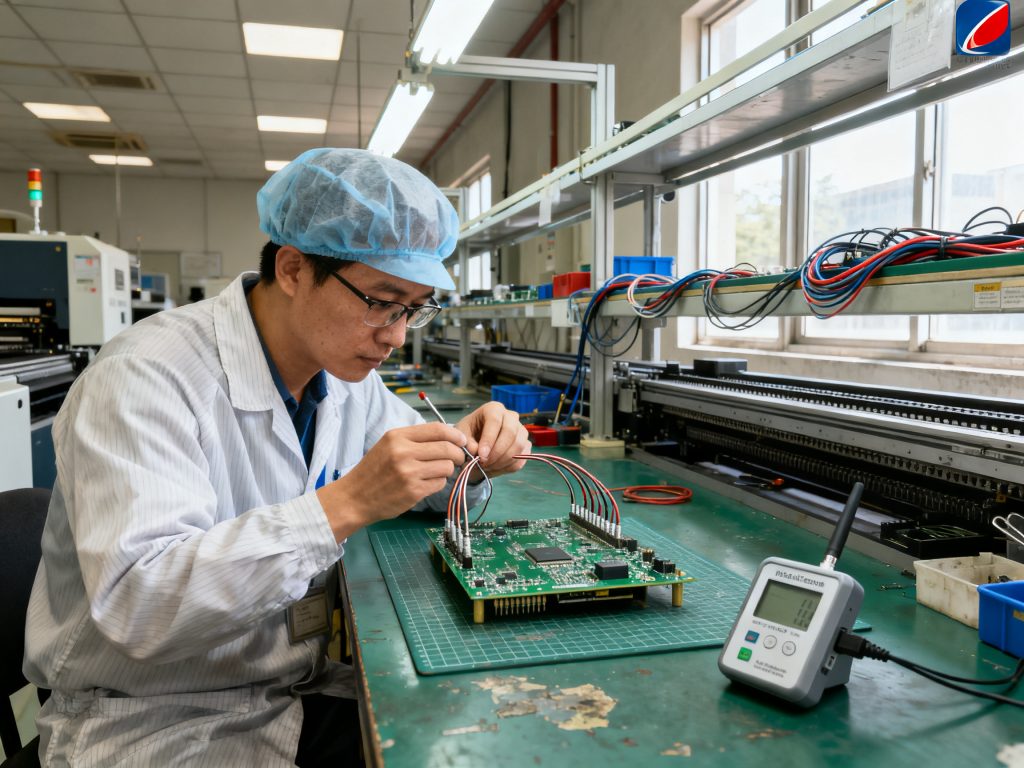
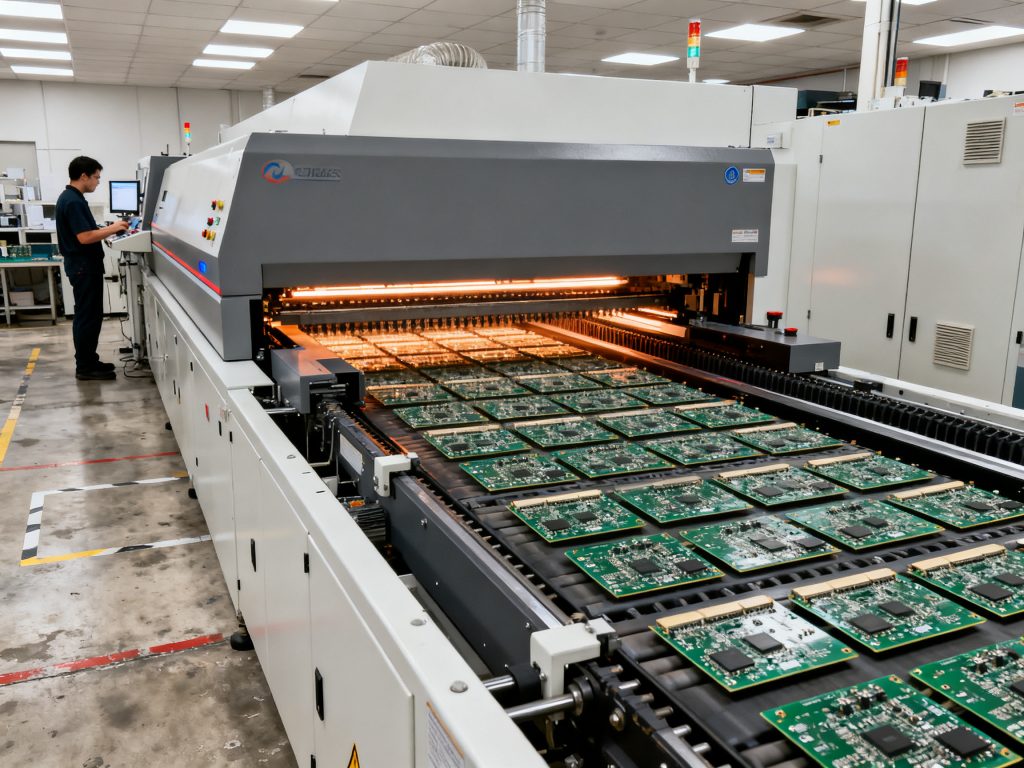
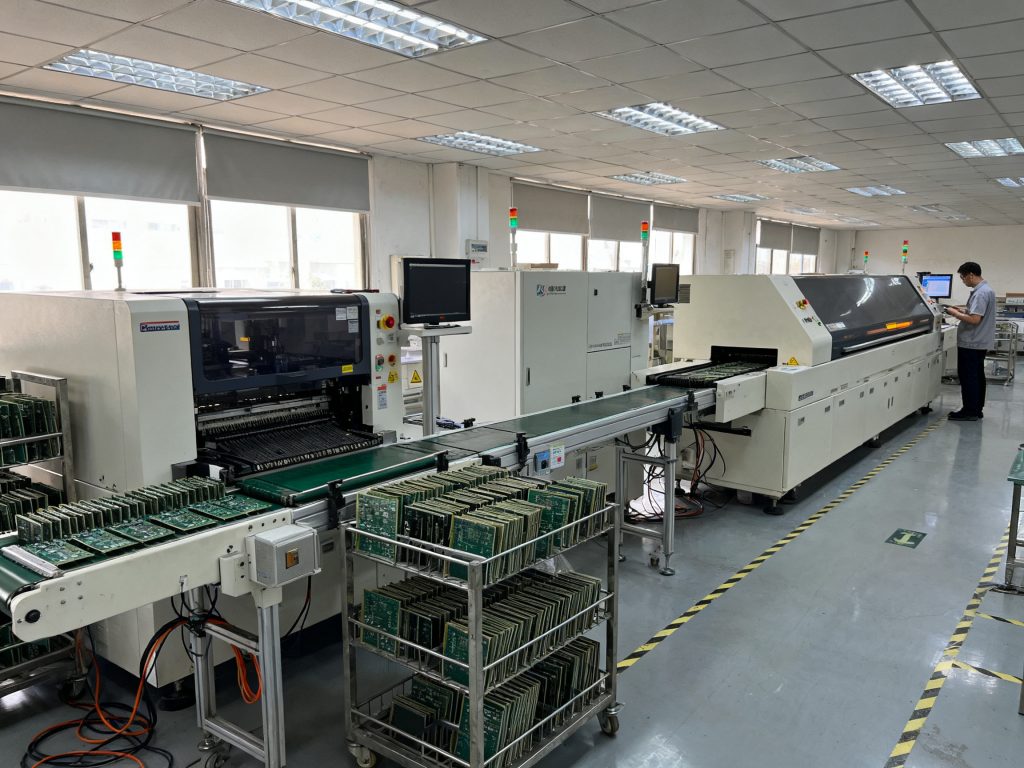
A loader malfunction can bring your entire SMT line to a standstill—even when everything else is running perfectly. This comprehensive guide covers everything from daily checks to quarterly overhauls, complete with fault diagnosis procedures and step-by-step service protocols. Built on real production floor experience, it’s the maintenance reference your team needs.

SMT Loader Maintenance & Troubleshooting Guide: Daily Checks, Service Plans, and Loader vs Unloader Tasks缩略图%
Actualités

SMT Loader Maintenance & Troubleshooting Guide: Daily Checks, Service Plans, and Loader vs Unloader Tasks

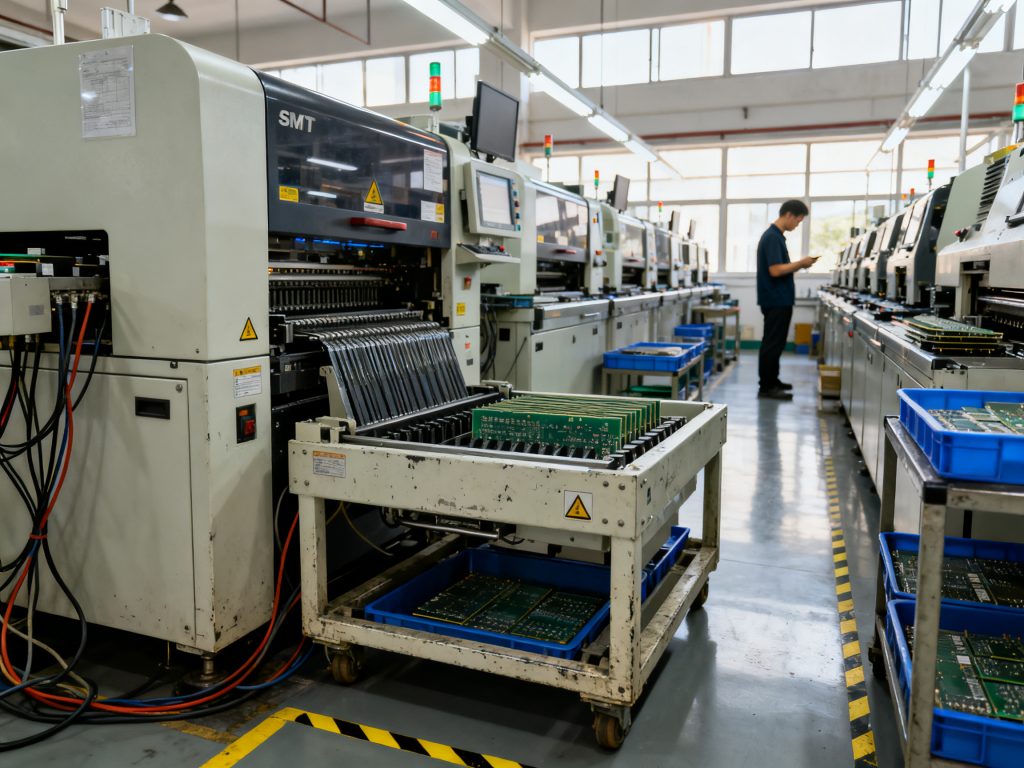
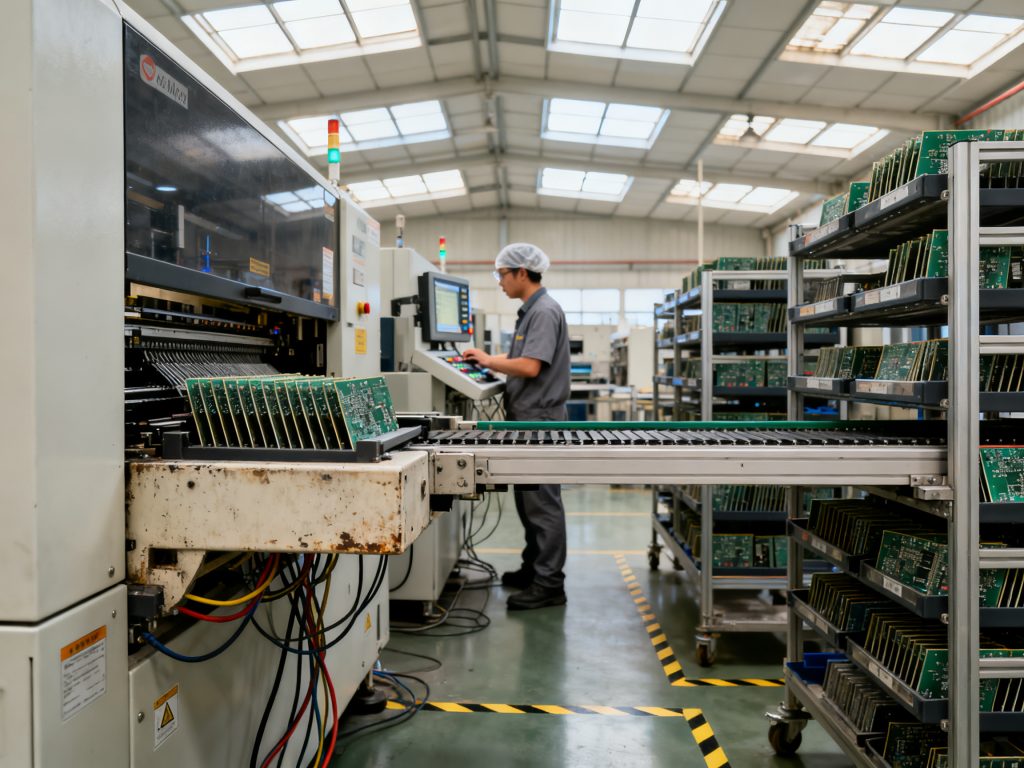
SMT loaders keep your production line moving, but when they fail, the cost is brutal—$500 to $2,000 per hour in lost output, climbing to $1.1 million per hour for semiconductor work. This guide covers daily inspections, maintenance mode diagnostics, troubleshooting sequences, and preventive service intervals that actually work on real production floors. Skip loader maintenance and your whole operation stops.

How Line Speed Synchronization Works in SMT Lines: Signals, Timing, Ethernet Control, and Failure Diagnosis缩略图%
Actualités

How Line Speed Synchronization Works in SMT Lines: Signals, Timing, Ethernet Control, and Failure Diagnosis

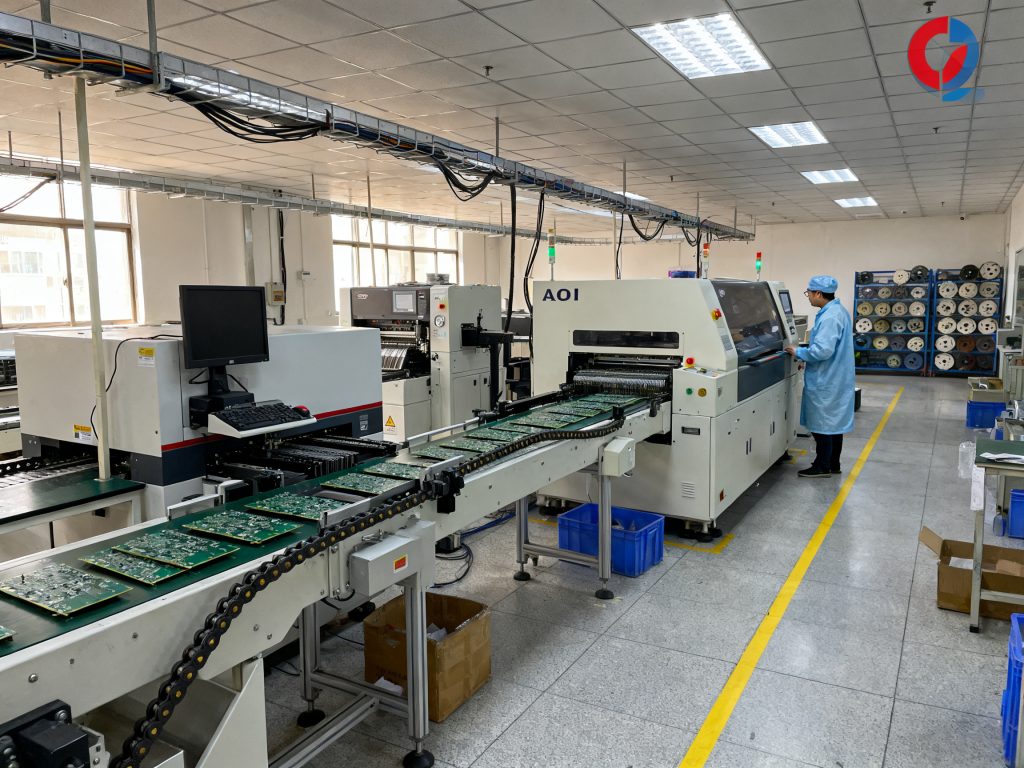
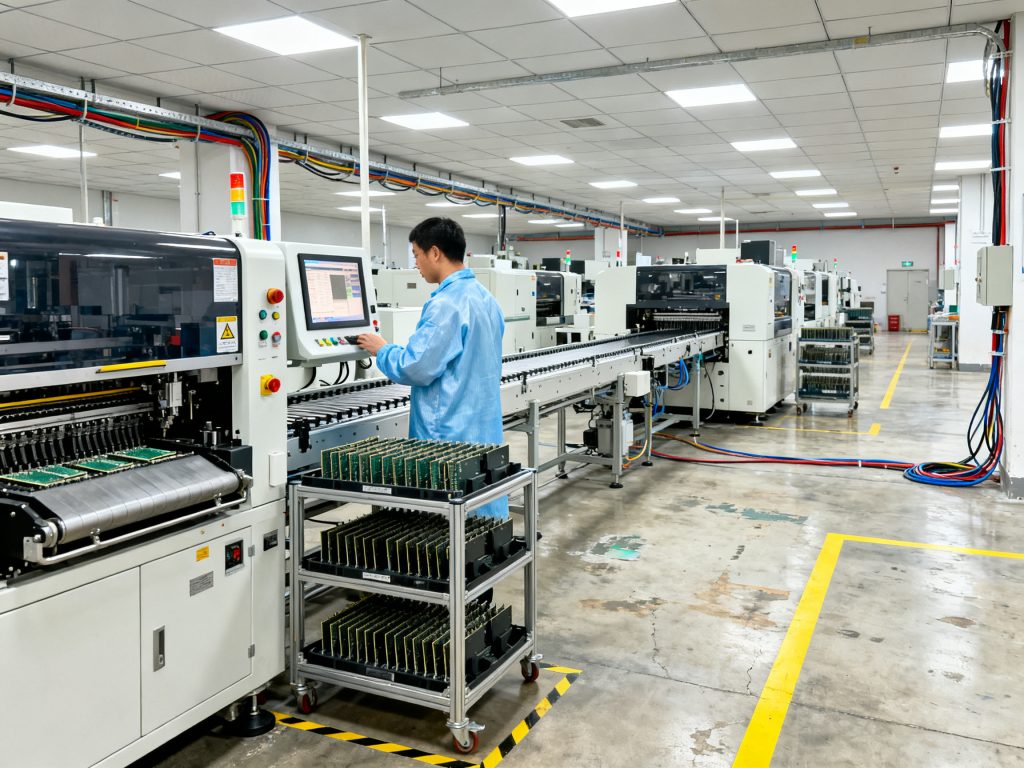
When conveyor speeds drift out of sync, your SMT line stops being a production line and starts being a collision course. Line speed synchronization is the real-time coordination between machines that keeps boards flowing cleanly—and with high-density BGA packages and lead-free profiles, timing precision has never mattered more. This guide covers every synchronization point, signal type, calculation method, and diagnostic technique you need to eliminate jams, spacing drift, and yield loss while meeting IPC-1782 traceability standards.

Top SMT Conveyor Belts and Systems of 2026: Reviews, Features, and Where to Buy缩略图%
Actualités

Top SMT Conveyor Belts and Systems of 2026: Reviews, Features, and Where to Buy

Your SMT conveyor in 2026 is not just hardware—it is a throughput driver that can make or break your defect rate and competitive edge. This guide cuts through the noise with real selection criteria manufacturers actually care about: transport stability, ESD protection, line uptime, and how well the system fits your board size range and production volume. Whether you are running high-mix changeovers or high-volume consumer electronics, here is how to match the right conveyor architecture to your actual situation.

How to Test Solder Joints for Reliable Performance in SMT Manufacturing缩略图%
Actualités

How to Test Solder Joints for Reliable Performance in SMT Manufacturing

That solder joint passing visual inspection today could crack under thermal cycling six months from now. Modern SMT production demands layered testing—visual and AOI for visible defects, multimeters for basic electrical checks, and X-ray inspection for hidden joints under BGA and QFN packages. The cost difference is stark: catch problems at SPI for $0.50, let them reach the customer and you’re looking at $500 or more per incident. This guide walks through each testing method so you can match the right tool to each failure type and build an inspection workflow that actually catches what matters.

Défiler vers le haut