




How to Compare Reflow Oven Temperature Stability Across Different Suppliers
IPC-7530B–aligned, step-by-step method to measure ΔT, run ≥5 thermocouple repeats, compute CpK, and compare suppliers with anonymized results.
IPC-7530B–aligned, step-by-step method to measure ΔT, run ≥5 thermocouple repeats, compute CpK, and compare suppliers with anonymized results.
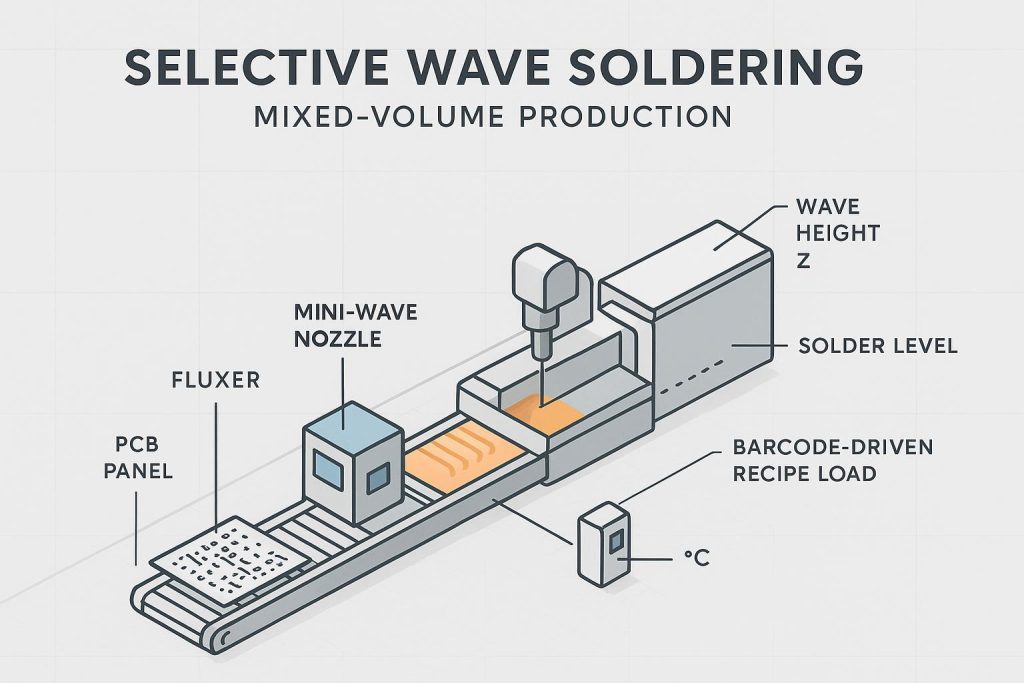
Reliable selective wave soldering machine best practices—practical, audit‑ready guidance for cross‑model consistency, sub‑5‑min changeovers, closed‑loop control, and IPC traceability.
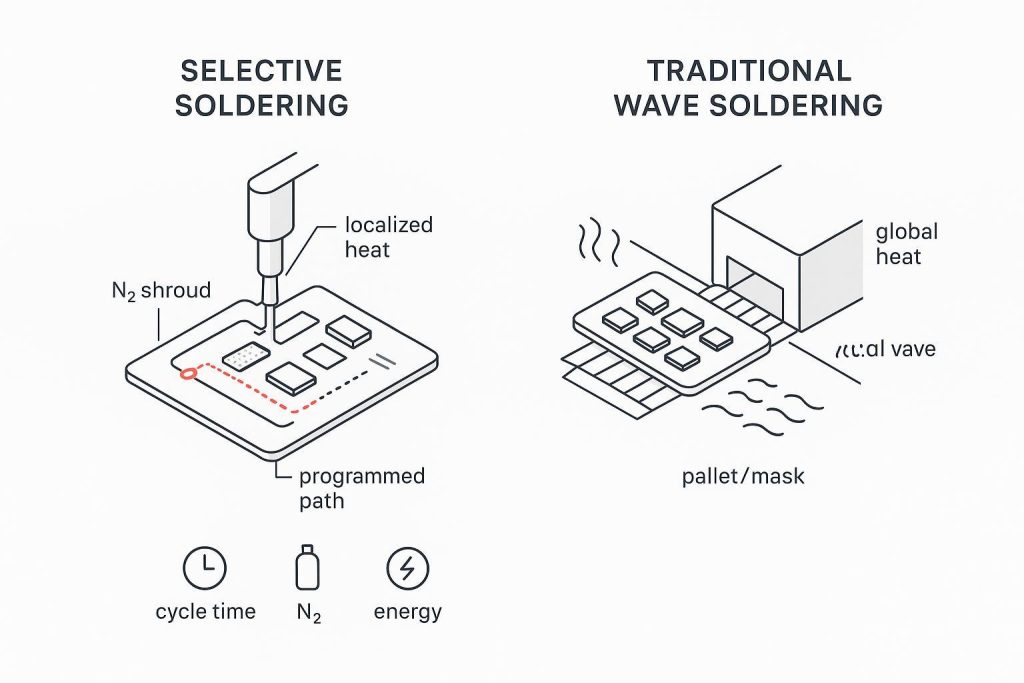
Compare selective soldering vs wave soldering for mid‑volume PCBs—throughput, changeover, thermal impact, nitrogen/energy use, and TCO to help you choose.
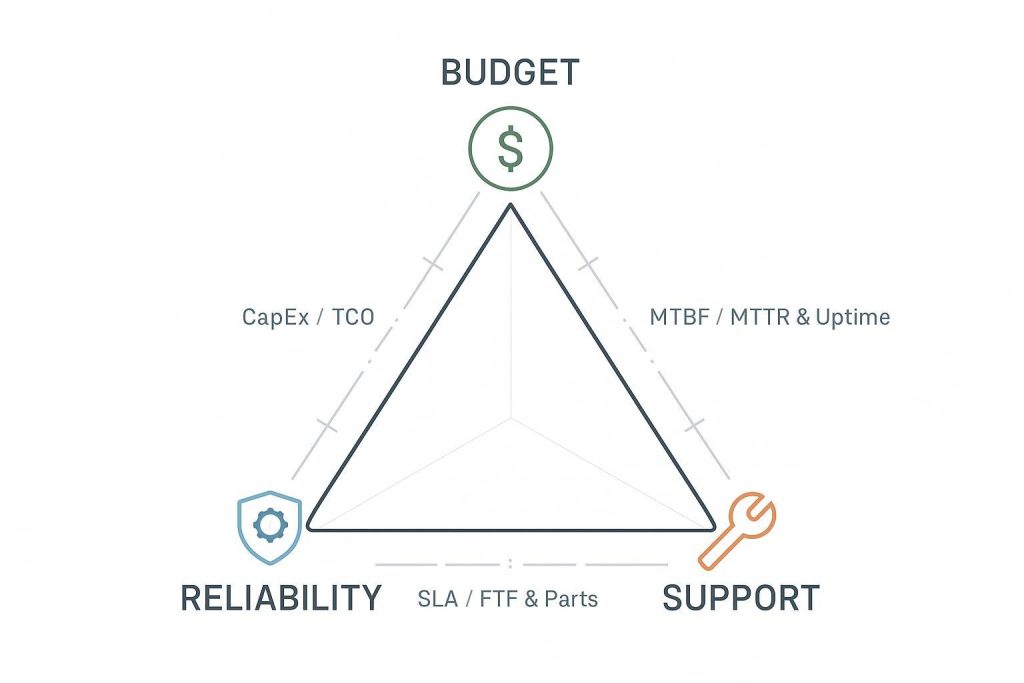
Practical comparison of China vs European SMT equipment (2026) focused on TCO, uptime (MTBF/MTTR), and service KPIs (SLA/FTF). Scenario picks and procurement checks.

Practical, data-driven guide for SMT engineers on PCB conveyor capacity planning around AOI, SPI, and reflow bottlenecks—includes queueing models, a worked ECU example, and concrete sizing rules.

Essential RFQ checklist and FAQs for global buyers sourcing SMT equipment from China—covering FAT/SAT, SLAs, Incoterms, spares, and remote diagnostics.
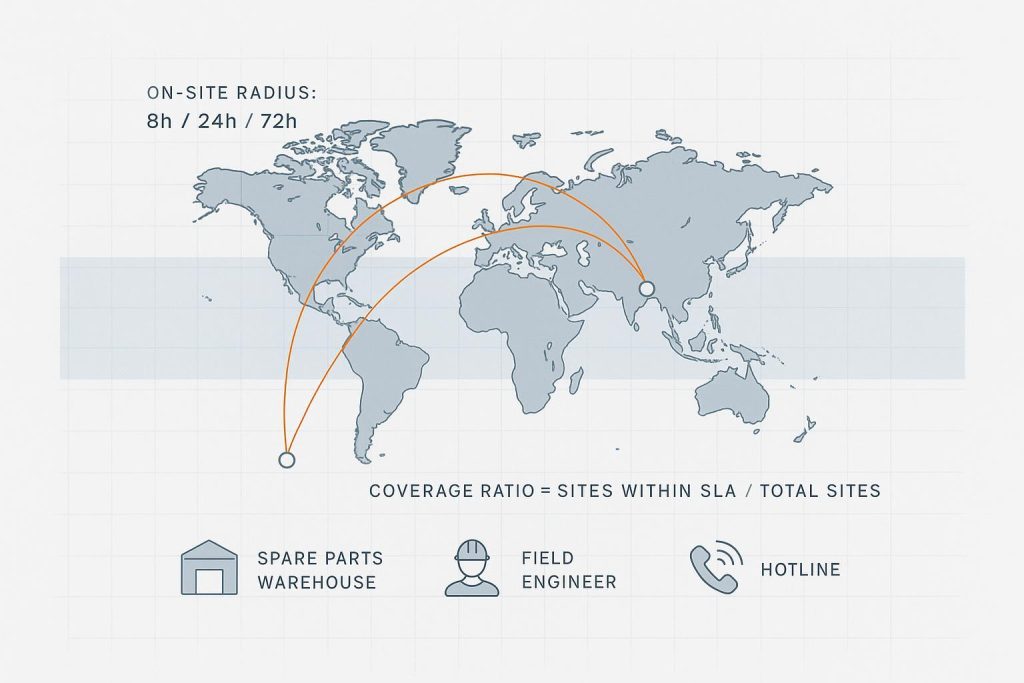
Practical, downloadable scorecard checklist to assess SMT after-sales service: service network coverage, SLAs, spare parts, engineer skills, and compliance for global buyers.
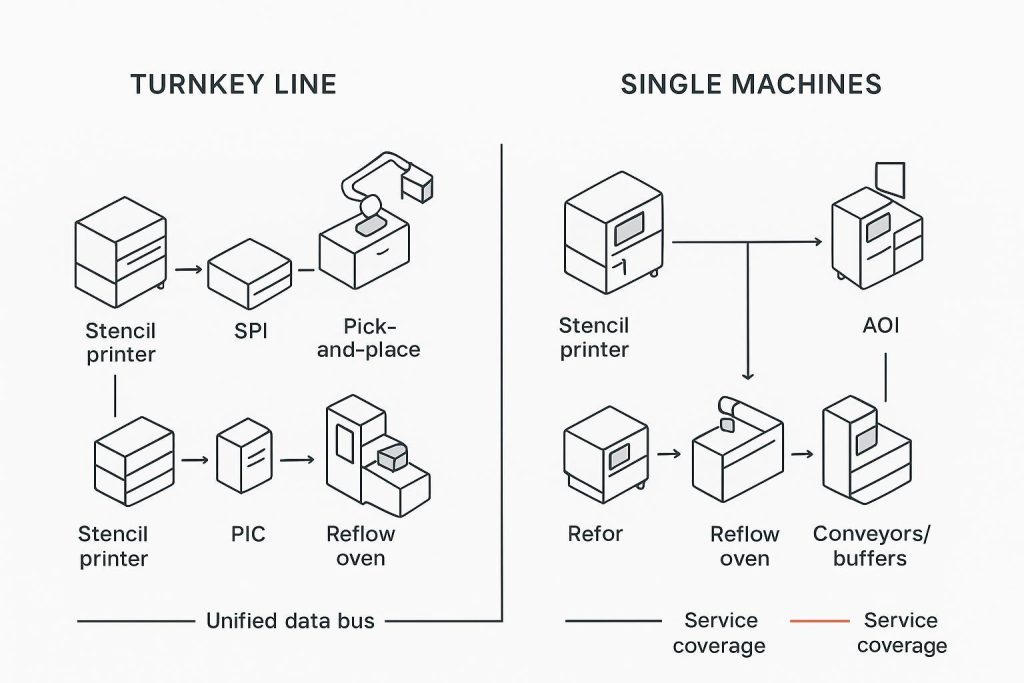
Compare turnkey SMT lines vs single-machine vendors for HM/LV changeovers, service SLAs, commissioning, and TCO; turnkey‑first recommendations and decision checklist.
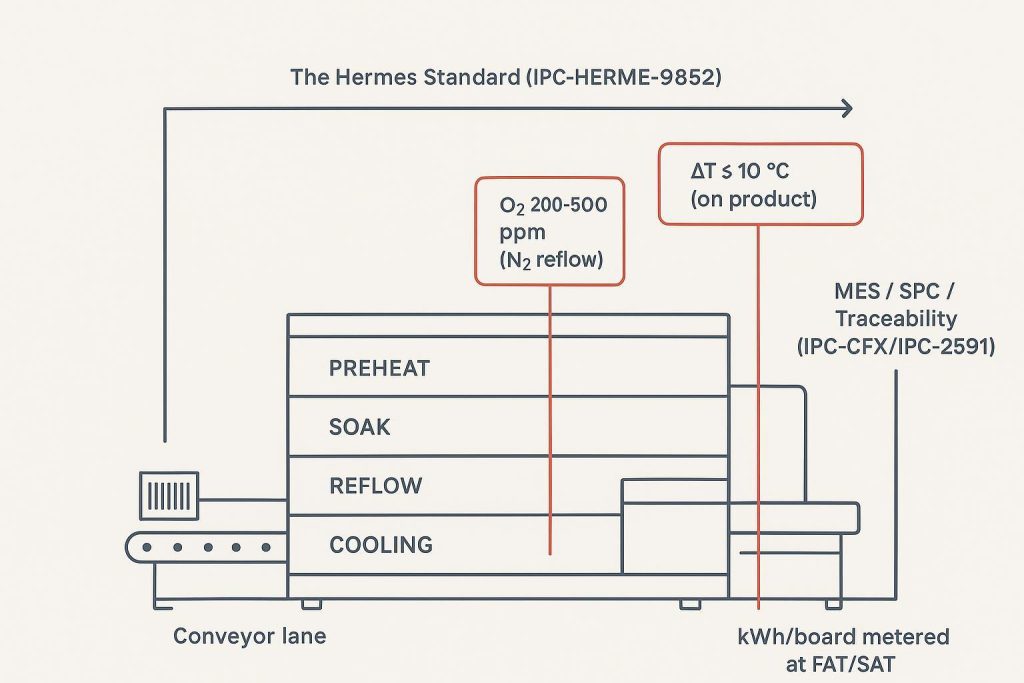
Practical, standards‑anchored buyer’s guide to selecting a reflow oven manufacturer in China—integration (Hermes/CFX), TCO, FAT/SAT checklist and supplier scorecard. Download actionable checklist.
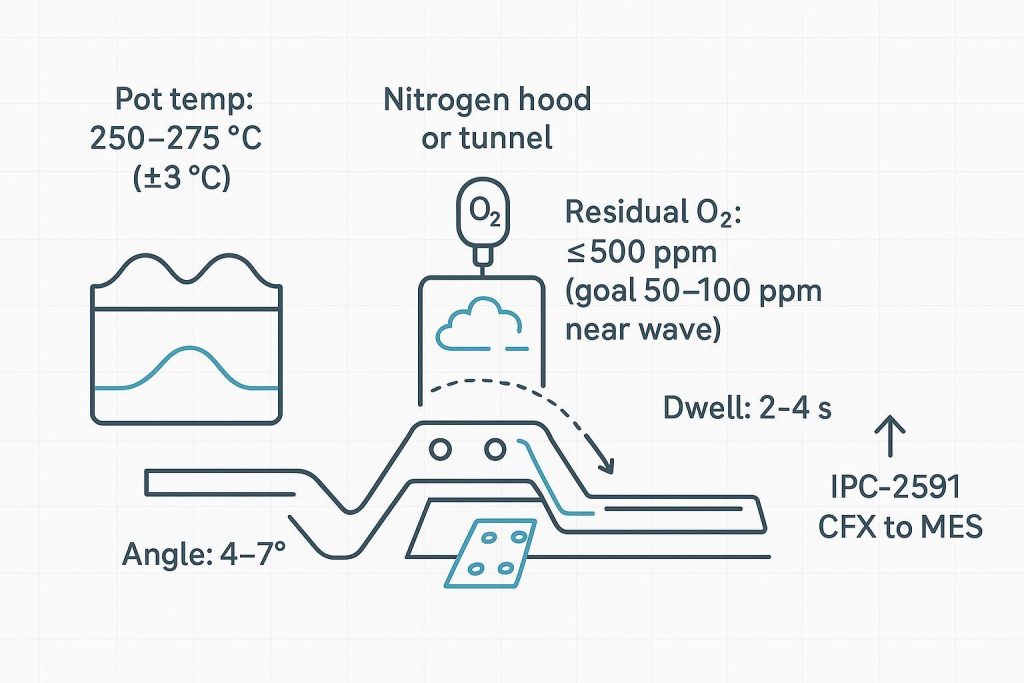
Audit‑ready 8‑point checklist for buyers evaluating a wave soldering machine manufacturer in China — numeric thresholds, test methods, required documents and RFQ wording.