Author name: chuxin

Lead-Free Wave Soldering: Complete Guide to Process, Alloys, RoHS Compliance, and Production Challenges缩略图%
News

Lead-Free Wave Soldering: Complete Guide to Process, Alloys, RoHS Compliance, and Production Challenges

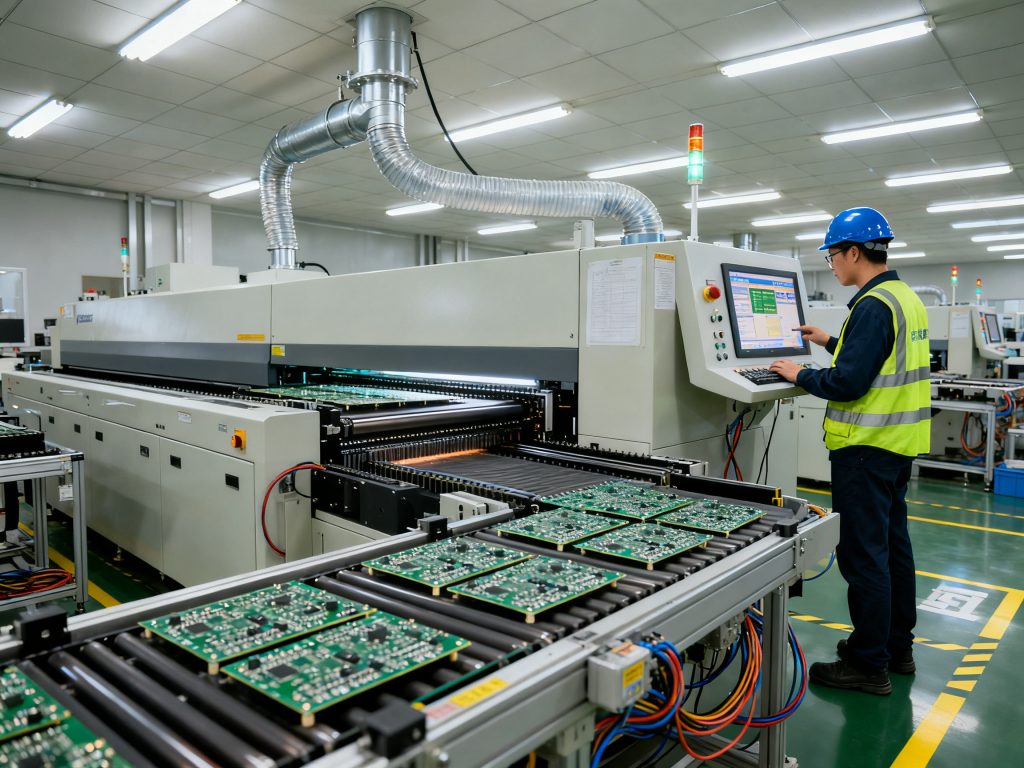
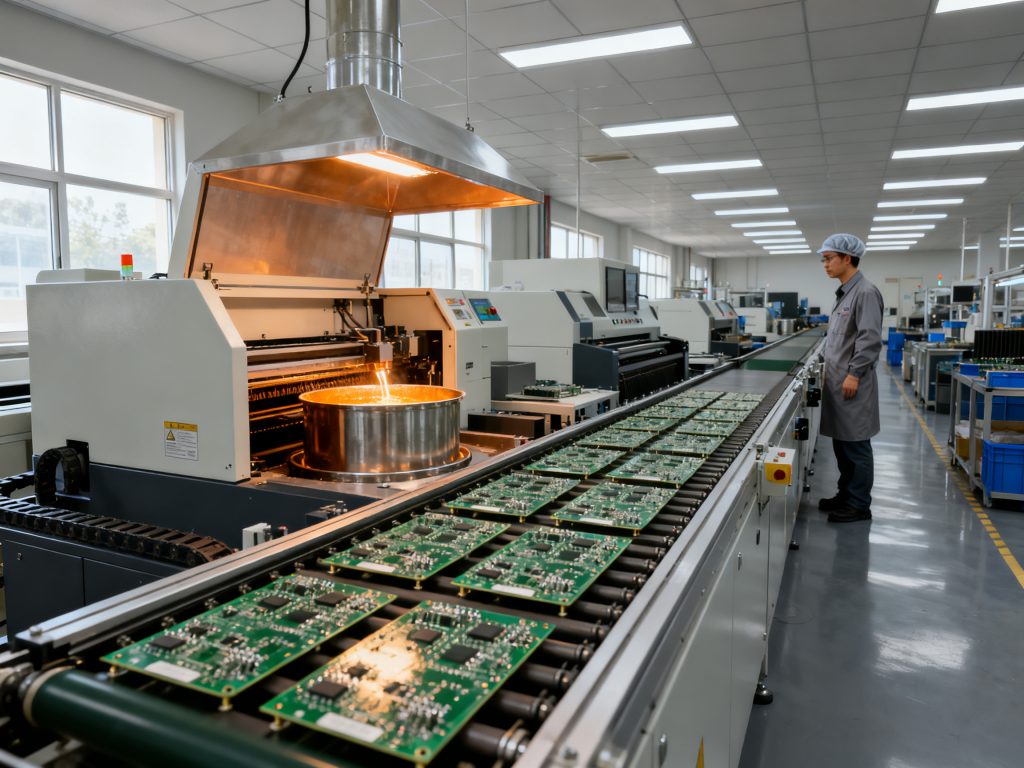
When the EU RoHS directive took effect in 2006, electronics manufacturers faced a major challenge: switching from reliable tin-lead solder to lead-free alternatives that behave completely differently under higher heat. This comprehensive guide breaks down everything from SAC alloy selection and temperature profiles to common defects like bridging and icicles, plus practical troubleshooting strategies. Whether you’re optimizing an existing line or building compliance documentation from scratch, these insights help you turn regulatory requirements into a competitive advantage.
Lead-Free Wave Soldering Process Guide: Machine Setup, Flux, Temperature Profile, and Dwell Time缩略图%
News

Lead-Free Wave Soldering Process Guide: Machine Setup, Flux, Temperature Profile, and Dwell Time

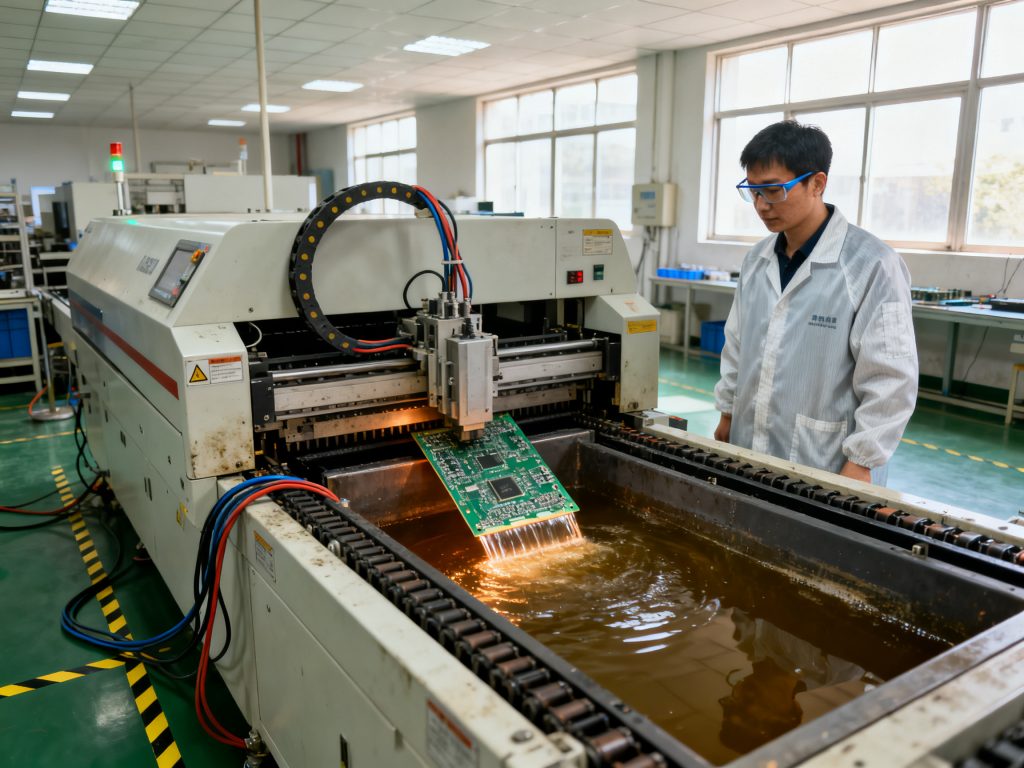
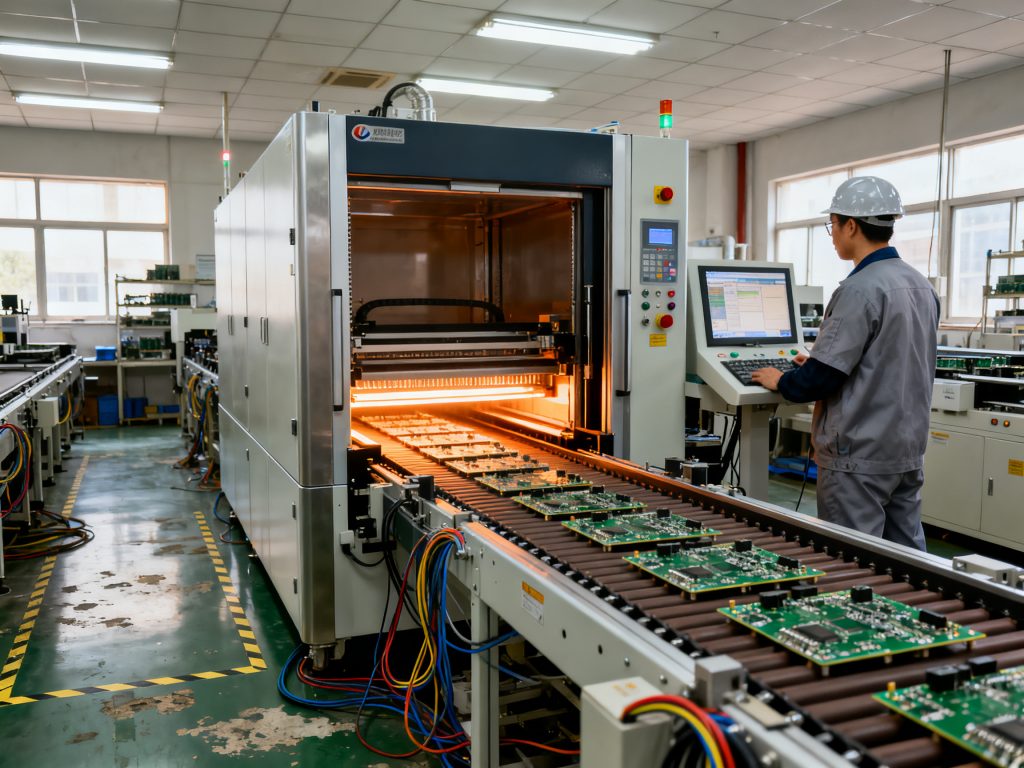
Lead-free wave soldering isn’t optional anymore—it’s the baseline for RoHS compliance in consumer electronics, automotive, and aerospace manufacturing. Running hotter and with narrower process windows than tin-lead, lead-free exposes every weakness in your setup. This guide covers machine setup, flux selection, temperature profiles, and defect prevention so you can dial in a process that actually works.

Best Vertical Curing Ovens for SMT and Industrial Applications in 2026缩略图%
News

Best Vertical Curing Ovens for SMT and Industrial Applications in 2026

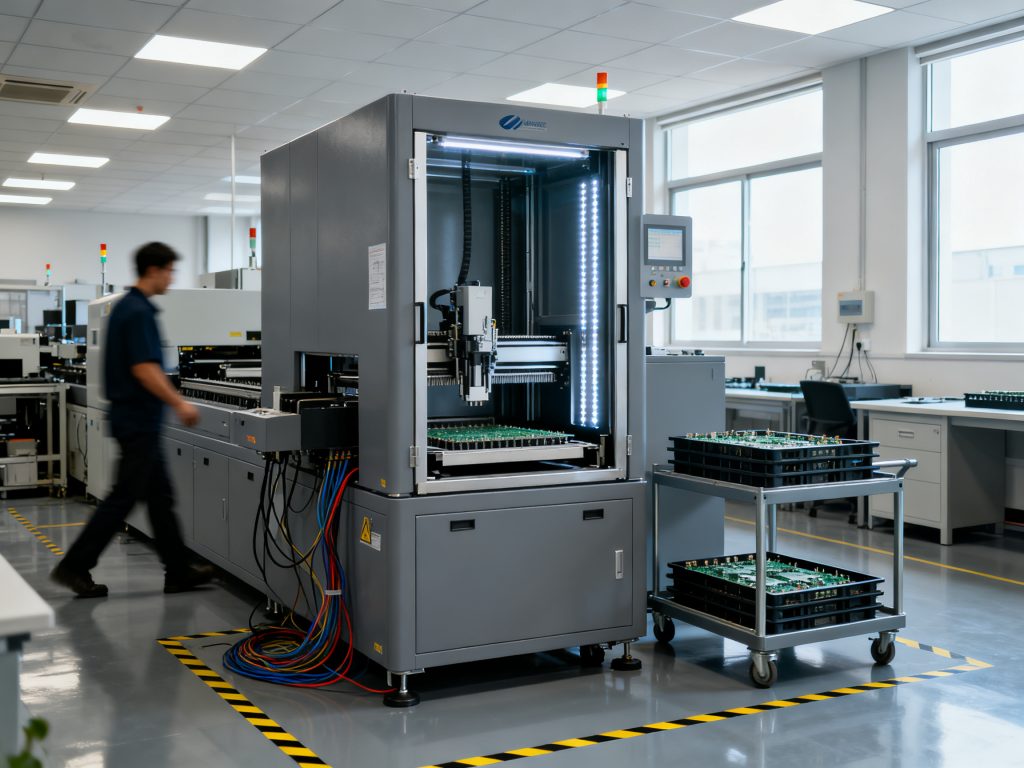
Let’s be real here — there’s no single ‘best vertical curing oven’ that works for everyone. This guide breaks down the top contenders across nine key use cases, from lead-free SMT production and high-volume inline systems to semiconductor-grade and automotive reliability applications. Whether you’re curing conformal coatings, running BGA components, or supporting advanced packaging, you’ll find practical specs, buying criteria, and validation checklists matched to your actual production needs.

What Is Nitrogen Reflow Soldering? Benefits, Process, and Advanced Trends缩略图%
News

What Is Nitrogen Reflow Soldering? Benefits, Process, and Advanced Trends

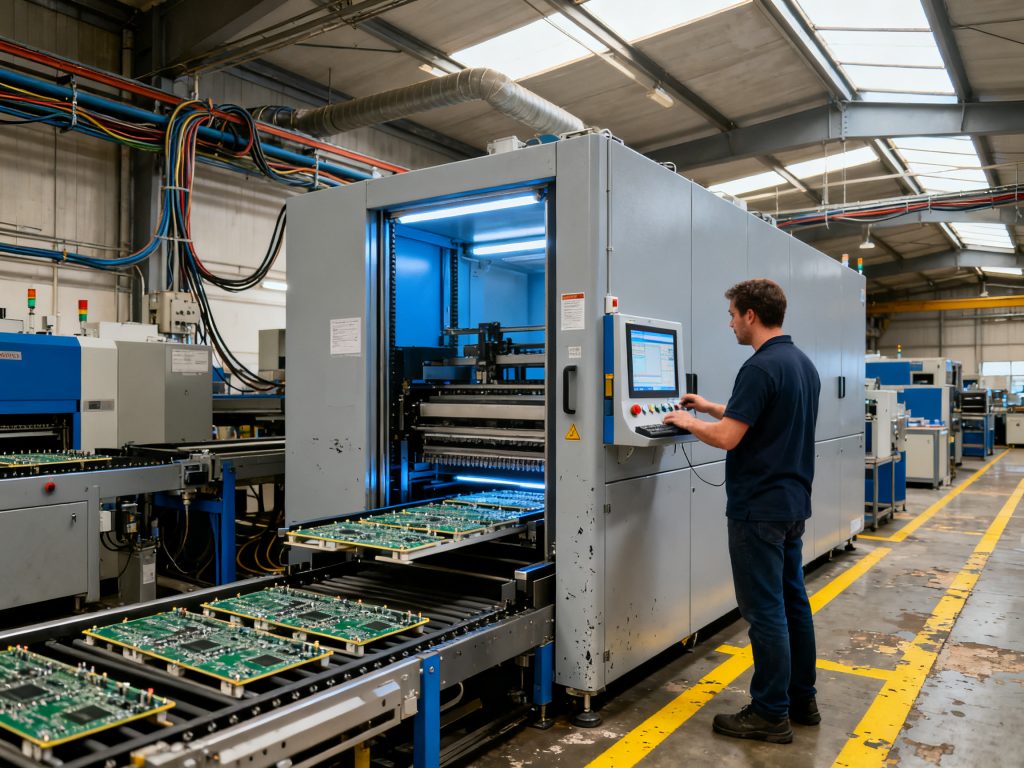
Nitrogen reflow soldering floods your reflow oven with inert gas, reducing oxygen to under 1,000 parts per million for cleaner joints, better wetting, and fewer defects on BGA and QFN packages. But the tradeoff is real: nitrogen costs money and isn’t always necessary. The key for 2026? Use air by default, then switch to nitrogen only when you have fine-pitch components, lead-free alloys, or measurable quality problems that justify the investment.

How a Vertical Curing Oven Is Made: Components, Heater Options, Controls, and Custom Configurations缩略图%
News

How a Vertical Curing Oven Is Made: Components, Heater Options, Controls, and Custom Configurations

The curing step is where a lot goes wrong in electronics assembly, and the difference between a reliable oven and one that creates scrap often comes down to hidden design choices. This technical guide breaks down everything that goes into a vertical curing oven build—heater technologies, airflow systems, process controls, and the custom configurations needed for SMT, semiconductor, automotive, and aerospace production.

Top 10 SMT Pick and Place Machine Manufacturers in 2026: How to Compare Suppliers缩略图%
News

Top 10 SMT Pick and Place Machine Manufacturers in 2026: How to Compare Suppliers

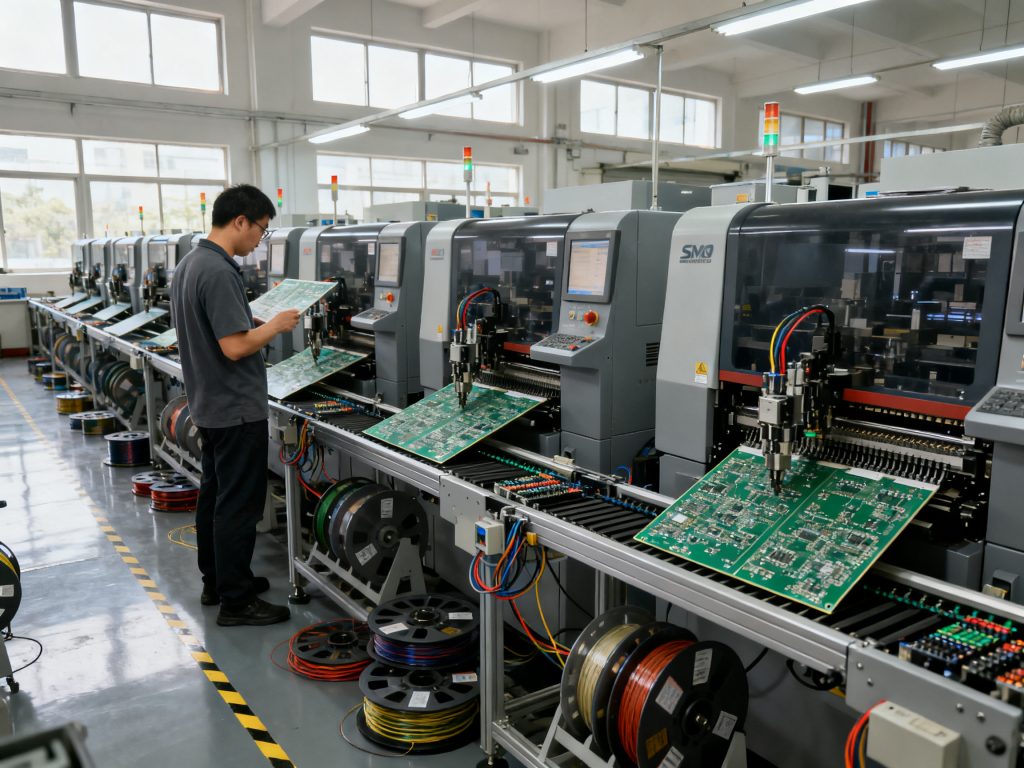
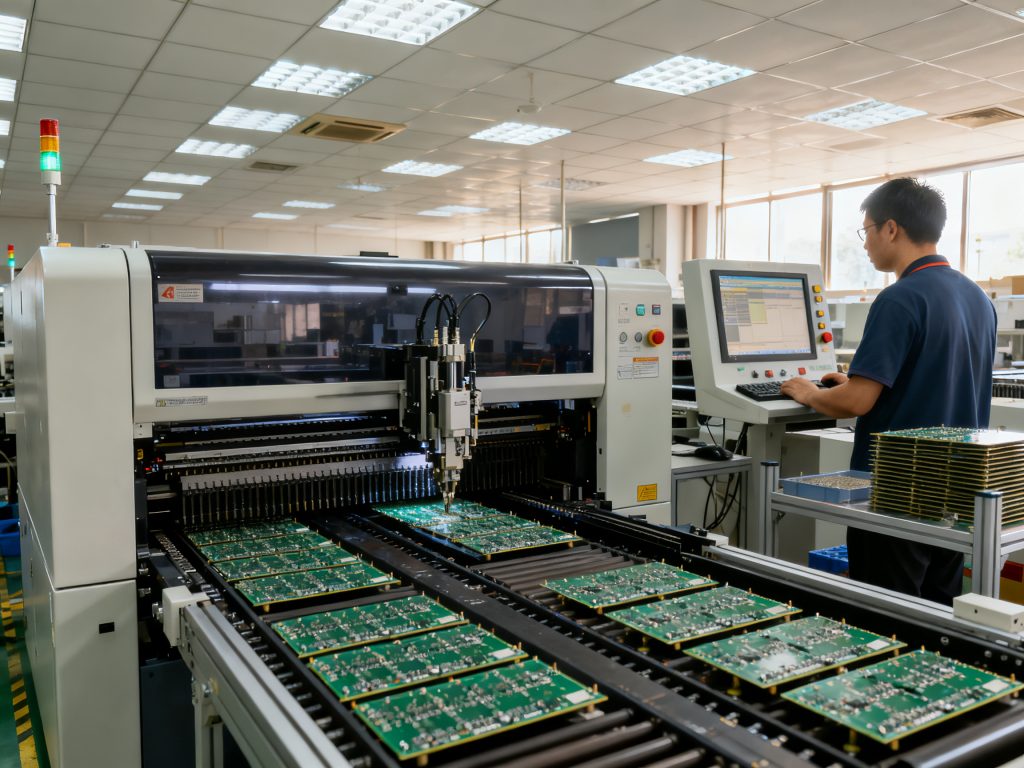
The global SMT equipment market hit USD 1.56 billion in 2026, and picking the right manufacturer can make or break your production line. This guide breaks down the top 10 SMT pick and place machine manufacturers—from premium ASM and Fuji to emerging Chinese players—with real factory-floor testing data on speed, accuracy, and total cost of ownership. Whether you’re running automotive ECUs or aerospace assemblies, the comparison framework you need starts here.

Vertical Curing Oven: How It Works, Temperature Ranges, Applications, and Space-Saving Benefits缩略图%
News

Vertical Curing Oven: How It Works, Temperature Ranges, Applications, and Space-Saving Benefits

If you run an SMT line, you already know floor space costs money. Vertical curing ovens solve that by stacking heating zones upward instead of stretching them horizontally—delivering the same consistent cure quality while fitting into spaces that would laugh at a traditional tunnel oven. They’re built for conformal coating curing, underfill processes, and PCB encapsulation where temperature uniformity keeps quality engineers sleeping at night. Before signing anything, thermal profile the oven under your actual production loads. The specs look great on paper. Your boards, your loading patterns, and your line speed tell the real story.

The Complete Guide to Roller Conveyor Systems: Applications, PCB Handling, and Innovations in 2026缩略图%
News

The Complete Guide to Roller Conveyor Systems: Applications, PCB Handling, and Innovations in 2026

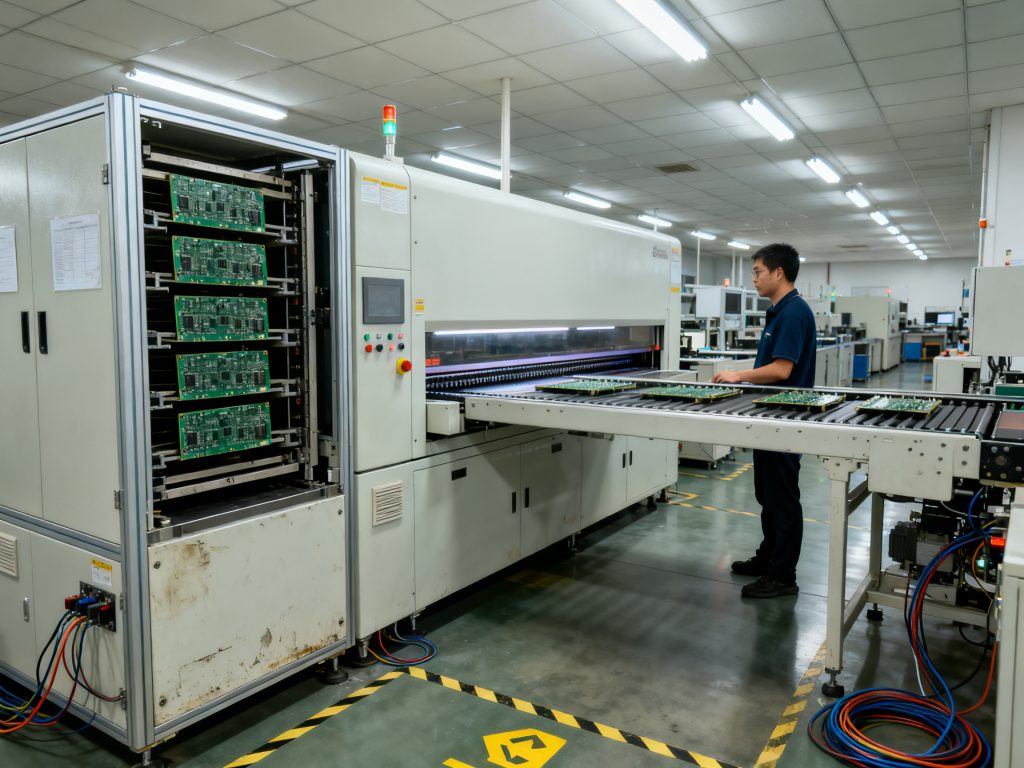
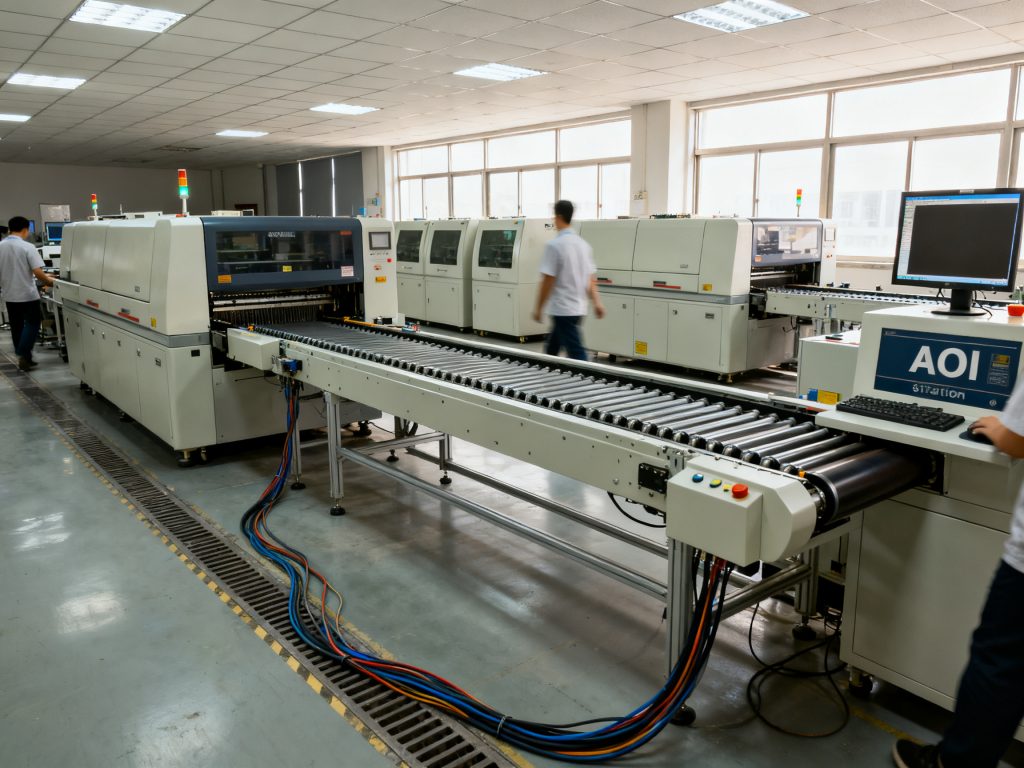
If you run an SMT line, your conveyor system matters more than you think. Roller conveyors let you buffer PCBs between machines, accumulate boards without stopping production, and swap individual components without taking down the whole line. This guide breaks down gravity versus powered systems, ESD requirements, and how to spec the right conveyor for high-reliability assembly in 2026.

SMT Pick and Place Machine Price Guide 2026: Desktop, Automatic, New & Used Cost Comparison缩略图%
News

SMT Pick and Place Machine Price Guide 2026: Desktop, Automatic, New & Used Cost Comparison

In 2026, pick and place machines range from $4,500 to $850,000+, but the sticker price rarely tells the whole story. This guide breaks down the actual cost drivers, from feeder packages and accuracy specs to service coverage and line integration, that can add 40-60% above the quoted price. Whether you’re comparing desktop prototypes, entry-level automatics, or high-speed modular systems, understanding what you’re really paying for separates a smart buy from an expensive mistake.

滚动至顶部