



Objavljeno: 10 May 2026
Vrijeme čitanja: 10 minutes
Reviewer: Jace Liu
Selective Solder Machines: Your Complete Guide to Technology, Process, and Best Practices
Have you ever wondered how complex electronics are made with such precision? Getting things like automotive electronics or military-grade components to perform consistently relies on some pretty advanced tools. One of the unsung heroes? Selective solder machines. These tools work behind the scenes to ensure circuit boards are soldered with pinpoint accuracy. But why does selective soldering matter so much, and how does it work? Well, let’s dive in.
Jace Liu is a seasoned engineer specializing in Surface Mount Technology (SMT) solutions and soldering processes. With over a decade of experience in SMT equipment development and precision soldering techniques, he has contributed to major advancements in lead-free and selective soldering technologies for high-density electronic assemblies. Jace is passionate about helping manufacturers optimize production efficiency while reducing defects.
Recommended Selective Solder Machines
When it comes to finding the right selective solder machine, knowing what features to focus on can make all the difference. These machines are packed with technology designed to meet specific production needs, but choosing one often boils down to performance, scalability, and compatibility.
Key Features to Look For
-
Precision Flux Application – A good selective solder machine should include programmable flux systems that ensure uniform application. This feature directly impacts solder reliability and helps prevent defects in high-density electronic assemblies.
-
Nozzle Configurations with Flexibility – Machines that offer multiple nozzle sizes and modular systems are better suited for handling a wide variety of PCB layouts, including those with challenging through-hole components.
-
Lead-Free Compatibility – With environmental regulations tightening year by year (especially in 2026), it’s essential to opt for machines compatible with lead-free soldering processes.
-
Automation Across SMT Lines – Advanced selective solder machines can integrate seamlessly into SMT production lines for improved workflow and reduced manual intervention. This is especially useful for mixed technology boards, where surface mount and through-hole components coexist.
Market-Leading Models
Some of the top selective solder machines that manufacturers lean toward today are highly adaptable and designed for complex scenarios. A few standout brands include:
- Kurtz Ersa Selective Soldering Systems: Known for their precision and automation, these systems excel in military and automotive electronics.

- Vitronics Soltec Selective Systems: Ideal for high-volume production environments needing defect-free soldering.
- Shenzhen Chuxin Electronic Equipment Co., Ltd.: Their machines provide cutting-edge solutions for lead-free and high-density solder applications while ensuring compliance with global standards.
Future-Proof Investments
Getting a machine that grows with your operations matters. Look for customizations like modular designs or software upgrades that keep up with advancements in SMT production tech. The goal is to make sure your machine isn’t just solving today’s problems but is ready for tomorrow’s challenges.
Expert Tip: Features like customizable nozzles, advanced fluxing systems, and automation integration can significantly reduce defects when soldering sensitive BGA and QFN components.
Whether you’re upgrading or stepping into selective soldering for the first time, take time to match features with your production goals. The right machine can transform your process (and probably save you a headache or two).
Making the Switch to Selective Soldering: Implementation Tips and Tricks
Getting started with selective soldering might feel a bit overwhelming at first, but the right approach can make it all manageable (and totally worth it). Whether you’re stepping into automated soldering or upgrading an existing SMT production line, there are some tried-and-true strategies to help you succeed.
Step-by-Step for Seamless Implementation
-
Evaluate Your Current Setup
Start by identifying your pain points. Are defects in BGA or QFN components a common issue? Could your line benefit from less operator intervention? Pinpointing these factors helps you plan for the right machine and workflow adjustments. -
Choose the Right Equipment
Not all selective solder machines are created equal. Look for features like modular nozzles, lead-free compatibility, and smart fluxing systems. Machines that allow for software updates or hardware expansions are great future-proof investments. -
Optimize Your Flux and Solder Usage
Flux chemistry and solder wire type are vital—especially when working with high-density or heat-sensitive PCBs. Always consult your machine’s manual or supplier to identify the best materials for your specific needs. -
Plan Your Integration
Efficiency is everything in SMT. Ensure your new machine fits seamlessly into existing workflows. Many modern machines operate in a plug-and-play style, letting you integrate quickly without needing extensive downtime. But it might still help to have staff training on the new system.
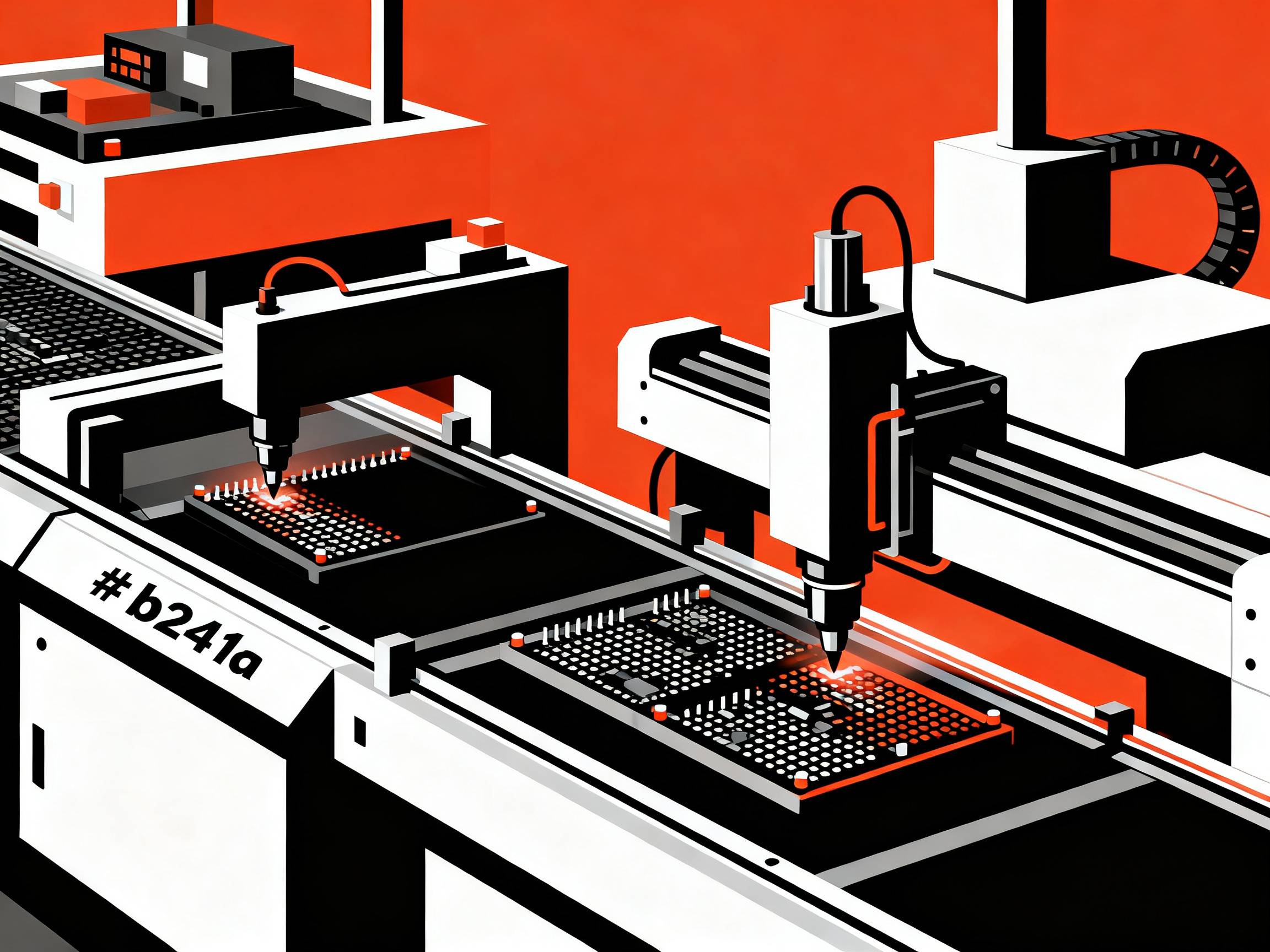
Pro Insight: Integrating selective soldering into existing SMT lines often delivers the fastest ROI when used on mixed-technology boards. To ensure the best performance, plan your machine placements not only for optimal workflow but also to minimize unnecessary movement of sensitive components.
Common Pitfalls to Avoid
- Skipping Training: Even advanced automation requires knowledgeable operators to avoid defects or inconsistent results.
- Neglecting Maintenance: Build a routine machine cleaning schedule to prolong the lifespan and maintain precision.
- Overlooking Flux Calibration: Improper flux application can lead to defects, rework, and higher material costs.
Long-Term Benefits of Selective Soldering
The payoff for selective soldering is more than just defect reduction. It also provides:
- Reduced Labor Costs: Automating through-hole soldering eliminates the need for excessive manual labor.
- Improved Speed and Accuracy: Precision features ensure quality results without sacrificing efficiency.
- Environmental Compliance: Modern machines are lead-free compatible, helping manufacturers meet environmental standards in 2026.
Putting selective soldering in place cost-effectively demands some upfront effort, but the results—higher yield, lower rework rates, and smooth SMT workflows—are worth it. With tools tailored to your production needs and attention to long-term maintenance, your process can stay future-ready and efficient.
Making a Smart Investment: What’s Next?
At the end of the day, purchasing a selective solder machine isn’t just a technical decision—it’s a strategic one. By focusing on precision, flexibility, and scalability, you can invest in tools that keep pace with modern SMT demands. And remember, this is about much more than technology. It’s about optimizing processes so your entire production line runs smarter and stronger.
Expert Tip: When shopping for machines, prioritize brands that have a reputation for durability and support. Features like detailed customer training and availability of replacement parts can save you headaches down the road.
If you’re operating in industries like automotive or military electronics, where product reliability is non-negotiable, selective soldering isn’t just a helpful addition; it’s a fundamental need. Evaluate your requirements carefully, consult industry experts, and don’t hesitate to test machines before buying.
And if you’re ever in doubt? Partner with a trusted provider. Companies like S&M Co. Ltd. (Shenzhen Chuxin Electronic Equipment Co., Ltd.) specialize in tailored solutions for high-density electronic assemblies. With their cutting-edge tools and dedicated support, they’re an ideal partner for scaling your SMT operations while staying precise and compliant.