
November 17, 2026

Solder Voiding in PCB Assemblies: Root Causes, Inspection Methods, and Vacuum vs. Conventional Reflow缩略图%
News

Solder Voiding in PCB Assemblies: Root Causes, Inspection Methods, and Vacuum vs. Conventional Reflow

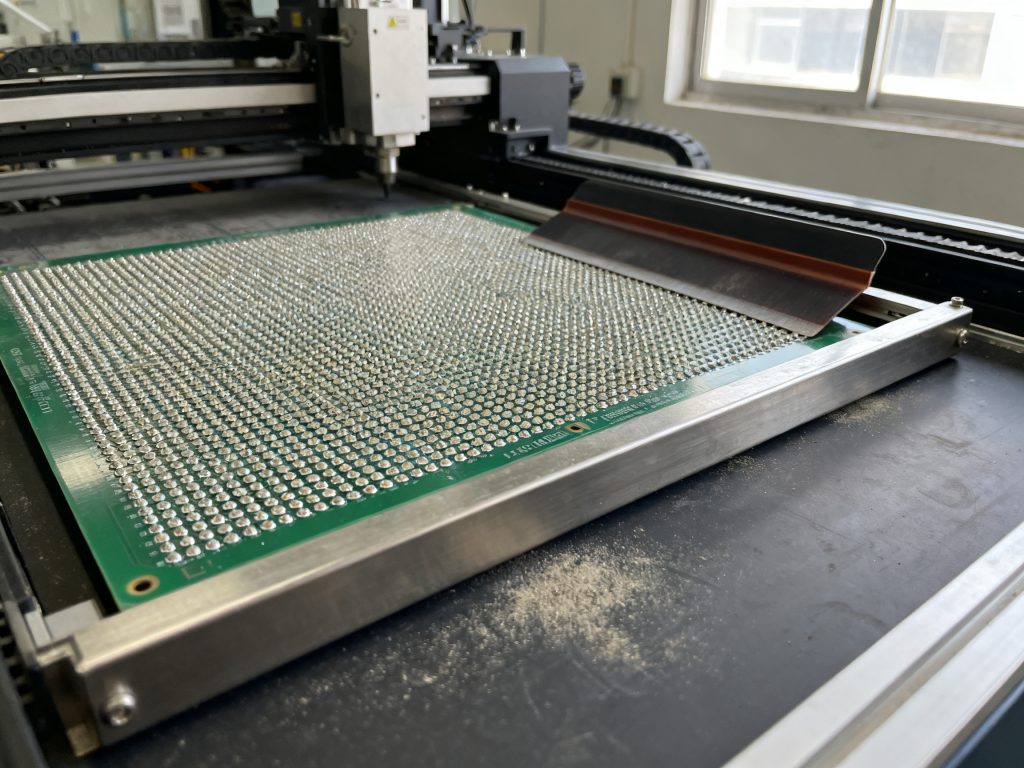
A void inside a BGA ball or under a QFN thermal pad passes AOI, SPI, and final test, then fails months later in the field — which is why it reaches the customer as a rejected shipment and stop-ship. This guide traces voiding back to its real cause (gas generated, gas with nowhere to escape), maps symptoms to root causes, shows what X-ray, cross-section, and AOI can and cannot see, and explains when vacuum reflow genuinely earns its cost. It also includes the acceptance-criteria wording that survives a customer audit and a 90-day roadmap that puts process first, material second, and capital last.
Reflow Oven Temperature Profiles to Minimize PCB Warpage: Process Zones, Ramp Rates, and Validation缩略图%
News

Reflow Oven Temperature Profiles to Minimize PCB Warpage: Process Zones, Ramp Rates, and Validation

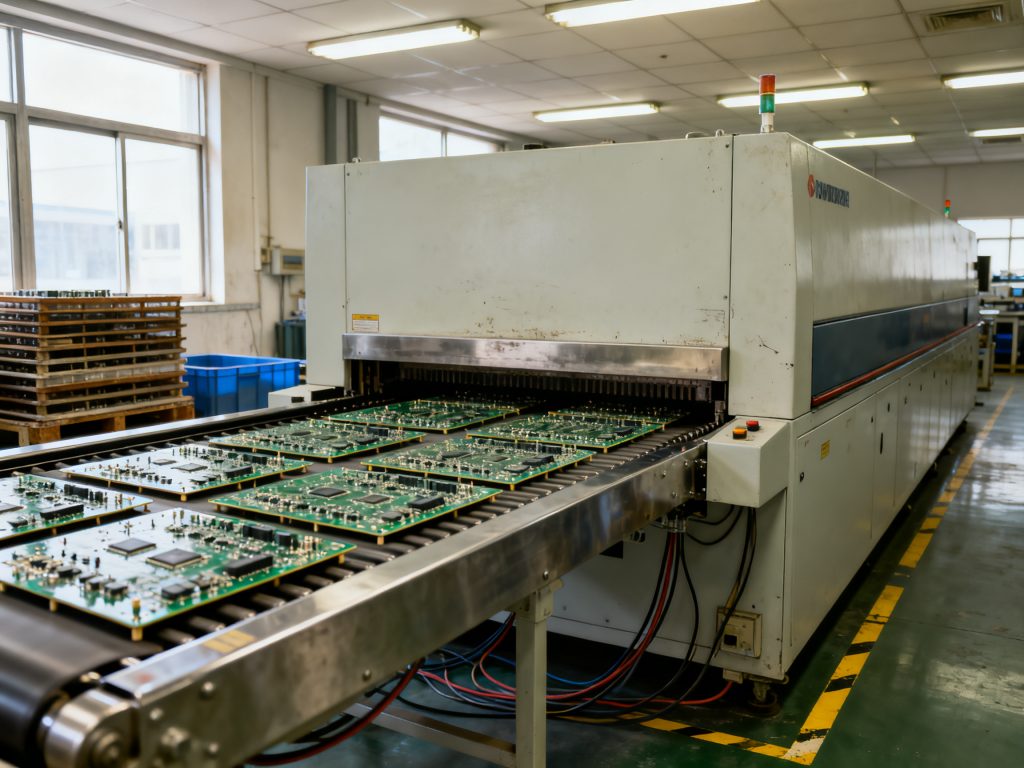
Warpage isn’t a material or component defect — it’s a thermal history defect, and the reflow profile decides it. This guide breaks down the four oven zones, ramp rate control, conveyor and zone setup, thermocouple placement, reference windows for SAC305, Sn63Pb37 and high-temperature lead-free alloys, and a defect-to-profile diagnostic table. Packed with shop-floor case studies, it shows how to build, measure and lock in a profile that holds boards flat at line speed.

Scroll to Top