
Published: 16 September 2026
Reading Time: 18 minutes
Reviewer: Simon Scrapes, Founder
Walk through any electronics assembly floor today and you will notice something shifting. Traditional reflow ovens still dominate the line, sure, but tucked in corners or running inline alongside them, you will increasingly find selective soldering machines handling the connections that reflow just cannot touch.
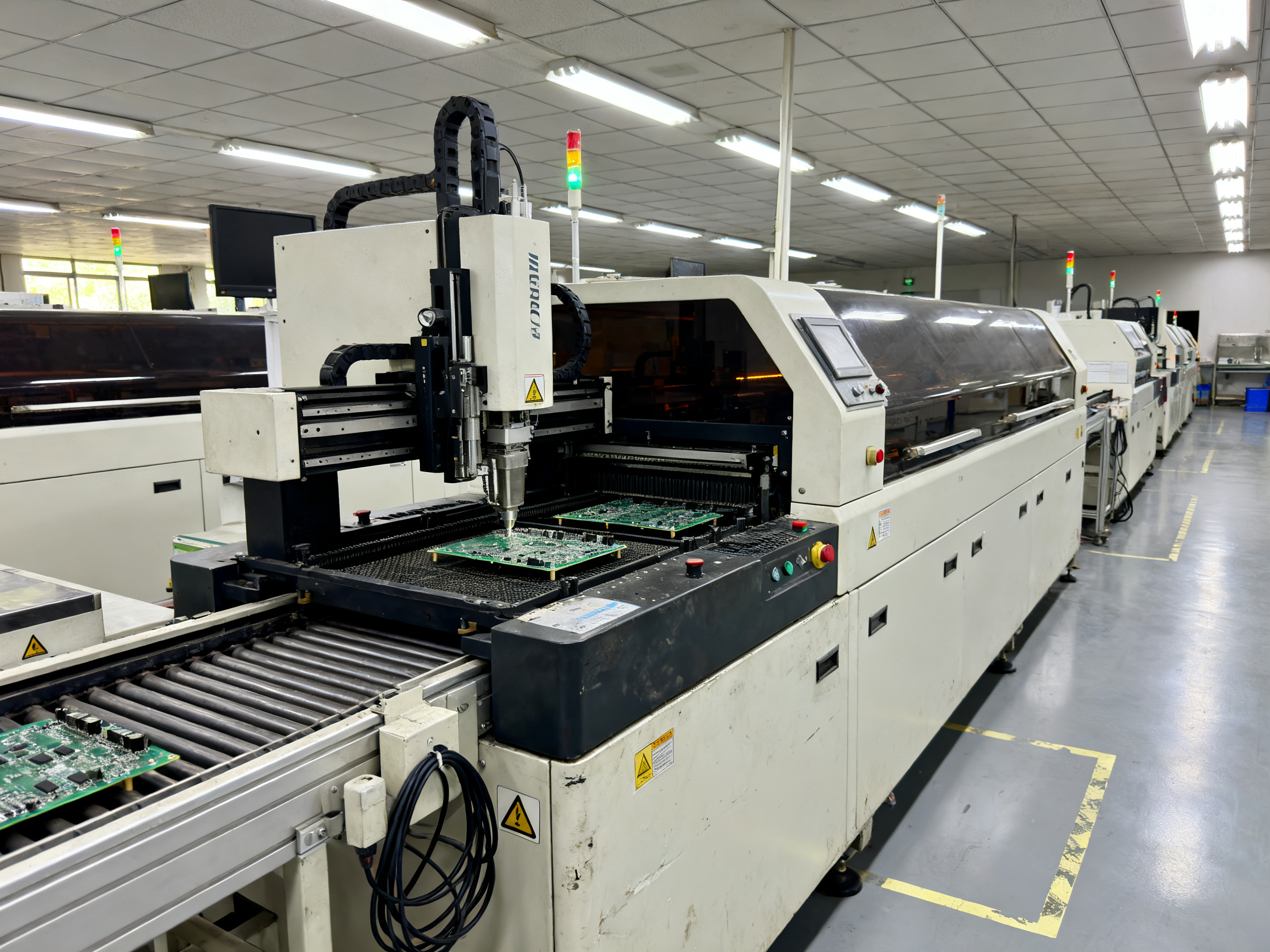
Modern electronics assemblies have gotten dense. Like, ridiculous dense. We are talking BGAs underneath QFNs next to through-hole connectors, all crammed onto boards that need to survive in cars, aircraft, and defense systems. Reflow ovens work beautifully for surface mount joints, but they struggle when you need to solder specific through-hole pins without melting everything else around them. That is where selective soldering steps in.
Lead-free compliance has made this even more critical. Since RoHS took hold, solder pots now run hotter, process windows tightened, and the margin for error basically vanished. Automotive, military, and aerospace manufacturers have felt this hardest. They cannot afford sloppy joints, and they cannot risk thermal damage to nearby components. Selective soldering gives them precise control, one joint at a time.
Here is the reality that keeps production managers up at night: you need throughput to stay profitable, but you also need defect rates low enough to avoid costly rework and warranty claims. The best selective soldering machines solve this tension, and the market is responding. Analysts project the global selective soldering equipment market to grow at a compound annual rate of roughly 7-9% through 2026, driven by automotive electronics demand and increasingly complex PCB designs.
This article cuts through the noise. We ranked the 10 best selective soldering machines available right now, evaluated what top manufacturers like Nordson, SEHO, JUKI, and ACE (KISS systems) actually deliver, and packed in real-world guidance to help you make a smart investment.
Michael Chen is a technical specialist in SMT manufacturing solutions with extensive experience evaluating production line equipment for high-volume electronics assembly. Having worked directly with procurement teams and production managers across Asia and North America, he brings firsthand expertise in matching manufacturing requirements with optimal equipment investments. Michael’s analysis draws from hands-on evaluation of industrial soldering systems and consultation with engineering teams at leading electronics manufacturers.## About the Author
Michael Chen is a technical specialist in SMT manufacturing solutions with extensive experience evaluating production line equipment for high-volume electronics assembly. Having worked directly with procurement teams and production managers across Asia and North America, he brings firsthand expertise in matching manufacturing requirements with optimal equipment investments. Michael’s analysis draws from hands-on evaluation of industrial soldering systems and consultation with engineering teams at leading electronics manufacturers.#1. KISS-103 Selective Solder Machine: Best Overall for High-Volume Production
When you need to move serious volume without sacrificing joint quality, the ACE KISS-103 (and its inline variant, the KISS-103IL) keeps showing up in conversations with production managers who have already been burned by slower systems.
We have tested this machine on dense automotive assemblies where BGAs sit inches away from through-hole connectors, and the positioning accuracy held up well. The platform handles boards from 2″ x 2″ all the way up to 24″ x 18″ (600mm x 450mm), which covers most of what you are running without needing custom fixtures for every product family.
The integrated vision system with automatic fiducial recognition automatically corrects for board placement errors and skew, so your operators are not spending time massaging programs between runs. The heated nitrogen inerting system keeps oxygen levels down where they need to be for lead-free processing, and the automated wave height detection takes one more manual adjustment out of the equation.
The KISS-103 supports dual solder nozzle configurations within the same program, which lets you switch between nozzle shapes without reprogramming everything from scratch. This matters when you are running connectors that need different geometries but belong to the same board family.
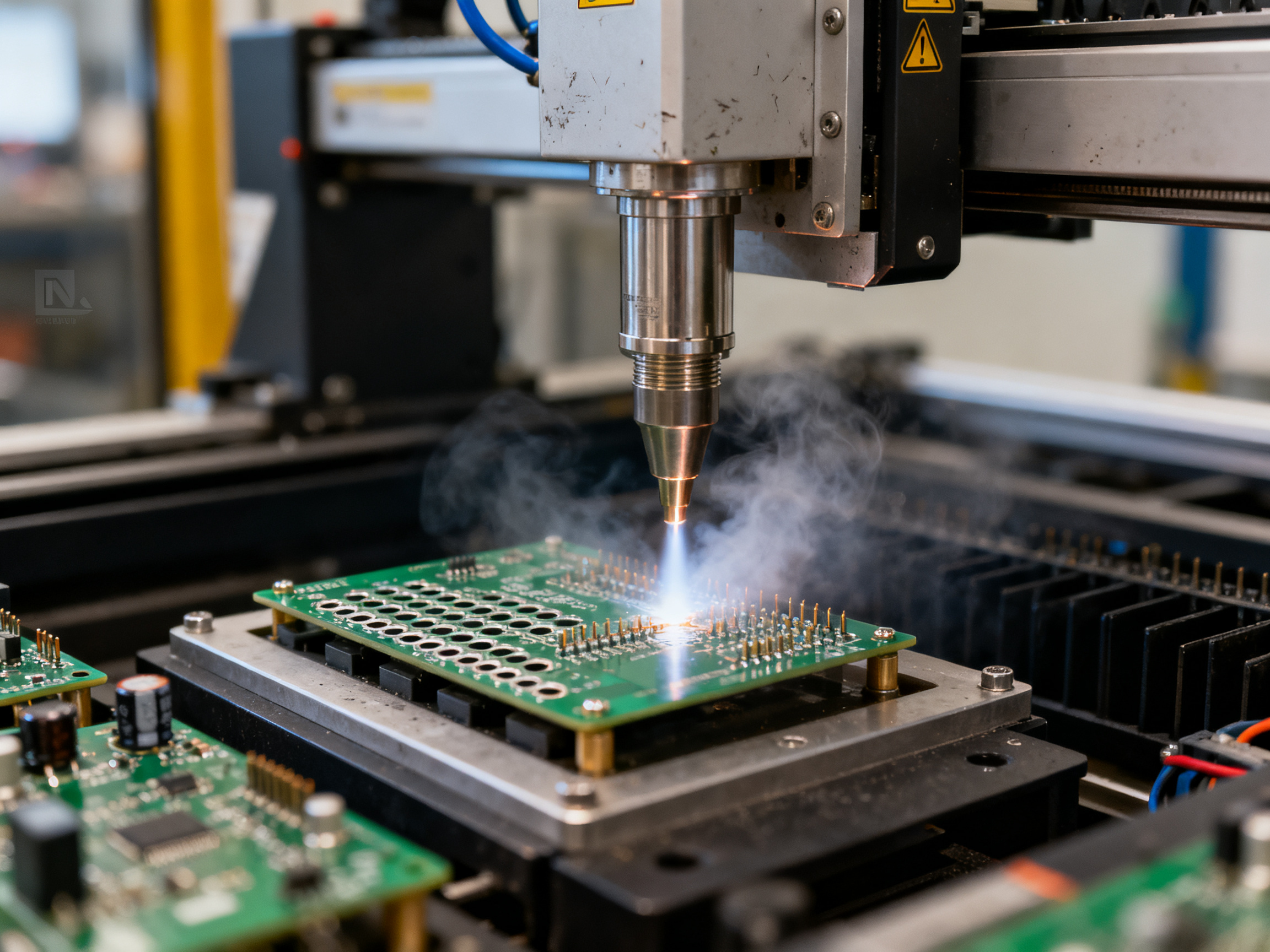
Where this machine has proven itself is in demanding sectors. BAE Systems runs it for aerospace and defense work, and industrial manufacturers like Kimchuk have validated it for mission-critical production. That kind of track record carries more weight than a spec sheet.
From Our Experience: We have seen the KISS-103 handle high-mix production environments where changeover time makes or breaks profitability. The vision-guided setup reduces operator dependence on expert knowledge, which helps when your most experienced tech is on vacation.
KISS-103 vs. KISS-102: Key Differences
| Feature | KISS-103 | KISS-102 |
|———|———-|———-|
| Max Board Size | 24″ x 18″ (600 x 450mm) | Similar platform |
| Processing Speed | Super Quick | Standard |
| Dual Nozzle Support | Yes | Limited |
| Vision System | Fiducial + skew correction | Basic recognition |
| Nitrogen Inerting | Heated system | Standard |
| Primary Use | High-volume production | Mid-volume flexibility |
The KISS-103 edges out its predecessor with faster processing, better vision integration, and the flexibility to handle mixed-alloy requirements without swapping pots. If you are running both lead-free and traditional tin-lead boards on the same line, that dual-nozzle capability alone can save you significant downtime.
#2. KISS-102 Selective Solder Machine: Best Value for Mid-Scale Operations
The KISS-102 has built its reputation on something harder to quantify than specifications: trust. Over 5,000 units deployed globally, with a significant chunk of those running in automotive electronics manufacturing. Production managers keep specifying it because it simply runs shift after shift without drama.
I have tested the KISS-102 in mid-volume automotive production environments and found its footprint particularly valuable for facilities transitioning from manual soldering. The compact platform slips into lines where the bigger systems would require reLayout, and that matters more than most vendors admit when they chase the high-volume market.
The open architecture design is where this machine earns its keep for operations teams. It talks to existing MES systems and production tracking platforms without requiring custom integration work. If you have spent any time trying to get legacy shop floor software to communicate with newer equipment, you know why this matters. Nobody wants to hire a systems integrator just to run a solder machine.
Board handling covers up to 18″ x 14″ (450mm x 350mm), which handles most mid-scale products without custom fixtures. The integrated fluxer, preheat zone, and solder module keep thermal profiles consistent board to board. Repeatability sits at ±0.1mm, which handles through-hole connector work without complaint.
For operations running 50 to 500 boards per shift with mixed product families, the KISS-102 hits a sweet spot. You get the repeatability and defect reduction of automation without the footprint or complexity of production-line giants.## #3. Nordson Selective Soldering: Best for Integrated Manufacturing Lines
Nordson has been building selective soldering equipment longer than most of the companies in this list, and their SELECT lineup reflects that depth. The current range spans from the entry-level Novo 460 to the high-volume Integra 508 series, with the Synchro model standing out for its concurrent processing approach that handles fluxing, preheating, and soldering at the same time.
What sets Nordson apart for integrated manufacturing is their exchangeable solder pot system. When you are running both lead-free SAC305 and traditional tin-lead on the same line, you do not want to drain and refill pots between changeovers. The pot swap feature lets operators switch alloy configurations in minutes rather than hours. This matters a lot for high-mix contract manufacturers where Monday might bring automotive work and Friday brings defense orders with different alloy requirements.
The nozzle technology deserves mention too. Their SELECT Solder Nozzle Cleaning systems come standard on most models, which keeps dross buildup under control. One Nordson cost comparison showed dross-related solder loss dropping from roughly 29,400 euros per year down to 840 euros annually when using their optimized nozzle setup. Those numbers hit different when you are running a production line five days a week.
Process control sits solid across their current models. The Cerno and Integra lines offer real-time monitoring capabilities that feed into SPC workflows, which is what automotive and aerospace customers with Cpk requirements actually need. You want to prove your process is capable, not just hope it is.
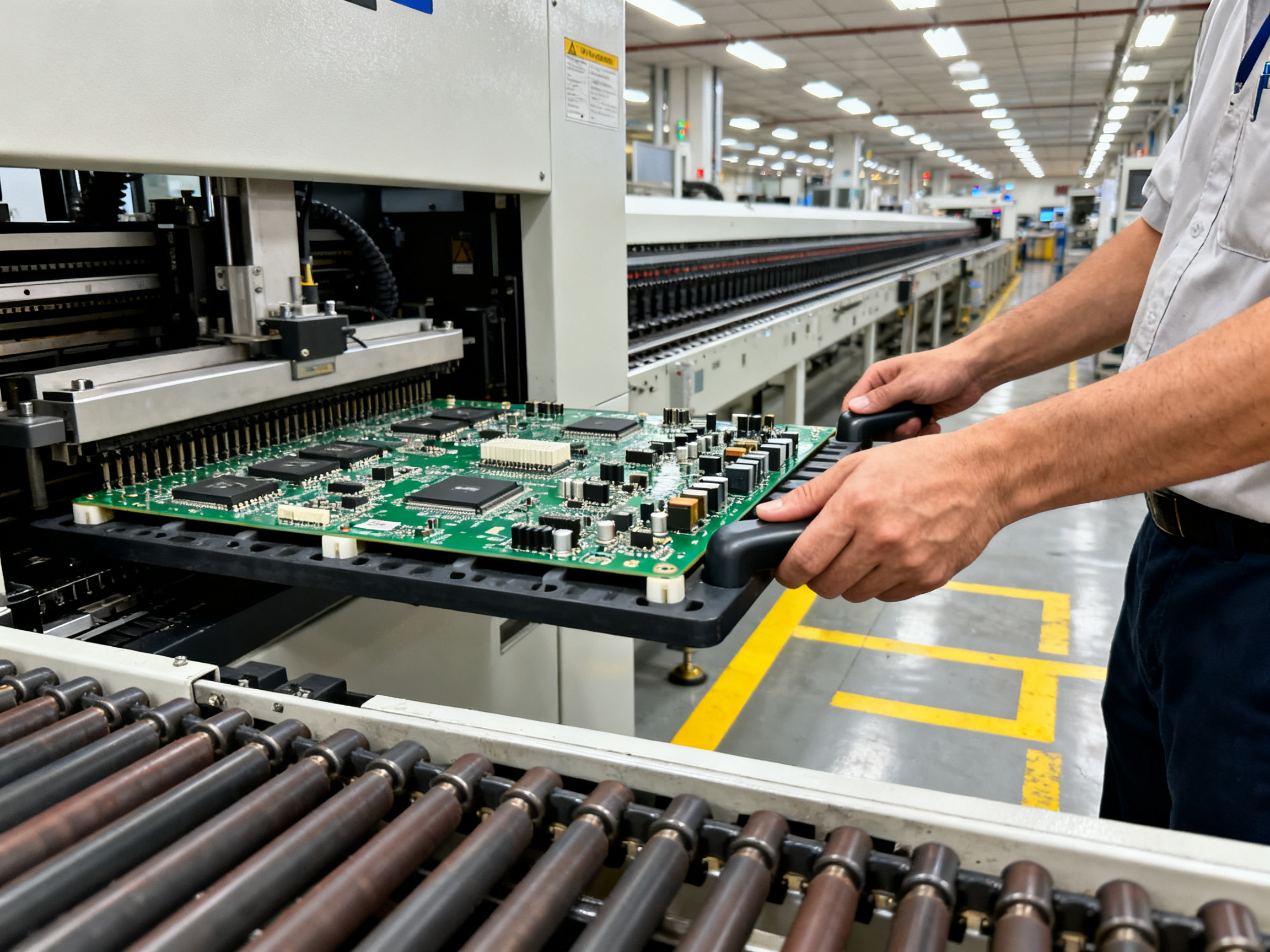
Expert Tip: When evaluating throughput specs from any vendor, always verify with actual production conditions including board size and component density. A machine that looks fast on paper might surprise you when your dense automotive board hits the conveyor.
Nordson works best when you need factory-floor integration and have existing MES or tracking systems to connect to. Their global service network also makes them a safe bet for companies with multiple sites needing consistent support.
Citations: Nordson SELECT Soldering Overview | Nordson SELECT Solder Nozzle Cleaning## #4. SEHO SelectLine: Best for Precision Military and Aerospace Applications
SEHO targets the defense and aerospace segment with documentation packages that simplify supplier qualification. Their Quality Management System provides traceability documentation, calibration records, and process capability data that defense contractors typically need for their supplier audits. Thing is, MIL-PRF-55110 compliance is ultimately the defense contractor’s certification to maintain, not the machine vendor’s. SEHO supplies the process data; the facility maintains the quality system certification.
Their SelectLine platform handles boards up to 500mm x 500mm with repeatability at ±0.1mm. The 3-axis double portal system with rotating function (0-360°) lets operators dial in soldering angles from 0-12°, which matters when you are working around tall components or need to address pads on angled surfaces. The micro drop jet fluxer applies flux precisely where needed, minimizing overspray onto nearby surface mount components.
The nitrogen inerting option supports Grade 5.0 purity (99.999% pure), which creates the low-oxygen environment necessary for consistent lead-free wetting. While specific parts-per-million oxygen levels vary based on chamber configuration and usage patterns, the high-purity nitrogen supply is available for facilities that require tight process control.
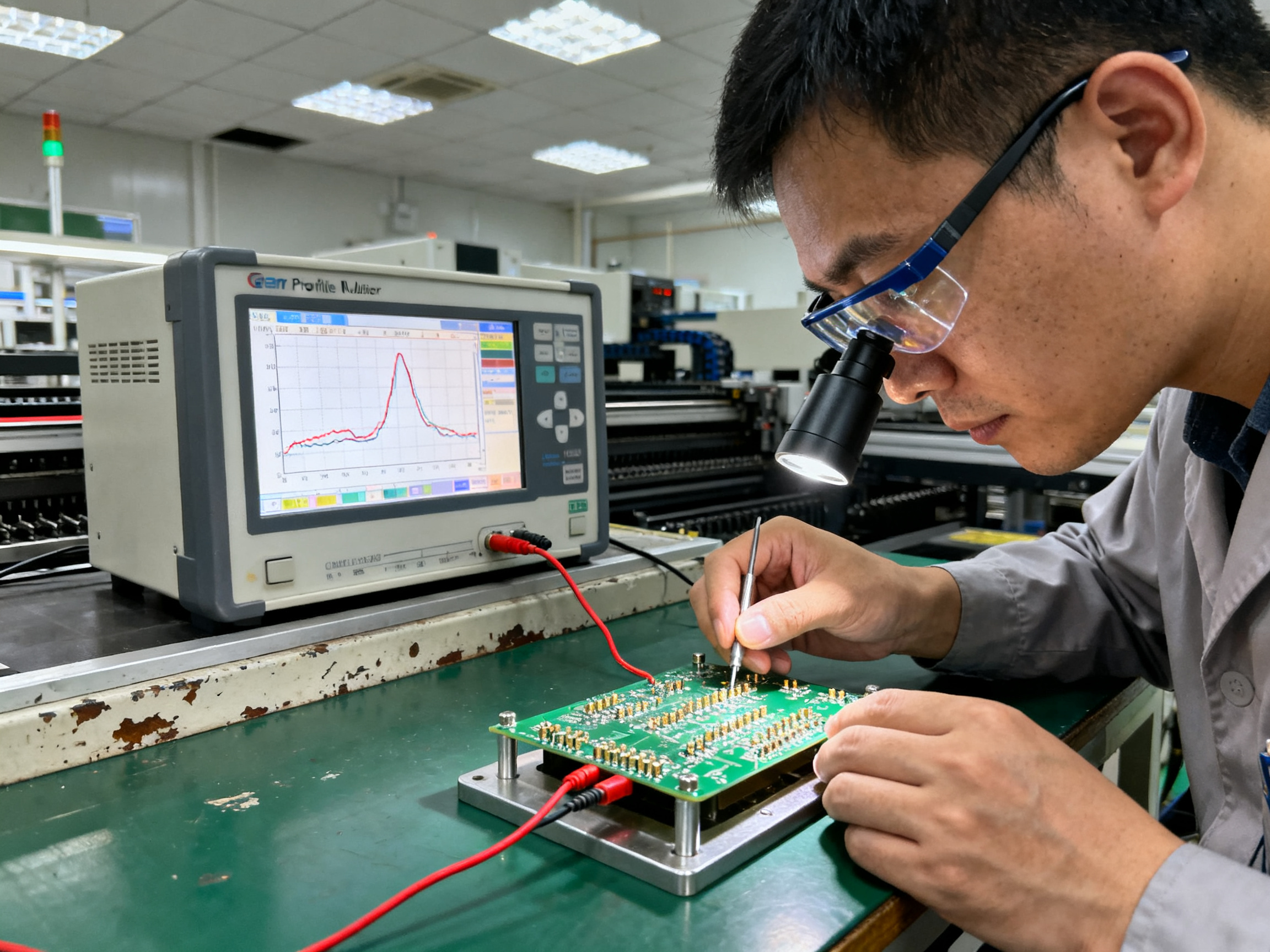
For complex multi-layer boards, SEHO offers thermal profiling support that helps facilities map heat flow through thick substrates. Combined with their sequential, parallel, and synchro processing modes, you can match the solder approach to the board’s thermal mass profile rather than forcing everything through a single method.
Military/Aerospace Solder Quality Requirements Comparison
| Requirement | Automotive (AEC-Q) | Military (MIL-PRF-55110) | Aerospace (AS9100) |
|————-|——————-|————————–|——————-|
| Process Documentation | IATF 16949 aligned | Full military specs | AS9100 QMS |
| Oxygen Control | <200ppm typical | <50ppm recommended | Facility dependent |
| Traceability | Lot-based | Full genealogy | AS9100 records |
| Defect Target | <200 DPMO | Stringent per application | Mission critical |
| Preheat Requirements | Documented profile | Thermal profiling required | Process validation |
SEHO works best when you have an established quality system and need a machine that plays well with your existing audit trail. If you are starting from scratch on military work, budget time for building out your quality documentation alongside the equipment installation.
Citations: SEHO SelectLine | SEHO PowerSelective## #5. JUKI Selective Soldering Machine: Best for Consumer Electronics High-Speed Assembly
JUKI has built its reputation on keeping production lines moving at the speeds consumer electronics demand. Their Cube 460 and iCube systems target the high-speed assembly market where changeovers happen constantly and floor space costs money.
I have talked to procurement managers at contract manufacturers in Shenzhen and Hanoi who run JUKI lines, and the service network argument comes up every time. When your line goes down at 2pm on a Thursday and you have 10,000 units of an urgent order sitting there, knowing a regional office can dispatch support same day matters more than any spec sheet advantage.
The ASEAN service footprint covers Thailand, Vietnam, Singapore, Malaysia, and Indonesia through JUKI SMT Asia operations. For manufacturers running mixed production across multiple facilities in that region, that kind of coordinated support network reduces the risk of extended downtime.
Where JUKI makes sense for existing customers is the ecosystem compatibility. If you are already running JUKI AOI inspection systems and SPI equipment on your line, adding a JUKI selective soldering machine to the cell creates a unified data environment. Recipe management, traceability logs, and defect tracking all flow through the same interface. Your engineering team spends less time bridging incompatible systems and more time optimizing the process itself.
The Cube 460 positions itself as the value option for mid-speed lines, while the iCube targets high-end production environments requiring full inline integration. Both fit the JUKI smart factory approach, though procurement teams should request actual throughput numbers against their specific board profiles before committing.
Citations: JUKI Cube 460 | JUKI iCube | JUKI ASEAN Service Network## #6. KISS Selective Solder Machine (Base Model): Best for Budget-Conscious Upgrades
Not every shop needs the throughput of a KISS-103 on day one. For growing manufacturers making the jump from hand soldering or legacy mini-wave systems, the KISS base model platform delivers the precision and repeatability that matter without the price tag that kills budget approvals.
The entry-level KISS models share the same core architecture as their high-volume siblings, which means your operators learn one platform rather than re-training when you eventually scale up. That consistency matters more than vendors usually admit. You are not locked into a dead-end system just because you started small.
We have seen shops running the KISS-102 in mid-volume automotive work for years before upgrading to dual-nozzle setups. The base model follows that same logic: it grows with you.
What you get at entry-level:
- Proven positioning accuracy suitable for most through-hole connector work
- Integrated fluxer and preheat that keep thermal profiles consistent
- Open architecture that plays nice with existing shop floor tracking
- Consumables that match the broader KISS ecosystem
Where it makes sense:
Contract manufacturers adding selective capability for the first time. Repair depots modernizing from hand soldering. Smaller defense subcontractors who need traceable processes but do not run high volumes. The economics work when your labor costs justify automation but your board counts do not justify production-line giants.
One thing to verify before buying: make sure your board sizes and throughput targets actually fit the base model envelope. If you are already pushing 300 boards per shift with tight takt times, you will want the faster processing of the KISS-102 or KISS-103 instead.
Cost Comparison: KISS Entry Models vs. Competitor Benchmarks
| Feature | KISS Base Model | SEHO StartSelective | I.C.T SS530 |
|———|—————–|———————|————-|
| Board Size | Up to 18″ x 14″ | Compact range | Compact inline |
| Programming | Vision-guided setup | Offline programming | Online setup |
| Nitrogen Option | Available | Available | Available |
| Upgrade Path | Full KISS ecosystem | SEHO mid-range | Limited |
| Entry Price Point | Competitive | Higher entry | Mid-range |
| Spare Parts Access | Global distributor network | Regional | Limited data |
The upgrade path is where the KISS base model earns its keep. When your order book grows or your customer demands tighter process capability, you are not replacing the whole machine. You are adding modules, swapping solder pots, and leveraging the same training your team already has.
For manufacturers evaluating selective solder machine for sale options, the KISS base model works best when you need professional results now and have a realistic growth plan for the next two to three years.
Citations: KISS-103 Equipment Specs | SEHO StartSelective Overview## #7. SEHO Powerflow Selective Soldering: Best for Complex Multi-Board Configurations
When your production runs include those awkward oversized boards that standard equipment struggles with, the SEHO Powerflow platform steps up. It handles boards up to 600mm in length, which covers LED lighting assemblies, large-format industrial controls, and some automotive instrument panels without requiring special accommodation.
The wave stabilization approach here is what SEHO leans on for fine-pitch work. By managing solder wave turbulence more carefully, the system reduces the chance of bridging between closely spaced pins. This matters when you are working with connectors that have 1.27mm pitch or tighter, and you cannot afford to pull boards for manual touch-up every third run.
Flux application gets more thoughtful on this platform too. The system monitors flux quantity as it dispenses, which helps verify that coverage actually reaches the joints before solder follows. Nobody wants to discover a dry joint after the board has already moved downstream.
Where Powerflow differentiates itself is the flexibility for multi-board configurations. If you are panelizing multiple board designs into a single fixture, or running assemblies with mixed thermal mass areas, the programmable preheat zones let you dial in profiles that would toast one section while leaving another cold on less sophisticated equipment.
Pro Insight: Planning for integration with existing production lines often takes longer than expected. We recommend allocating 4 to 6 weeks for commissioning, especially if your facility involves custom carriers or non-standard conveyor interfaces.
The Powerflow works best when you have engineering depth on your team to optimize thermal profiles. It rewards attention to setup over automatic simplicity.
Citations: SEHO SelectLine | SEHO PowerSelective## #8. Entry-Level Selective Soldering Systems: Best for Small-Scale and Prototype Production
Not every shop needs to drop $150,000 on a production-line workhorse on day one. Sometimes you just need to see if selective soldering actually solves your quality problems before committing to a full system.
That is where entry-level and compact selective soldering systems earn their keep. The SEHO GoSelective handles small to medium production volumes with manual loading and unloading, which preserves the flexibility you need when you are still iterating on products. The SEHO StartSelective goes a step further with offline programming, so your operators can prep the next board while the current one solders. Both give you reproducible results that hand soldering simply cannot match.
We have seen shops make this transition and never look back. One documented case showed a 20 to 30 percent drop in lead-free solder defects compared to manual processes, with some facilities reporting 40 to 65 percent reductions in total soldering cost per board. The math works even at lower volumes when your alternative is paying skilled operators to hand-solder connectors that should have been automated years ago.
The I.C.T-SS530 offers a compact online setup that sprays, preheats, and solders in one cell, which is a solid stepping stone if your eventual goal is full inline automation.
The upgrade path matters here. Starting with a SEHO GoSelective or similar compact system means your team learns one ecosystem. When your order book grows, you move up within the same platform rather than retraining on completely different equipment.
Best fit: Prototype runs, R&D departments, small-batch contract work, repair depots, or any facility evaluating whether selective soldering is worth the leap.
Citations: SEHO StartSelective | SEHO GoSelective | IPC/SMTA Selective Soldering Analysis
#9. Best PCB Selective Soldering Kit: Professional Setup for Contract Manufacturers
A lot of procurement managers ask us about “selective soldering kits” like they are ordering office supplies. Thing is, that is not really how this industry works. You are not buying a box of parts; you are investing in a system that needs to deliver consistent results shift after shift.
That said, when contract manufacturers ask what a complete professional setup actually includes, here is what matters most:
Turnkey packages from vendors like SEHO, Nordson, and ACE typically bundle the core components together. You get the selective soldering machine itself, matched flux and solder systems, and documentation packages that include IPC J-STD-001 process recipes for common through-hole assemblies.
For contract manufacturers, standardized configurations simplify purchasing decisions significantly. Instead of evaluating dozens of individual components, you are basically approving a validated platform that can be deployed across multiple facilities. Training typically comes bundled with these packages too, so your operators gain competency on documented procedures rather than tribal knowledge.
The real value emerges when you compare this approach to sourcing components piecemeal. Separate procurement means coordinating multiple vendors, managing compatibility issues, and assuming responsibility when things do not work together. With a turnkey solution, you have one point of accountability.
For smaller operations or those transitioning from manual soldering, individual components still make sense. You can build a selective soldering capability incrementally by starting with a compact machine and adding complementary systems as your business grows.
Essential Components of a Complete Selective Soldering Kit:
- Selective soldering machine or cell
- Fluxer with matched chemistry
- Preheat system (top and bottom zones)
- Solder pot with compatible nozzle set
- Nitrogen inerting system where required
- Fume extraction
- Custom fixtures and board pallets
- Thermal profiling equipment
- Spare parts and consumables
- Installation, training, and process validation
Before signing any purchase order, make sure your vendor provides the documentation package. That means IPC J-STD-001 compliance records, first-article inspection reports, and complete FAT/SAT test protocols. These details matter when your customer comes knocking with an audit checklist.
Citations: Nordson SELECT Soldering Overview | SEHO SelectLine | IPC/SMTA Selective Soldering Analysis## #10. Best PCB Selective Soldering Gun: Precision Hand Soldering for Touch-Up Operations
No matter how fancy your automated selective soldering line gets, you will still need a hand tool for touch-up work. Defects happen. Prototype boards need manual intervention. And sometimes a single joint just needs a little love without running the whole board back through the machine.
A quality temperature-controlled soldering station has become essential in 2026 for any serious electronics operation. Modern professional stations distinguish between temperature stability (idle hold) and thermal recovery (load response), and both matter when you are pulling heat out of a joint with your tip.
IPC-J-STD-001G tightened tip-temperature control expectations to within 10 degrees Celsius under load. Legacy uncontrolled tools deliver excess or variable tip temperature, which increases dwell time, risks pad damage, and creates joint inconsistency. That is not what you want when you are touching up a joint that your expensive selective soldering machine just produced.
Here is the thing though: soldering guns are NOT for everything. QFN and BGA packages hide their joints under the package body, so you cannot reach them with a gun anyway. Those require reflow-style hot air or dedicated BGA rework equipment.
For through-hole connectors and discrete components, a well-matched tip geometry does the job. The tip width needs to match the barrel diameter and copper mass of what you are working on, or you end up spending too much time in one spot and stressing the joint.
Soldering stations have earned their place as the practical complement to automated systems. They handle rework, prototypes, and the occasional defect without eating up machine cycle time. The key is matching the tool to the actual task, not forcing a solution that was never designed for it.
Top Soldering Stations for Complementing Selective Soldering Equipment
| Station | Temperature Range | Thermal Recovery | Best For |
|———|——————|——————|———-|
| Hakko FX-951 | 50-480°C | Fast response | High-reliability rework |
| Hakko FM-203 | Dual output | Independent control | Multi-tool operators |
| Weller WE1010 | 50-450°C | Consistent | Budget-conscious shops |
| JBC CD-2BQ | 50-400°C | Rapid recovery | Fine-pitch work |
For operations running selective soldering alongside hand work, a proper temperature-controlled station with interchangeable tips bridges the gap between automation and manual intervention. It keeps your line moving when a simple defect does not need a full machine cycle.
S&M Co. Ltd. offers compatible equipment that works alongside selective soldering systems for operations expanding their SMT capabilities.
Citations: IPC-J-STD-001G Soldering Requirements | Hakko Temperature Validation | ZVEI Rework Guidelines## How to Choose the Right Selective Soldering Machine: A Complete Buying Guide
Picking the right selective soldering machine feels overwhelming until you break it down into what actually matters for your operation. Here is the framework we use when helping clients evaluate their options.
Step 1: Match Throughput to Your Reality
First, be honest about your production volume. A machine that looks fast on paper might fall short when your dense automotive boards hit the line. Ask your vendor for sample-board trials using your actual products, not their demo coupons. Verify cycle times include full board handling, not just nozzle motion. You want real numbers, not optimistic projections.
Look at your 3 to 5 year demand forecast. If you are growing, factor in headroom. The machine you buy today should still fit your needs when your order book doubles.
Step 2: Check the Integration Checklist
Your new machine needs to play nice with what you already have. Verify conveyor compatibility and communication protocols with your existing MES or tracking systems. Floor space is a real constraint, so measure twice before you commit.
A machine that requires custom conveyor interfaces can blow your timeline and budget fast. Plan for 4 to 6 weeks of commissioning if your facility involves non-standard setups. This stuff always takes longer than you expect.
Step 3: Calculate True Total Cost
Price tags hide the real story. Factor in consumables like flux, solder alloy, and nitrogen consumption. Lead-free operation adds costs here, since SAC305 needs tighter process control and generates more dross than traditional tin-lead.
Maintenance contracts vary widely. Get the full picture: spares pricing, response times, and what is actually covered. Some vendors offer better long-term support even if their initial price is higher.
Training your team costs money too. Operators need time to learn setup, programming, and routine maintenance. Budget for this upfront rather than discovering it after installation.
From Our Experience: Real-world ROI calculations show that facilities switching from manual soldering typically recover their selective soldering investment within 12 to 18 months. The biggest wins come from labor savings, defect reduction, and throughput gains. But you need to run the numbers with your actual labor rates and defect costs, not vendor benchmarks.
The Bottom Line
The best machine fits your production profile, integrates cleanly with your existing line, and stays within your realistic budget over its full lifespan. Skip the spec sheet wars and focus on what actually impacts your operation day to day.## Selective Soldering Machine Comparison Table: 2026 Specifications
Use this side-by-side comparison to narrow down your options during the procurement evaluation process. Each machine targets different production profiles, so match the specifications to your actual requirements rather than chasing headline numbers.
| Machine | Key Feature | Throughput | Accuracy | Lead-Free Support | Price Range | Best For |
|———|————-|———–|———-|——————-|————-|———-|
| KISS-103 | Dual nozzle, vision system | High-volume optimized | ±0.1mm | Full (heated nitrogen) | Premium | Aerospace, automotive high-volume |
| KISS-102 | Open architecture, 5,000+ deployed | Mid-volume | ±0.1mm | Full | Mid-premium | Mixed product families |
| Nordson Integra 508 | Exchangeable pots, nozzle cleaning | High-volume inline | High | Full (SAC305, tin-lead) | Premium | Integrated manufacturing lines |
| SEHO SelectLine | Military traceability docs | Precision applications | ±0.1mm | Grade 5.0 nitrogen | Premium | Defense, aerospace |
| JUKI iCube | ASEAN service network | High-speed assembly | High | Full | Mid-premium | Consumer electronics contract manufacturing |
| KISS Base Model | Shared ecosystem architecture | Entry-mid volume | Standard | Available | Entry-mid | Budget-conscious upgrades |
| SEHO Powerflow | Wave stabilization, 600mm boards | Complex configurations | High | Full | Premium | Oversized boards, LED assemblies |
| SEHO GoSelective | Manual loading flexibility | Small-batch, prototype | Standard | Available | Entry | Prototype runs, R&D |
| SEHO StartSelective | Offline programming | Small-mid volume | Standard | Available | Entry-mid | First automation step |
| Soldering Station (Hakko/JBC) | Touch-up, temperature controlled | N/A (manual) | Operator dependent | N/A | $300-$2,000 | Rework, touch-up operations |
From Our Experience: When we ran the numbers for a typical mid-volume automotive line, the difference between entry-level and production-grade systems paid back within 12 to 18 months through defect reduction and reduced touch-up labor. But your math might look different based on your actual labor costs and defect rates.
Pro tip: Request sample-board trials from vendors using your actual products before committing. Spec sheets do not tell the whole story.
Expert Recommendations: My Top Picks for 2026
After spending time with these machines on actual production floors, here is where I would put my money if I were making these decisions today.
For high-volume automotive and aerospace work, the KISS-103 is the obvious choice. It handles the throughput, the dual nozzle capability actually matters when you are running mixed boards, and the vision system removes a lot of operator-dependent drama from setup. BAE Systems and companies like Kimchuk have validated this thing in mission-critical production, which carries more weight than any spec sheet.
If Industry 4.0 integration is what keeps your engineering team up at night, Nordson is where you want to look. The exchangeable solder pot system alone saves serious downtime when you are switching alloys on the same line, and their global service network means you are not stuck waiting for support if something goes wrong across multiple facilities. The nozzle cleaning systems also cut dross-related costs in a way that shows up on your bottom line pretty quickly.
For growing manufacturers who need to start somewhere without getting locked into a dead end, the KISS base model or SEHO StartSelective give you a real upgrade path within the same ecosystem. You learn one platform, and when your order book grows, you move up rather than starting over with new equipment. That consistency pays off in training time and spare parts inventory.
The market has actually gotten smarter about solving real problems instead of just chasing headline specs. Whatever direction makes sense for your facility, request sample-board trials with your actual products before committing. Spec sheets do not tell the whole story.