
Published: 19 October 2026
Last updated: 19 October 2026
Reading Time: 17 minutes## Introduction: Match the Oven to the Assembly, Not Just the Output Target
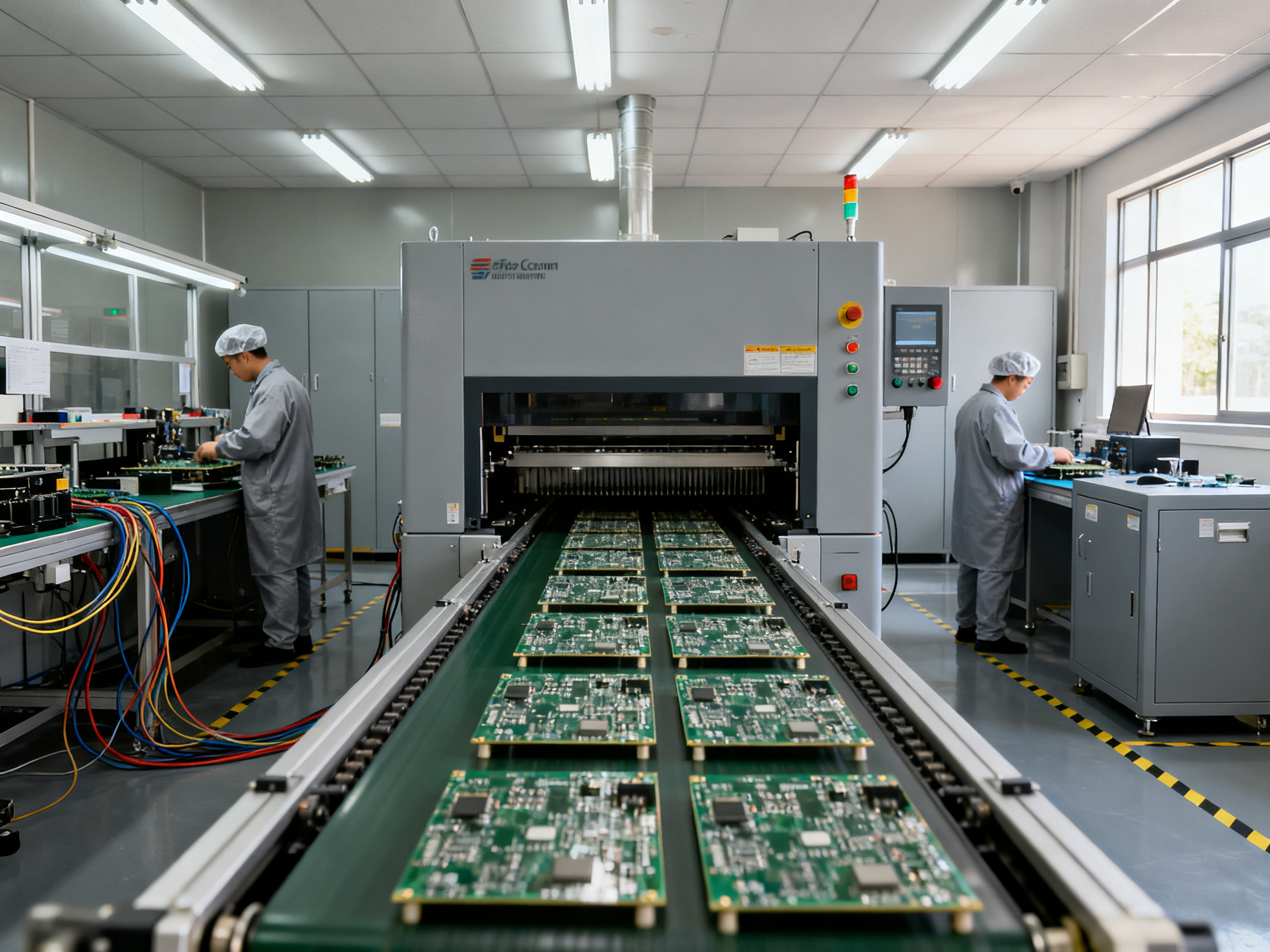
An SMT reflow oven is the workhorse at the center of every surface-mount production line. It takes boards with freshly printed solder paste and components already placed, then runs them through a precisely controlled thermal cycle that melts the paste into reliable, strong joints. That thermal profile is make-or-break territory for the entire assembly.
Get it right and you get clean wetting, solid fillets, and joints that hold up under thermal cycling. Get it wrong and you are dealing with tombstoning, bridges, voids, or head-in-pillow defects that can escape inspection and show up in the field. And field returns? Industry estimates suggest they run roughly $50 to $200 each when you factor in logistics, labor, and liability exposure, compared to $0.50 to $2 per board during assembly.
So here is what buyers are actually wrestling with in 2026. They need throughput that keeps pace with takt time. They need BGA and QFN quality that passes X-ray without drama. They need lead-free process windows that comply with environmental standards. They need line compatibility with SMEMA or Hermes protocols. They need operating costs that do not blow the budget at scale. And they need traceability records that satisfy automotive, aerospace, or medical customers.
The process itself follows a straightforward sequence: solder paste printing → component placement → reflow soldering → post-reflow inspection. Each step feeds the next, but the reflow oven is where the thermal science either delivers or disappoints.
This guide walks through reflow oven purpose, how the thermal cycle works, profiling best practices, equipment comparisons, selection criteria, and acceptance testing. By the end, you will have what you need to match the oven to the assembly rather than just chasing an output target.
Simon Scrapes is a process engineering consultant with over 14 years of hands-on experience in SMT manufacturing, reflow soldering optimization, and electronics production for high-reliability applications. He has specified and qualified reflow ovens for automotive ECU production, developed thermal profiling processes for lead-free SAC305 assemblies, and reduced defect-related scrap by 23% at a mid-size EMS facility through systematic profile optimization and SMT line balancing. Simon has worked directly with equipment manufacturers on custom oven configurations, authored internal process specifications aligned to IPC-7530 and J-STD-001, and regularly advises procurement teams on sizing calculations, FAT protocols, and vendor evaluation criteria.## About the Author
Simon Scrapes is a process engineering consultant with over 14 years of hands-on experience in SMT manufacturing, reflow soldering optimization, and electronics production for high-reliability applications. He has specified and qualified reflow ovens for automotive ECU production, developed thermal profiling processes for lead-free SAC305 assemblies, and reduced defect-related scrap by 23% at a mid-size EMS facility through systematic profile optimization and SMT line balancing. Simon has worked directly with equipment manufacturers on custom oven configurations, authored internal process specifications aligned to IPC-7530 and J-STD-001, and regularly advises procurement teams on sizing calculations, FAT protocols, and vendor evaluation criteria.## 1. What Is an SMT Reflow Oven, and What Is It Used For?
An SMT reflow oven is a specialized piece of production equipment that takes boards with freshly printed solder paste and components already placed, then runs them through a precisely controlled thermal cycle. The heat melts the paste so it wets the component leads and pads, and then controlled cooling solidifies those joints into reliable, strong connections.
That thermal profile is make-or-break territory for the entire assembly. Get it right and you get clean wetting, solid fillets, and joints that hold up under thermal cycling. Get it wrong and you are dealing with tombstoning, bridges, voids, or head-in-pillow defects that can escape inspection and show up in the field. The reflow oven sits between component placement and post-reflow inspection, and it is where the thermal science either delivers or disappoints.
So what is a reflow oven used for in practice? It handles the soldering step for surface-mount components across just about every electronic product you can think of, from smartphones and computers to car ECUs and medical devices. The reflow oven purpose is to create repeatable, high-quality solder joints at production volumes that hand soldering or other methods simply cannot match.
How Reflow Soldering Differs From Other Methods
Not all soldering processes work the same way, and understanding the differences helps you pick the right one for your assembly.
| Process | Best for | Throughput | Key limitation |
|—|—|—|—|
| Reflow soldering | Surface-mount components, BGAs, QFNs, fine-pitch parts | High volume, continuous flow | Requires precise thermal profiling |
| Wave soldering | Through-hole components, mixed technology | Medium-high volume | Limited to bottom-side SMT |
| Selective soldering | Specific joints, mixed technology | Lower volume, flexible | Slower, targets individual areas |
| Hand soldering | Prototypes, rework, low-volume repairs | Very low | Operator-dependent, inconsistent |
Wave soldering uses a molten solder wave to solder through-hole leads, and it has been around for decades. It works well for boards with a mix of through-hole and surface-mount parts, but the process geometry is completely different from reflow. Selective soldering targets specific joints with a mini-wave or laser, which is useful for complex boards but much slower than reflow. Hand soldering gives you flexibility for prototypes or repairs, but you cannot run a production line on it.
Reflow soldering dominates modern SMT lines because it handles the thermal cycle uniformly across the entire board. The oven controls multiple heating zones, each with its own temperature setpoint, so different regions of the board receive the right amount of heat based on their thermal mass. This is what makes the reflow oven purpose so critical for high-mix, high-volume manufacturing in 2026.## 2. How the SMT Reflow Oven Process Works, Step by Step
A board enters the reflow oven carrying wet solder paste and freshly placed components. What happens next is a carefully choreographed thermal dance across five distinct zones, each one designed to transform that paste into solid, reliable joints without damaging the components or the board itself.
The Five Stages of the Thermal Profile
Preheat zone (ramp-up): The board enters the oven and starts warming up. Forced hot air circulates around the assembly, gradually raising the temperature at roughly 1.0 to 1.5 degrees Celsius per second. The goal here is to bring everything up to temperature evenly, so no single component or region overheats while others lag behind. Too fast a ramp and you get thermal shock, component stress, or solder spattering everywhere.
Soak zone (preheat dwell): Once the board hits around 140 to 170 degrees Celsius, it soaks at that temperature for roughly 60 to 120 seconds. This stage lets the flux activate, burns off any solvents, and most importantly, equalizes the temperature across the entire board. Big BGAs, heavy copper planes, and tiny 01005 resistors all need to reach roughly the same temperature before moving forward. Skip this step and your thermal gradients will cause problems later.
Reflow zone (time above liquidus): Here’s where the magic happens. The temperature crosses the solder’s liquidus point, typically around 217 to 221 degrees Celsius for lead-free SAC305 alloys, and the paste melts into a liquid state. The molten solder needs about 45 to 60 seconds above that liquidus line to wet properly onto component leads and pads. Too short and you get cold joints or non-wetting. Too long and you’re looking at oxidation, intermetallic growth, or component damage.
Peak temperature: The oven hits its maximum temperature, usually 230 to 260 degrees Celsius for lead-free processes. This peak needs to be hot enough to ensure every joint on the board reaches a good wetting temperature, but not so hot that sensitive components suffer. The hottest and coldest points on the board can differ by 10 to 15 degrees or more, so you profile multiple locations to make sure both extremes stay within limits.
Cooling zone (controlled cooling): After peak, the board enters a controlled descent. Cooling too quickly puts thermal stress on the board and can crack components or create warped panels. Too slow, and the solder microstructure becomes coarse, which weakens joint strength over time. A controlled cooling rate of about 2 to 4 degrees per second hits the sweet spot for most assemblies.
What Happens When the Profile Goes Wrong
Deviations from the target profile show up as specific defects. Ramp too fast and you get solder balls scattered across the board. Asymmetric pad heating causes tombstoning, where tiny chip components stand up on end like tiny tombstones. Large thermal pads on QFN components trap flux gases, creating voids that show up on X-ray inspection. BGA packages are particularly vulnerable to head-in-pillow defects, where the solder appears to wet but never actually fuses together, creating hidden failures that pass initial testing but fail in the field.
From Our Experience: We ran a production campaign with mixed thermal mass boards, ranging from simple LED drivers to complex networking cards with large ground planes and heat sinks. After switching from a generic 6-zone profile to one optimized for our worst-case thermal load, we saw tombstoning drop from roughly 1.8% to well below 0.1% on the sensitive 0402 components. The fix was simple: slower conveyor speed and a longer soak to equalize temperatures before reflow.
Heat Transfer Mechanisms
Modern reflow ovens primarily use forced convection, where high-velocity hot air circulates through multiple zones, each with its own heater and temperature sensor. This approach gives you good control over the thermal profile and works across a wide range of board configurations. Some systems add infrared heating for faster response, while vapor phase systems use condensing fluid vapor for extremely uniform heating on complex assemblies.
The conveyor speed determines how long the board spends in each zone, so changing your line speed is one of the primary levers for tuning the thermal profile. Slower speeds mean more heat input, faster speeds mean less. Board loading matters too, since a board with heavy components or dense copper absorbs heat differently than a lightly populated panel.
Understanding these zones and how they interact gives you the foundation for effective thermal profiling, which we will dive into next.## 3. Reflow Profiling: Zones, Temperatures, Time, and Atmosphere
Why Oven Setpoints Are Not the PCB Profile
Here is something that trips up a lot of teams. You set your oven zones to 250 degrees and assume the board sees 250 degrees everywhere. That is not how it works.
Oven setpoints tell you the air temperature inside each zone. The board temperature is a separate thing entirely, and they can be 20 or 30 degrees apart depending on thermal mass, copper content, and airflow. A large BGA with a ground plane heats differently than a tiny resistor on the board edge.
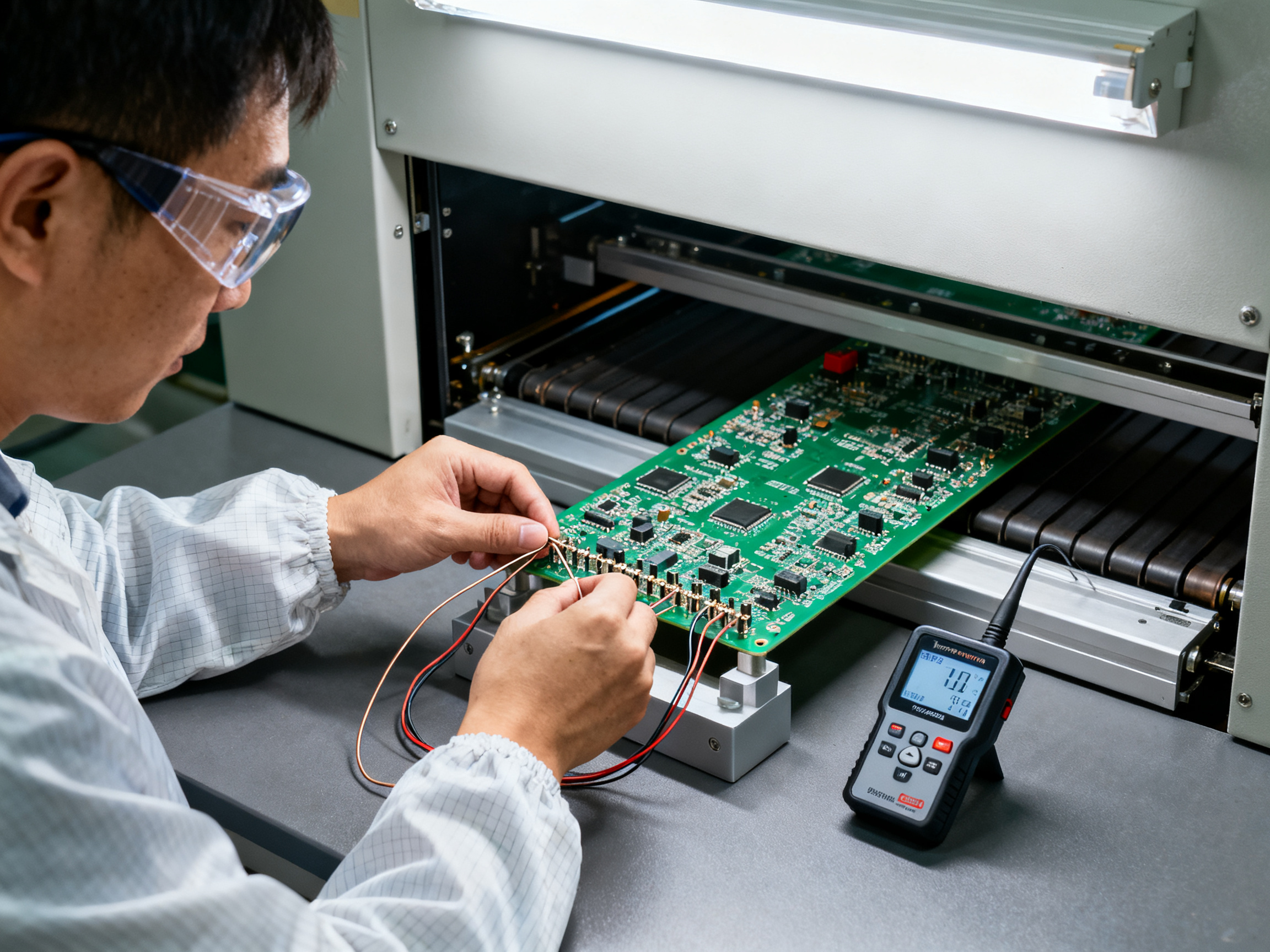
Getting the actual board temperature means profiling with thermocouples. These are small wires with temperature sensors attached right to the solder joints or component bodies. A data logger records the temperature as the board moves through the oven.
Thermocouple placement matters a lot. You want to measure both the hottest and coldest spots. Put sensors on large thermal-mass components like big BGAs, and on small components at board edges. Corner locations often run cooler than the center. Areas with heavy copper planes heat faster than thin sections.
Emissivity also plays a role when using infrared sensors. Dark components absorb heat differently than shiny ones. That is why forced-convection ovens with good airflow are the industry standard. They heat more evenly regardless of surface color.
Running the profile multiple times matters. Three consecutive runs should give you nearly identical results. Variations between runs tell you something is wrong, like blocked airflow, heater problems, or conveyor speed drift.
Paste-Specific Profile Limits
You cannot pick a generic reflow profile and expect good results. Each solder paste comes with its own specification sheet that tells you the acceptable window. These limits come from the paste supplier, and they should drive your oven settings.
Typical parameters include ramp rate, soak range, time above liquidus, peak temperature, and cooling rate. The ramp rate is how fast the board heats up from room temperature to the melting point. Too fast and you get thermal shock or solder spattering. Too slow and the flux can dry out before it does its job.
The soak zone holds the board at a lower temperature range before hitting the melting point. This gives time for the flux to activate and for different thermal-mass regions to equalize. A typical soak might run 60 to 120 seconds, but your paste datasheet specifies the exact range.
Time above liquidus is how long the solder stays molten. Too short and you get cold joints. Too long and you risk oxidation or component damage. Most lead-free pastes need somewhere between 30 and 90 seconds above the liquidus point.
Peak temperature sits at the top of the profile. It needs to be hot enough for good wetting without overheating sensitive components. Cooling rate matters too. Cool too fast and you stress the board. Cool too slow and the solder microstructure becomes coarse, which weakens joint strength over time.
From Our Experience: We ran a production campaign with mixed thermal mass boards, ranging from simple LED drivers to complex networking cards with large ground planes and heat sinks. After switching from a generic 6-zone profile to one optimized for our worst-case thermal load, we saw tombstoning drop from roughly 1.8% to well below 0.1% on the sensitive 0402 components. The fix was simple: slower conveyor speed and a longer soak to equalize temperatures before reflow.
Air Versus Nitrogen Atmosphere
Standard reflow ovens use regular air. But nitrogen reflow replaces the oxygen with an inert gas, which changes the chemistry inside the oven.
Nitrogen reduces oxidation during soldering. Less oxidation means better wetting and cleaner joints. The process window also widens, which helps with tricky components like fine-pitch BGAs and QFNs.
The catch? Nitrogen systems cost more to run. You need sealed oven chambers, continuous gas supply, and nitrogen consumption adds to operating expense. For high-volume production of standard assemblies, many facilities stick with air reflow and accept the oxidation.
When does nitrogen make sense? When you are running lead-free alloys with low-activity flux, fine-pitch components, or products where wetting quality is critical. Automotive and aerospace customers often specify nitrogen atmospheres for their high-reliability requirements.
Air reflow still works fine for most consumer electronics, especially with robust no-clean fluxes and forgiving pad geometries. The key is matching your atmosphere choice to your defect rate tolerance and budget.
Profiling tells you what is actually happening on the board, not just what the oven says. Getting it right prevents the defects that cost way more to fix after the board leaves the oven.
4. Reflow Oven Types and Configurations
Not all reflow ovens work the same way. The right type depends on your production volume, thermal requirements, and how much you need to control voiding in those tricky BGA and QFN packages.
Batch Versus Inline Ovens
Batch ovens process boards in groups. You load a rack of panels, run the thermal cycle, then unload. This works fine for low-volume work, prototypes, or facilities that run multiple product families in small quantities.
Inline ovens, which are the standard for production lines, move boards continuously through the heating zones on a conveyor. Once you have the profile dialed in, throughput is limited only by takt time and conveyor speed. Most high-volume SMT lines in 2026 run inline.
Heating Technology Options
The main differences between reflow oven types come down to how they transfer heat to the board.
Forced convection ovens push high-velocity hot air through multiple independently controlled zones. This is the production workhorse. It handles the widest range of board sizes, thermal masses, and component types. Zone counts typically run from 6 to 12 or more, giving you fine control over the thermal profile. These ovens deliver thermal uniformity around plus or minus 2 degrees Celsius in well-tuned systems, which is good enough for most applications.
Infrared ovens heat surfaces using radiant energy. They warm up fast and the technology is simple. But components with different colors or heights absorb heat at different rates, so thermal uniformity suffers on mixed assemblies. IR is better suited to prototyping or simple boards where everything looks roughly the same to the IR source.
Vapor phase systems use a condensing fluid vapor to transfer heat. The process is almost perfectly uniform because every surface stays at the fluid’s boiling point, around 230 to 240 degrees Celsius for lead-free work. This approach excels with thermally sensitive assemblies or boards that have wild thermal-mass differences between a large BGA and a tiny resistor. The trade-off is higher operating cost and slower throughput compared to a long convection tunnel.
Vacuum-assisted reflow adds a vacuum chamber to the heating process. Vacuum does not change how the board heats, but it helps gas escape from molten solder, which dramatically cuts voiding. In testing, vacuum processing eliminated virtually all observable voiding in some BGA and QFN assemblies. This matters when your customers are automotive or aerospace shops with strict X-ray void limits.
Expert Tip: A practical sizing rule accounts for board length, required throughput, changeover frequency, thermal mass, and realistic production headroom. Calculate the required heated length by multiplying your qualified profile residence time by your conveyor speed. Then verify that the oven can maintain the profile with the slowest product family in your mix.
Configuration Choices That Matter
Zone count affects how precisely you can shape the thermal profile. More zones let you run faster without overshooting, but they add cost and complexity. Six zones handle standard assemblies well. Eight to twelve zones give you extra control for mixed thermal mass or demanding lead-free profiles.
Heated length determines how long the board stays in each temperature region. A longer heated tunnel means slower conveyor speed for the same profile, or alternatively, you can run faster and still achieve the same thermal exposure.
Cooling capacity matters for lead-free assemblies. Controlled cooling at 2 to 4 degrees per second produces a finer solder microstructure and stronger joints. Some ovens have active water cooling; others rely on ambient air. The choice affects your yield on thermally demanding packages.
Dual-lane configuration lets you run two boards side by side through the same oven at different recipes. This works well for EMS operations running multiple products, but it requires more floor space and more complex line balancing.
| Technology | Heating uniformity | Throughput | Voiding control | Best-fit applications |
|—|—|—|—|—|
| Forced convection | Approximately plus or minus 2 degrees Celsius | Highest; up to 1.4 meters per minute | Baseline; depends on paste and profile | High-volume SMT, mixed assemblies, BGAs, QFNs |
| Infrared | Variable; sensitive to component geometry | Moderate; fast heat-up | No inherent advantage | Prototyping, simple boards, low-volume |
| Vapor phase | Near-perfect uniformity | Good; batch or flexible production | Lower voiding in some conditions | Thermally sensitive, mixed thermal mass, power electronics |
| Vacuum-assisted | Depends on underlying heating method | Lower than atmospheric; vacuum cycle adds time | Best available; near-zero voiding reported | Power modules, bottom-terminated components, automotive, aerospace |
Matching Oven Type to Your Application
For smartphone motherboards and consumer electronics, forced convection inline ovens handle the volume and thermal demands. High-density communication boards benefit from eight-plus zones and nitrogen atmospheres for wetting control.
Automotive electronics often require vacuum-assisted or vapor-phase systems to meet strict void limits on BGAs and QFNs. The process documentation and traceability also matter more in this industry.
Military and aerospace assemblies prioritize repeatability and defect prevention over raw speed. Vapor phase or vacuum-assisted systems provide the tightest control, and the higher per-board cost is easier to justify when failure costs are measured in system reliability.
Semiconductor modules and power electronics frequently use vapor phase or vacuum systems because the thermal-mass variation is extreme, and the cost of rework or field failure is high.
The key is matching the oven to the assembly, not just the output target. A faster oven that cannot control voiding on your BGA packages will cost more in the long run than a slower oven that gets every joint right the first time.
5. How to Choose the Right SMT Reflow Oven
So you have read about the different reflow oven types. Now how do you actually pick the right one for your operation? This is where most buying decisions go wrong. Teams get caught up in zone counts and conveyor speeds without first figuring out what they actually need to run.
Start With Your Product Requirements
Before you look at any equipment catalogs, write down what you need to build. Maximum PCB dimensions and mass come first, because a small benchtop oven will not handle a 500 by 400 millimeter automotive board no matter how good the specs look.
Package complexity matters too. Standard 0402 resistors and SOIC packages are forgiving. BGAs with 0.4 millimeter ball pitch, QFN thermal pads, and bottom-terminated components demand tighter profile control and often nitrogen atmospheres. Your worst-case thermal mass component should drive the oven selection, not the average board.
Solder alloy and paste specify the thermal window. Lead-free SAC305 profiles typically need peak temperatures around 240 to 250 degrees Celsius and 45 to 60 seconds above liquidus. If you are still running tin-lead, the oven can run cooler, but many facilities have already moved to lead-free for regulatory reasons.
Target cycle time comes from your production takt. If you need 60 boards per hour, the oven must sustain that throughput with a qualified profile, not just a theoretical spec sheet number. Changeover frequency also matters. High-mix EMS operations may need faster recipe switching than single-product lines.
Traceability and quality standards affect the oven features you need. Automotive customers often require full recipe history, operator logs, and alarm records. Aerospace may demand tighter profile repeatability and documentation.
The Capacity Sizing Math
Here is a practical sizing approach. First, calculate the required heated length by multiplying your qualified profile residence time by conveyor speed. A six-minute profile through a 3 meter heated tunnel means a conveyor speed of 0.5 meters per minute.
For takt-based calculation, board pitch equals board length plus gap. With a 250 millimeter board and 20 millimeter gap at a 10-second takt, your required speed is 1.62 meters per minute. If your qualified profile at that speed does not meet paste and component limits, you need more heated length or a different oven.
Expert Tip: A practical sizing rule accounts for board length, required throughput, changeover frequency, thermal mass, and realistic production headroom. Calculate the required heated length by multiplying your qualified profile residence time by your conveyor speed. Then verify that the oven can maintain the profile with the slowest product family in your mix. Adding 20 percent capacity headroom prevents the oven from becoming your line bottleneck when demand increases or a slower board family enters production.
Zone count should match your profile complexity, not your desired throughput. Six zones handle standard assemblies. Eight to twelve zones give you more control for mixed thermal mass or demanding lead-free profiles. More zones do not automatically mean faster throughput, but they do mean more flexible profile shaping.
Total Cost of Ownership
Purchase price is only the beginning. A $100,000 oven that needs $30,000 in nitrogen equipment, $15,000 in annual maintenance, and $20,000 in lost production during long changeovers costs more over five years than a $130,000 oven with simpler requirements.
| Cost Category | Typical Range | What to Verify |
|—|—|—|
| Purchase price | $50,000 to $250,000 | Base config versus fully optioned |
| Installation and setup | $5,000 to $20,000 | Site prep, utilities, integration |
| Energy consumption | $8,000 to $25,000 per year | kWh per board at your utilization |
| Nitrogen (if required) | $10,000 to $40,000 per year | Flow rate, purity, generator costs |
| Maintenance and spares | $8,000 to $20,000 per year | PM schedule, parts availability |
| Training and software | $2,000 to $8,000 | Initial and ongoing |
| Floor space | $500 to $2,000 per year | Square footage cost |
When I evaluated reflow ovens for an automotive EMS line, the oven with the lowest purchase price had the highest five-year cost because its nitrogen consumption was nearly double the competition. A simple spreadsheet comparing energy, gas, and maintenance at your actual production volume tells a different story than the spec sheet.
Supplier service response matters. Who answers the phone at 2am when your oven goes down during a production run? Local service presence, response time guarantees, and spare parts availability vary widely between manufacturers.
A Practical Selection Checklist
Before you sign any purchase order, verify these items with the supplier:
- The oven can run your worst-case thermal mass board at your target takt with a qualified profile.
- Zone count and heated length match your product mix, not just your fastest product.
- Cooling capacity supports your lead-free requirements at production speed.
- Conveyor width and mass rating accommodate your largest boards and carriers.
- SMEMA or Hermes communication works with your upstream and downstream equipment.
- Recipe repeatability has been demonstrated with three consecutive compliant profile runs.
- The warranty covers heaters, blowers, and control systems for at least 12 months.
Getting these details right before purchase prevents the expensive surprises that come after installation.## 6. Installation, Line Integration, and Compliance Requirements
Getting a reflow oven installed and running is where a lot of projects hit delays. The spec sheet looks great until you realize your floor cannot support the electrical draw, or your upstream placement machine does not speak the same language as the oven controller. Spending time on integration planning before the oven arrives saves weeks of finger-pointing after.
Mechanical and Digital Integration
Conveyor height is usually the first thing to lock down. Most production lines run at 900 millimeters from the floor to the top of the conveyor rail, but this varies. If your placement machine outputs at 880 millimeters and your inspection stage expects 920, somebody is doing a lot of hand-offs instead of running automation.
Board transfer protocols matter. SMEMA remains the baseline for basic handshake signals, but Hermes IPC-HERMES-9852 is becoming the standard for more intelligent factories. If you are specifying new equipment in 2026, go with Hermes if you have any plans for MES connectivity, recipe download, or full traceability. The setup cost is similar, and the data capability is worlds apart.
Speaking of traceability, modern reflow ovens should log recipe revision, operator, board count, alarm events, and thermal profile data. If your quality system requires automotive IATF 16949 or aerospace AS9100 compliance, this logging is not optional. It is the difference between passing an audit and explaining a escape to a customer.
Upstream buffering is often overlooked. When your solder paste printer has a jam or your AOI station takes longer than expected, the reflow oven keeps running. You need enough board accumulation between stations to prevent starve-out or line stoppage.
Utilities and Environmental Planning
Lead-free reflow ovens run hot. A 10-zone forced-convection system can dump 30 to 50 kilowatts of heat into your facility. Your HVAC contractor needs to know this before you sign the purchase order. Exhaust systems also need to handle flux volatiles, and the exhaust duct routing should not cross paths with your nitrogen distribution lines.
Electrical service is another common surprise. Many large reflow ovens require three-phase power at 480 volts. If your facility tops out at 208 volts, you are looking at transformer costs and longer lead times. Compressed air for pneumatic components, cooling water for some active cooling systems, and nitrogen supply or generation for inert atmosphere ovens all need to be specified and routed before startup.
Floor loading is not glamorous, but a fully loaded reflow oven with boards and carriers can exceed 2,000 kilograms. Check that your subfloor can handle the weight, especially if the oven sits on an elevated section of your facility.
Pro Insight: Before signing any purchase order, require the supplier to run a factory acceptance test covering recipe repeatability, SMEMA or Hermes communication, alarm response, traceability logging, and measured energy or nitrogen consumption. A proper FAT using your actual boards and profile takes the surprises out of installation and protects you from discovering problems after the warranty expires.
Compliance and Documentation
Lead-free compliance under RoHS and similar regulations does not end with the oven. Your solder paste, component finishes, and board surface finish all need to work together within the reflow profile. Documentation should cover the qualified profile window, the paste datasheet, component MSL handling, and your process specification aligned to IPC-7530 and J-STD-001.
ESD controls belong in every SMT line, and the reflow oven area is no exception. Grounding points, matting, wrist straps at workstations, and humidity control all need to be part of the site readiness plan. Machine safety compliance covers emergency stops, door interlocks, and lockout-tagout procedures for maintenance access.
Customer-specific requirements often go beyond the base standards. Automotive customers may require PPAP documentation, process capability studies, and formal FAT protocols. Aerospace programs might need special-process controls, Nadcap alignment, and cross-section evidence of solder joint quality. Medical device work brings additional traceability and risk analysis requirements into the picture.
The key is understanding that one certification does not cover every market. Build your compliance documentation package around the strictest customer requirement in your pipeline, and the others usually fall into place.
A site-readiness checklist that covers mechanical dimensions, utilities, communications, and documentation requirements before the oven arrives makes the difference between a one-week startup and a three-month nightmare. It also gives your supplier a clear target to hit during installation, which tends to make everyone more cooperative when questions come up.## 7. Validation, Maintenance, and Defect Reduction
So you have the oven installed, the profile qualified, and production running. The job is not done. Ongoing validation, preventive maintenance, and systematic defect tracking are what separate facilities that consistently ship zero-defect boards from those that chase the same problems month after month.
Acceptance and Validation Evidence
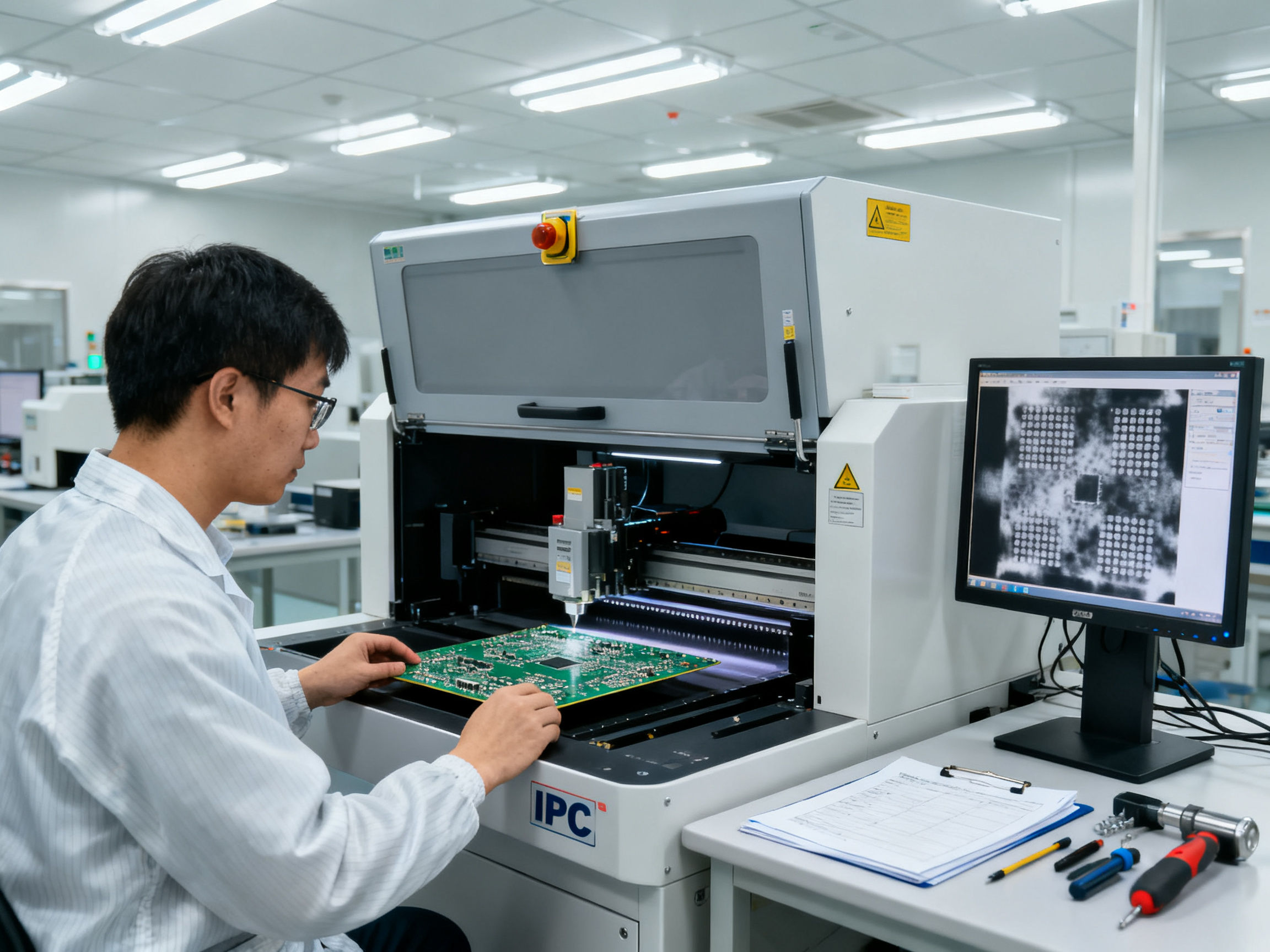
Every reflow oven needs documented proof that it does what the spec says. This means running empty-oven thermal uniformity surveys to verify zone-to-zone consistency, then loaded board profiles at minimum, nominal, and maximum conveyor speed. You also need to verify recipe repeatability with three consecutive compliant runs, test conveyor speed accuracy with a tachometer, challenge every alarm and safety function, confirm SMEMA or Hermes communication with upstream and downstream equipment, log energy consumption under production conditions, and inspect sample boards processed at the qualified recipe.
A commissioning acceptance table helps track what passed and what did not. For automotive and aerospace customers, this package becomes part of your quality records and needs to satisfy IATF 16949 or AS9100 audit requirements.
Building a Preventive Maintenance Program
Flux residue is enemy number one in reflow ovens. It builds up on conveyors, heating elements, and airflow paths, causing profile drift, hot spots, and equipment damage. Daily wipe-downs of accessible surfaces keep things manageable. Weekly cleaning of the conveyor rails and interior. Monthly deep cleaning of heating chambers and exhaust paths.
Beyond cleaning, you need scheduled checks on heaters and blowers, thermocouple calibration every quarter, conveyor alignment verification monthly, filter replacement based on pressure drop (typically every 1,000 to 2,500 operating hours), nitrogen system leak-down testing quarterly, and cooling section inspection for condensate buildup and airflow restriction.
A preventive maintenance calendar that ties maintenance intervals to production hours rather than calendar days handles both high-volume and seasonal operations correctly.
Using Inspection Data to Find Root Causes
When defects show up, resist the urge to immediately blame the oven. Use a structured approach to separate thermal issues from printing problems, placement errors, material incompatibilities, and design flaws.
SPI data tells you what went onto the board before reflow. AOI catches tombstoning, bridges, and component placement issues. X-ray reveals voiding in BGAs and QFN thermal pads. Profile data shows whether the thermal cycle stayed within limits. Statistical process control on these data streams lets you spot trends before they become escapes.
A defect troubleshooting decision tree starting with SPI results helps narrow down the cause quickly. If paste volume is off, the problem is upstream. If the profile is out of spec, the oven needs attention. If inspection looks good but joints fail in the field, you are dealing with hidden defects like head-in-pillow or excessive voiding that require X-ray or cross-section analysis.
From Our Experience: At an automotive EMS facility, we had recurring BGA voiding above 25% on a key module. We assumed the oven profile needed adjustment. A structured investigation using X-ray void mapping, SPI paste volume data, and profile thermocouples revealed the real cause was inconsistent stencil aperture design on the thermal pad, not the reflow oven. The fix took 20 minutes to specify and 2 days to implement. We saved weeks of profile optimization that would have addressed the wrong problem.
The lesson is simple. Good inspection data plus a systematic approach to root cause analysis prevents wasted troubleshooting time and keeps the oven running instead of being endlessly re-profiled for problems it did not create.## 8. Reflow Oven Buyer’s Checklist and Supplier Comparison
Before signing any purchase order, separate what you must have from what would be nice to have. This keeps procurement from trading away process-critical capabilities for a lower initial quote.
Must-Have Requirements Checklist
Product and Process
- [ ] Oven handles your largest board dimensions and mass rating
- [ ] Zone count and heated length match your worst-case thermal mass product
- [ ] Cooling capacity meets lead-free requirements at production speed
- [ ] Conveyor width and rail adjustment cover your board range
- [ ] Atmosphere capability (air or nitrogen) fits your defect rate tolerance
Capacity and Integration
- [ ] Conveyor speed delivers required takt with qualified profile
- [ ] SMEMA or Hermes communication works with upstream and downstream equipment
- [ ] Recipe repeatability demonstrated with three consecutive compliant runs
- [ ] Board transfer height matches your production line
Utilities and Support
- [ ] Electrical service matches your facility (verify three-phase voltage and amperage)
- [ ] Exhaust and HVAC capacity confirmed for oven heat load
- [ ] Supplier offers local service response within your production window
- [ ] Spare parts stocked locally or with acceptable lead times
Quality and Documentation
- [ ] Full traceability logging (recipe, operator, board count, alarms, profile data)
- [ ] Warranty covers heaters, blowers, and control systems for at least 12 months
- [ ] FAT protocol covers recipe repeatability, communication, and sample board inspection
Preferred Features
These add value but should not compromise the must-haves:
- Dual-lane configuration for mixed-product EMS operations
- Vacuum-assisted processing for power modules or automotive BGA assemblies
- Energy monitoring and reporting built into the control system
- Remote diagnostics capability for faster troubleshooting
Supplier Comparison Scorecard
| Criterion | Supplier A | Supplier B | Supplier C |
|—|—|—|—|
| Heated length and zone count | | | |
| Profile control precision | | | |
| Atmosphere (air/nitrogen/vacuum) | | | |
| SMEMA/Hermes integration | | | |
| Utilities match facility | | | |
| Local service response time | | | |
| Five-year lifecycle cost | | | |
| Overall fit score | | | |
Questions to Ask During Demos
Ask the supplier to run your hardest board, not a demo board, through the oven at your target takt. Then ask:
- What is the actual measured profile on our board at our speed? Show me the thermocouple data.
- What was the oxygen level during nitrogen operation on that run?
- Walk me through your service response process for a 2am emergency call.
- What are your spare parts lead times for heaters, blowers, and control boards?
- Who owns the software? Can we export data to our MES?
- What is the five-year total cost including energy, nitrogen, and maintenance?
- Can I speak with three reference customers running similar products?
The goal is simple. Buy the oven that runs your worst-case board correctly, not the one with the best spec sheet.
Expert Tip: A practical sizing rule accounts for board length, required throughput, changeover frequency, thermal mass, and realistic production headroom. Calculate the required heated length by multiplying your qualified profile residence time by your conveyor speed. Then verify that the oven can maintain the profile with the slowest product family in your mix.
Conclusion: Make the Purchase Decision From Profile Evidence
The right SMT reflow oven is not the one with the most zones or the highest conveyor speed. It is the system that repeatedly holds the required thermal profile window for your actual board mix at your target throughput, without constant requalification.
Here is what I recommend before signing any purchase order:
- Document your worst-case board dimensions, thermal mass, and takt time requirements.
- Profile the hardest products in your mix with thermocouples attached to the actual joints, not the conveyor.
- Convert those profile measurements into measurable acceptance criteria for any oven under evaluation.
- Request supplier trials using your actual boards at your production speed.
- Compare lifecycle costs including energy, nitrogen, maintenance, and the real cost of defects that escape.
Based on 14 years of qualifying reflow equipment for automotive and high-reliability applications, my strongest piece of advice is straightforward: buy the oven that runs your heaviest board correctly at your target speed. Everything else on the spec sheet is secondary.