
Published: 16 November 2026
Reading Time: 17 minutes
Introduction: Why Reflow Oven Choice Quietly Determines Your SMT Line’s Yield
Let’s talk about the machine nobody photographs.
A pick and place machine gets the headshots. The reflow oven gets shoved into the corner of the SMT line, humming away, covered in flux residue. Yet every solder joint that leaves that oven passed through it, and every defect your customers find six months later probably started there too.
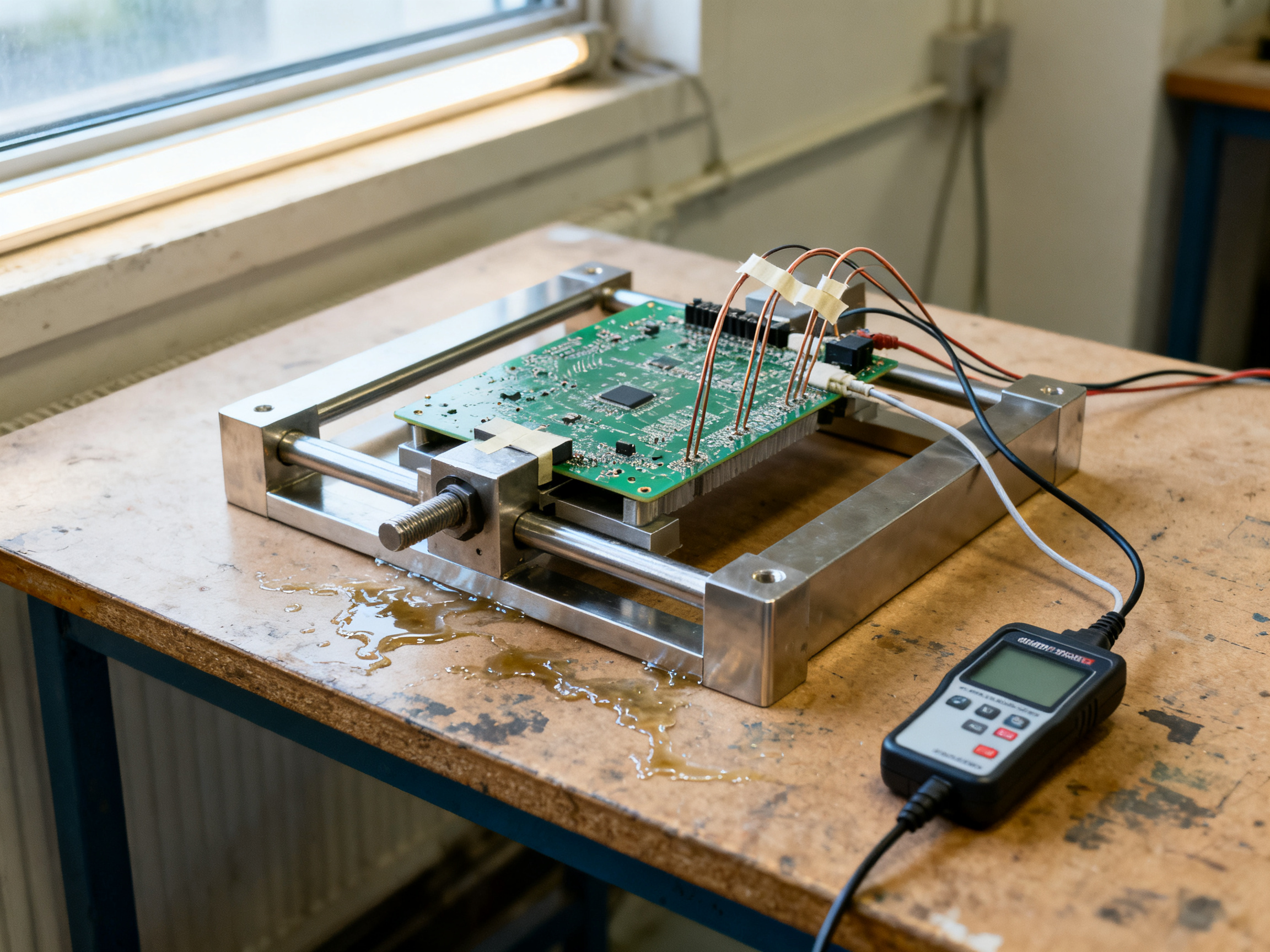
Here is the thing most buying guides miss. Reflow ovens are usually compared on spec sheets. Watts. Conveyor length. Zone count. Number of temperature settings. These numbers feel objective because they are printed on a quote. But they tell you almost nothing about what happens to your board at 2:47 in the morning when the line is running two product changeovers back to back and someone opened the oven door to fish out a fallen stencil.
The oven that matters is the one that reproduces the same thermal profile on board number 40,000 as it did on board number 40. That is the whole game.
The problem we actually see
A lot of the conversations our process engineers have with new customers start the same way. The line runs. Throughput looks fine. But the defect rate is higher than it should be, and nobody can point at a single machine.
Then we pull the oven profile data. And there it is.
The soak zone was never really soaking. The ramp was too aggressive for the thermal mass of the board. Peak temperature drifted 15 degrees between a light panel and a dense control board running on the same profile. Nitrogen was flowing when it was supposed to be sealed, or not flowing at all. The line was chasing a process window it could never hold.
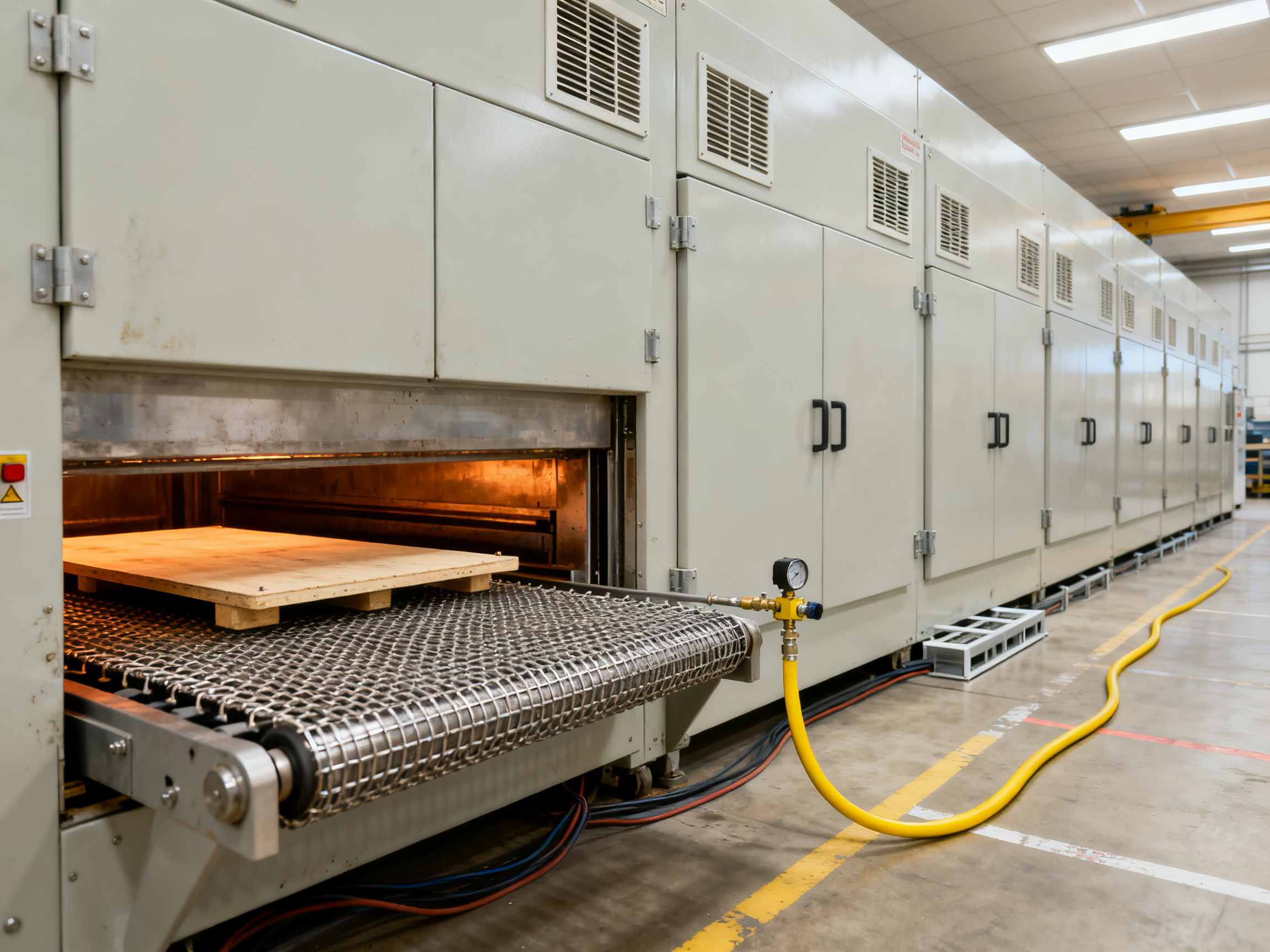
And the fix was not a new pick and place machine. It was not a better stencil. It was not more inspection. It was a properly specified oven, a profile that matched the board datasheet, and somebody who owned the thermal process.
Pro Insight: Before you compare any two reflow ovens, pull three months of your own profile data and compare it against the board manufacturer’s reflow specifications. The gap between those two documents tells you more about your yield ceiling than any catalog spec. If a vendor will not run that comparison against your actual boards and sign off the resulting profile against the datasheet, they are selling you a heater, not a process.
We cannot publish the specifics of that customer’s numbers here without internal sign-off, and you should be skeptical of any guide that does the same. What we can tell you is the pattern. Reflow problems are unusually fixable. The variable is usually small. The defect curve moves fast.
What this guide actually does
This is a commercial comparison, and we will say so plainly. S&M Co. Ltd. builds lead-free reflow ovens, wave soldering machines, and complete SMT production lines, so we are not a neutral party. What we can do is lay out how ovens differ on the engineering characteristics that actually decide first-pass yield, put a weighting model behind our ranking, and be honest about where a mid-range oven beats a premium import and where it does not.
If you landed here searching for the best SMT reflow oven, the short answer is that “best” depends on your product mix more than it depends on the brand logo. A gateway or LED driver board and a 256-ball BGA module do not want the same oven. They do not even want the same conveyor width.
Here is what the guide covers:
| Section | What you get |
| — | — |
| How we evaluated | The 9 weighted criteria used to rank every oven |
| Best for high-density BGA/QFN | Ovens that hold a valid profile on thermally heavy boards |
| Best for automotive and IATF 16949 | Documentation and requalification support |
| Best value for mid-scale lines | Where price-to-performance actually wins in 2026 |
| Reflow oven cost and price | Installed cost, not sticker price, including a 5-year view |
| Brand comparison | How the major industrial reflow oven brands actually differ |
| Buying checklist | The questions to ask before you sign a purchase order |
Who this is for
If you are a head of production, a procurement manager, or a technology officer running mid to large scale SMT operations in consumer electronics, semiconductors, automotive, military, or aerospace, this is written for you. So are the factory engineers who will live with the decision for the next decade.
If you are just getting a first machine for a prototyping bench, most of this is overkill. Read section 3, skim the cost section, and save yourself the afternoon.
One warning before we start
Much of what passes for reflow oven guidance online is written by people who have never set up a thermal profile on a real line. It repeats the same claim, that most SMT defects come from reflow, without saying where that number came from or what was measured. We are not going to invent a percentage for you. Where a figure matters, we will tell you the source and the assumption. Where our own field data is the source, we will tell you that too.
Because you will make a capital decision based on this guide, and the difference between a 15 percent improvement in yield and a 3 percent improvement is the difference between a good year and a bad one.
Expert Tip: Whatever you buy, budget for the accessories nobody puts on the quote. A spare zone thermocouple, a proper board-level profiler, and a nitrogen generator with the gas plumbing already run. These small items decide whether your oven keeps working in year three.