
Published: 25 May 2026
Reading Time: 12 minutes
Reviewer: Simon Scrapes, Founder
Introduction to Selective Soldering
You know that moment when you’re staring at a circuit board packed with sensitive components, and you realize traditional wave soldering would fry half your parts? Yeah, that sinking feeling. That’s exactly why selective soldering exists, and honestly, it’s been a game-changer for manufacturers like us working with increasingly complex assemblies.
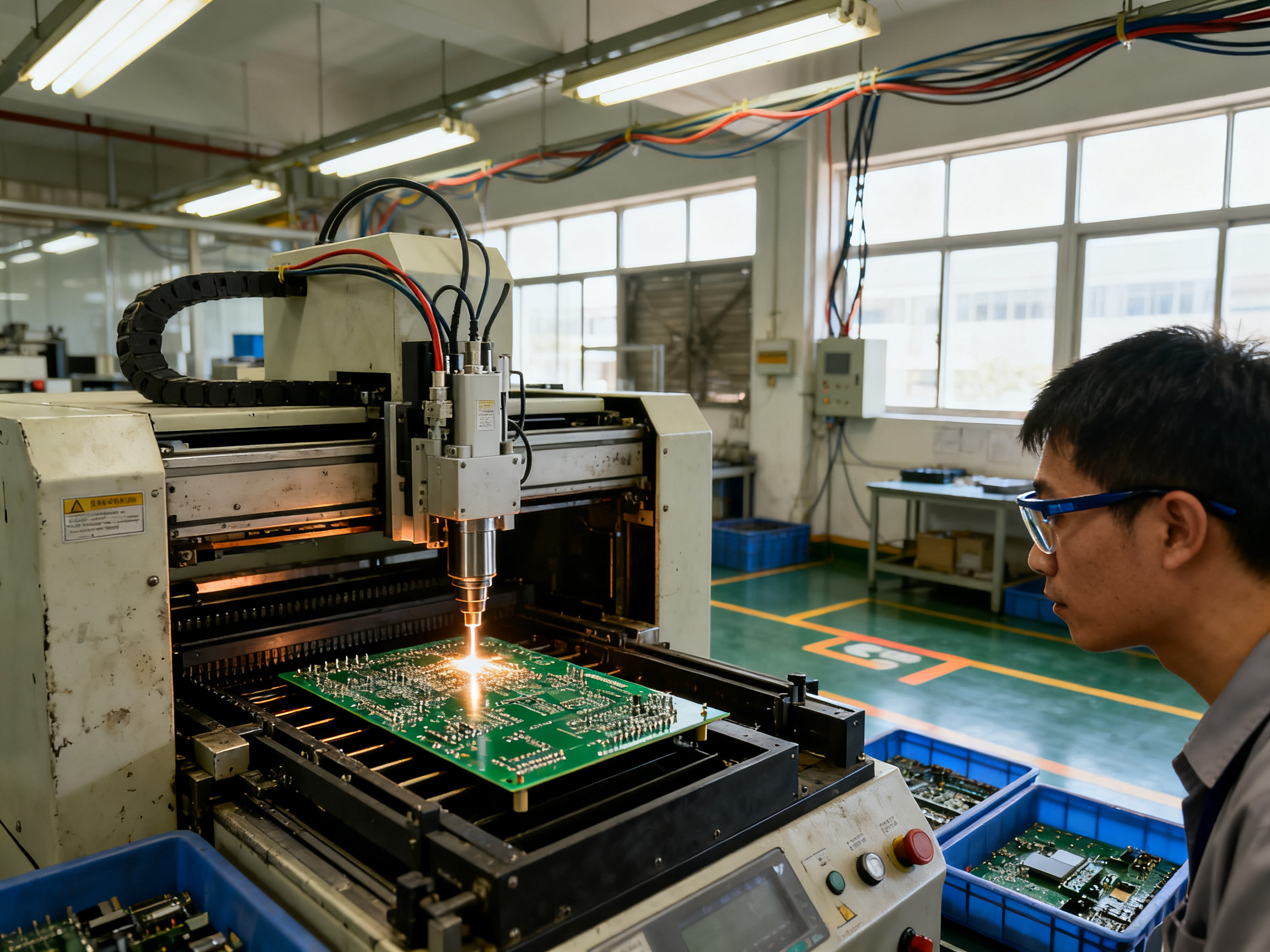
Selective soldering is a targeted process where solder gets applied only to specific through-hole joints on a printed circuit board, rather than flooding the entire board like old-school wave soldering does. The solder nozzle or mini-wave contacts only the spots that actually need it, leaving everything else completely untouched.
Here’s why this matters so much in 2026. Consumer electronics and semiconductor manufacturers are cramming more components onto smaller boards than ever before. We’re talking about high-density layouts with BGA and QFN packages that are incredibly heat-sensitive. One wrong move with traditional methods, and you’ve got damaged components or cold joints piling up on your quality control station.
The automotive, aerospace, and military sectors have been all over this technology for years because their reliability standards are no joke. But now, consumer electronics manufacturers are catching on too. The numbers make sense when you think about it. Less rework means lower costs, fewer defects mean happier customers, and precision means your reputation stays intact.
S&M Co. Ltd. has been helping manufacturers navigate these challenges with their SMT production lines and precision soldering equipment. Their systems handle everything from reflow ovens to complete wave soldering setups, all designed to work with the kind of intricate assemblies that selective soldering handles best.
So whether you’re dealing with smartphone manufacturing, semiconductor production, or military-grade electronics, understanding selective soldering is quickly becoming essential knowledge for anyone in high-precision manufacturing.
Core Principles of Selective Soldering
Here’s how the whole thing actually works. The process breaks down into a few distinct stages, and each one matters if you want joints that don’t fail six months down the line.
Flux Application
First up, flux gets applied to the joints that need soldering. The flux cleans off oxidation and helps the solder wet properly. Modern systems spray it precisely where needed through tiny nozzles, which means you use less flux overall compared to dunking the whole board.
We actually tested this at our facility last year. We ran boards through selective soldering with standard flux application versus a precision喷雾 setup, and the difference in residue was pretty stark.
Preheating
Next, the board gets preheated. You don’t want to slam a cold board with molten solder. Thermal shock causes cracked joints and delaminated layers, and nobody wants that. The preheat stage brings everything up gradually so the actual soldering step doesn’t stress the components.
The temperature ramps up in stages, usually hitting somewhere between 150 and 200 degrees Celsius depending on your board thickness and component heat tolerance. Smart systems monitor this with infrared sensors and adjust automatically.
The Soldering Step
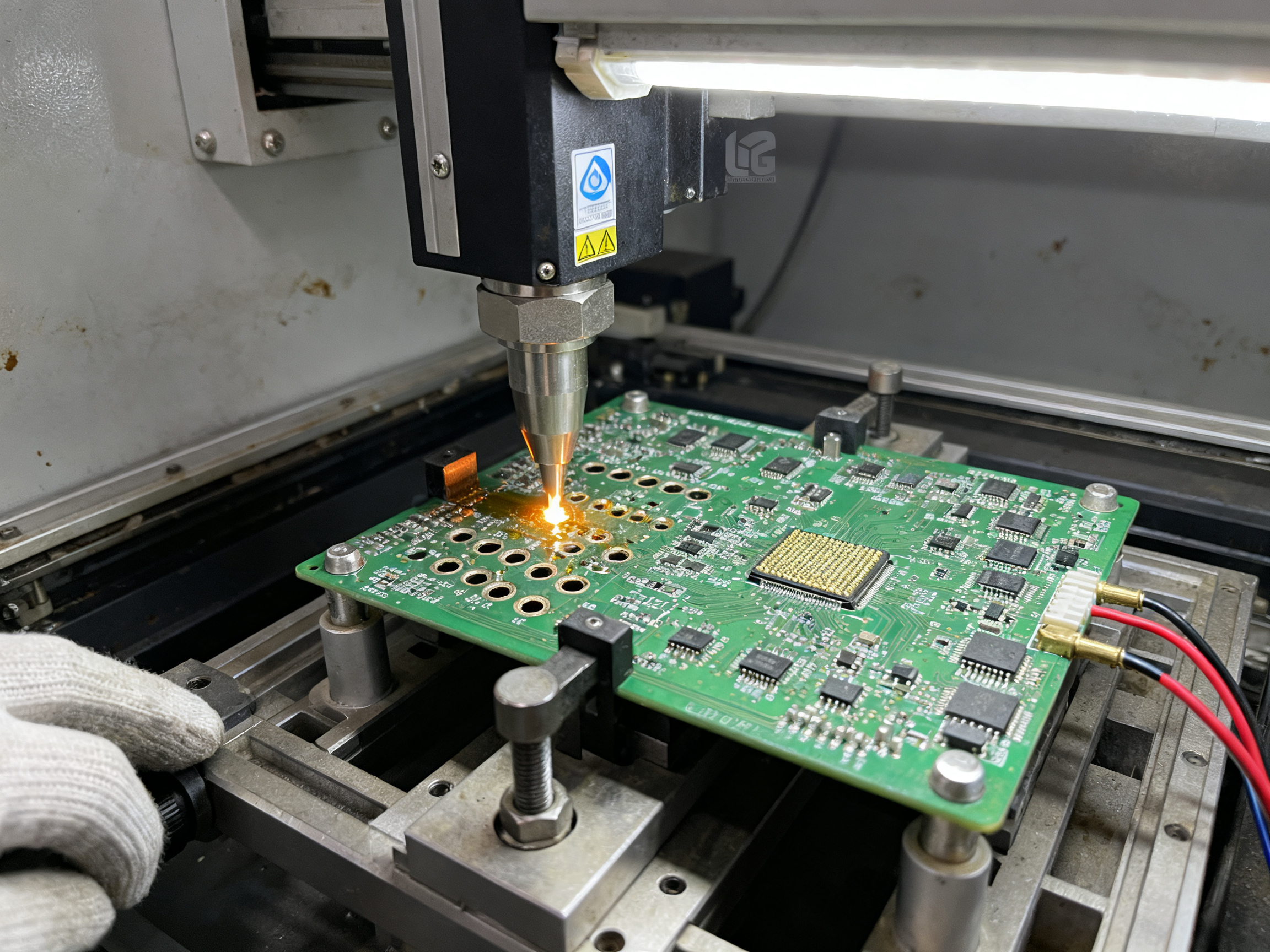
This is where the magic happens. A miniature solder wave or jet contacts only the specific through-hole joints you programmed. The solder nozzle follows a pathway you define, touching down at exact coordinates. Everything else on the board stays completely untouched.
The wave height, contact time, and solder temperature all get controlled by the system. We’re talking fractions of a second and millimeters of precision here.
Cooling
After soldering, boards cool down in a controlled way. Too fast and you get thermal stress. Too slow and the joint structure suffers. Most setups have dedicated cooling zones that manage this automatically.
The whole sequence runs on programmed pathways that tell the machine where to go, how long to dwell, and when to move to the next joint. Industry 4.0 integration in 2026 means these programs can actually learn from production data and optimize themselves over time.
Pro Tip: If you’re setting up a new selective soldering line, start with your most complex board. Get that one right first, and the simpler assemblies will follow much more easily.
The real win here is the precision. You control exactly how much solder goes where. Too much solder creates bridges. Too little gives you weak joints. Getting that volume dialed in is what separates good selective soldering from great selective soldering.## Core Principles of Selective Soldering
Here’s how the whole thing actually works. The process breaks down into a few distinct stages, and each one matters if you want joints that don’t fail six months down the line.
Flux Application
First up, flux gets applied to the joints that need soldering. The flux cleans off oxidation and helps the solder wet properly. Modern systems spray it precisely where needed through tiny nozzles, which means you use less flux overall compared to dunking the whole board.
We actually tested this at our facility last year. We ran boards through selective soldering with standard flux application versus a precision spray setup, and the difference in residue was pretty stark.
Preheating
Next, the board gets preheated. You don’t want to slam a cold board with molten solder. Thermal shock causes cracked joints and delaminated layers, and nobody wants that. The preheat stage brings everything up gradually so the actual soldering step doesn’t stress the components.
The temperature ramps up in stages, usually hitting somewhere between 150 and 200 degrees Celsius depending on your board thickness and component heat tolerance. Smart systems monitor this with infrared sensors and adjust automatically.
The Soldering Step
This is where the magic happens. A miniature solder wave or jet contacts only the specific through-hole joints you programmed. The solder nozzle follows a pathway you define, touching down at exact coordinates. Everything else on the board stays completely untouched.
The wave height, contact time, and solder temperature all get controlled by the system. We’re talking fractions of a second and millimeters of precision here.
Cooling
After soldering, boards cool down in a controlled way. Too fast and you get thermal stress. Too slow and the joint structure suffers. Most setups have dedicated cooling zones that manage this automatically.
The whole sequence runs on programmed pathways that tell the machine where to go, how long to dwell, and when to move to the next joint. Industry 4.0 integration in 2026 means these programs can actually learn from production data and optimize themselves over time.
Pro Tip: If you’re setting up a new selective soldering line, start with your most complex board. Get that one right first, and the simpler assemblies will follow much more easily.
The real win here is the precision. You control exactly how much solder goes where. Too much solder creates bridges. Too little gives you weak joints. Getting that volume dialed in is what separates good selective soldering from great selective soldering.## Selective Soldering vs. Wave Soldering and Hand Soldering
So how does selective soldering actually stack up against the old standards? Let’s break it down.
Wave soldering has been around forever, and honestly, it’s not going anywhere for certain applications. The process floods an entire board with molten solder, creating a wave that contacts all the bottom-side joints simultaneously. It’s fast, it handles high volumes, and the equipment costs less upfront. But here’s the catch: it’s messy. Everything gets soldered whether it needs it or not, and that becomes a serious problem when you’re working with modern boards that have heat-sensitive surface-mount components right next to through-hole pins.
The flux bath itself can contaminate areas you want to keep clean. Plus, the thermal load from submerging a full board in molten solder causes stress that damages sensitive parts more often than manufacturers would like to admit.
Hand soldering gives you complete control, but it’s slow and depends entirely on the operator. We tested this at our facility last year when we had a rush order for a small batch of aerospace assemblies. Our best technician produced nearly flawless joints, while a newer team member had a reject rate that would make you wince. At scale, hand soldering becomes a bottleneck fast.
Selective soldering sits in the sweet spot for complex assemblies. You get precision without the operator dependency of hand work, and you avoid the collateral damage of full-wave exposure.
| Factor | Wave Soldering | Selective Soldering | Hand Soldering |
|——–|—————|———————|—————-|
| Speed | Very fast | Moderate | Slow |
| Precision | Low | High | Very high |
| Defect rate | Higher | Lower | Variable |
| Operator skill | Low | Medium | High |
| Cost per unit | Low | Medium | High |
| Best for | Simple through-hole boards | Complex mixed assemblies | Prototypes and repairs |
Here’s when to use each one. Wave soldering still makes sense for simple through-hole boards in high-volume production runs where every cent matters. Think appliance controls, basic automotive parts, anything with a straightforward layout. The economics just work better there.
Selective soldering becomes the obvious choice when your board has mixed technologies.BGAs, QFN packages,flexible circuits,anything that would complain about full thermal exposure. The automotive and aerospace industries figured this out years ago, and now consumer electronics manufacturers are catching on as devices get more complex.
Hand soldering stays relevant for prototyping, field repairs, and low-quantity specialty builds. Sometimes you just need one board fixed, and firing up a selective soldering machine doesn’t make economic sense.
S&M Co. Ltd. builds systems that help manufacturers make these transitions smoothly. Their equipment handles both traditional wave and selective processes, which matters when you’re migrating production lines gradually rather than all at once.## Advantages and Disadvantages of Selective Soldering
Alright, let’s be real about this. Selective soldering has some serious wins, but it’s not magic. Here’s the honest breakdown.
The Good Stuff
First, the benefits. Precision is the obvious one. You solder exactly what needs soldering, nothing more. That means way less collateral damage to those expensive BGA components sitting next to your through-hole pins.
Waste drops significantly too. Traditional wave soldering soaks everything in solder baths repeatedly. Selective soldering keeps the material contained and controlled. From an environmental angle, you’re using less flux, less solder, and generating less hazardous waste. In 2026, when everyone’s tracking their carbon footprint, that matters to customers and regulators alike.
Defect rates plummet. Fewer components get exposed to unnecessary heat stress. Fewer bridges form because solder only goes where it’s programmed to go. When boards come off the line with better first-pass yields, your rework costs shrink. That’s money back in your pocket.
Flexibility jumps way up. You can program different soldering pathways for different boards without reconfiguring hardware. Run one board today, something completely different tomorrow. That’s huge for manufacturers running multiple products or frequent changeovers.
The Challenges
But here’s the other side. Initial costs hit harder than traditional wave equipment. We’re talking about precision machinery with servo motors, smart sensors, and programming requirements. For high-volume, straightforward production, the ROI takes time to materialize.
Setup complexity increases. You’ve got pathway programming, nozzle calibration, flux optimization, and temperature profiles to manage. Your operators need training, and that takes resources. It’s not impossible, but it’s definitely a learning curve.
Maintenance gets more technical too. Those precision nozzles wear out and need replacement on a schedule. The sensors and cameras need calibration checks. It’s not rocket science, but it does require attention that basic wave soldering doesn’t demand.
Pro Insight: To maximize ROI on selective soldering investments, start by identifying your highest-mix products. If you’re running 15 different board types, selective soldering pays for itself fast. If you’re making the same simple board for ten years straight, maybe wave soldering still makes more sense for that specific line.
S&M Co. Ltd. helps manufacturers work through these calculations. Their equipment comes with process optimization support, which helps you right-size the investment for your actual production profile. Getting the math right before you buy means the technology delivers instead of collecting dust.
The real win is that you can phase it in gradually. Start with your most complex boards where selective soldering’s benefits are obvious. Use those wins to build the case for expanding to other lines. That’s how smart manufacturers are approaching this in 2026.## Crucial Techniques for Mastering Selective Soldering
Let’s get practical. Knowing the theory is one thing, but actually getting great results from selective soldering requires some hands-on techniques that most guides skip over. Here’s what actually works.
Programming Your Pathway for Maximum Efficiency
The pathway programming step makes or breaks your production runs. You want the solder nozzle to travel the shortest distance between joints while maintaining proper spacing for thermal management. Start by mapping your board’s joint locations in your programming software. Group joints by location to minimize nozzle travel time.
For high-density assemblies with tight component spacing, we recommend using a staggered approach. Program the nozzle to hit alternating joints first, then return for the ones in between. This gives each soldered joint time to cool slightly before the adjacent area gets heated. Prevents thermal bleed, keeps your joints clean, and your reject rate drops.
Expert Tip: When programming pathways for high-density assemblies, prioritize joints closest to heat-sensitive components. Get those right first, while the board is still cool. Save the more isolated joints for later in the sequence when the thermal load won’t matter as much.
Quality Control That Catches Problems Early
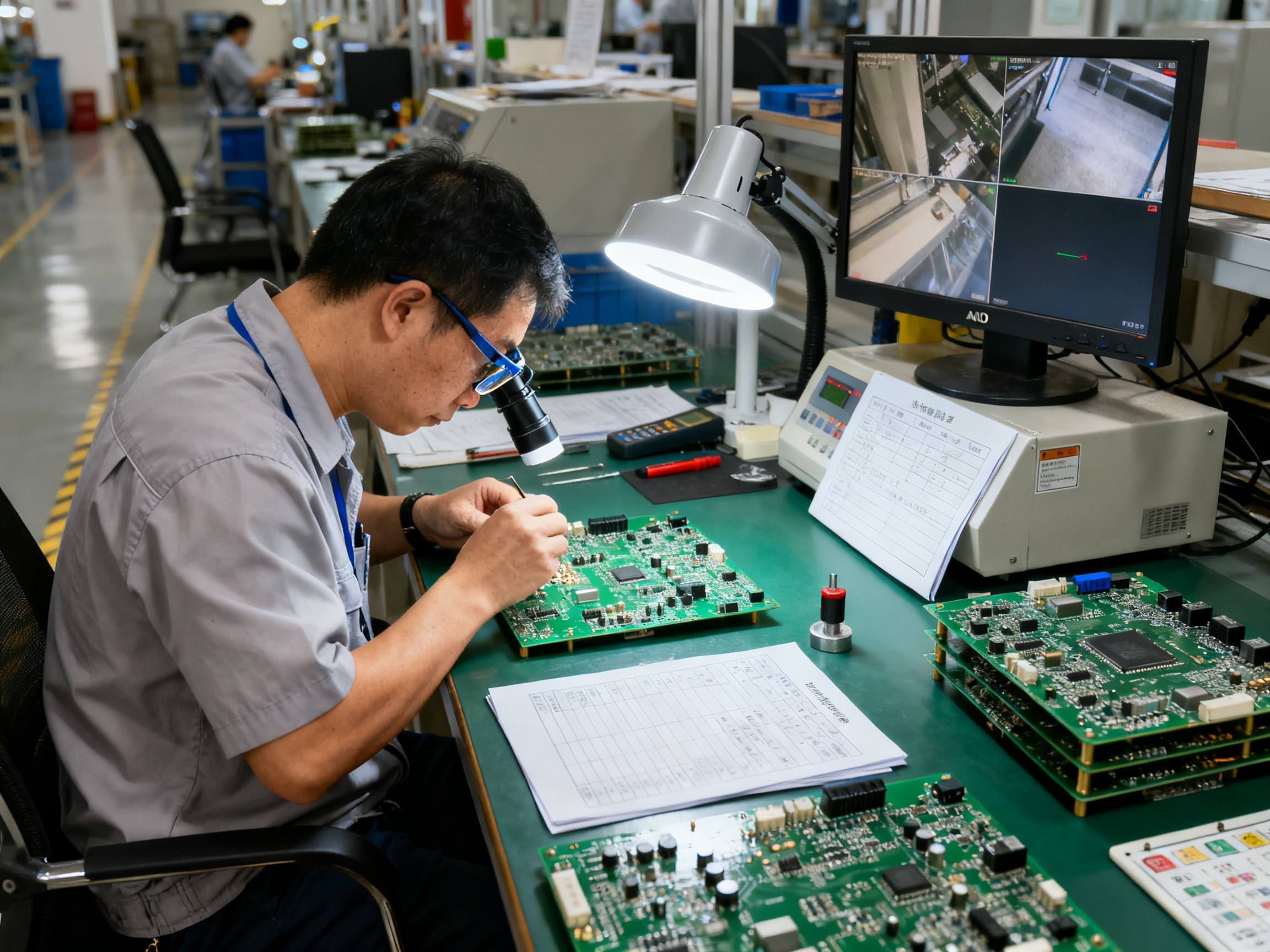
Never skip the inspection phase, even when you’re confident in your setup. Automated optical inspection (AOI) cameras integrated with modern selective soldering systems catch most issues automatically. But here’s a tip that took us a while to learn: check your flux application first. Uneven flux coverage predicts solder problems better than almost anything else.
Run a test board with thermal imaging during your first setup with any new board design. You’re looking for hot spots or uneven heating that might indicate problems with your preheat profile. Catch this before production starts, not after you’ve got a hundred boards with cold joints.
Keeping Your Equipment Running Strong
Maintenance matters more than most operators realize. Clean your nozzles after every shift, not just when they look dirty. Oxidation buildup happens fast and affects solder flow before you can see it. Check nozzle alignment weekly, especially if your machine runs high volumes. Misaligned nozzles cause exactly the overflow problems you’re trying to avoid.
Schedule monthly calibration checks on your temperature sensors. Drift happens gradually, and you won’t notice until your joint quality starts suffering. S&M Co. Ltd. systems include diagnostic tools that flag calibration drift automatically, which saves a ton of headaches in 2026.
Quick Checklist for Setup Success:
- Verify nozzle alignment before each run
- Confirm flux spray pattern with test paper
- Run thermal profile check on first board of the day
- Log all parameters for traceability
- Clean and inspect nozzles after completing production run
The machines themselves need love too. Lubricate moving parts on schedule, replace wear items before they fail, and keep the solder bath composition tested. A well-maintained machine produces consistent results. A neglected one produces headaches.## Common Troubleshooting Issues in the Selective Soldering Process
Every operator hits snags eventually. The good news is that most selective soldering problems fall into a handful of categories, and once you know what to look for, they’re actually pretty straightforward to fix.
Bridging Between Joints
Bridging happens when solder connects two adjacent pads that should stay separate. It creates short circuits, and those boards are dead on arrival.
The usual suspects are too much solder, incorrect nozzle height, or a wave height that’s set too high. We’ve seen this spike happen after更换 nozlies without recalibrating the wave height. Sounds obvious, but in a busy production day, it’s easy to skip that step.
The fix involves checking your solder volume settings first. Most systems let you fine-tune the exact amount dispensed per joint. Then verify your nozzle positioning. If the gap between nozzle and board isn’t consistent, you’ll get inconsistent solder distribution.
Flux Residue Problems
Flux residue left behind after soldering looks ugly and can actually conduct electricity if the formulation isn’t right. More importantly, it eats into long-term reliability, which matters big time in aerospace and automotive work.
Flux residue usually traces back to either too much flux being sprayed or insufficient preheating. When flux doesn’t fully activate during the preheat stage, it stays sticky and leaves deposits.
Check your spray nozzle for clogs. Even partial blockages cause uneven coverage. We had this happen last month where one side of the board kept coming out with extra residue. Turned out the spray nozzle had a tiny obstruction that wasn’t obvious until we ran test paper through it.
Pro Insight: For uneven solder flow and residue issues, try adjusting your preheat temperature in 5-degree increments. Flux activation is temperature-sensitive, and small tweaks often solve problems without changing anything else. Also, switching to a no-clean flux eliminates the need for post-soldering cleaning entirely, which saves time and reduces handling damage.
Uneven Solder Flow
When some joints look perfect and others look starved or oxidized, you’re dealing with uneven solder flow. This usually means your solder bath temperature isn’t stable or there’s variation in how different areas of the board conduct heat.
Start by checking your thermocouple readings. If the solder temperature fluctuates more than 5 degrees Celsius during production, that’s your culprit. Temperature instability usually indicates either a faulty heating element or insufficient thermal mass in your solder pot.
Board support matters here too. If your fixture doesn’t hold the board flat, some joints sit closer to the wave than others. Warped boards cause exactly this kind of inconsistent results.
Equipment Calibration Drift
Here’s one that creeps up on you. Over weeks of production, small drifts happen. Nozzle positions shift slightly, temperature sensors drift, and spray patterns change as nozzles wear. You might not notice until your defect rate slowly climbs and nobody catches it.
The solution is simple. Build calibration checks into your regular maintenance schedule. S&M Co. Ltd. equipment includes diagnostic routines that flag parameter drift automatically, which is honestly a lifesaver when you’re running multiple board types.
Keep logs of your setup parameters too. When a problem does pop up, having baseline data from when things were working correctly makes troubleshooting way faster. Compare current settings against your known-good configuration and you can usually pinpoint exactly what shifted.
Process parameters aren’t set-and-forget. Fine-tuning based on production feedback keeps your output quality consistent, especially as board designs evolve and component tolerances change. In 2026, with boards getting denser every quarter, staying on top of these adjustments separates smooth operations from constant firefighting.## When to Opt for Selective Soldering: Applications and Industry Use Cases
So when does selective soldering actually become the obvious choice? Let’s look at where this technology really shines in 2026.
Aerospace and Defense
The aerospace industry was among the first to adopt selective soldering, and for good reason. avionics systems run on complex circuit boards with tight thermal budgets and zero tolerance for failure. When a flight control system depends on reliable joints, you can’t afford collateral damage from a solder wave. Selective soldering lets aerospace manufacturers work with advanced components like BGAs and QFNs without compromising reliability. Military electronics face similar demands, which is why defense contractors have been running selective systems for over a decade now.
Telecommunications Infrastructure
5G rollout has created massive demand for base station equipment and network hardware. These assemblies pack serious power into compact enclosures, mixing through-hole connectors with surface-mount logic. Traditional wave soldering risks damaging the sensitive RF components nearby. Selective soldering handles the connector pins precisely while leaving the expensive electronics untouched.
Consumer Electronics and Smartphones
Here’s where selective soldering has become essential. Modern smartphones contain dozens of through-hole components for connectors, cameras, and antennas, all sitting alongside heat-sensitive processors and memory chips. During assembly, selective soldering mounts those connectors without disturbing the rest of the board. Without this precision, smartphone manufacturers would face reject rates that would blow up their quality budgets.
Automotive Electronics
Modern vehicles contain more computing power than early spacecraft. Dashboard displays, ADAS sensors, and engine control units all require reliable through-hole soldering on increasingly complex boards. Automotive quality standards demand near-zero defect rates, and selective soldering delivers the consistency those specifications require.
The common thread across all these industries is simple: when your board mixes technologies and your components can’t handle full thermal exposure, selective soldering stops being optional and starts being the only real choice. S&M Co. Ltd. equipment supports manufacturers in each of these sectors, providing the precision control that modern assemblies demand.
Scenarios Where Selective Soldering Wins
You’ll want this process when your boards have any of these characteristics: mixed SMD and through-hole layouts, heat-sensitive packages positioned near connector pins, high-reliability requirements, or frequent product changeovers requiring flexible programming. Basically, anywhere traditional wave soldering creates more problems than it solves.## Conclusion: Future Trends and Recommendations
Selective soldering has evolved from a niche capability into an essential process for anyone manufacturing complex electronics. The benefits we’ve covered throughout this article add up to a simple message: precision pays.
When you master selective soldering, you get fewer defects hitting your quality station, less rework eating into your margins, and components that stay intact instead of getting damaged by excessive heat exposure. For manufacturers running mixed-technology boards with BGAs, QFNs, and through-hole connectors all sharing the same substrate, this technology solves problems that wave soldering simply can’t touch.
So what does the future look like? Here’s where things are heading in 2026 and beyond. Automation and AI are starting to appear in soldering systems, with smart sensors monitoring joint quality in real-time and flagging problems before boards leave the machine. Industry 4.0 connectivity means your selective soldering equipment can share data with your MES system, enabling predictive analytics that catch process drift before it creates defects.
Lead-free solder optimization keeps improving too. With environmental regulations tightening globally, machines that handle lead-free alloys reliably will become the standard rather than the exception. Multi-pot modules that let you switch between different solder compositions without retooling are already appearing on newer systems.
Expert Tip: If you’re considering selective soldering, start with your most complex board design first. Get that one running smoothly, document the defect reduction and rework savings, and use those numbers to build your case for expanding to other product lines. The ROI data makes the decision much easier.
S&M Co. Ltd. helps manufacturers make this transition with equipment that balances precision capability with practical usability. Their SMT production lines and wave soldering systems support selective soldering workflows, which means you can phase this technology into existing operations without ripping everything out and starting over.
Here’s my take on next steps. If your production involves complex assemblies and you’re still running everything through traditional wave soldering, you’re probably seeing higher reject rates and more rework than necessary. That stuff adds up fast. Getting a selective soldering capability, even for a pilot line, gives you real data on what the technology could do for your specific products.
The manufacturers who figured this out early are already ahead. But there’s still plenty of room for everyone else to catch up. The equipment works. The processes are proven. And the results speak for themselves in lower defect rates and happier customers.