
Published: 26 May 2026
Reading Time: 15 minutes
Reviewer: Jace Liu, SMT Process Expert
Introduction to SMT Reflow Oven Temperature Profiles
Ever wondered why some circuit boards come out perfect while others have cold joints or warped components? The answer usually comes down to one thing: how heat is applied during manufacturing. That’s where SMT reflow oven temperature profiles become a big deal.
A temperature profile is basically a roadmap showing exactly how hot your PCB assembly gets and when. It’s the controlled temperature-vs-time curve that your board follows as it moves through a reflow oven. Think of it like baking a cake, except instead of one temperature setting, you’re adjusting heat in stages. The profile tells the oven how fast to heat the board, how long to hold it at certain temperatures, and how quickly to cool it down when finished.
Why does this matter so much? Because getting the temperature right means solder paste melts properly and forms solid joints. Get it wrong and you’re looking at defects like tombstoning, solder bridges, or components that just won’t sit right on the board. Nobody wants that.
The typical profile breaks into four stages. First comes preheat, where the board warms up slowly so nothing cracks from thermal shock. Then there’s the soak stage, where temperatures level off and flux does its job removing oxides from metal surfaces. After that comes the actual reflow, where solder melts and bonds form. Finally, cooling brings everything back down at a controlled pace.
These profiles show up everywhere in electronics manufacturing today. Consumer electronics makers rely on them for smartphones and tablets. Companies doing PCB prototyping use them to test new designs. Industries building aerospace and medical equipment depend on consistent profiles for reliability. Even manufacturers switching to lead-free solder need precise control because lead-free materials behave differently at higher temperatures.
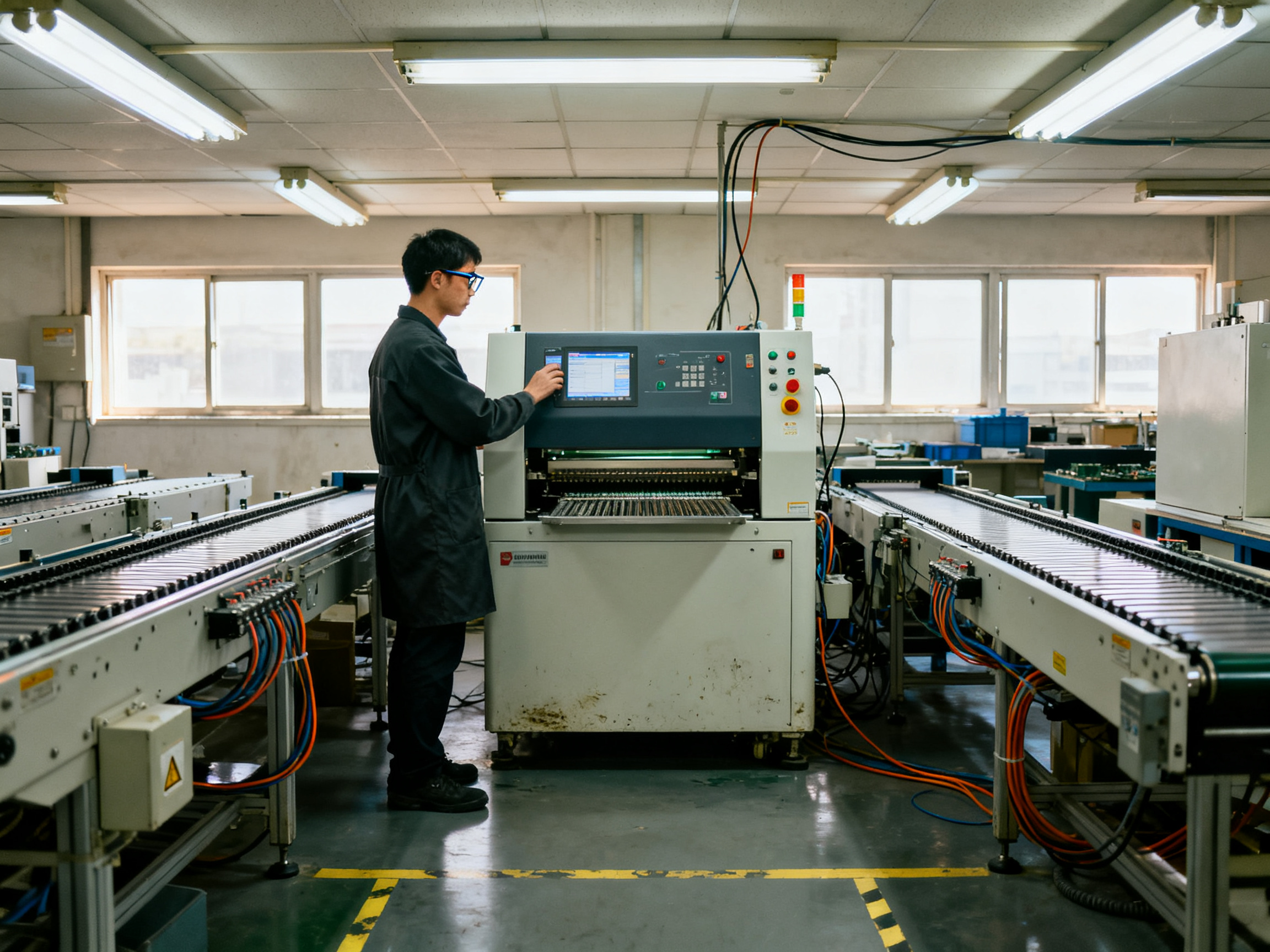
Here’s the thing though. You can have the best reflow oven on the market, but if the temperature profile isn’t dialed in correctly, you’re fighting an uphill battle. That’s why understanding these profiles matters for anyone working in electronics assembly.
Jace Liu is a seasoned expert in Surface Mount Technology, specializing in optimizing reflow processes for efficiency and quality. With extensive experience working with top-tier electronics manufacturers, he brings valuable insights into advanced SMT practices.
Key Components of SMT Reflow Oven Temperature Profiles
Every solid reflow profile breaks down into four main stages. Each one matters, and skipping steps usually leads to problems you don’t want to explain to customers.
Preheat Stage
This first step warms your board gradually. Starting around room temperature, the oven slowly brings things up to about 150°C. You want to avoid thermal shock here, which means keeping the ramp rate gentle. Too fast and components can crack or fail.
Most preheat stages target a rate between 0.5 and 2°C per second. The exact speed depends on your board thickness and component density.
Soak Stage
After preheat comes the soak, where temperatures level off and flux goes to work removing oxides from metal surfaces. This step preps everything so solder melts cleanly later.
Here’s where a lot of people run into trouble. Not enough soak time creates uneven heating across the board, and that’s when defects start showing up. You typically want 60 to 120 seconds in this zone, between 150°C and 200°C depending on what paste you’re using.
Reflow Stage
Peak temperature happens here. Solder melts and forms joints. The critical measurement is time above liquidus, which is how long the solder stays molten. This usually runs 30 to 90 seconds, and the peak temperature typically hits 230 to 250°C for standard leaded solder or 245 to 260°C for lead-free.
Cooling Stage
The board exits the hot zone and cools down. Controlled cooling prevents stress cracks in solder joints. Most manufacturers aim for 2 to 4°C per second cooling rates. Too fast creates mechanical stress. Too slow can cause grain issues in the solder.
Expert Tip: Most profile problems trace back to soak issues. If you see voids or incomplete joints, extend your soak time first before touching other settings. It’s usually the quickest fix.
| Stage | Ideal Profile | Common Issues |
|——-|—————|—————-|
| Preheat | 0.5-2°C/sec ramp rate | Thermal shock, cracked components |
| Soak | 60-120 seconds at target temp | Uneven heating, cold joints |
| Reflow | 30-90 sec above liquidus | Lifted pads, heat damage |
| Cooling | 2-4°C/sec controlled rate | Stress cracks, weak joints |
The four stages work together like a team. When one stage isn’t dialed in, it throws off everything that follows. Get the foundation right and the rest falls into place much easier.
Setting Up Optimal Reflow Recipes for SMT Ovens
Creating a solid reflow recipe isn’t just about plugging numbers into a machine. You need to think about what you’re actually running through the oven.
Know Your Components First
Before touching any settings, look at what you’ve got on the board. Component materials matter big time. Plastic packages like QFPs and BGAs have different heat tolerances than ceramic parts. Large connectors and battery holders might need slower ramp rates because they hold heat differently. Dense boards with components packed close together heat unevenly compared to sparse layouts.
We once spent three hours chasing voids on a board full of QFN packages. Turns out the thermal mass differences between the QFNs and nearby chip resistors were creating hot spots. The fix wasn’t in the profile settings at all, it was repositioning certain components during layout.
Environmental Factors That Mess With Profiles
Your factory floor conditions play a bigger role than most people realize. Summer humidity affects solder paste behavior. Cold warehouses make components brittle. Altitude changes how heat transfers. A recipe that works perfectly in Shenzhen in January might need tweaking by July.
Also think about your oven’s actual environment. Forced air ovens behave differently than nitrogen inerted systems. Convection ovens vs. vapor phase each need their own approaches.
Step-by-Step Recipe Setup
Here’s how to actually build a profile that works:
-
Start with paste manufacturer specs – they usually provide a suggested window for peak temp and time above liquidus. Don’t ignore this.
-
Identify your thermal bottlenecks – the most sensitive component or the one with the highest thermal mass sets your constraints.
-
Set preheat ramp – keep it under 2°C/sec to avoid thermal shock on smaller components.
-
Dial in soak time – 60 to 120 seconds usually works, but dense boards might need longer.
-
Set peak temperature – typically 20 to 25°C above your paste melting point.
-
Adjust cooling rate – aim for 2 to 4°C/sec descent.
-
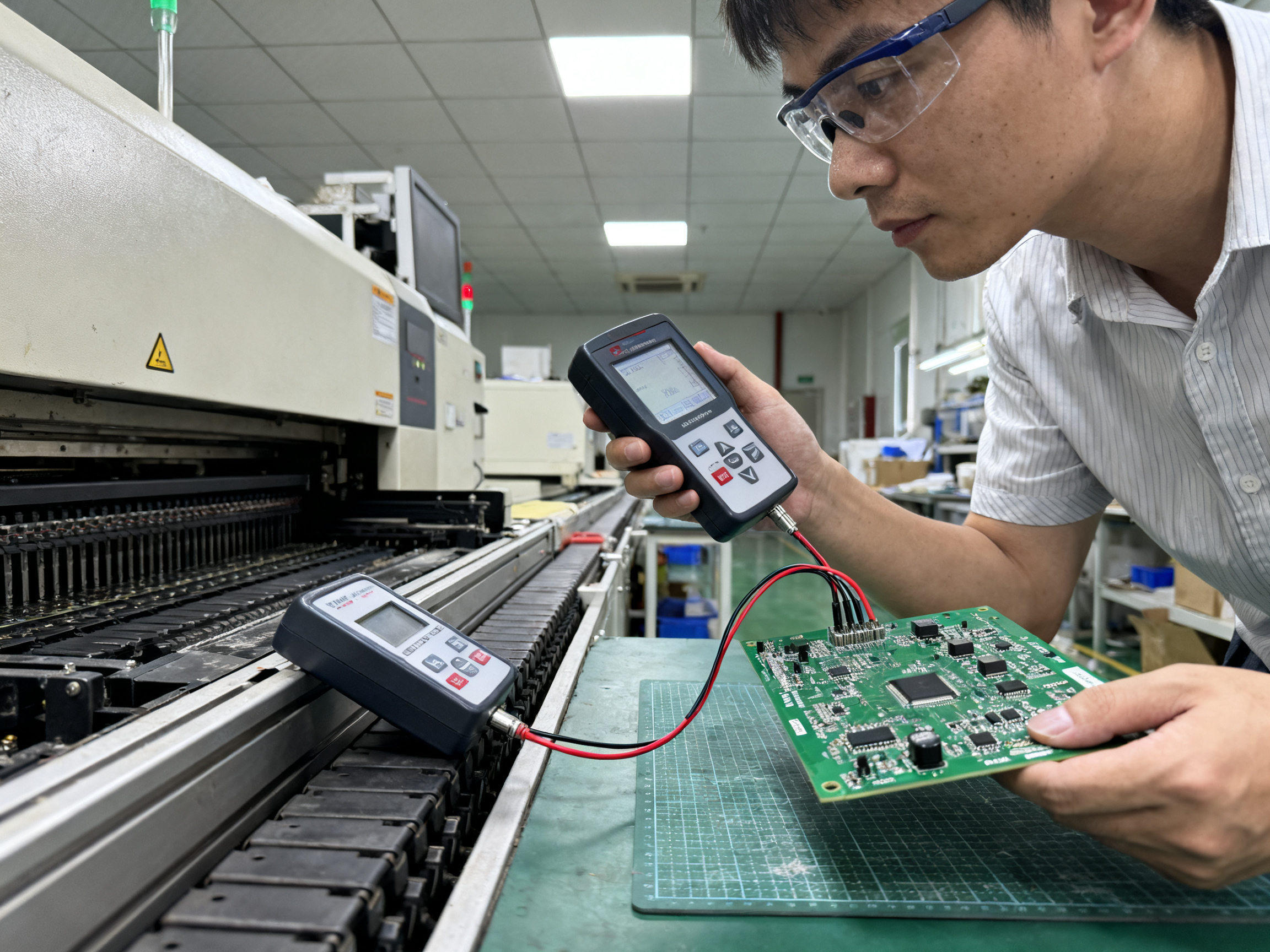
Run a test board with thermocouples – never trust calculated profiles alone.
-
Check results and iterate – look for wetting, joint fillet shape, and any component damage.
The first profile you create will probably need three to five adjustments before it’s production-ready. That’s normal. Keep notes on what you changed and why so future setups go faster.
Understanding and Controlling Ramp Rates in SMT Reflow
Ramp rates sound technical, but they’re really just about how fast your board heats up or cools down at any given moment. You measure them in degrees Celsius per second, and they play a huge role in whether your solder joints turn out right.
Why Ramp Rates Matter So Much
Here’s the deal. Different parts of your board heat up at different speeds. Large BGAs hold heat differently than tiny 0201 resistors. If your oven heats too fast, those temperature differences create stress. The result? Cracked joints, warped boards, or components that shift out of position during reflow.
Too slow isn’t great either. Extended time at lower temperatures can cause excessive oxidation, which makes solder wetting problems worse. Finding the sweet spot keeps everything moving at a pace your components can handle.
The Two Critical Ramp Zones
The first critical ramp happens during preheat, from room temperature up to about 150°C. You want this gentle, usually under 2°C per second. This lets the board and components warm up together without thermal shock.
The second critical ramp is cooling. After peak temperature, controlled descent prevents thermal stress in solidified joints. Most manufacturers target 2 to 4°C per second here. Let it drop too fast and you’re asking for cracks.
Pro Insight: If you’re getting consistent void issues, try slowing your preheat ramp by 0.3°C/sec increments. Sometimes a slightly gentler start eliminates problems that higher soak temperatures never fix.
Practical Tips for Getting Rates Right
Start by checking your paste datasheet. Most manufacturers specify maximum ramp rates, usually between 1 and 3°C per second for preheat. Follow those guidelines first.
Then look at your board. Dense assemblies with mixed component sizes need slower ramps than simple boards with uniform parts. A board with heavy connectors and tiny chips needs more care than one with medium-sized components throughout.
When dialing in your reflow oven, make small changes. Bump your ramp rate up or down by 0.2°C per second and run test boards. Track what happens to your defect rate. Most operators find their optimal window after three or four iterations.
Also remember that forced air ovens and nitrogen environments behave differently. If you’re running the same profile on both, expect differences. Shenzhen Chuxin Electronic Equipment Co., Ltd. builds ovens with adjustable fan speeds, which helps fine-tune ramp rates without changing your entire recipe.
Temperature uniformity across your board matters just as much as the overall ramp rate. Hot spots create localized stress that shows up as failures weeks or months later.
Process Control Strategies for Reflow Ovens
Here’s something a lot of manufacturers overlook. They spend big money on top-tier reflow ovens, dial in what seems like a perfect profile, and still end up with batches that don’t meet standards. The missing piece? Process control. Without solid systems watching over your reflow operation, you’re basically flying blind.
The Methods That Actually Work
Modern reflow ovens come packed with control features, but using them effectively requires more than just turning them on. Closed-loop temperature control is one of the biggest improvements in SMT manufacturing over the past decade. These systems use thermocouples placed strategically throughout the oven chamber to constantly measure actual temperatures, not just setpoints. When the system detects drift, it auto-adjusts heating elements in real time.
Adaptive profiling takes things further. Some of the newer ovens in 2026 can sense changes in thermal load based on conveyor speed variations or ambient temperature shifts and tweak the profile automatically. Shenzhen Chuxin Electronic Equipment Co., Ltd. builds ovens with this kind of smart control, which helps maintain consistency even when production conditions fluctuate.
Statistical Process Control (SPC) gives you the data side of things. Instead of waiting for defects to show up on finished boards, SPC tracks key measurements during production. Temperature deviations, conveyor belt variations, and heater element performance all get logged and analyzed. When something starts trending wrong, you catch it before it becomes a real problem.
Real-Time Data Analytics Change Everything
Let me be direct about this. Guessing what’s causing your defect issues is a huge waste of time and money. Real-time analytics removes the guesswork entirely.
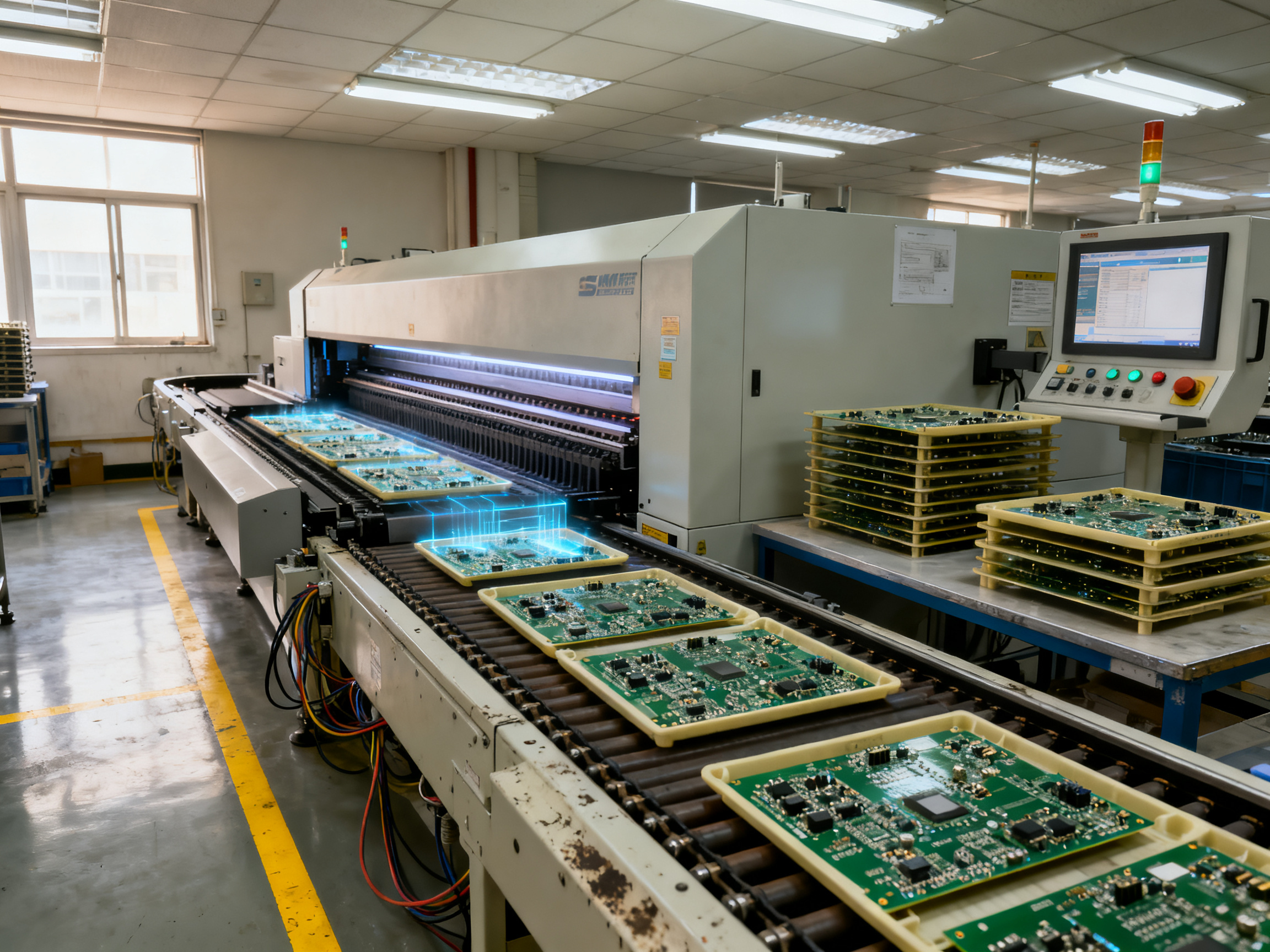
Modern reflow systems generate tons of data during every cycle. Temperature readings, dwell times, ramp rates, all of it gets recorded. The value comes from analyzing this data to spot patterns you’d never notice otherwise. Maybe your morning shifts run slightly hotter than afternoon shifts. Perhaps certain board configurations consistently produce voids. Data tells you these things instead of making you hunt for them.
Cloud-based monitoring platforms have made this even more accessible. You can check oven performance from anywhere, which helps when you’re managing multiple production lines or facilities.
A Real Example
Last year, a client running automotive electronics was seeing about 2% defect rates on their control modules. Not terrible, but not great either. They were using manual profiling with periodic thermocouple checks. We helped them implement continuous monitoring with automated alerts tied to SPC limits.
Within two weeks, the system flagged that their cooling zone was running 3 degrees Celsius below spec during the first hour of each shift. Turns out, the morning startup procedure wasn’t allowing enough warmup time. They adjusted their workflow and the defect rate dropped to under 0.5%. The fix took 20 minutes to implement once the data showed where the problem was.
That’s the power of good process control. You stop reacting to problems and start preventing them before they happen.
What You Should Monitor
If you’re not tracking these basics, start there. Peak temperature deviation across your thermocouple array should stay within plus or minus 5 degrees Celsius. Time above liquidus needs consistency within 10 seconds between runs. Conveyor belt speed variations matter because they directly affect soak and reflow times. Heater element performance degrades over time, so monitoring wattage draw helps you plan maintenance before failures occur.
Process control for SMT reflow ovens isn’t optional anymore, not with the precision requirements we see in 2026. Consumer electronics, automotive components, medical devices, they all demand tighter tolerances than even five years ago. The manufacturers staying competitive are the ones treating their ovens as intelligent systems, not just heating chambers.
Good process control means fewer callbacks, happier customers, and actually hitting your production targets. That’s worth the investment.
Case Studies: Achieving Precision with SMT Reflow Ovens
Real-world examples help show why getting your temperature profile right matters so much.
Consumer Electronics Success Story
A smartphone manufacturer in Guangdong was dealing with void rates above 3% on their BGA packages. This meant rejected boards and wasted money. The culprit? Their preheat ramp was too aggressive for the thermal mass differences between BGAs and nearby chip components.
They switched to a gentler preheat approach, dropping the ramp rate from 2.5°C per second down to 1.5°C per second. They also extended their soak time from 60 seconds to 90 seconds. Void rates dropped to under 0.5% within two weeks. The fix cost them nothing extra in materials, just better profile settings.
Lead-Free Transition Challenge
A medical device company faced a similar situation when new regulations forced them away from traditional solders. Lead-free materials behave differently at higher temperatures, which creates challenges if your profile was built around lead-based pastes.
Working with their equipment supplier, they developed a specialized lead-free profile tuned for medical-grade reliability. Peak temperatures went from 235°C up to around 252°C. They also had to slow down their ramp rates to protect sensitive components.
From Our Experience: Switching to lead-free isn’t just about increasing heat. We had to completely rethink our ramp rates, soak times, and cooling strategies when working with newer paste formulations. The investment in profile development paid for itself within four months through reduced defects and scrap.
Their rejection rate on medical boards dropped by 80% compared to their initial lead-free attempts. That translated to roughly $120,000 in annual savings from less scrap and rework.
Aerospace Assembly Precision
An aerospace contractor building flight control modules faced the strictest requirements of all. Zero defects. Complete consistency. Every single board.
They partnered with Shenzhen Chuxin Electronic Equipment Co., Ltd. to implement a smart reflow oven system with closed-loop control and continuous monitoring. Every board now goes through full thermocouple verification, with the system automatically adjusting for ambient temperature changes throughout the day.
The results spoke for themselves. Defects dropped from 1.2% to below 0.1%. They achieved AS9100D certification, which opened doors to bigger aerospace contracts worth millions. Profile precision directly drove business growth here.
These case studies show a common thread. The oven matters, sure. But the profile running on that oven matters more. Fine-tuning temperature settings based on your specific components and production environment delivers real, measurable improvements.
Future Trends in SMT Reflow Oven Technologies
The reflow oven landscape is shifting faster than most people realize. If you think the technology plateaued, think again. Several emerging trends are poised to reshape how we approach temperature profiling in electronics manufacturing.
AI and Machine Learning Take Over Profile Optimization
Here’s where things get interesting. Artificial intelligence is starting to show up in reflow oven control systems, and it’s not just marketing hype. AI algorithms can now analyze thousands of production cycles and identify optimal profile adjustments that human engineers might miss. These systems learn from each run, continuously refining the process without manual intervention.
Some manufacturers are already testing ovens that automatically generate profiles based on board design files. Upload your Gerber data, and the system suggests starting points based on component datasheets and paste specifications. It won’t replace expertise, but it cuts out hours of trial and error.
Shenzhen Chuxin Electronic Equipment Co., Ltd. has been investing heavily in smart control systems for their newer oven models. Their latest releases include predictive maintenance alerts and adaptive profiles that adjust for real-time environmental conditions.
Environmental Pressures Driving Change
Regulations around energy consumption and emissions are pushing oven manufacturers toward more efficient designs. Forced air systems that recirculate heat, better insulation materials, and smarter heating element placement all contribute to lower power usage per board.
Water-cooled condensation systems are replacing traditional air-cooled approaches in high-volume facilities. They use less energy and provide tighter temperature control, though the upfront costs remain significant.
The move toward carbon-neutral manufacturing facilities is creating demand for ovens that work with renewable energy sources and operate with minimal waste heat.
What This Means for Your Production Line
Manufacturers upgrading equipment in 2026 should look for ovens with connectivity features built in. The ability to integrate with factory MES systems, share data in real time, and receive over-the-air updates will become standard expectations rather than premium features.
Also watch for advances in heating technology itself. Induction heating and vapor phase systems are becoming more affordable, offering temperature uniformity that’s hard to match with conventional forced air.
The future of SMT reflow isn’t about bigger ovens or hotter elements. It’s about intelligence, precision, and sustainability working together.
Conclusion: Mastering SMT Reflow Oven Temperature Profiles
Let’s bring this all together. Getting your SMT reflow oven temperature profiles right comes down to understanding four key stages: preheat, soak, reflow, and cooling. Each one plays a role in whether your solder joints turn out reliable or end up causing problems down the road.
The strategies that actually work are pretty straightforward when you break them down. Start with your paste manufacturer specs, then build your profile around your most sensitive components. Run test boards with thermocouples, track your results, and adjust in small increments. If something’s not working, the data will tell you what to fix.
Process control matters more than most people realize. Closed-loop systems, real-time monitoring, and SPC data help you catch problems before they become expensive mistakes. We see manufacturers making huge gains just by paying attention to what their ovens are actually doing, not just what the displays say.
Looking ahead, AI-driven profile optimization is going to become standard in the coming years. Smart ovens that automatically adjust for environmental changes and component variations are already hitting the market. Energy efficiency and sustainability pressures will push manufacturers toward more intelligent heating systems too.
Here’s my take on staying competitive in 2026 and beyond. Your reflow oven is an investment, sure. But the real value comes from knowing how to use it properly. That means trained operators, consistent procedures, and a commitment to continuous improvement. The manufacturers pulling ahead are the ones treating temperature profiling as a core skill, not an afterthought.
Start small if you need to. Pick one board configuration, nail the profile, document everything, and build from there. You’ve got this.

Quick Reference: SMT Reflow Profile Best Practices
| Parameter | Recommended Range | Key Notes |
|———–|——————-|————|
| Preheat Ramp | 0.5 to 2°C/sec | Avoid thermal shock |
| Soak Time | 60 to 120 seconds | Ensures even heating |
| Time Above Liquidus | 30 to 90 seconds | Critical for solder flow |
| Peak Temp (Leaded) | 230 to 250°C | Follow paste specs |
| Peak Temp (Lead-Free) | 245 to 260°C | Higher than leaded |
| Cooling Rate | 2 to 4°C/sec | Prevents stress cracks |