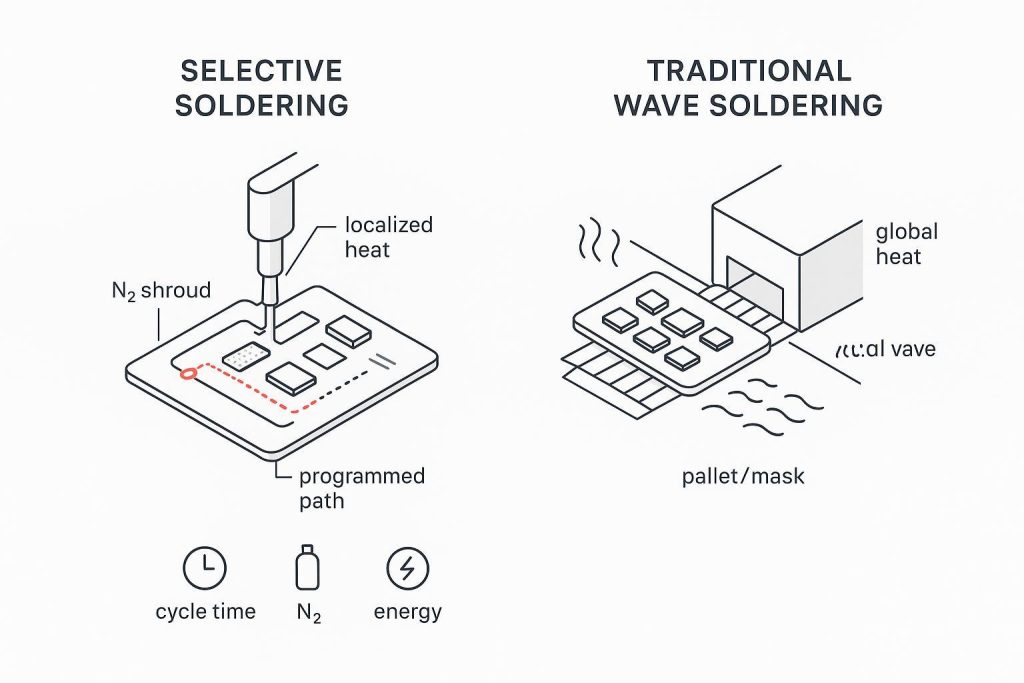
Selective Soldering vs Wave Soldering: How to Choose in 2026
Compare selective soldering vs wave soldering for mid‑volume PCBs—throughput, changeover, thermal impact, nitrogen/energy use, and TCO to help you choose.

Compare selective soldering vs wave soldering for mid‑volume PCBs—throughput, changeover, thermal impact, nitrogen/energy use, and TCO to help you choose.

SMT engineers assess selective wave soldering lead time by reviewing machine configuration, supplier reliability, and supply chain risks for timely delivery.
Selective wave soldering offers precise, reliable joints and less waste, but requires higher initial investment and careful setup.
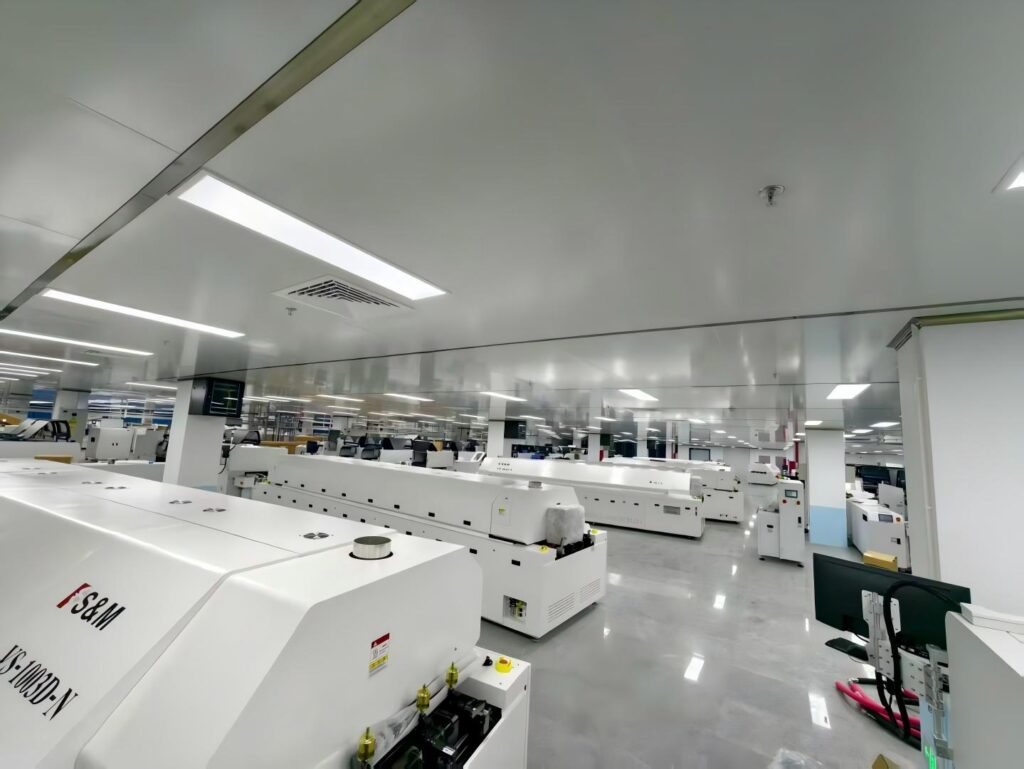
Reflow Oven vs Wave Soldering: Compare methods for SMT lines, component compatibility, cost, and production needs to choose the best fit for your PCB assembly.
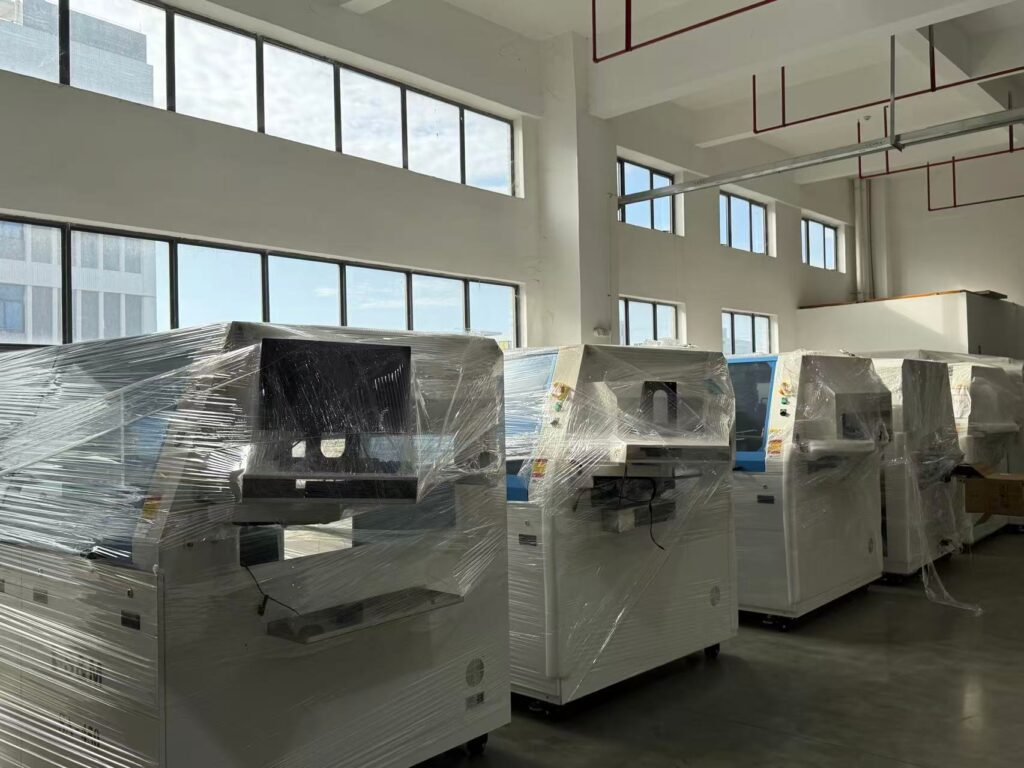
Reduce solder bridging in wave soldering by optimizing PCB design, process control, flux type, and equipment maintenance for reliable results.
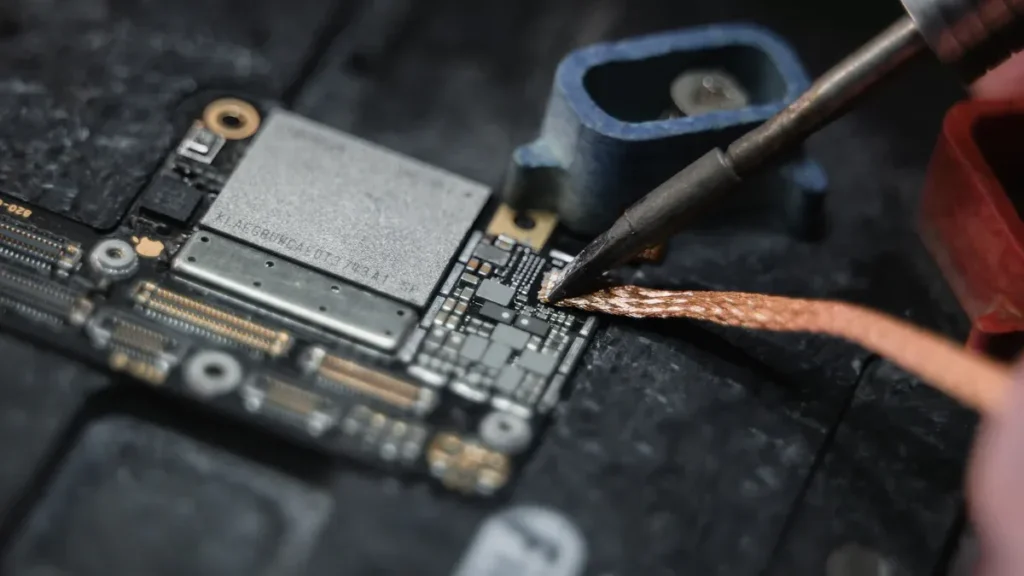
Wave Soldering Equipment often faces issues like temperature instability, solder defects, and contamination. Find practical solutions to boost reliability.
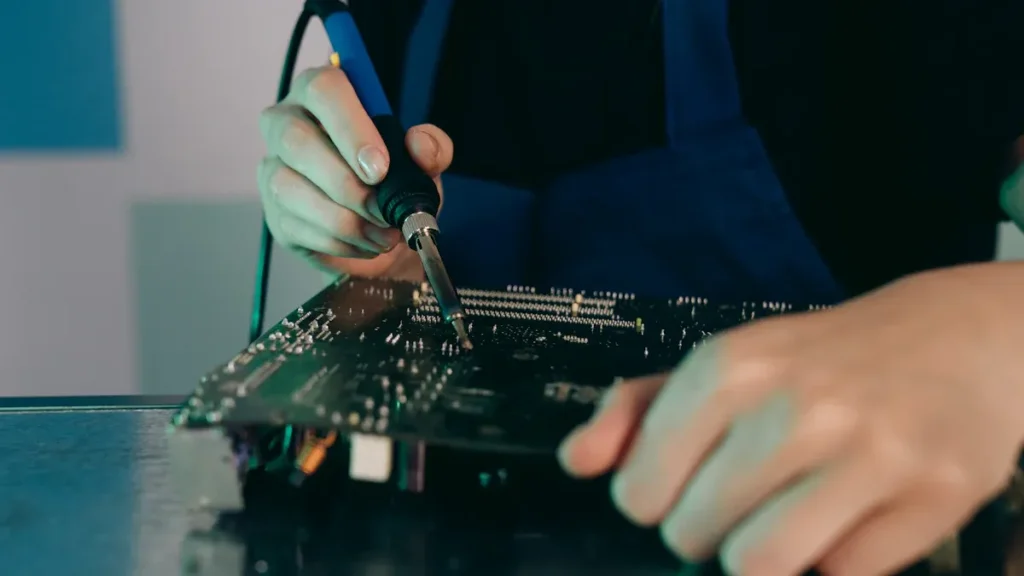
Compare Wave Soldering and Selective Soldering for PCB assembly. Find out which method suits your board’s complexity, production volume, and quality needs.
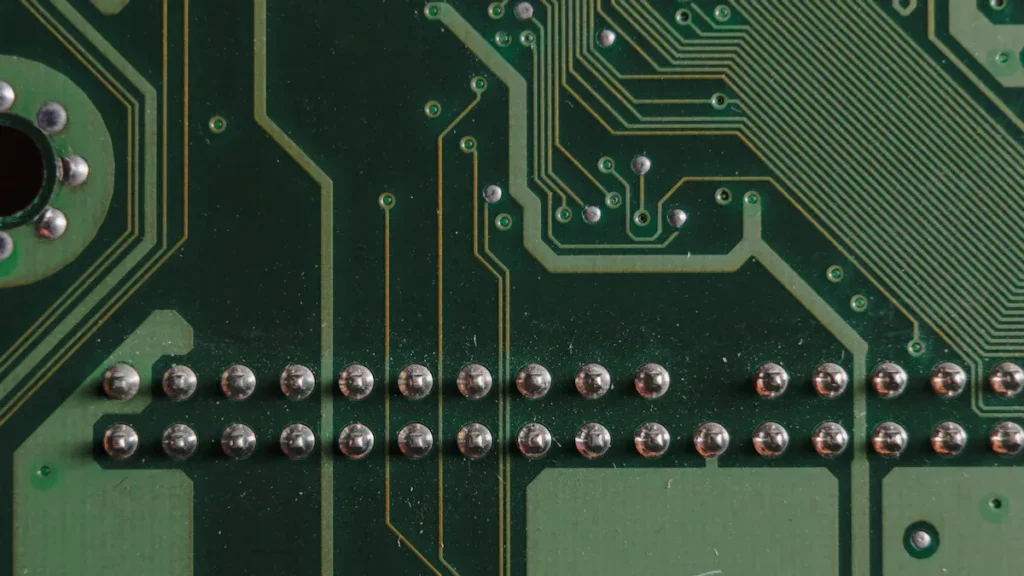
Solve solder bridging in wave soldering by adjusting wave height, flux, and design to prevent unwanted connections and improve PCB yield.
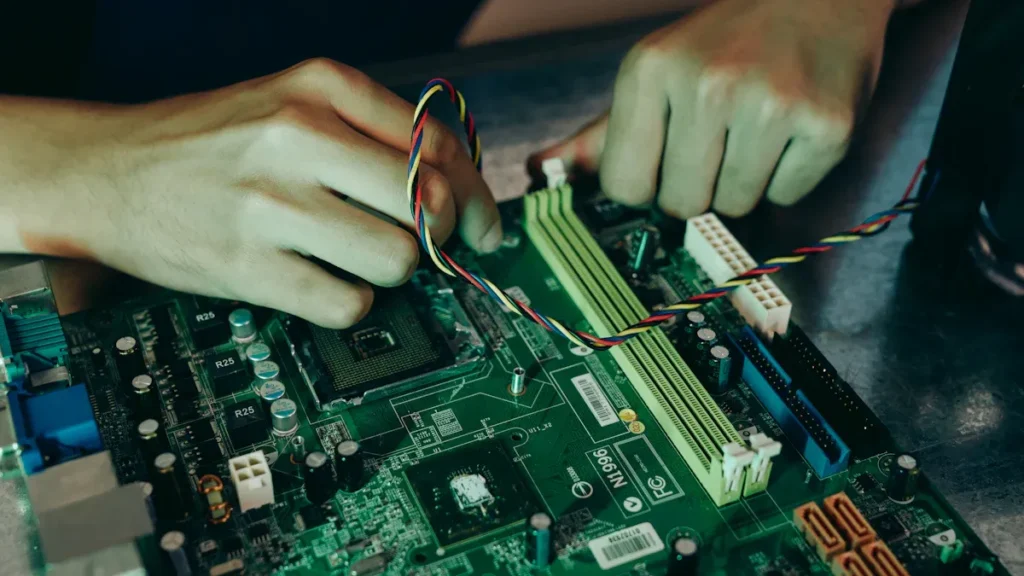
Minimize thermal stress in selective wave soldering by optimizing preheating, temperature control, and dwell time for reliable PCB assembly.
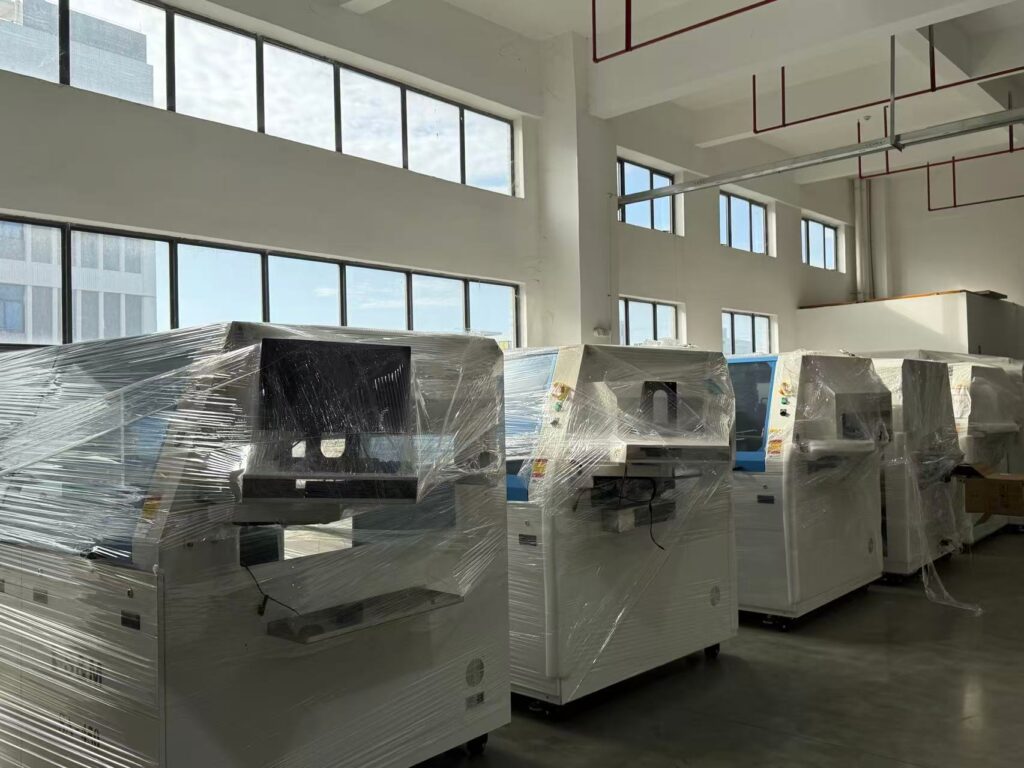
Wave machines create controlled waves for recreation, energy, and manufacturing, offering safety, efficiency, and year-round accessibility.