


Differences Between SMT Reflow and Wave Soldering
SMT reflow soldering uses solder paste for surface-mount parts, while wave soldering suits through-hole components. Compare methods for PCB assembly.
SMT reflow soldering uses solder paste for surface-mount parts, while wave soldering suits through-hole components. Compare methods for PCB assembly.

Optimizing reflow soldering cooling systems ensures strong solder joints, prevents defects, and boosts PCB reliability with controlled cooling methods.

Identify common Reflow Soldering failures like tombstoning and solder bridging, plus troubleshooting tips to improve PCB quality and reduce defects.

Development history of reflow ovens highlights key innovations, energy efficiency, and future trends shaping electronics manufacturing.

Nitrogen usage in reflow ovens typically ranges from 18–30 m³/hr, maintaining low oxygen levels to reduce oxidation and improve solder joint quality.

Wave soldering suits high-volume through-hole boards, while reflow excels with complex, high-density SMT designs. Choose based on your production needs.
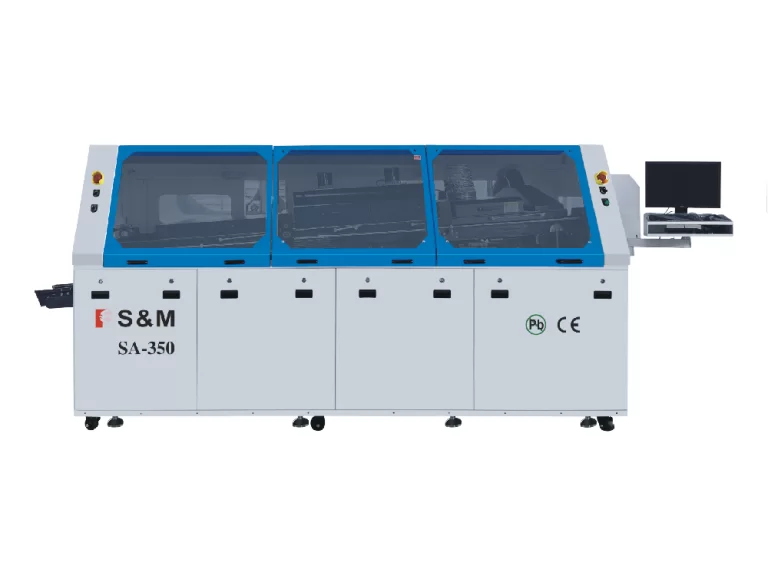
Select the ideal wave soldering machine by evaluating PCB size, production volume, component types, and automation needs for your assembly line.
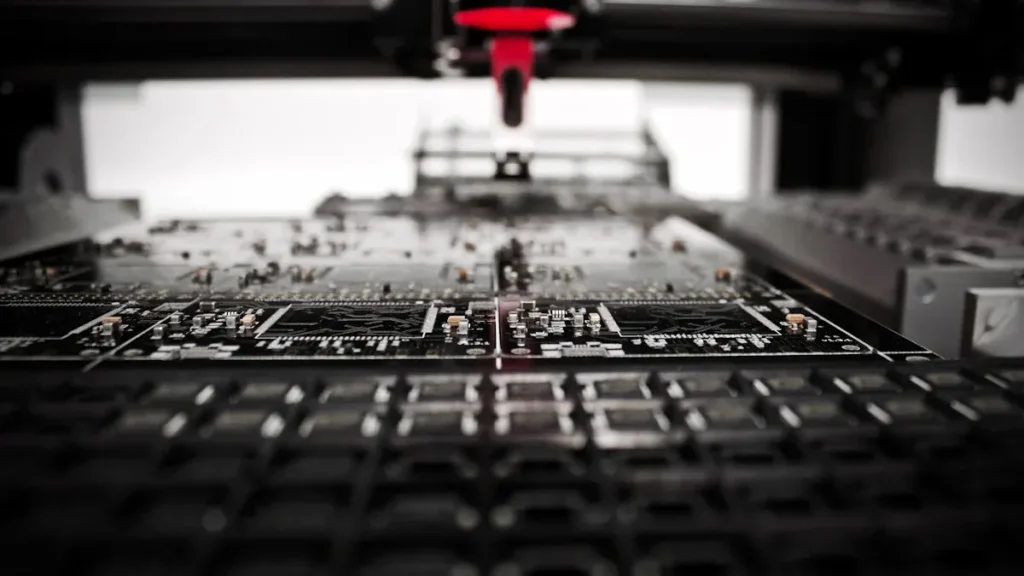
Select the ideal reflow oven size for your PCB volume by matching oven zones and capacity to your board size, production needs, and future growth.
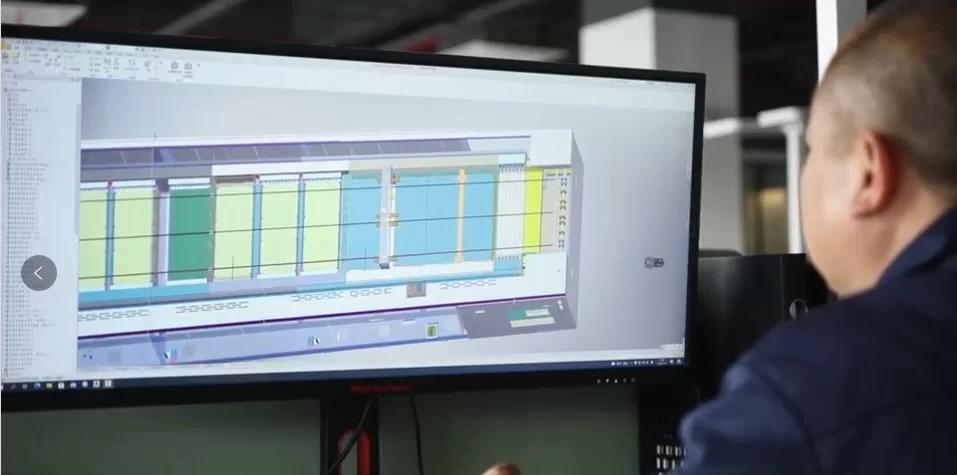
Buying SMT equipment? Learn the process, avoid common pitfalls, and get expert tips to choose the right SMT equipment for your production needs.

Compare 10 common SMT line configurations to choose the best setup for your factory’s production needs, automation level, and product complexity.