
Published: 25 May 2026
Reading Time: 11 minutes
If you’ve ever tried hand-soldering a circuit board packed with tiny components, you know the frustration. One wrong move and you damage a neighboring part. Now imagine doing that thousands of times a day on an assembly line. That’s exactly why selective soldering machines exist, and honestly, they’re changing the game for electronics manufacturers in 2026.
So what is selective soldering? Think of it as a precision targeting system for solder. Instead of dipping an entire circuit board into molten solder (which risks damaging heat-sensitive components), selective soldering lets you solder only the specific spots that need it. Each through-hole component gets exactly the right amount of heat, exactly where you need it.
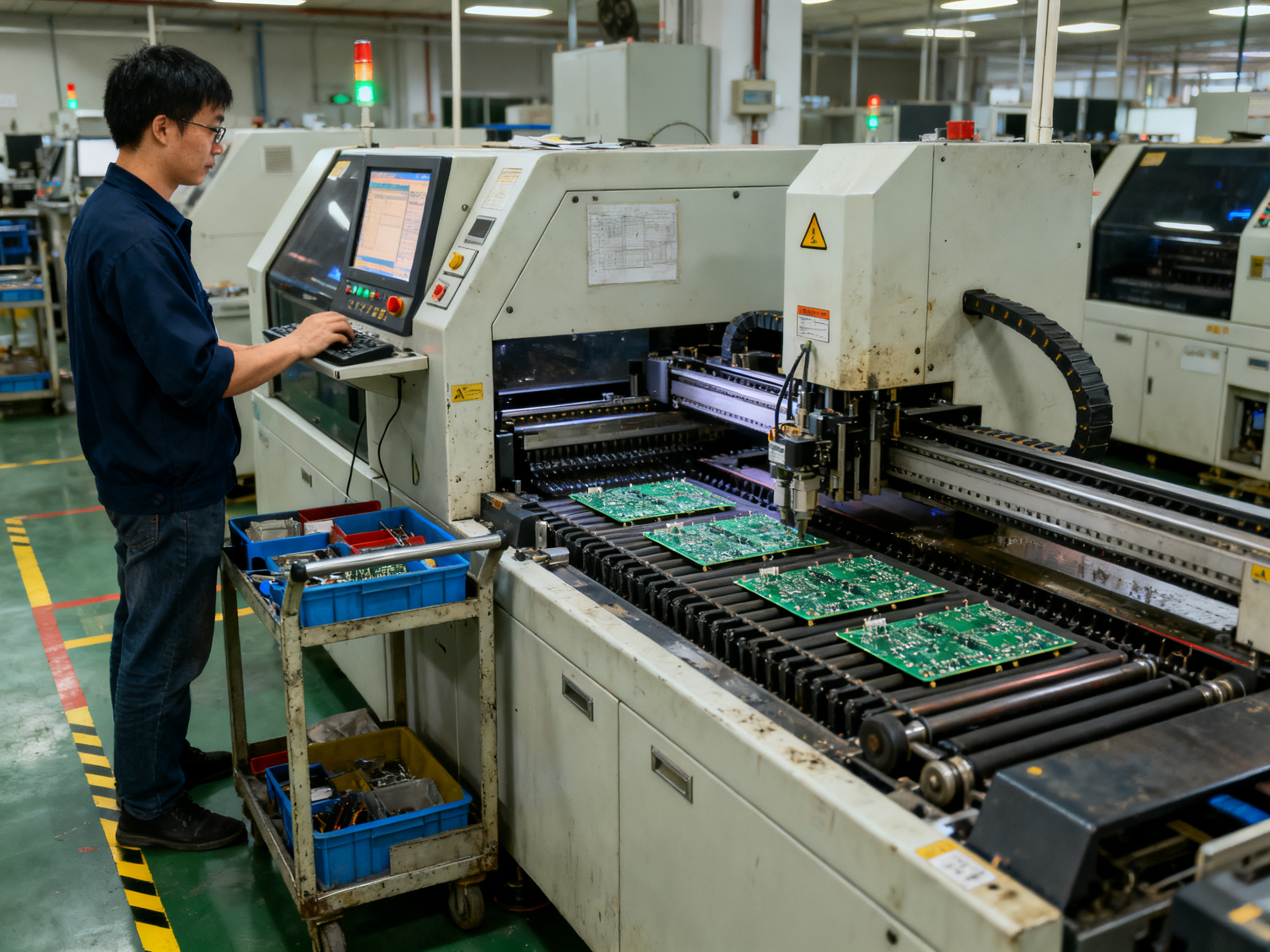
Here’s the thing though: not all selective soldering setups are created equal. The machines breaking away from the pack in 2026 come loaded with some pretty clever tech.
The core components you’ll find in any serious selective soldering machine include the flux spraying device for preparing surfaces, a preheater to bring components up to temperature safely, and solder pots that hold the molten metal at precise temperatures. Then there’s the XYZ axis drive unit that positions the PCB with accuracy down to fractions of a millimeter, plus the nozzles that actually deliver the solder.
The nozzles deserve special attention. A good selective soldering nozzle can mean the difference between a flawless joint and a scrapped board. We spend a lot of time helping manufacturers dial in the right nozzle specs for their specific boards.
Modern machines also pack in cooling sections to prevent heat buildup, inspection systems to catch defects early, and conveyor systems that keep production flowing smoothly. For manufacturers handling high-density assemblies, these components work together to deliver the kind of throughput and quality consistency that manual processes simply can’t match.
Pro Insight: When evaluating selective soldering machines, pay close attention to the preheater design. Inadequate preheating is one of the most common causes of defects in selective soldering processes.
Jace Liu specializes in Surface Mount Technology and precision soldering systems. With extensive experience working closely with manufacturers in the electronics industry, he has helped implement cutting-edge selective soldering solutions that drive efficiency and reliability in production lines.## Choosing the Right Selective Soldering Nozzle and Materials
The nozzle is where the magic happens. Get this wrong and even the most expensive machine in your facility becomes a defect generator. We’ve seen manufacturers spend big on selective soldering equipment only to scrap boards because they skimped on nozzle selection.
Here’s the deal with nozzle sizes: one size definitely does not fit all. Your PCB design dictates everything.
For standard through-hole components, you’ll typically look at nozzles ranging from 3mm to 12mm in diameter. These handle the majority of connectors, switches, and relay components you probably run every day.
BGA and QFN packages are a different beast entirely. These tiny beasts often require mini nozzles down to 1.5mm or even 0.8mm for the most compact designs. The challenge? Smaller nozzles mean less thermal mass, which translates to tighter process windows. One second too long and you’re looking at pad lift. One second too short and you’ve got cold joints.
We spend a lot of time helping manufacturers dial in the right nozzle specs for their specific boards, and honestly, it’s one of those areas where rushing costs way more than taking your time upfront.
Expert Tip: When selecting nozzle sizes, always verify the exact pad geometry on your PCB. Many manufacturers use standardized nozzle sets that include unnecessary sizes. A custom-configured set can reduce changeover time by 40% or more.
Nozzle Materials: Brass vs. Titanium
The material debate comes up constantly. Let me break it down based on what actually matters in production.
| Material | Heat Conductivity | Durability | Cost | Best For |
|———-|——————-|————|——|———-|
| Brass | Excellent | Moderate | $ | High throughput, standard boards |
| Titanium | Good | Excellent | $$$ | Lead-free alloys, 24/7 operations |
Brass nozzles heat up fast and transfer heat efficiently. They’re the workhorses of the industry for a reason. But here’s the tradeoff: they wear out faster, especially when you’re running lead-free solders with their higher operating temperatures.
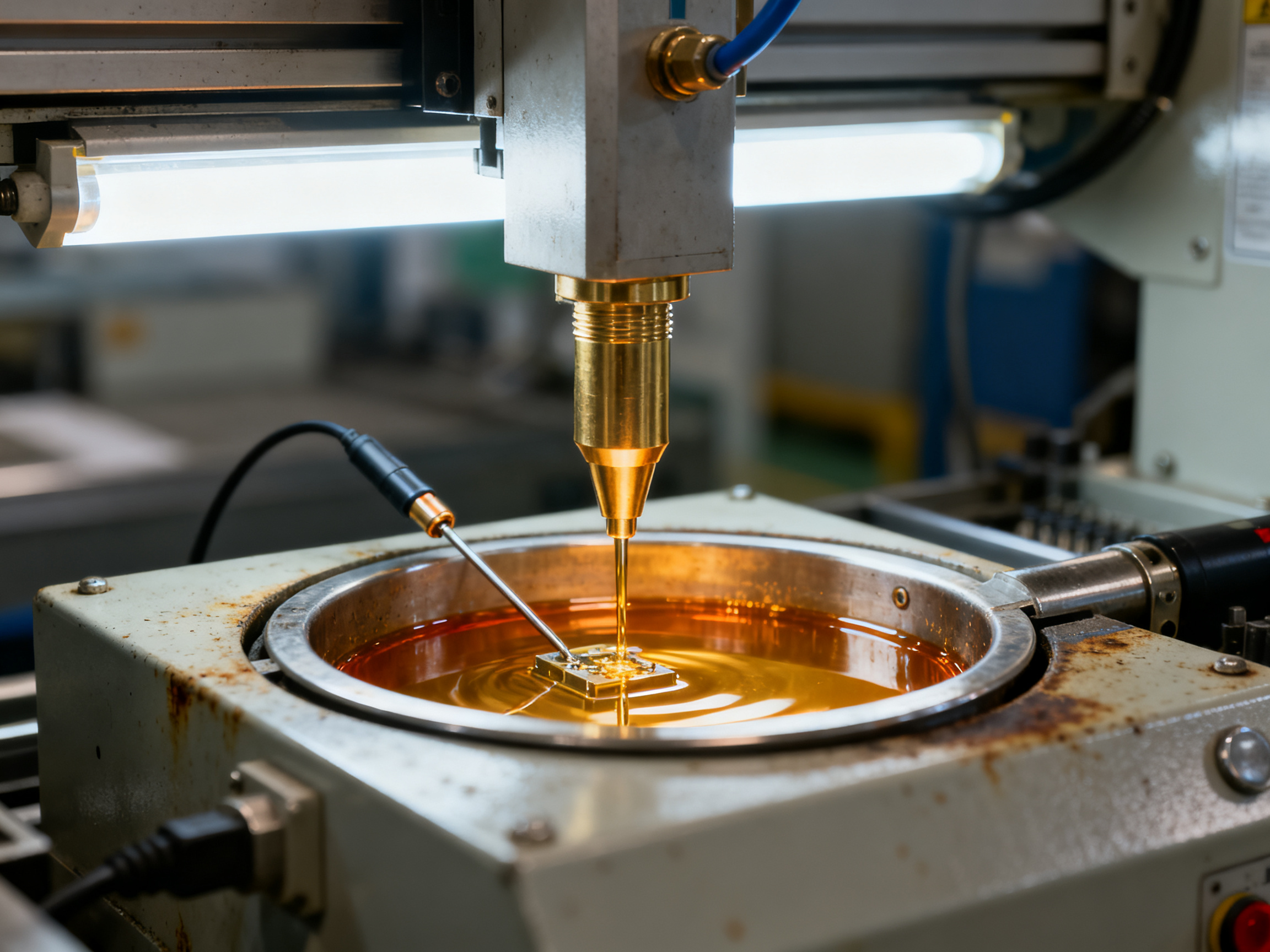
Titanium costs more upfront, no question. But if you’re running lead-free like most manufacturers in 2026, the extended lifespan often justifies the investment. Plus, titanium holds its dimensions better over time, which means more consistent joints shift after shift.
The best pcb selective soldering method often comes down to matching your nozzle material to your production volume and solder type. Running high throughput selective soldering on standard boards? Brass makes sense. Got a 24/7 operation with lead-free requirements? Titanium pays for itself within months.
One more thing about nozzle maintenance. We see operators neglect this all the time. Clean your nozzles regularly with proper cleaning solution, not whatever is sitting near the workbench. A oxidized nozzle can cause temperature reading errors that lead to defects you won’t catch until inspection.## Understanding Selective Soldering Techniques
Alright, so now that we know what selective soldering is and why it matters, let’s dig into how it actually works. There are three main techniques you’ll encounter: dip soldering, drag soldering, and wire-feed soldering. Each has its own strengths, and picking the right one depends on what you’re building.
Dip soldering is the straightforward one. The PCB gets lowered into a solder pot, but only where the mask allows. It’s fast, and it handles high-density boards pretty well. The tradeoff? You’re limited by whatever pattern your mask has. Change your board layout, and you might need a whole new mask.
Drag soldering uses a nozzle that literally drags across the joints. Solder flows through the nozzle as it moves, which gives you more flexibility for mixed board types. Think of it like frosting a cake with a piping bag, except the cake is worth $500 and you’re soldering 50 pins at once.
Wire-feed soldering is the precision artist of the group. The solder comes through the nozzle in a controlled stream, and timing is everything. This method works beautifully for complex boards with many different component heights, because you can feed solder exactly where needed without worrying about bridges.
So which selective soldering techniques work best for what? Here’s the breakdown:
| Technique | Best For | Speed | Flexibility |
|———–|———-|——-|————-|
| Dip soldering | High density, repetitive boards | Fast | Low |
| Drag soldering | Mixed board types | Medium | Medium |
| Wire-feed | Complex boards, varied heights | Slower | High |
Now let me walk you through the step-by-step process. First, the board gets flux applied to the joints. That flux cleans the surfaces and helps solder flow properly. Then comes preheating, which brings everything up to temperature gradually so you don’t shock the components. After that, the PCB positions under the nozzle, the solder gets dispensed in a controlled pattern, and finally inspection catches any defects.
Pro Insight: One of the most common mistakes we see is rushing the preheat stage. Skip it to save time and you’ll get more defects than you save minutes. Another frequent issue is using nozzles that are slightly too large for the pad, which causes bridging on fine-pitch components.
Here’s the thing about wire-feed though. The solder feed rate gets controlled electronically, and it’s synchronized with the nozzle position. That means the machine delivers consistent amounts of solder shift after shift. For manufacturers chasing zero-defect goals, this consistency is huge.
The best pcb selective soldering method really comes down to your specific board design. High throughput selective soldering often favors dip or drag soldering for speed. But if you’re dealing with sensitive components or mixed heights, wire-feed gives you control that the other methods just can’t match.
That’s the technique breakdown. Next, let’s look at what separates the affordable selective soldering machines from the ones that’ll eat your budget.
Best Practices for High Throughput Selective Soldering
When manufacturers talk about high throughput selective soldering, they’re talking about one thing: moving more boards through the line without sacrificing quality. In 2026, with labor costs climbing and competition heating up, that balance matters more than ever.
So what makes high throughput possible? Three words: pre-heating, fluxing optimization, and thermal management. Get these right and you can push your line speed without creating a defect nightmare.
Pre-heating isn’t optional anymore. We learned this the hard way years ago. Skip the preheat step to save time and you’ll spend way more time dealing with cold joints and cracked pads. Modern preheaters bring boards up to temperature gradually, which means your solder pot doesn’t have to work as hard to hit target. The result? Faster soldering without thermal shock.
Here’s a pro tip most manufacturers miss: stage your preheating zones. Bottom-side preheat first, then top-side. This approach reduces component stress and lets you run faster solder contact times without damaging sensitive parts. We’ve helped several facilities implement this and saw throughput jump by 15-20% within the first month.
Flux application deserves more attention than it gets. Too little flux and you get poor wetting. Too much and you’re dealing with residue cleanup and potential bridging. The sweet spot? Precision spray fluxers with adjustable droplet size. These let you match flux coverage to your pad geometry exactly. Some manufacturers still use generic fluxers from a decade ago, and honestly, it’s showing in their defect rates.
Thermal damage remains the biggest fear with high throughput lines. The challenge? Faster speeds mean less time at temperature, which can mean incomplete joints if your process isn’t dialed in. But here’s the thing: modern selective soldering machines with closed-loop temperature control solve most of these problems. The machine adjusts in real-time, adding milliseconds where needed to hit target temperature.
One client we worked with was running a mixed production line with some boards containing heat-sensitive BGAs alongside standard through-hole components. Their old approach was to slow everything down to protect the BGAs. After implementing zoned preheating and adjusting their nozzle selection for the specific BGA locations, they maintained line speed across all boards and actually reduced BGA-related defects by half.
From Our Experience: When evaluating selective soldering machines for high throughput, prioritize closed-loop temperature control and configurable preheat zones over pure speed specs. The fastest machine on paper means nothing if you spend half your time reworking boards.
The real secret to sustainable high throughput isn’t just running faster. It’s building a process where speed and quality reinforce each other. That means regular maintenance schedules, consistent nozzle inspections, and operators who understand why the process parameters matter.
We see manufacturers chase speed numbers all the time, then wonder why their defect rates spike. The machines can definitely handle the throughput, but your process has to be ready to support it.## Key Factors in Evaluating Affordable Selective Soldering Machines
So you’re ready to invest in a selective soldering machine, but the price tags have your head spinning. Here’s the good news: you don’t need to spend a fortune to get solid performance. The trick is knowing where to spend and where to save.
Let’s break down what actually matters when evaluating affordable selective soldering machines.
Features That Matter vs. Features That Sound Nice
First, prioritize the components that directly impact solder quality. A machine with basic automation but a top-notch XYZ positioning system will outperform a fancy-pants model with sloppy accuracy. Focus on:
- Precise nozzle positioning (look for 0.01mm repeatability or better)
- Closed-loop temperature control
- Configurable preheat zones
- Easy-to-adjust solder parameters
Skip the fluff that sounds impressive in sales demos but doesn’t show up in your defect rates.
The Hidden Costs Nobody Talks About
Here’s where lots of buyers get burned. The sticker price is only part of the story.
Maintenance costs add up fast. A machine with expensive proprietary consumables will nickel-and-dime you over time. Check what nozzles, fuses, and wear parts actually cost before signing anything. Some affordable machines use standard off-the-shelf components that are easy to source.
Energy efficiency matters more than most people realize. A machine running 8 hours a day, 5 days a week, uses a ton of electricity. Look for machines with sleep modes, efficient heating elements, and proper insulation. The savings here can be significant over a few years.
Cost vs. Features: What to Expect in 2026
| Price Range | Typical Features | Best For |
|————-|——————|———-|
| Budget ($15K-$30K) | Basic controls, single preheat zone, manual nozzle changes | Low-volume runs, job shops |
| Mid-range ($30K-$60K) | Dual preheat zones, auto nozzle change, better software | Medium production, mixed boards |
| Premium ($60K+) | Full automation, vision inspection, lead-free optimized | High throughput, 24/7 operations |
The best value for most manufacturers sits in the mid-range. You get professional-grade performance without the enterprise price tag.
Reputable manufacturers offering cost-efficient solutions include several SMT specialists. Shenzhen Chuxin Electronic Equipment Co., Ltd. focuses on precision soldering systems that work well for consumer electronics and semiconductor applications. They build machines compatible with standard assembly line protocols, which means easier integration if you’re upgrading existing equipment.
The bottom line? An affordable selective soldering machine that does the fundamentals really well will serve you better than an expensive one with features you’ll never use. Know your production volume, understand your board complexity, and choose accordingly.## Future Trends in Selective Soldering Machines and Materials
The selective soldering landscape is shifting fast in 2026. If you’ve been watching the industry, you know that laser-based selective soldering has moved from experimental tech to something manufacturers are actually rolling out on production floors.
Here’s why it matters. Laser systems deliver pinpoint accuracy without touching the board. No mechanical contact means less stress on fragile components, and the thermal zone stays incredibly tight. We’re seeing adoption rates climb as the technology becomes more affordable. Industry watchers suggest that laser-based systems could capture 15-20% of the market within the next few years, especially for high-value boards where precision trumps speed.
But lasers aren’t the only trend reshaping the space. Automation is getting smarter across the board. Modern selective soldering machines now integrate directly with MES systems, pulling production data and adjusting parameters automatically. The days of manual setup for every board run are fading fast.
Pro Insight: When evaluating new selective soldering equipment, look for machines with open API connections. These let you integrate with your existing production tracking systems without expensive custom development work.
On the materials side, the push toward eco-friendly soldering continues to accelerate. Lead-free compliance isn’t optional anymore, and manufacturers are actively seeking soldering materials that deliver reliable joints without the environmental baggage. New alloy formulations are hitting the market with better wetting characteristics and lower melting points, which means less energy consumption and faster cycle times.
The big story though might be AI and data analytics. Modern machines are packed with sensors that generate massive amounts of process data. Forward-thinking manufacturers are using this data to predict when nozzles need replacement, flag potential defects before they happen, and continuously optimize their selective soldering techniques based on real production feedback.
One facility we visited recently had implemented machine learning algorithms that analyzed solder joint quality across thousands of boards. The system identified subtle parameter interactions that human operators had missed, resulting in a 12% reduction in defects within three months. That’s the kind of improvement that moves the needle on the bottom line.
So what should you prioritize? If you’re in the market for affordable selective soldering machines, look for platforms that support these emerging capabilities. The best pcb selective soldering method for your operation will likely combine multiple technologies: smart automation, eco-friendly materials, and data-driven process control. Manufacturers that embrace these trends now will have a competitive edge as the industry continues to evolve.## Conclusion: Key Takeaways for Selecting the Ideal Soldering Machine
Let’s bring it all together. Selective soldering has evolved into an essential process for manufacturers dealing with complex electronics assemblies, and choosing the right machine comes down to understanding your specific needs.
The core components we covered, from flux systems to XYZ positioning and nozzle technology, all work together to deliver quality joints. No single feature matters more than the others. A machine with brilliant temperature control but sloppy positioning will still produce defects. Same goes for the priciest nozzle if your preheat process is off.
From Our Experience: When evaluating selective soldering machines, prioritize closed-loop temperature control and configurable preheat zones based on your actual production mix. A machine that handles your most complex boards reliably will serve you better than one with impressive speed specs that requires constant babysitting.
So what should you actually do with all this information?
Your Selective Soldering Machine Checklist
Before you sign anything, work through these points:
Assess your board complexity. List your most challenging PCB designs and note their specific requirements. Mini nozzles? Lead-free compatibility? Mixed component heights? This narrows your search fast.
Calculate your true throughput needs. Don’t buy a machine for future growth you might never reach. Match capacity to your current production volumes first.
Verify the nozzle ecosystem. What sizes does the machine support? Are consumables proprietary or standard? Can you get custom nozzles when your designs change?
Test the software interface. Can operators learn it in a reasonable timeframe? Does it integrate with your existing MES or tracking systems?
Factor in total cost of ownership. Look beyond the sticker price. Energy consumption, maintenance schedules, and consumable costs add up significantly over a few years.
Check lead-free compatibility. In 2026, this isn’t optional for most manufacturers. Make sure your potential purchase handles lead-free alloys without excessive wear or quality issues.
Looking ahead, keep an eye on laser-based systems and AI-driven process optimization. These aren’t just buzzwords anymore. Manufacturers adopting smart automation now will find themselves ahead of the curve as the industry matures.
The best selective soldering setup for your operation is the one that consistently delivers quality joints while fitting your production reality. Take your time with the evaluation, involve your operators in the decision, and remember that the cheapest option often costs more in the long run through rework and downtime.
Ready to explore precision soldering solutions for your production line? Shenzhen Chuxin Electronic Equipment Co., Ltd. offers a range of selective soldering systems designed for reliability and integration with modern assembly workflows.