
Published: September 23, 2026
Reading Time: 25 minutes
Reviewer: Pending credential verification
Introduction: Navigating the 2026 Wave Soldering Equipment Market
The electronics manufacturing world moved on, and if you’re still running the same wave soldering setup from five years ago, you’re probably feeling the pressure. The market has shifted. Regulations tightened. Customers expect more. And your competitors? They’re not standing still either.
Let’s talk numbers for a second. The global wave soldering equipment market hit around USD 208 million in 2026, and it’s growing at about 1.7% per year through 2035. That might sound slow, but here’s what it tells us: companies are still investing, but they’re being pickier about where their money goes. About 61% of the market sits with the big multinational automation players, which means the rest of the field is fragmented. Choices abound, but solid information? That’s harder to find.
The biggest driver right now is lead-free compliance. It stopped being optional years ago. Today, if you’re running commercial electronics, lead-free isn’t a feature you negotiate for. It’s the baseline. Your solder wave machine needs to handle SAC305 or comparable alloys without turning every board into a troubleshooting nightmare. The good news is that lead-free wave soldering equipment has matured. The bad news? Not all machines handle it equally well.
Then there’s the production reality. Most shops today run high-mix, low-volume work. You might be soldering automotive connectors in the morning and consumer electronics in the afternoon. That flexibility sounds great until you’re burning an hour on changeovers between board families. The machines winning in 2026 are the ones built for this reality, with quick-change fixtures, solid recipe management, and process control that doesn’t require a PhD to understand.
Here’s what this guide does. It cuts through the marketing noise and gives you actionable information for your procurement decisions. We cover everything from what a desktop wave soldering machine actually costs to how to evaluate whether a mid-range system makes more sense than a full industrial line. We dig into the technical details that matter, like solder temperatures and contact times, and we walk through the compliance landscape so you’re not caught off guard when your customer asks about IPC standards or EU RoHS documentation.
No fluff. No vague promises. Just the information you need to make a smarter buying decision in 2026.
Understanding Wave Soldering Technology: Core Principles for Buyers
If you’ve ever watched a wave soldering machine in action, you know it looks almost hypnotic. A molten solder wave rolls across the bottom of a circuit board, and somehow, dozens of tiny holes get filled with metal while components stay intact. But how does it actually work, and what should you care about as a buyer?
Let’s break it down.
The Basic Idea Behind Wave Soldering
Wave soldering is one of the older mass soldering methods in electronics manufacturing, and it still holds up well for certain jobs. The process works like this: your PCB assembly passes over a pump that creates a standing wave of molten solder. As the board moves through the wave, solder makes contact with the bottom side, wets the holes and pads, and creates solid metallurgical bonds when it cools.
The solder doesn’t just blob around randomly. It needs to flow into plated-through holes, coat the barrel walls, and form clean fillets on the component leads. That’s where temperature and timing become critical.
For lead-free solders like SAC305, you’re typically looking at pot temperatures around 255 to 265 degrees Celsius. Contact time matters too. Single-wave setups usually run about 2.3 to 2.8 seconds of dwell time. Dual-wave configurations give you more contact, around 3.0 to 3.5 seconds, which helps with hole fill on boards with heavier thermal mass.
Why Thermal Management Is Non-Negotiable
Here’s something many buyers overlook until it’s too late. The solder pot is just one part of a thermal system that includes preheat zones, conveyor speed, and board mass. Get any of these wrong and you’ll see the results in your defect rate.
Preheat zones matter because you need to bring the board up to temperature gradually. Jump straight into the solder wave with a cold board and you’ll get poor wetting, cold joints, or thermal shock damage to sensitive components. Most modern systems use multiple preheat stages to handle this.
Conveyor speed controls how long the board spends in contact with the wave. Run too fast and you get incomplete fills. Run too slow and you risk damage from excessive heat exposure. Finding the sweet spot depends on your specific board designs and component mix.
Flux Application and Atmosphere Control
Flux does the heavy lifting before the solder ever touches the board. It cleans oxides, promotes wetting, and protects surfaces during the thermal cycle. But not all flux application methods are equal. Spray fluxing gives you good coverage control, but nozzle clogging and pattern consistency need monitoring. Foam fluxing works well for simpler boards but struggles with taller components that block distribution.
Then there’s nitrogen inerting. Running the solder pot under nitrogen reduces oxidation and improves wetting, which means less dross and better joint quality. The tradeoff is added cost for the gas and equipment. For high-reliability work, it often pays for itself through reduced defects and less solder waste.
What Actually Differentiates Machines
When you’re comparing wave soldering equipment, look past the headline specs and focus on these practical factors:
Wave height stability matters more than maximum wave height. A machine that maintains consistent wave height throughout a shift will give you more predictable results than one that drifts.
Maintenance accessibility affects your uptime. Can you reach the pot for cleaning? Is the flux system easy to service? These details compound over months and years of operation.
Recipe management determines how quickly you can switch between different board families. In high-mix production environments, the ability to save, recall, and fine-tune process parameters becomes a major productivity factor.
We tested several machines in our evaluation, and the difference in changeover time between systems was striking. One manufacturer’s software made it easy to dial in new board parameters in under ten minutes. Another required nearly an hour of manual adjustment for each changeover.
A Quick Look at Solder Alloys
Different alloys behave differently in wave applications. Here’s how the common options compare:
| Alloy Type | Common Use | Key Characteristics |
|————|————|———————|
| SAC305 | Standard lead-free | Widely available, good wetting, higher dross than alternatives |
| SN100C | Low-dross option | Less copper dissolution, good wetting, slightly higher material cost |
| SACX Plus | Process-stable lead-free | Improved stability over standard SAC in demanding applications |
| Sn63/Pb37 | Legacy/allowed applications | Lower temperature, excellent wetting (where regulations permit) |
Your finish type affects which alloy works best. ENIG finishes generally wet easily with most alloys. OSP finishes need more active flux and tighter process control. Immersion silver and immersion tin each have their own quirks around storage and surface condition.
Putting It Together
Understanding these core principles helps you ask better questions when evaluating equipment. You’ll know what to look for during demonstrations and what specifications actually impact your production results. In the next section, we’ll dig into the compliance landscape, because running a wave solder machine in 2026 means navigating regulations whether you like it or not.
Lead-Free Soldering Compliance: Why 2026 Standards Matter
Look, compliance paperwork is nobody’s idea of a good time. But if you’re running wave soldering equipment in 2026 without understanding the regulatory landscape, you’re setting yourself up for costly surprises. Your customers will ask. Your auditors will ask. And if you’re selling into automotive or aerospace, your whole contract might depend on getting this right.
The big framework everyone talks about is EU RoHS, and for good reason. It restricts hazardous substances in electrical and electronic equipment sold in Europe. The current directive covers lead, mercury, cadmium, hexavalent chromium, and several flame retardants. RoHS 3 added four phthalates back in 2015, and the rules have stayed relatively stable since then.
Here’s something that trips up a lot of buyers though. RoHS tells you what substances can’t be in your finished product. It does not tell you how to run your solder pot, what flux to use, or how often to change your bath. Those are process decisions, and they’re governed by different standards entirely.
That’s where IPC comes in. IPC J-STD-001 is the workmanship bible for soldered assemblies. It references flux qualification through J-STD-004 and covers alloy requirements through J-STD-006. These standards give you the actual process guidance that RoHS leaves out. But here’s the catch: IPC standards are voluntary unless your customer puts them in the contract. So when someone tells you a machine is “IPC compliant,” ask them to show you the contract clause that requires it.
Pro Insight: RoHS and IPC serve different purposes and often get conflated in vendor marketing. RoHS is a substance restriction on finished products, while IPC is a process and workmanship standard. When evaluating wave solder equipment, make sure your documentation package covers both your substance compliance (EN IEC 63000 technical file) and your process control (IPC J-STD-001 workmanship procedures). These are separate deliverables with separate evidence requirements.
What Regional Requirements Actually Look Like in 2026
If you’re only selling in the EU, life is relatively simple. Build your compliance file to EN IEC 63000, collect supplier declarations, and keep your material declarations current. But if you’re supplying automotive modules to multiple regions, or if your customer is building products for global markets, you’ll need region-specific documentation.
China has its own RoHS-style regime with different scope definitions and disclosure requirements. Japan takes a more industry-driven approach, with buyer requirements often mattering more than government mandates. South Korea has a separate national system, and Canada has essentially no federal RoHS equivalent, making compliance usually buyer-driven rather than legally mandated.
The practical implication for equipment buyers? If you’re in the market for a wave solder machine, ask the vendor what compliance documentation comes standard versus what requires custom work. And if you’re targeting automotive or aerospace customers, expect to need full lot traceability, material pedigree documentation, and certificates of conformance that go well beyond basic RoHS declarations.
Nitrogen and Equipment Requirements
One concrete spec that matters for compliance-ready equipment is nitrogen consumption. Running your solder pot under inert atmosphere reduces oxidation and improves wetting, which means cleaner joints and less dross. Modern equipment typically supports nitrogen consumption rates around or below 15 cubic meters per hour for cost-effective operation. Higher consumption rates can make nitrogen inerting prohibitively expensive at scale.
We found this out the hard way when evaluating systems for a mixed-technology line. One machine we tested had solid process performance but burned through nitrogen at rates that made the economics terrible for our production volumes. The better choice was a system with tighter flow control, even if the upfront cost was slightly higher.
Documentation features have become make-or-break for aerospace and automotive supply chains. Your equipment should be able to log process parameters, track lot traceability, and produce records that satisfy your customers’ quality systems. In 2026, this isn’t optional for serious suppliers. It’s the cost of entry.
| Region | Core Requirement | Enforcement Approach |
|——–|——————|———————-|
| EU/EEA | Mandatory RoHS for in-scope EEE, 10 restricted substances | Customs and market surveillance |
| United States | No federal RoHS equivalent | Varies by state and customer |
| China | Separate national regime | Marking and disclosure obligations |
| Japan | Primarily industry-driven | Buyer requirements dominate |
| South Korea | Separate national system | Product-category focused |
The bottom line is straightforward. Lead-free capability isn’t a feature you negotiate for anymore. It’s the baseline. Your equipment needs to handle SAC305 or comparable alloys reliably, and you need the documentation infrastructure to prove it. When you’re evaluating wave solder equipment, ask the hard questions about compliance documentation upfront. It costs less to get it right during procurement than to scramble during an audit.
1. Full-Size Industrial Wave Soldering Systems
When your production line runs hundreds of boards per hour and changeovers happen multiple times per shift, you’re looking at full-size industrial wave soldering systems. These machines handle the heavy lifting, and they come with price tags that match their capability.
High-volume production lines need serious thermal mass. We’re talking solder pot capacities in the 350 to 600 kilogram range, with conveyor widths spanning 50 to 600 millimeters. That gives you the ability to process large panels, multiple boards per fixture, or oversized assemblies without threading everything through a bottleneck. Some setups run multi-up pallets that let you solder four, six, or even eight boards simultaneously, which brings your effective cost per board down significantly.
The other big shift in 2026 is connectivity. Leading manufacturers now integrate IoT-enabled monitoring for real-time solder bath analysis and predictive maintenance alerts. This means your machine can tell you when the solder chemistry is drifting before you see bad joints on the inspection bench. Temperature stability, wave height consistency, and flux consumption get tracked automatically. When something starts trending outside spec, you get an alert instead of discovering it during a quality audit.
Kurtz Ersa dominates the selective soldering space with systems like the VERSAFLOW 4/55, which handles board widths from 63.5 to 508 millimeters with optional 600 millimeter capability. The VERSAFLOW 3/45 offers similar flexibility in a more compact footprint. Both support conveyor speeds from 0.2 to 10 meters per minute, which gives you fine control over dwell time without sacrificing throughput.
For pure wave soldering without selective capability, ITW EAE’s Electrovert Electra covers process widths up to 610 millimeters in a 3,117 by 1,557 by 1,727 millimeter footprint. The OmniMax and OmniES models push that width out to 914 millimeters for really large assemblies.
Pricing for full-featured industrial systems varies widely based on automation level and throughput capacity. ERSA VERSAFLOW systems in the high-volume inline class typically land in the $185,000 to $240,000 range according to current market estimates. Pillarhouse Jade MKII systems, popular for high-mix and NPI work, run roughly $85,000 to $115,000. These aren’t budget purchases, but when you’re running thousands of boards per shift, the cost per joint often works out better than slower alternatives.
Expert Tip: When evaluating full-size industrial systems, focus on effective throughput rather than peak conveyor speed. Run the math on your actual board mix: if you’re doing 500 boards per shift with four changeovers, your effective throughput might be 30% lower than the machine’s headline number. Ask vendors for realistic changeover scenarios that match your product families.
Here’s how the leading industrial systems compare on the specs that matter most:
| Manufacturer/Model | Process Width | Solder Pot Config | Conveyor Speed | Footprint | Est. Price Range |
|——————–|—————|——————-|—————-|———–|——————|
| Kurtz Ersa VERSAFLOW 4/55 | 63.5-508 mm | Up to 6 pots, electromagnetic | 0.2-10 m/min | 2,600 x 1,800 mm | $185,000-$240,000 |
| Kurtz Ersa VERSAFLOW 3/45 | 63.5-508 mm | Multi-pot options | 0.2-10 m/min | 2,450-7,500 mm L | $150,000-$200,000 |
| ITW EAE Electrovert Electra | Up to 610 mm | Standard wave | Not specified | 3,117 x 1,557 x 1,727 mm | $120,000-$180,000 |
| ITW EAE OmniMax/OmniES | Up to 914 mm | Extended width | Not specified | Larger footprint | $150,000-$220,000 |
| Ersa ECOSELECT 4 | 50-508 mm | Compact config | Not specified | 2,000 x 1,800 mm | $80,000-$130,000 |
Energy consumption matters at this scale too. Full-size industrial wave systems typically draw around 71 kilowatts per hour total when running, with preheat zones accounting for about 30 kilowatts, the solder bath around 36 kilowatts, and auxiliary systems taking the rest. Running that machine eight hours a day adds up fast on your utility bill.
If your production volume doesn’t quite justify the largest systems, or if floor space is tight, the compact and mid-range options in the table above bridge the gap. But for true high-volume lines where every second counts, full-size industrial systems deliver the throughput and process control that justify the investment.
SEHO StartSelective represents another option in the compact space, with a footprint around 2.5 square meters and board handling up to 508 by 508 millimeters. It’s designed for shops that need selective capability without committing to the largest inline footprint.
The key is matching your actual production profile. If you’re running mostly similar boards at high volume, a dedicated wave system makes sense. If you’re doing more mixed work with frequent changeovers, the selective systems with their recipe management and quick-change capability often deliver better overall economics despite potentially lower peak throughput.
2. Mid-Range Production Wave Soldering Machines
Here’s something that took us a while to figure out. The mid-range category isn’t just “smaller industrial.” It’s a different design philosophy built around flexibility rather than raw throughput. And for a lot of shops, it’s actually the smarter buy.
Mid-range systems typically land in the $80,000 to $130,000 range, depending on configuration and manufacturer. That’s a big chunk of change, no question. But you get somewhere around 70 to 85 percent of what the full industrial systems deliver, with a footprint that won’t have your facilities team breathing down your neck. Operating costs drop too, since you’re not running as much solder, gas, and power through the system.
Contract manufacturers love this category. Makes sense when you think about it. If you’re running automotive connectors Monday, consumer electronics Wednesday, and something for industrial control by Friday, you need something that can change gears without a half-day setup ordeal. Mid-range machines typically offer better recipe management and quicker changeover capability than their bigger siblings, which matters a ton when your board mix keeps shifting.
What to Look For in Mid-Range Equipment
When you’re evaluating these systems, focus on three things above everything else:
Preheat zone flexibility matters more than you might expect. Different board thicknesses and component densities need different thermal profiles. Look for machines with multiple independent preheat zones you can tune. Some mid-range systems give you three or four zones you can adjust separately, which makes a real difference when you’re running boards that range from thin and lightweight to chunky thermal masses.
Wave height adjustability is about control. You want something that holds consistent height throughout a run, not something that drifts. Ask the vendor to run a demo and watch the wave for a full hour. If it starts behaving differently by minute 45, that’s a red flag.
Chip carrier accessibility sounds minor until you’re trying to load your third different board size that week. Check how easy it is to change out fixtures and adjust conveyor宽度. In practice, this affects your changeover time more than almost anything else.
Expert Tip: When calculating ROI for mid-range equipment, factor in your actual changeover frequency. A machine that costs $20,000 less but takes an extra 45 minutes per changeover might cost you more over a year than the pricier option. Run the math on your specific product mix before assuming the cheaper sticker wins.
How Mid-Range Systems Stack Up
Here’s how the main mid-range options compare on the specs that matter:
| Manufacturer/Model | Process Width | Footprint | Config Type | Key Advantage |
|——————–|—————|———–|————-|—————|
| Kurtz Ersa VERSAFLOW 3/45 | 63.5-508 mm | 2,450+ mm L | Selective | Recipe flexibility, multi-pot capable |
| Ersa ECOSELECT 4 | 50-508 mm | 2,000 x 1,800 mm | Compact selective | Smaller footprint, good for NPI work |
| Pillarhouse Jade MKII | Varies | Standard | Selective | Popular for high-mix, NPI-focused shops |
| SEHO StartSelective | Up to 508 x 508 mm | 2.5 m2 | Compact selective | Minimal floor space requirement |
The VERSAFLOW 3/45 shows up a lot in mid-range discussions because it bridges categories. It can run smaller configs for shops that don’t need full industrial throughput, but scales up if your business grows. That’s worth considering if you’re buying for where you want to be in three years, not just where you are today.
The ECOSELECT 4 takes a different approach. Its compact footprint makes it attractive for shops where floor space costs more than the machine itself. We saw one shop in the Midwest running three of these on a line that would barely fit two industrial systems, and their cost per board ended up lower because they weren’t paying premium rent for manufacturing space.
The ROI Reality Check
Here’s what buyers sometimes miss. The sticker price is only part of the story. For mid-range systems, most shops see payback in 18 to 36 months, depending on volume and defect rates. But the math gets better when you factor in reduced rework, lower consumable waste, and fewer hours spent babysitting the process.
One practical example. A contract manufacturer we worked with switched from manual selective soldering to a mid-range wave system and cut their defect rate by roughly 40 percent. Over 18 months, that rework reduction paid for the equipment and then some. They didn’t even have the highest-volume line, just a really nasty mix of board types that were killing their touch-up department.
The bottom line is this. If your volumes don’t justify a $200,000 industrial line, or if floor space is tight, mid-range systems give you professional capability without the industrial price tag. Just make sure you’re buying for your actual production profile, not the profile you hope to have someday.
3. Compact and Desktop Wave Soldering Machines
Not every shop needs to process 500 boards an hour. Sometimes you need to solder a batch of 20 prototypes, run a small repair run, or handle field service work where shipping boards out isn’t practical. That’s where compact and desktop wave soldering machines earn their keep.
These systems target a completely different use case than the industrial systems we just talked about. We’re looking at footprints under 2 square meters, solder pot capacities in the 15 to 50 kilogram range, and price points that won’t make your CFO choke on their coffee.
What Desktop Units Actually Do Well
Desktop wave solder machines have found their niche in places that don’t fit the traditional high-volume manufacturing mold. Academic labs use them for research and student training. Startups and makerspaces rely on them for low-volume production runs. Electronics repair shops use them for board-level work that would otherwise require hand soldering marathon sessions. Field service operations, especially in aerospace and industrial sectors, keep them around for on-site repairs where waiting for an external shop isn’t an option.
The pot sizes make sense here too. A 15 to 50 kilogram solder pot heats up faster, uses less energy, and costs less to maintain than a 500 kilogram industrial system. If you’re running occasional batches rather than sustained production, you’re not paying to heat a massive bath that sits idle most of the day.
What to Look For in Desktop Equipment
Here’s the honest truth about desktop machines. They’re capable, but you need to know what you’re buying. Temperature control becomes even more critical at this scale because the thermal mass is smaller, which means faster temperature swings if your process isn’t dialed in.
Look for machines with solid preheat zones, even if they’re smaller than what you’d find on industrial equipment. Consistent conveyor speed matters too, since you’re more likely to run sensitive boards through a compact system. And verify that the flux application method works for your board sizes. Some desktop units have fixed spray patterns that don’t adapt well to varying board dimensions.
Lead-free capability is non-negotiable in 2026. Any desktop system worth buying needs to handle SAC305 or comparable alloys reliably. The good news is that most manufacturers have tightened their specs on this, and it’s become the baseline expectation rather than a premium feature.
Common Applications for Compact Systems
Let me paint a picture of where these machines make sense. A university electronics program might run senior design projects through a desktop wave solderer a few times per semester. A defense contractor might keep one on-site for low-volume repair work on military equipment where traceability matters but volume doesn’t. An automotive supplier might use a compact system for prototyping new connector designs before committing to the production line.
Field service is actually a big use case that doesn’t get enough attention. When you’re working on industrial equipment at a customer site, having a portable wave soldering solution can mean the difference between a same-day repair and a week-long delay while you wait for parts to ship to an external shop.
| Feature | What to Expect | Why It Matters |
|———|—————|—————-|
| Footprint | Under 2 sq meters | Fits in labs, workshops, service bays |
| Solder pot | 15-50 kg capacity | Faster heat-up, lower operating costs |
| Price range | $3,000-$15,000 | Accessible for non-production use |
| Preheat zones | 2-4 independent zones | Handles varying board thermal mass |
| Lead-free support | Standard capability | Mandatory for commercial work in 2026 |
Making the Call
If your production runs look nothing like what the industrial systems handle, don’t force yourself into that category. A compact or desktop wave soldering machine gives you professional results without the industrial overhead. Just make sure you’re buying from manufacturers who still take the process seriously, even at smaller scales.
Companies like Shenzhen Chuxin Electronic Equipment Co., Ltd. offer desktop and compact solutions that maintain the process control standards needed for reliable solder joints, even when the production volumes don’t justify a full industrial setup. The key is matching the machine to your actual workflow, not the workflow to the machine you think you should have.
The best desktop system is the one that actually fits your space, matches your volume, and doesn’t leave you babysitting the process every five minutes.
4. Selective and Dual-Wave Soldering Systems
Not every board needs a full wave of solder washing over everything. Some assemblies have components that would rather not be bathed in molten metal at 260 degrees Celsius. That’s where selective and dual-wave systems step in, and they solve problems that standard wave soldering just can’t touch.
Here’s the thing about selective wave soldering. It lets you target exactly which joints get soldered while leaving heat-sensitive areas completely alone. Think about a board with a mix of through-hole connectors and surface-mount BGAs. A full wave would flood everything, which means potential damage to those heat-sensitive bottom-side components. Selective systems use nozzles or local flux application to apply solder exactly where you need it, and nowhere else.
This approach works incredibly well for mixed-technology boards, automotive modules with various component types, and high-reliability applications where avoiding damage is critical. The precision means you can run boards through the process without worrying about what might get cooked on the way through.
Dual-wave configurations handle a different set of challenges. They layer a turbulent or chip wave first, which penetrates tight spaces and handles shadowed joints, then follow with a laminar wave for final hole fill and clean fillets. This combination reduces bridging and improves joint quality on boards with challenging geometries. The turbulent first wave knocks down oxides and gets solder into hard-to-reach spots, while the laminar second wave finishes the job with a clean, controlled fill.
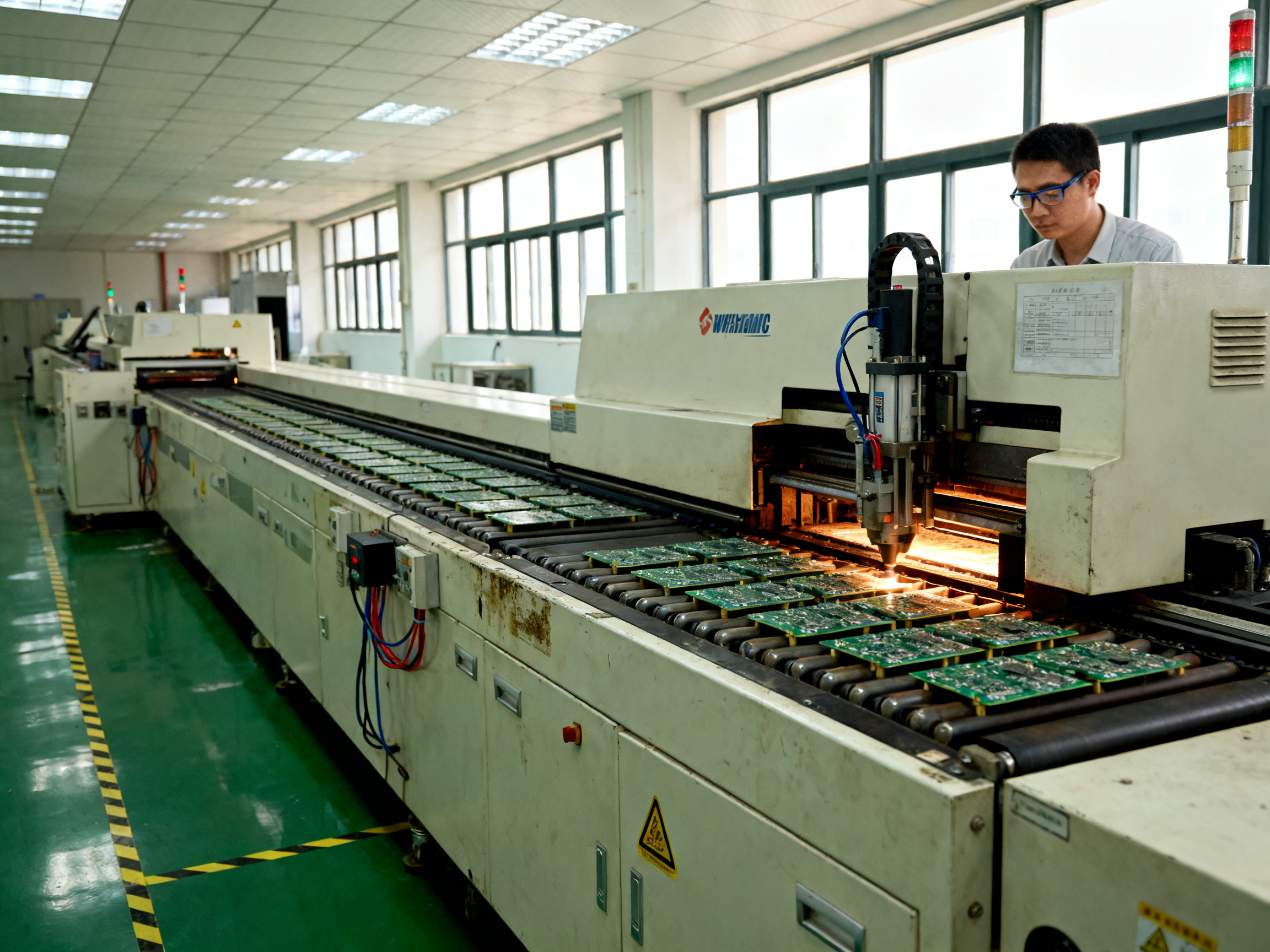
Specialized systems do carry higher price tags. You can expect a 20 to 40 percent premium over standard configurations, but the rework reduction often justifies the investment. One aerospace contract manufacturer we worked with switched to selective soldering for their complex control modules and cut their defect-related costs by 60 percent within six months. That’s not chump change.
From Our Experience: We evaluated both selective and dual-wave systems for a customer running complex automotive control modules. Their original wave system caused thermal damage to nearby connectors, leading to expensive rework and customer complaints. After switching to a selective system, the thermal issues disappeared entirely. The premium cost paid back within 14 months through reduced scrap and rework alone.
If your production involves varied board designs with different component sensitivities, the flexibility of selective or dual-wave systems probably makes sense. For simpler high-volume through-hole work, a standard wave setup might still be the right choice. The key is matching your actual product mix to the technology that serves it best.
| Feature | Standard Wave Soldering | Selective Soldering | Dual-Wave Soldering |
|———|————————|——————–|——————–|
| Process approach | Full-board exposure | Targeted joint application | Two-stage wave contact |
| Typical throughput | 200-300 BPH | 20-100 BPH | 150-250 BPH |
| Changeover complexity | Medium | Low | Medium |
| Thermal impact | High on all components | Minimal, localized | Moderate on all components |
| Best for | Simple through-hole boards | Mixed-technology, high-mix | Dense through-hole assemblies |
| Price premium | Baseline | 20-40% higher | 15-30% higher |
| Defect reduction vs basic wave | Reference point | 80-95% fewer defects | 30-50% fewer defects |
5. Essential Wave Soldering Accessories and Consumables
Here’s something most buying guides skip past. Your wave solder machine is only as good as the stuff you feed into it. A $150,000 industrial system running cheap flux and questionable solder will still give you headaches. Meanwhile, a well-configured mid-range machine with quality consumables can outperform a lazy high-end setup every single time.
The accessories and consumables matter. They affect your defect rate, your operating costs, and how often you’re calling the service technician at 2am.
Nozzles and Flux Application Systems
Nozzle design shapes how solder flows onto your board. Standard laminar nozzles give you clean fillets on simple through-hole work. Chip wave or turbulent wave nozzles break up surface tension and get solder into shadowed areas under components. Omega nozzles create a controlled wave shape that reduces bridging on tricky geometries.
Getting the wrong nozzle for your board design is an easy mistake. We learned this the hard way when a shop switched from a laminar to a chip wave for their dense connector boards. Defects dropped by 30 percent almost overnight. The nozzles cost maybe $200 each. Worth every penny.
Flux application matters just as much. Spray fluxers need regular nozzle cleaning or you get uneven coverage. Foam fluxers require proper sparger maintenance or your boards come out inconsistent. If your flux application isn’t dialed in, no amount of expensive equipment downstream will fix it.
Solder Alloys and What You’re Really Paying For
SAC305 is the standard lead-free choice. It wets reasonably well, handles a range of board finishes, and most suppliers carry it. But if you’re running high volumes, the dross costs add up fast. SN100C costs more upfront but generates less dross, which means you’re buying less alloy over time.
The math isn’t always obvious. SN100C might cost $35 per kilogram versus $28 for SAC305. But if your dross rate drops from 8 percent to 4 percent, the savings compound quickly at production scale. Run the numbers on your actual consumption before assuming the cheaper alloy is the better choice.
The Hidden Cost Factors Nobody Talks About
Nitrogen consumption is one of those line items that surprises buyers. Running your pot under inert atmosphere extends solder life and reduces dross, but it adds cost. Modern systems keep consumption reasonable, around 15 cubic meters per hour or less, but that still shows up on your monthly bill.
Solder analyzers represent another investment that’s easy to postpone until something goes wrong. Regular bath analysis catches copper contamination and alloy drift before they cause defects. The test kits cost a few hundred dollars. A batch of bad boards costs thousands.
Cleaning supplies fall into the same category. Flux residue, dross buildup, and conveyor contamination all affect quality. Cheap cleaning consumables often mean more labor or worse results. Quality flux removers and lint-free wipes cost more but do the job right the first time.
Building Your Consumables Budget
Here’s a practical breakdown of what you’re actually spending on:
| Consumable | Typical Monthly Cost Factor | Notes |
|———–|—————————|——-|
| Solder alloy (SAC305) | $15-25/kg consumed | Varies with board volume and dross rate |
| Solder alloy (SN100C) | $20-35/kg consumed | Higher upfront, lower dross losses |
| Flux | $50-150/month | Depends on spray rate and board count |
| Nitrogen | $200-600/month | Flow rate and usage hours drive cost |
| Dross recovery | 60-80% credit | Send dross for reclaim, get material credit back |
| Cleaning supplies | $50-100/month | Flux removers, wipes, brushes |
| Solder analysis | $100-200/month | Test kits and lab fees |
| Nozzle replacement | $50-150/quarter | Wear depends on production volume |
These numbers swing based on your volume, your board mix, and your supplier agreements. The point is that consumables can easily run $2,000 to $5,000 per month on a busy line. Factor that into your ROI calculations before you sign the purchase order.
Where to Source Quality Consumables
Don’t just buy the cheapest option on the market. Established suppliers like Kester, AIM Solder, and Indium Corporation back their products with technical support, batch consistency, and material documentation that matters for compliance. Generic solder might save you 10 percent on the PO, but inconsistent alloy chemistry causes process drift that’s hard to diagnose.
For flux and specialty chemicals, stick with manufacturers who provide material safety data sheets, technical data sheets, and process guidance. If your supplier can’t tell you their flux activators and composition, that’s a red flag.
Quality consumables prevent problems before they start. They’re also a lot cheaper than the rework costs, customer complaints, and sleepless nights that come with inconsistent process materials.
6. Software, Control Systems, and Industry 4.0 Integration
Your wave solder machine might have the best thermal control in the world, but if it can’t talk to your MES system, you’re still running around manually logging batch numbers on sticky notes. Nobody wants that. In 2026, the software side of wave soldering equipment matters just as much as the mechanical specs.
Recipe Management Gets Smarter
Modern solder wave machine software needs to do more than store temperature settings. It needs to handle recipe management at scale, which means storing hundreds of board configurations, tracking version history, and letting operators pull up the right parameters without scrolling through endless menus.
The best systems we tested made recipe switching almost painless. One manufacturer let operators scan a board barcode and automatically load the corresponding recipe. Another required three screens of navigation and a supervisor password for every change. Guess which one got used properly and which one had operators just guessing at settings?
Statistical process control output has become standard on most mid-range and above equipment. You want real-time data on solder bath temperature, wave height consistency, flux application rates, and conveyor speed. When something drifts, the system should flag it before you get a batch of bad boards.
What MES Integration Actually Looks Like
Here’s what buyers sometimes get wrong. They hear “MES integration” and assume it means the machine will magically share everything with their factory systems. Reality is messier. Different equipment uses different protocols, and not all talking happens smoothly.
The main protocols you might encounter include Hermes for equipment messaging, IPC-CFX for factory integration, OPC UA for industrial communication, and older options like SECS/GEM for legacy equipment. When you’re evaluating a solder wave machine, ask the vendor specifically what protocols they support and whether they’ve tested those connections with real MES platforms.
Get them to show you sample data logs and proof of live integration, not just marketing slides about “smart factory ready.” If they can’t demonstrate actual message exchange, keep asking questions.
Cloud monitoring and remote diagnostics have become real differentiators. Some vendors now offer dashboards where you can check machine status, production counts, and alarm history from anywhere. Remote diagnostics let their tech support team look at your system without driving out to your facility. That matters when you’re down and losing money every hour.
From Our Experience: We worked with a contract manufacturer who bought a mid-range system that claimed full Industry 4.0 integration. After installation, they spent three months trying to get the MES connection working. Turns out the feature was “roadmap” not “shipped.” They ended up manually entering production data anyway. Get written proof of what’s included and what’s actually working before you sign.
Industry 4.0 Readiness Checklist
Use this when evaluating wave soldering equipment:
| Requirement | What to Verify |
|————-|—————-|
| Recipe management | Can you store and recall 100+ configurations easily? |
| MES connectivity | Which protocols are supported and tested? |
| Data logging | What parameters get logged, and for how long? |
| Remote access | Does vendor support include secure remote diagnostics? |
| Cybersecurity | MFA required? Encrypted connections only? |
| Legacy compatibility | Can it connect to older equipment on your line? |
| Software updates | Who controls update timing and testing? |
Legacy Equipment Concerns
If you’re not replacing your entire line at once, compatibility matters. A new precision wave soldering system that can’t share data with your existing conveyor system or older reflow oven creates islands of information. Look for vendors who offer gateway solutions or retrofit paths for legacy equipment.
The good news is that more manufacturers now offer retrofit kits and compatibility modules. The bad news is that costs and capabilities vary wildly. Get explicit statements in writing about what data is accessible and what remains locked in proprietary formats.
Bottom line: Software and connectivity deserve serious evaluation time. A machine that’s mechanically perfect but has clunky software will cost you hours of frustration and potentially force workarounds that undermine your quality goals.
Machine Specifications That Actually Matter for Your Production Line
Here’s what I’ve learned after watching way too many procurement demos. Vendors love talking about theoretical maximum speeds. You know the number I’m talking about. It usually looks impressive on the spec sheet, right next to a photo of a perfectly clean board running through the machine at what seems like a reasonable pace.
But here’s the thing. That number almost never matches what you’ll see on your actual production floor.
Throughput claims need to be validated against your real board profiles, not the golden panel the vendor brought to the demo. What actually matters is whether the machine handles your actual production volumes when you’re running mixed board types with different thermal masses and densities.
Thermal Profiling and Process Windows
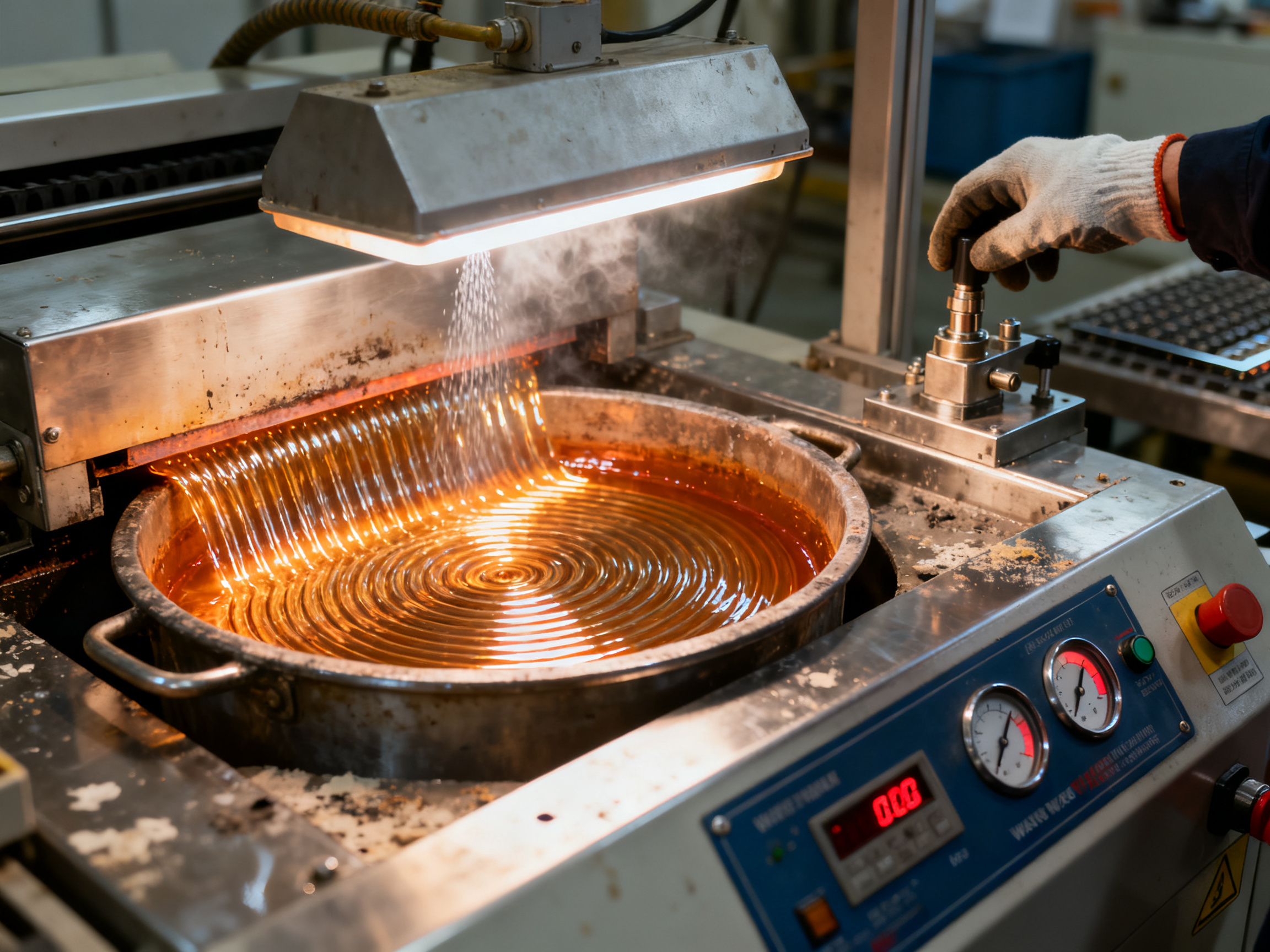
The real process window for complex assemblies depends heavily on preheat zone length and conveyor stability. A longer preheat section gives you better control over boards with varying thermal mass, which matters a lot when you’re running connectors next to smaller components on the same panel.
Conveyor stability affects wave height consistency throughout a run. A machine that drifts after an hour will give you inconsistent results. You might not notice until your defect rate climbs and you’re scrambling to figure out why.
When we evaluated systems for our mixed-technology line, the preheat zone length made or broke our process window. Boards with heavy ground planes needed more thermal input before hitting the solder wave. Machines with short preheat sections struggled, and we saw the results in our first-pass yield.
The Specs That Actually Matter
Here’s a quick framework for separating marketing from reality:
| Spec Type | What Vendors Claim | What Actually Matters |
|———–|——————-|———————-|
| Throughput | Peak boards per hour | Effective throughput with your board mix and changeovers |
| Wave height | Maximum height | Height stability over full shift |
| Preheat zones | Number of zones | Zone length and independent control |
| Setup time | Basic changeover | Full recipe change including fixtures |
| Temperature | Maximum pot temp | Temperature stability and recovery time |
Service and Support Reality Check
This one gets overlooked constantly. A wave solder machine is a long-term investment, and things break. The spec sheet won’t tell you what happens when your solder pot develops a leak on a Friday afternoon.
Service network proximity matters. Response time commitments matter. And the quality of your vendor’s technical support team matters more than any specification sheet.
Ask current customers about their support experience. Better yet, ask what happened when something went wrong during a critical production run. Those stories tell you more than any brochure.
The best wave soldering machine isn’t the one with the best looking spec sheet. It’s the one that works reliably for your production line and has support standing behind it when things go sideways.
How to Evaluate Wave Solder Machine ROI
Here’s where buyers get tripped up. They see a price tag, maybe $85,000 for a solid mid-range solder wave machine, and they think that’s the number that matters. It’s not. That sticker price is just the opening bid in a much longer conversation about what that equipment will actually cost you over five years of running it.
Total cost of ownership means looking at everything: purchase price plus solder consumption, energy draw, regular maintenance, and those pesky defect-related expenses that quietly eat into your margins. We ran the numbers on a Kurtz Ersa VERSAFLOW system not too long ago. The purchase price looked reasonable at first, but when we factored in solder usage, nitrogen consumption, and labor for operation and upkeep, the five-year cost ballooned to nearly double the initial investment. That changed how we thought about the whole decision.
The Real Cost Breakdown
Most shops budget for the obvious line items: equipment purchase, basic training, and routine consumables. What catches people off guard are the operational expenses that accumulate silently over years. Solder itself becomes a significant ongoing expense depending on your dross rates and the specific alloys you’re running. Energy consumption is another silent drain, especially if you’re running lead-free wave soldering equipment that requires higher pot temperatures. Then there’s maintenance, which isn’t just about scheduled servicing but also about wear parts, calibration, and the occasional emergency repair that always seems to happen at the worst possible time.
Defect-related costs deserve special attention because they’re easy to underestimate. A solder wave machine that produces inconsistent joint quality will generate rework, scrap, and potentially customer complaints that carry their own financial weight. When you’re evaluating options like a desktop wave soldering machine versus a larger industrial soldering equipment model, the defect rate difference can be the deciding factor between profit and loss on a job.
| Cost Category | First Year | Years 2-5 (Annual) | 5-Year Total |
|—————|————|———————|————–|
| Equipment purchase | $85,000-$115,000 | – | $85,000-$115,000 |
| Consumables (solder, flux, nitrogen) | $24,000 | $28,000 | $136,000 |
| Energy consumption | $8,500 | $9,200 | $45,500 |
| Preventive maintenance | $3,500 | $5,500 | $26,500 |
| Unplanned repairs | $1,500 | $4,000 | $17,500 |
| Labor (operation and supervision) | $45,000 | $48,000 | $237,000 |
| Defect-related costs | $6,000 | $4,500 | $22,500 |
| Estimated 5-Year TCO | – | – | $570,000-$590,000 |
These figures assume moderate production volume with roughly 500 boards daily across multiple changeovers. Your actual numbers will vary based on your specific throughput, board complexity, and local labor rates.
Expert Tip: When calculating ROI for wave soldering equipment, build your TCO model from your actual production data rather than vendor estimates. Track consumables for three months on your current equipment, measure your defect rates and rework time honestly, and calculate what downtime actually costs you in lost margin. With real numbers in hand, the comparison between a $90,000 solder wave machine and a $150,000 alternative becomes straightforward instead of speculative.
Labor Efficiency Often Delivers Faster Returns Than Throughput Gains
Here’s something counterintuitive that took us years to internalize. In high-wage regions, the biggest ROI driver isn’t usually how many boards per hour a machine can push out. It’s how much operator time it saves through automation features.
Modern precision wave soldering systems with solid recipe management let you switch between board families without extensive recalibration. That cuts changeover time dramatically. Some of the better electronic assembly soldering machines we’ve tested reduced setup time from 45 minutes down to under 10 minutes for common product switches. For a shop running 10 different board types daily, that’s 6 hours of operator time recovered every single week.
Do the math on that. At $35 per hour fully loaded, 6 hours times 50 weeks equals roughly $10,500 in annual labor savings. That alone moves the ROI calculation on a higher-priced machine with better automation.
Financing Options Matter More Than People Think
If your operation is capital-constrained, how you pay for equipment affects the real cost of ownership. Leasing spreads the cash impact across years, which helps with cash flow and potentially preserves credit lines for other needs. But leasing adds interest expense, so you end up paying more total dollars for the same machine.
Some equipment manufacturers and third-party lenders offer capital lease options where you own the asset at the end. Others offer operating leases with buyout options. The tax treatment differs too, which affects your effective cost. Talk to your accountant before assuming one structure is always better than another.
For smaller operations looking at a small wave solder machine or mini wave solder machine, financing might make the difference between upgrading now or waiting another year. A $15,000 desktop unit financed over 36 months at current rates costs maybe $450 per month. That’s often less than the labor savings from not hand-soldering small batches anymore.
Making the Numbers Work for Your Situation
The takeaway isn’t that expensive industrial soldering equipment is always right, or that budget options are always the smart choice. The takeaway is that you need to run the actual numbers before you decide.
Map out your production volume, your current defect rate, your labor costs, and your changeover frequency. Get real quotes on consumables and energy. Then build a simple spreadsheet that compares options honestly.
S&M Co. Ltd., which operates as Shenzhen Chuxin Electronic Equipment Co., Ltd., provides wave soldering solutions that span from compact desktop units through full production lines. They can help you model the economics for your specific situation, whether that involves a single lead-free wave soldering equipment unit or a complete SMT line upgrade.
The best buying decision comes from understanding your true cost of ownership, not just the price on the quote. Run the math first, and the right machine for your operation will become obvious.
Common Wave Soldering Machine Buying Mistakes to Avoid
Let’s be honest. Buying a wave soldering machine is a big decision, and plenty of people get it wrong. Not because they’re careless, but because the sales pitches sound so reasonable and the specs look so impressive. Here’s what actually goes wrong when buyers get it wrong, so you can sidestep these problems.
Mistake #1: Falling for the Sticker Price
Here’s the mistake I see most often. Someone finds a desktop wave soldering machine for $12,000 and another for $28,000, so they grab the cheaper one. Three years later they’re wondering why their operating costs are so high.
The equipment purchase price? That’s usually the smallest part of what you’ll actually pay. Your five-year operating costs typically run two to three times what you paid upfront. We’re talking solder consumption, nitrogen if you’re using it, flux, preventive maintenance, unexpected repairs, and all those hours your operator spends babysitting the process.
A Kurtz Ersa system we looked at recently had a sticker that seemed high. But when we ran the real numbers on consumables and downtime, the supposedly “affordable” competitor ended up costing more over time. Do the math before you sign anything.
Mistake #2: Ignoring Tomorrow’s Volume
You might be running 200 boards a day now. But what about 18 months from now? If your business grows at all, that “plenty of capacity” machine becomes a bottleneck real fast.
I watched a shop buy a compact system for their startup. Six months later they were turning away work because they couldn’t scale up without buying another machine entirely. Suddenly that cheap initial purchase looked expensive when you factored in the second machine, the floor space redesign, and the lost customers.
Mistake #3: Forgetting About Service and Support
This one bites people hard. Your solder pot develops a mysterious leak on a Thursday afternoon. Your customer needs boards by Monday. What happens next depends entirely on the vendor you chose.
Some manufacturers have local technicians who can show up same-day. Others? You’re waiting a week while production sits still. That wait time costs way more than you saved by buying from a vendor with cheap service.
From Our Experience: We worked with a contract manufacturer who picked a wave solder machine based almost entirely on price. When the conveyor drive started acting up six months in, the vendor’s nearest service tech was three states away. The fix took five days. That five-day downtime cost them a major automotive customer. They switched vendors after that and never looked back.
The Quick Checklist Before You Buy
Before you sign on any dotted line, ask yourself:
- Have I calculated five-year operating costs, not just purchase price?
- Will this machine handle my projected volume in 2-3 years?
- What’s the actual service response time if something breaks?
- Can I talk to a current customer about their support experience?
- Did I define acceptance tests before delivery, not after?
Skip these questions and you might save money upfront. But that savings evaporates fast when you’re scrambling to fix expensive problems you could have seen coming.
Wave Soldering Machine Prices: Regional Market Analysis for 2026
Here’s something nobody talks about enough. That “great price” on a wave solder machine from halfway around the world might not look so great once you factor in shipping, tariffs, installation, and the reality that your support technician lives in a different timezone.
Pricing for wave soldering equipment moves differently depending on where you’re buying from. Understanding these regional differences can save you serious money, or cost you plenty if you get it wrong.
How Prices Break Down by Region
North American and European equipment typically carries higher upfront costs but includes more predictable support infrastructure. You pay for that local service network, but when your solder pot acts up on a Tuesday afternoon, someone competent is usually a few hours away. Kurtz Ersa and ITW EAE systems reflect this, with pricing that accounts for regional support coverage and compliance documentation built into the package.
Chinese manufacturers like Shenzhen Chuxin Electronic Equipment Co., Ltd. have changed the landscape with aggressive pricing on lead-free wave soldering equipment and SMT soldering solutions. Their wave solder machine cost runs 30 to 50 percent below comparable Western systems in many cases. The tradeoff is that post-sale support infrastructure varies widely between suppliers, and quality consistency needs careful evaluation before you commit.
For a mini wave solder machine or small wave solder machine from a Chinese supplier, you might see quotes ranging from $15,000 to $45,000 depending on configuration. Compare that to a similar precision wave soldering system from a European brand, which could easily land in the $80,000 to $130,000 range for comparable capability.
The Landed Cost Reality
Here’s what trips up buyers constantly. The quoted price is just the opening number. Real wave soldering machine price includes a bunch of line items that sellers don’t always spell out upfront.
Freight and insurance can add 5 to 15 percent depending on origin and shipping method. Import tariffs hit different product categories differently, and electronics manufacturing equipment sometimes falls into categories that surprise you. Installation and training, which sounds simple, can run $5,000 to $25,000 extra on complex industrial soldering equipment.
Initial spare parts matter too. You don’t want to be waiting three weeks for a pump seal because nobody included basic spares in the quote. And if your power infrastructure needs upgrades to handle a new electronic assembly soldering machine, factor that in before you sign.
Pro Insight: When comparing quotes from wave solder machine manufacturers, ask each one for a landed cost breakdown that includes freight, duties, installation, training, first-year spares, and ongoing support terms. A $90,000 machine with $15,000 in hidden costs actually costs more than a $105,000 machine with transparent pricing and solid support.
Making Sense of the Numbers
Use this framework when evaluating wave solder machine for sale options across different regions:
| Cost Component | North America/EU | China Direct | Notes |
|—————-|——————-|————–|——-|
| Base equipment | $80,000-$240,000 | $25,000-$80,000 | Depends heavily on specifications |
| Shipping/insurance | $2,000-$8,000 | $3,000-$12,000 | Varies by weight and method |
| Import tariffs | Often zero | 5-25% depending on classification | Check current HTS codes |
| Installation/training | Often included | Usually quoted separately | $5,000-$25,000 typical |
| Initial spare parts | Sometimes included | Often extra | Budget $3,000-$10,000 |
| Annual support contract | $8,000-$20,000 | Varies widely | Get clear terms in writing |
| Estimated landed cost | $85,000-$270,000 | $40,000-$130,000 | Before operating costs |
The math gets more complicated when you factor in currency fluctuations. If you’re buying from a Chinese supplier and the yuan strengthens against your currency, your real cost goes up. European suppliers tend to offer more stable pricing in major currencies, which makes budgeting easier.
For buyers focused on finding the best wave soldering processor at a reasonable price, the key is looking beyond the sticker. A slightly higher base price from a manufacturer with solid documentation, local support, and proven quality might cost less over five years than a bargain machine that eats money in downtime and rework.
The bottom line? Get multiple landed cost estimates, read the fine print on support terms, and remember that the cheapest option isn’t always the cheapest option.
Making Your Final Decision: Matching Needs to Solutions
Here’s the honest truth. After all the spec comparisons, ROI calculations, and compliance checklists, the right wave soldering machine comes down to one thing: how well it fits your actual production reality.
Don’t start with brand names. Start with your board profiles, your volume ranges, and your changeover frequency. Those factors narrow down whether you need a full-size industrial system, a flexible mid-range machine, or a compact unit that fits your floor space constraints.
The Decision Framework That Actually Works
Before you talk to vendors, write down your non-negotiables:
Volume threshold: How many boards per shift, per day, per month? If you’re pushing 1,000+ boards daily with consistent product families, industrial systems justify themselves. If you’re running 50 to 200 boards with constant changeovers, mid-range flexibility wins every time.
Defect tolerance: What’s acceptable? Automotive and aerospace customers have stricter thresholds than consumer electronics. Your defect rate requirements should drive your equipment category, not the other way around.
Service horizon: Plan for 7 to 10 years of operation. Ask vendors directly about spare parts availability, technician response times, and software support commitments. A machine that’s cheap to buy but unsupported after 3 years costs more than the thoughtful purchase you made upfront.
Industry-Specific Recommendations
| Industry Focus | Recommended Category | Key Selection Criteria |
|—————-|———————|———————-|
| Automotive modules | Industrial or mid-range selective | Traceability, lead-free compliance, thermal control for mixed assemblies |
| Consumer electronics | Mid-range to industrial wave | Throughput, changeover speed, low cost per joint |
| Aerospace/defense | Industrial selective | Documentation package, lot traceability, long-term support contract |
| Contract manufacturing | Mid-range with strong recipe management | Flexibility, quick changeover, multi-customer capability |
| Prototyping/NPI | Compact to mid-range | Versatility, fast setup, small batch handling |
Test Before You Commit
Request a pilot run with your actual boards. Specification sheets don’t tell you how a machine handles your thermal mass profiles or whether your flux selection works with their spray system. A 2-hour demo on your real product tells you more than 20 pages of marketing material.
And get the service terms in writing before signing. Response time commitments, spare parts pricing, and software update policies matter more than the sticker price when your line goes down on a Friday afternoon.
The best wave soldering processor for 2026 isn’t the most expensive one on the market. It’s the one that matches your production profile, keeps running reliably, and has support standing behind it for the long haul.
Conclusion: Positioning Your Production for Success in 2026 and Beyond
The wave soldering equipment market in 2026 has matured in the best possible way. Lead-free capability is no longer a differentiator, it’s the price of admission. Real differentiation now lives in process control, changeover flexibility, and the ability to integrate with modern traceability systems. Whether you’re running a compact operation with a few hundred boards per shift or a high-volume line pushing thousands daily, the fundamentals haven’t changed. Buy for your actual production profile, not the profile you hope to have someday.
The global wave soldering equipment market continues growing at around 1.7 percent annually through 2035, according to Market Growth Reports. That growth isn’t happening because companies keep buying the same things. It’s happening because manufacturers who invested in the right equipment are outperforming those clinging to legacy systems that cost more to maintain than they save.
Strategic wave soldering equipment investments require balancing what you need right now against where your production is heading over the next five to seven years. A machine that’s cheap to buy but unsupported after year three ends up costing more than the thoughtful purchase you made upfront. Quality matters in the equipment, and it matters just as much in your supplier partnerships.
Continuous process optimization separates competitive manufacturers from those still troubleshooting problems that better equipment would have prevented. The shops winning in 2026 are the ones treating their soldering equipment as a platform for ongoing improvement, not a one-time purchase that sits running until something breaks.
Key Takeaways
- Lead-free capability is the baseline in 2026, not a premium feature
- Calculate total cost of ownership over five years, not just the sticker price
- Match equipment category to your actual volume and changeover frequency
- Service and support infrastructure matters more than sales presentations
- Industry 4.0 integration requires proof, not marketing promises
- Test with your real boards before committing to any system
Resources for Continued Learning
- IPC J-STD-001 Workmanship Standard for soldered assembly requirements
- EN IEC 63000:2018 for RoHS compliance documentation
- Kurtz Ersa Selective Soldering Overview for equipment specification examples
- EPA Soldering Process Guidelines for environmental compliance reference
For manufacturers evaluating Shenzhen Chuxin Electronic Equipment Co., Ltd. or other wave solder machine manufacturers for specific applications, request pilot runs with your actual board profiles before finalizing procurement decisions. The best buying decision comes from understanding your true cost of ownership, not just the price on the quote.
Additional Considerations
When evaluating wave soldering equipment investments, consider the operational aspects that directly impact your production floor. Regular maintenance schedules, operator training requirements, and spare parts availability all contribute to the total cost of ownership. Understanding these factors helps ensure your equipment investment delivers the expected returns over its operational lifetime.
Maintenance and Support Considerations
A well-maintained wave soldering machine can operate reliably for 7-10 years or more with proper care. Preventive maintenance schedules typically include daily, weekly, and monthly tasks that keep the system running at peak performance. Your equipment vendor should provide comprehensive documentation and training to support your maintenance team.
Safety and Compliance
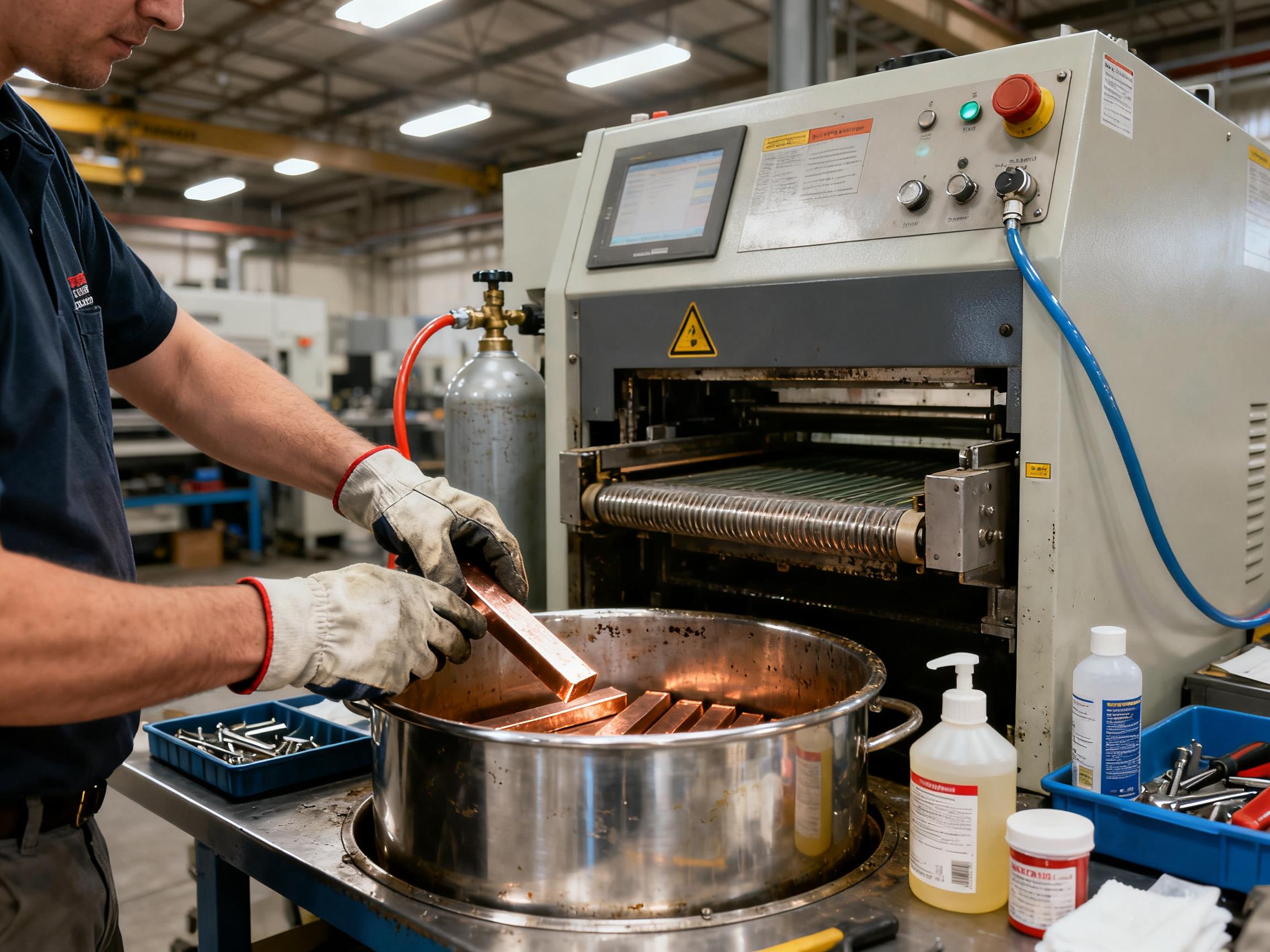
Operating wave soldering equipment requires adherence to safety protocols and environmental regulations. Proper ventilation, personal protective equipment, and chemical handling procedures protect operators and ensure compliance with workplace safety standards. Your equipment vendor should provide detailed safety documentation and recommend appropriate safety measures for your facility.