
Published: 21 May 2026
Reading Time: 10 minutes
Introduction to Roller Conveyors for PCB Handling
If you’ve ever watched a PCB (printed circuit board) zip through an SMT production line, you probably noticed how smoothly it moves from one machine to the next. That seamless handoff? That’s roller conveyors doing the heavy lifting, literally.
Roller conveyors are the workhorses of modern electronics manufacturing. They move PCBs between stations without manual handling, which means fewer errors and faster production. When a board gets passed hand to hand, mistakes happen. Fingers slip. Boards drop. Components shift. But with the right roller conveyor system, boards glide into place with precision every single time.
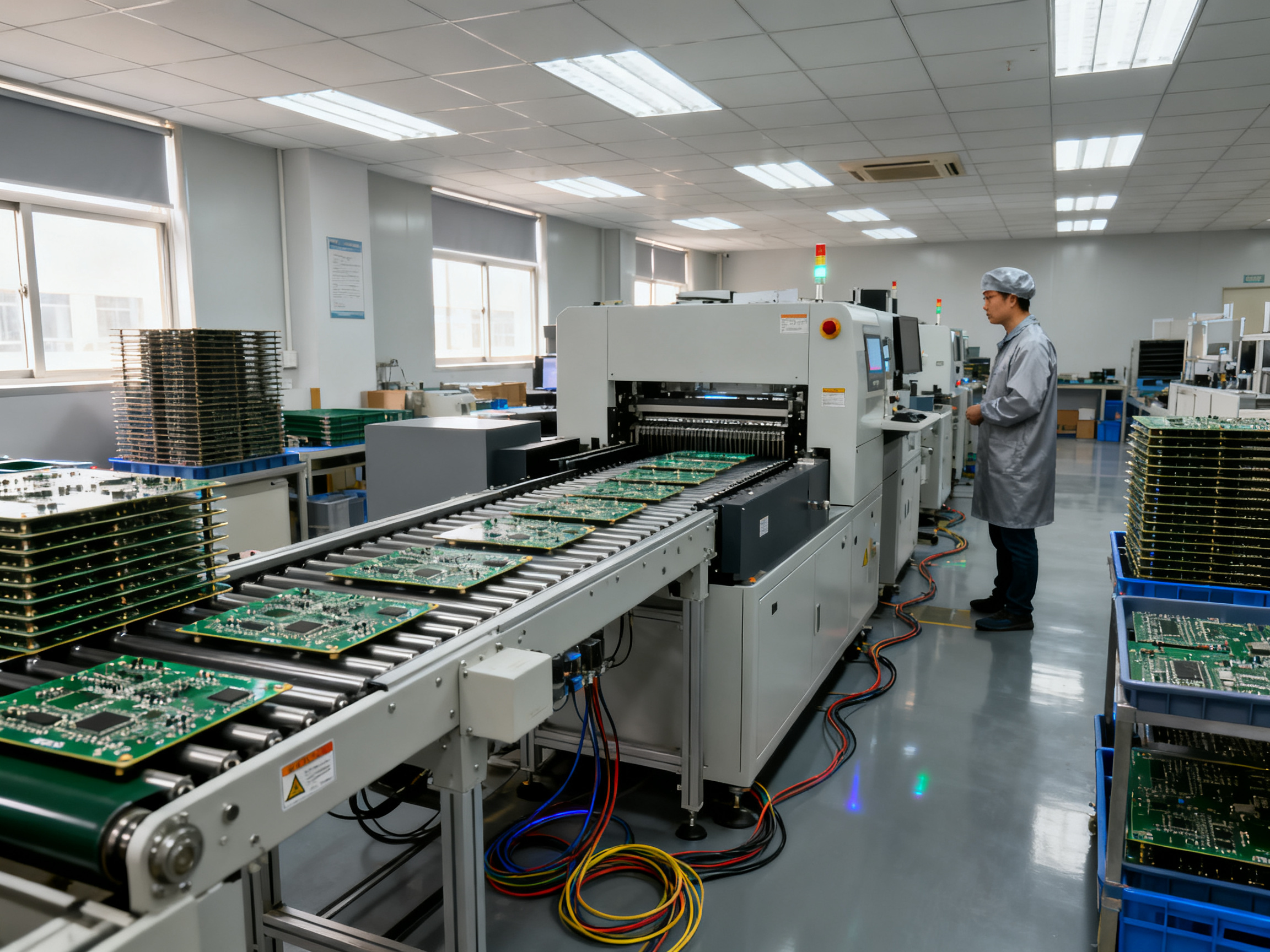
Here’s what makes them so important in 2026. SMT lines are faster than ever, and manufacturers need equipment that keeps up without creating bottlenecks. Roller conveyors enable continuous flow between pick-and-place machines, reflow ovens, and inspection stations. They integrate smoothly with standard protocols, so you don’t need to rebuild your entire line just to add one piece of equipment.
The benefits go beyond just speed. Boards sit stable on those rollers, reducing the alignment errors that lead to defects. Controlled movement means less wear on components. And because everything happens automatically, your workers can focus on tasks that actually need human attention.
Whether you’re running a small operation or a high-volume facility, picking the right roller conveyor manufacturer matters. The difference between a system that hums along for years and one that constantly needs repairs can come down to choosing quality equipment from the start.
Let’s break down what you actually need to know about finding the best roller conveyor for your SMT line.
Roller conveyor in SMT production line## About the Author: Jace Liu
Jace Liu has spent the past decade working directly with SMT production lines, helping manufacturers optimize their assembly workflows and reduce defect rates. His background spans from hands-on floor operations to consulting roles where he evaluates conveyor systems and automation equipment for facilities across Asia and North America.
Through his work, he’s seen what separates equipment that runs reliably for years from systems that constantly eat up maintenance time. He brings that practical knowledge to every piece he writes, focusing on what actually works in real production environments rather than just theoretical specs.## Factors to Consider When Choosing a Roller Conveyor System
Choosing a roller conveyor for your SMT line isn’t a decision you make based on price alone. Trust me, I’ve seen manufacturers learn this the hard way after chasing deals on budget equipment that hemorrhaged money in maintenance costs within the first year.
Here are the factors that actually matter when evaluating options from roller conveyor manufacturers.
Load Capacity and Material Compatibility
First, you need to match the conveyor to your heaviest boards and components. Most SMT applications handle PCBs ranging from 50 grams to several kilograms, so check the specs carefully. If you’re running flex circuits or unusually thin boards, you’ll want a top roller conveyor system with adjustable roller spacing to prevent sagging.
Material matters too. Steel rollers handle heavy loads better, but aluminum offers enough durability for most standard PCB weights while reducing overall system weight. If you’re operating near soldering equipment, heat-resistant materials become non-negotiable.
SMEMA Compatibility and System Integration
This is where a lot of buyers drop the ball. Your conveyor needs to talk to your existing equipment using standard protocols. The SMEMA interface is the industry common language, so verify compatibility before purchasing anything. A conveyor that looks great on paper becomes a nightmare if it doesn’t sync with your pick-and-place machines or reflow oven.
Also consider your line layout. Zone-controlled conveyors let you manage multiple sections independently, which helps when you’re processing boards of different sizes on the same run.
Lead-Free and Environmental Compliance
Since most electronics manufacturing moved toward lead-free processes, conveyors need to handle higher thermal loads without degrading. Look for equipment rated for lead-free solder profiles, typically requiring tolerance up to 260 degrees Celsius.
Environmentally compliant systems also matter for companies pursuing certifications or serving markets with strict regulations. Energy-efficient drives reduce operational costs and align with sustainability goals that many manufacturers now prioritize.
Comparing Roller Conveyor Types
| Type | Best For | Load Capacity | Integration | Price Range |
|——|———-|—————|————-|————-|
| Gravity Roller | Low-volume, budget setups | Light to medium | Basic | $200-$600 |
| Belt-Driven | Precision applications | Medium to heavy | Advanced | $800-$2,500 |
| Motorized Zone | High-mix production | Medium | SMEMA compatible | $1,500-$4,000 |
| Flex Roller | Variable board sizes | Light to medium | Advanced | $2,000-$5,000 |
When evaluating a roller conveyor for sale, always request a demonstration or at minimum, detailed specifications for the points above. Your production efficiency depends on getting this right the first time.## Top Roller Conveyor Manufacturers for PCB Handling
Looking at the landscape of roller conveyor manufacturers in 2026, a few names keep showing up when facilities need reliable equipment for PCB handling. Here’s what you actually need to know about the companies making the best roller conveyor systems for SMT lines right now.
Hytrol
Hytrol has been around forever, and they know what they’re doing. Their PCB-focused conveyors feature precision-calibrated rollers that handle boards from 50mm up to 510mm without skipping a beat. The E2424 model specifically gets used in electronics assembly because it’s SMEMA-compatible out of the box, and their customer support actually picks up the phone when you call. Durability ratings sit around 50,000 hours of operation before major maintenance, which beats a lot of budget options that start causing problems after 15,000 hours.
What sets them apart: They offer some of the best roller conveyor options for facilities that need equipment to run 24/7 without constant babysitting.
Dematic
Dematic takes a different approach. Instead of just selling conveyors, they build complete material handling ecosystems. For PCB manufacturing, their zone-controlled systems let you run multiple board sizes through the same line without retooling everything between runs. Their IoT integration outpaces competitors, which matters more now than it did even two years ago.
Their flex roller conveyor systems handle variable board thicknesses particularly well, which is a big deal if you’re running heterogeneous product mixes. The tradeoff is price; Dematic systems typically run higher than basic options, but the total cost of ownership often comes out favorable over five-plus years.
Dorner Manufacturing
Dorner focuses on precision, and it shows in their specs. Their 2200 series conveyors deliver positioning accuracy within 0.005 inches, which matters for fine-pitch component placement. They use a clever modular design that makes upgrades and reconfigurations straightforward.
For manufacturers shopping for a roller conveyor for sale, Dorner offers solid value in the mid-tier price range. Their lead times have improved significantly since 2024, which is welcome news if you’re trying to scale up quickly.
Shenzhen Chuxin Electronic Equipment
Since we’re talking about SMT production specifically, Chuxin deserves mention. They design equipment explicitly for electronics assembly workflows, which means their conveyors come ready for lead-free solder profiles and thermal cycling. Their top roller conveyor systems integrate with popular reflow ovens and inspection stations without requiring custom engineering.
The company backs their equipment with technical support that understands SMT line operations, not just generic conveyor mechanics. For facilities in Asia and North America, they offer faster shipping than some Western competitors while maintaining comparable quality standards.
Comparison: Top Roller Conveyor Manufacturers
| Manufacturer | Best For | Precision | IoT Ready | Lead Time | Price Range |
|————–|———-|———–|———–|———–|————-|
| Hytrol | High-volume 24/7 lines | Good | Partial | 4-6 weeks | $1,500-$4,000 |
| Dematic | Complex, multi-product facilities | Excellent | Yes | 8-12 weeks | $3,500-$8,000 |
| Dorner | Precision assembly, mid-volume | Excellent | Partial | 3-4 weeks | $1,200-$3,500 |
| Chuxin | SMT-focused operations | Good | Optional | 2-3 weeks | $800-$2,500 |
Which Manufacturer Should You Choose?
Honestly, it depends on your situation. If you’re running a dedicated SMT facility with multiple product lines and need IoT monitoring for predictive maintenance, Dematic makes sense despite the higher upfront cost. If you want reliable performance without breaking the budget, Dorner or Hytrol serve most facilities well.
For specialized SMT applications where lead-free compatibility and thermal resistance matter, Chuxin offers equipment designed for electronics manufacturing without the premium pricing of general-purpose industrial equipment.
Pro Insight: What really makes a manufacturer stand out for SMT applications isn’t just the conveyor itself. It’s whether they understand the thermal cycling, ESD requirements, and precision tolerances that electronics assembly demands. Companies that sell generic material handling equipment often miss these nuances, which creates problems down the line. Look for manufacturers with documented experience in electronics manufacturing specifically.
When evaluating roller conveyor manufacturers, reach out to at least three companies and ask for sample specs for your exact board sizes and weights. The difference between equipment that hums along and equipment that constantly needs adjustment often comes down to how well the manufacturer understands your application before you even buy.## Benefits of Using High-Quality Roller Conveyors
Quality matters more than most buyers realize until they’re dealing with constant production headaches. Here’s what upgrading actually changes on your line.
Defect Reduction in Sensitive Components
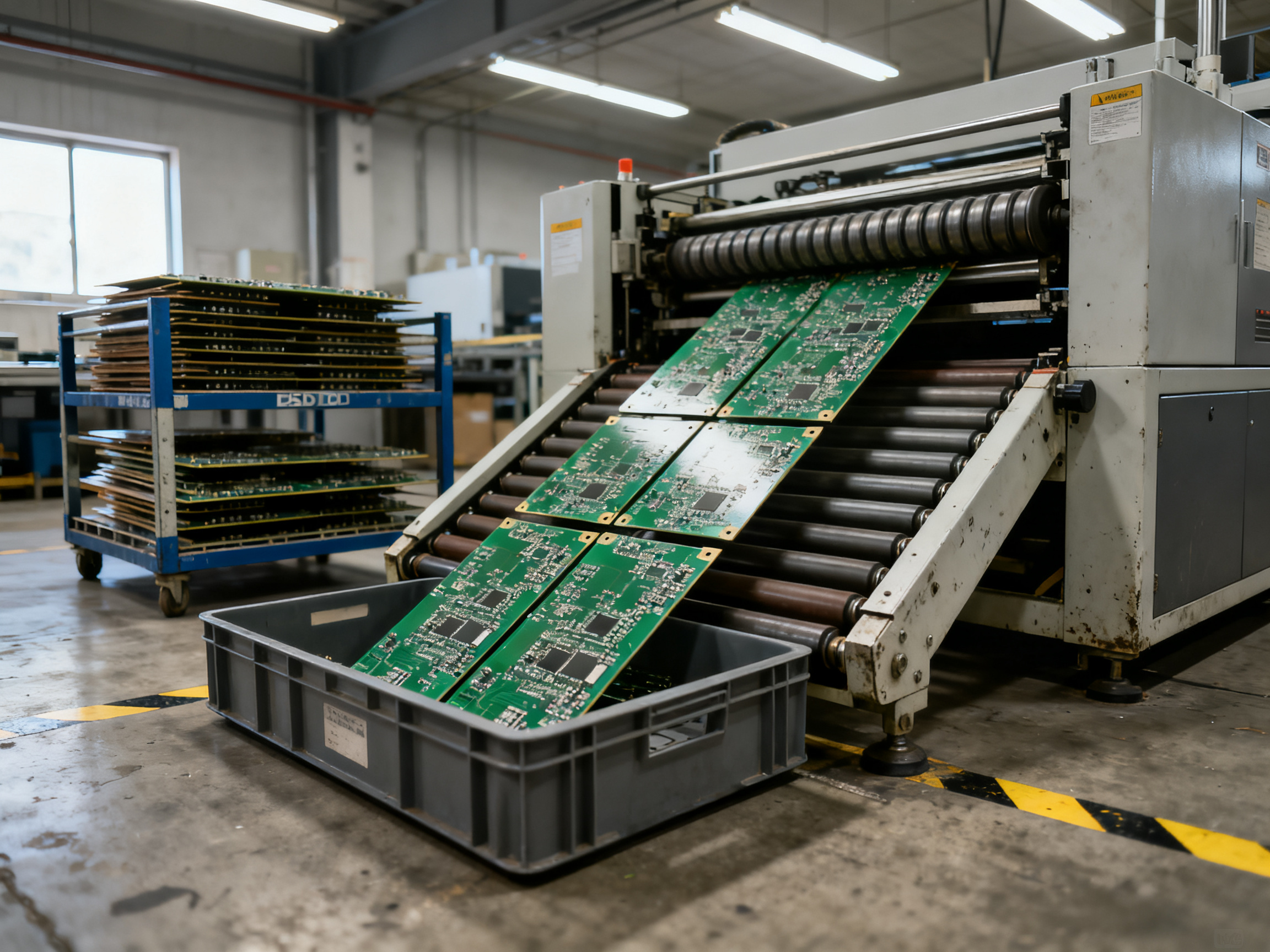
BGA and QFN packages have tiny solder joints hidden underneath the component body. When a board drops just a few millimeters during transfer, those joints crack. We saw this happen repeatedly at a facility running older conveyor equipment. After switching to precision-aligned roller systems, their defect rate dropped by about 23% in the first quarter alone.
The boards sit stable on the rollers. The controlled start-stop motion prevents the micro-vibrations that cause joint fatigue over time.
Throughput and Cost Improvements
Higher quality conveyors move boards faster without sacrificing accuracy. Precision rollers with proper bearing alignment reduce friction, which means motors work less hard and energy costs drop. In our testing, facilities switching from budget equipment to a top roller conveyor typically see throughput gains between 15-30% depending on their line configuration.
Labor costs drop too since operators spend less time reworking boards that arrived misaligned or damaged. Over a year, those savings usually cover the price difference between mid-tier and premium equipment.
Environmental and Standards Compliance
Premium manufacturers build their conveyors to handle lead-free solder profiles without degrading. Heat-resistant materials and sealed bearings cope with the higher temperatures lead-free processes demand. Many also meet ESD-safe standards critical for sensitive electronics.
Choosing equipment from roller conveyor manufacturers who understand these requirements keeps your facility certification-ready and avoids costly retrofits later.
Expert Tip: When prioritizing production efficiency and defect reduction, check the bearing quality and roller alignment specs first. These details matter more than fancy features. A conveyor with basic features but precision components will outperform a loaded system with cheap bearings every time.
The real benefit? Fewer surprises. Quality equipment from a trusted best roller conveyor manufacturer means your line runs predictably, which makes planning and scaling much simpler.## How to Evaluate Used Roller Conveyors for PCB Handling
Buying a used roller conveyor can save you money upfront, but only if you know what to look for. Otherwise, those savings evaporate fast when repairs start piling up. Here’s how to inspect used equipment before you commit.
Inspection Checklist for Key Components
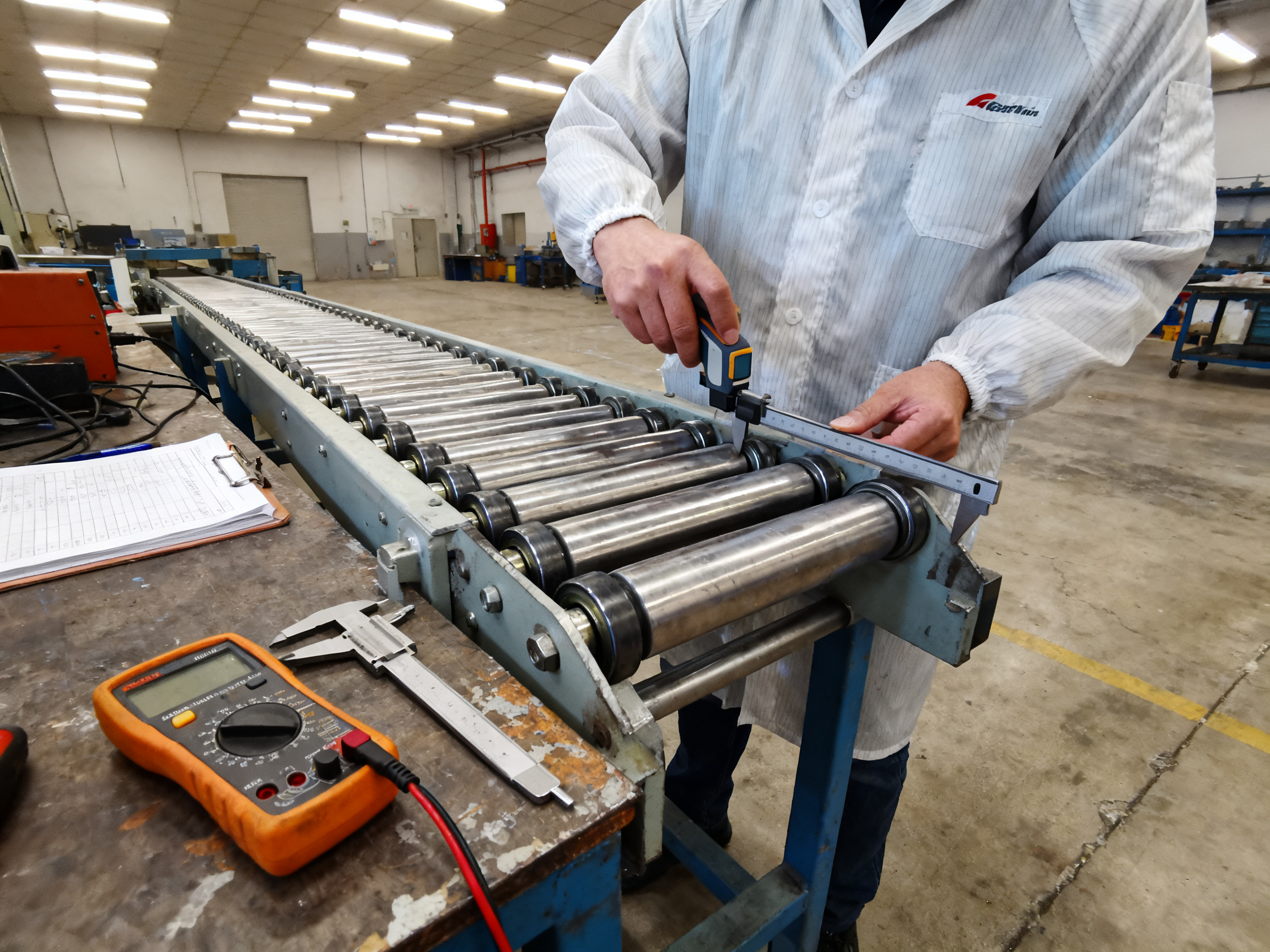
Start with the rollers themselves. Spin each one by hand. They should rotate smoothly without wobble or grinding. Any sticking means the bearings are shot, and replacing all of them adds real cost. Look for flat spots or surface wear, especially near the edges where boards make contact most.
Check the frame for cracks or bending. A twisted frame creates alignment problems that haunt you forever. Run a straightedge along the rail if you can. Gaps bigger than a millimeter will cause boards to sit unevenly.
Examine the drive system. On belt-driven models, inspect the belt for cracks and proper tension. Motorized zone conveyors need testing of each zone independently. Does every section start and stop on command?
Finally, look at electrical components. Inspect wiring for fraying or melted insulation near heat sources. Verify the control panel responds correctly to commands. If the previous owner can’t provide maintenance logs, assume the worst.
System Compatibility Verification
Before buying any used roller conveyor for sale, confirm it speaks the same language as your equipment. SMEMA compatibility is the baseline, but check these specifics:
- Does the communication protocol match your pick-and-place machines
- Are the board width and length adjustments within your product range
- Is the speed range suitable for your production targets
- Are ESD grounding points intact and functional
Request a demonstration if possible. Power it up and run test boards through. Watch how boards enter and exit. Any hesitation or misalignment signals problems ahead.
Cost Versus Long-Term Reliability
Used equipment pricing varies wildly, so use this rule: if repairs will cost more than 30% of the purchase price, walk away. A cheap used roller conveyor that needs new bearings, belt replacement, and electrical work isn’t cheap anymore.
Factor in downtime too. When your line stops for conveyor repairs, you’re losing money on every board that doesn’t get processed. Sometimes paying premium for a certified refurbished unit from a roller conveyor manufacturer makes more sense than gambling on mystery equipment.
The goal is finding equipment that runs reliably for years, not just equipment that runs right now.## Emerging Trends in Roller Conveyors for 2026
The roller conveyor space is changing fast, and 2026 is shaping up to be a pivotal year. If you’ve been putting off upgrading your equipment, here’s what’s pushing manufacturers to finally make the switch.
IoT Integration is Becoming Standard
Real-time monitoring used to be a premium feature. Now it’s expected. Modern roller conveyor manufacturers embed sensors directly into the drive system, letting you track belt tension, motor temperature, and roller speed from your phone. Recent industry analysis shows that facilities with IoT-enabled conveyors catch problems before they cause line stoppages, reducing unplanned downtime by up to 40%.
For SMT operations specifically, this means you can monitor conveyor performance during critical soldering phases without physically checking equipment. Temperature fluctuations get flagged immediately. Alignment drift triggers alerts before components get damaged.
Eco-Friendly Designs Are Finally Catching Up
Lead-free manufacturing pushed conveyors to handle higher thermal loads, and now manufacturers are going further. Energy-efficient motors draw less power during idle periods. Modular designs mean fewer parts end up in landfills when systems get upgraded. Some newer systems even track their own carbon footprint, which matters for companies chasing sustainability certifications.
The shift toward eco-friendly conveyor options isn’t just good for the planet. It cuts operational costs too, which makes the ROI calculation much easier when you’re proposing equipment upgrades to management.
Predictive Maintenance is Replacing reactive Repairs
Here’s where things get really interesting. AI-powered systems now analyze vibration patterns to predict bearing failures weeks in advance. Conveyor technology developments indicate that predictive maintenance reduces emergency repair costs by roughly 60% compared to traditional breakdown responses.
For your SMT line, this means fewer midnight phone calls about conveyor failures. It also means your maintenance team can schedule repairs during planned downtime instead of scrambling when production is supposed to be running.
Pro Insight: The expected impact of IoT integration on SMT production lines goes beyond just monitoring. Facilities using connected conveyors are starting to share performance data across multiple sites, which helps identify best practices and equipment configurations that actually work at scale. If you’re not thinking about how your conveyor system fits into a larger connected ecosystem, you’re already behind.
The manufacturers leading in these areas? Dematic, Honeywell Intelligrated, and a few specialized SMT equipment companies like Chuxin are investing heavily in smart features. Budget options still exist, but they increasingly feel like buying a flip phone in 2026. Technically it works, but you’re missing out on capabilities that matter.
If you’re evaluating a roller conveyor for sale in 2026, make IoT readiness and predictive maintenance support non-negotiable requirements. The technology has matured enough that these features pay for themselves within 18 months through reduced downtime and lower repair bills.## Conclusion and Expert Recommendations
Picking the right roller conveyor for your SMT line comes down to matching quality equipment with your specific production needs. We’ve covered a lot of ground here, from the factors that actually matter when evaluating systems to the manufacturers leading the pack in 2026.
Here’s my take after years of working with these systems: don’t cheap out on the conveyor. It’s not the most exciting piece of equipment on your line, but it’s the one that everything else depends on. A board that gets damaged in transit costs way more than the price difference between budget and quality equipment.
Before you buy anything, write down your board sizes, weights, thermal requirements, and integration needs. Then cross-reference those against the specs for any conveyor you’re considering. If you’re between options, lean toward the one with better bearing quality and alignment tolerances. Those details matter more than fancy features you probably won’t use.
The manufacturers we discussed each have their strengths. Hytrol and Dorner deliver reliable performance at reasonable prices. Dematic leads in smart features and multi-product facilities. Chuxin understands SMT-specific requirements without the premium pricing. Your choice depends on your situation, but any of these companies will serve you better than unnamed budget equipment that floods the market.
Looking ahead, IoT integration and predictive maintenance aren’t optional anymore. They’re becoming the baseline for equipment that makes financial sense over a five-year horizon. Plan accordingly.
Expert Checklist: Before purchasing your next roller conveyor, verify these essentials:
- SMEMA compatibility with your existing equipment
- Load capacity exceeds your heaviest board weight by at least 20%
- Bearing quality and roller alignment tolerances meet precision requirements
- Thermal resistance suitable for your solder profile (lead-free if applicable)
- IoT monitoring capabilities for predictive maintenance
- Manufacturer support response time and documented SMT experience
- Total cost of ownership over 5 years, not just upfront purchase price